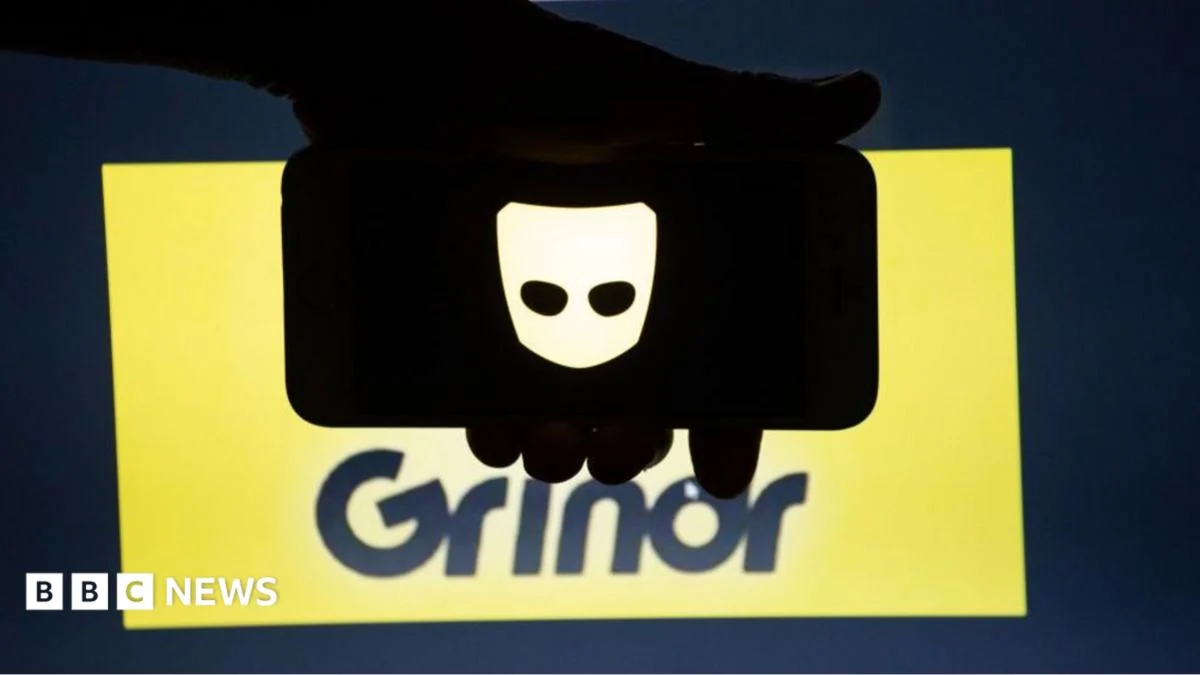
The popular LGBTQ+ dating application, Grindr, has agreed to pay a substantial £26 million ($33.6 million USD) to resolve a class action lawsuit that accused the company of unlawfully sharing highly personal user data, including HIV status, sexual orientation, and ethnicity, with third-party entities. This significant settlement, announced through a U.S. regulatory filing, marks a pivotal moment in the ongoing global scrutiny of digital privacy practices, particularly for platforms handling sensitive information related to vulnerable communities.
The Heart of the Allegations: Sensitive Data Exposed
The lawsuit, initially brought before the High Court in the UK in 2024 by law firm Austen Hayes, later expanded into a class action suit served in the United States, representing over 11,000 claimants. At its core, the legal challenge alleged that Grindr misused and shared deeply personal information belonging to its users for commercial purposes, specifically targeted advertising, thereby violating stringent UK privacy laws. The data in question included details about users’ ethnicity and sexual orientation, but the most alarming revelation concerned the disclosure of users’ HIV status and last-tested dates.
For many within the LGBTQ+ community, particularly those navigating their sexual health and identity, platforms like Grindr offer a space for connection and openness. The option for users to share their HIV status is often presented as a means to foster transparency, reduce stigma, and facilitate informed conversations among individuals. However, the alleged sharing of this intensely private health information with external data analytics services without explicit, informed consent constituted a profound breach of trust and a serious violation of data protection principles.
A Deep Dive into Grindr’s Data Practices Before 2020

Grindr, the world’s largest social networking app for gay, bi, trans, and queer people, stated in its regulatory filing that while it disputes the allegations and maintains no admission of liability, it "recognizes and acknowledges the distress and loss of trust expressed by some of its UK users regarding that pre-2020 period." This distinction is crucial, as the company emphasized that the claims relate to "historical data practices" occurring before 2020, a period when the app was under the ownership of Chinese firm Kunlun Tech.
The practice of sharing user data with third-party analytics services like Apptimize and Localytics, which were specifically identified in the claim, was widespread across the tech industry for many years. These services typically help app developers understand user behavior, optimize features, and, critically, personalize advertisements. However, the type of data being shared by Grindr — classified as "special category data" under European and UK data protection laws due to its extreme sensitivity (health, sexual orientation, ethnicity) — demands a significantly higher standard of protection and explicit consent from users.
The revelations that emerged in 2018 regarding Grindr’s data sharing practices sent shockwaves through the user community and privacy advocacy groups. At the time, Grindr defended its actions by stating they were in line with industry standards. However, facing public outcry and increasing scrutiny, the company announced it would cease sharing HIV data with these specific third-party companies. The current lawsuit indicates that for many users, this action was insufficient to mitigate the harm already caused by the previous practices.
A Chronology of Revelations and Regulatory Scrutiny
The journey to this settlement is punctuated by a series of events and regulatory interventions that highlight the evolving landscape of digital privacy:
- Pre-2018: Grindr operates under data sharing practices that would later become the subject of intense scrutiny and legal challenges. User data, including sensitive information, is reportedly shared with third-party analytics services for commercial purposes.
- April 2018: Media reports surface, revealing that Grindr has been sharing users’ HIV status with two third-party companies, Apptimize and Localytics. This sparks widespread concern among users and privacy advocates globally.
- April 2018 (Post-revelation): Grindr issues a statement defending its practices as common within the industry but commits to ceasing the sharing of HIV status data with these specific partners.
- 2020: Grindr undergoes a change of ownership. The company stresses that it has since "overhauled" its privacy practices to better meet the unique needs and expectations of its community, focusing on transparency, user control, and responsible data management.
- December 2021: Norway’s data protection authority, Datatilsynet, announces a fine of 100 million Norwegian kroner (approximately £5.5 million or $11.7 million USD at the time) against Grindr for illegal disclosure of user data to advertising partners. The watchdog concluded that Grindr failed to obtain valid consent from users for sharing their GPS data, IP address, cookie IDs, and the fact that they were a Grindr user, with multiple third parties for marketing purposes. The decision highlighted the stringent requirements for consent under GDPR.
- 2022: The UK’s Information Commissioner’s Office (ICO) issues a reprimand to Grindr, echoing concerns about its historical data practices and reiterating the importance of explicit consent for processing special category data. While not a financial penalty in this instance, a reprimand serves as a formal warning and underscores the regulatory body’s disapproval of the company’s past conduct.
- 2024: The class action lawsuit is officially filed in the UK High Court by Austen Hayes, representing individuals whose data was allegedly misused. The suit later gains momentum and is served in the US, accumulating over 11,000 claimants seeking redress.
- September 2, [Current Year]: Grindr formally notifies the US Securities and Exchange Commission (SEC) of the settlement agreement. The company commits to two payments of £13 million each, due by December 31 of the current year and March 31, 2027, respectively.
The Legal Framework: UK Privacy Laws and Class Action Dynamics

The lawsuit against Grindr was firmly rooted in UK privacy laws, specifically the Data Protection Act 2018, which incorporates the European Union’s General Data Protection Regulation (GDPR) into domestic law. GDPR sets a high bar for data privacy, particularly concerning "special category data" like health information, sexual orientation, and ethnic origin. Processing such data requires explicit consent, which must be freely given, specific, informed, and unambiguous. The allegations suggested that Grindr’s historical data sharing practices fell short of these stringent requirements, potentially relying on less explicit forms of consent or none at all for sharing this sensitive information with third parties for commercial gain.
The choice of a class action lawsuit was critical in this context. A class action allows a large group of individuals who have suffered similar harm from the same defendant to collectively pursue a legal claim. This mechanism is particularly effective in data privacy cases where individual damages might be small but the collective impact is substantial, making it economically viable for a law firm to pursue justice on behalf of many. The participation of over 11,000 claimants underscores the widespread nature of the alleged data misuse and the collective sense of violation experienced by Grindr users.
Grindr’s statement that the settlement includes "no admission of liability" is a standard legal clause in many out-of-court settlements. It allows companies to resolve disputes and avoid the uncertainties and potentially higher costs of protracted litigation without formally acknowledging wrongdoing. However, the significant financial sum involved implicitly acknowledges the serious nature of the claims and the company’s desire to put the matter behind it.
"Significant Distress": Voices of the Claimants and Legal Counsel
Chaya Hanoomanjee, the lawyer from Austen Hayes who spearheaded the claim, articulated the profound impact on the claimants in April 2024. She stated that individuals had "experienced significant distress" due to their sensitive and private information being shared without their consent. This distress is not merely theoretical; for members of the LGBTQ+ community, the unauthorized disclosure of sexual orientation can lead to discrimination, harassment, or even personal danger, depending on their geographic location and social environment. The sharing of HIV status carries an additional layer of potential stigma, misunderstanding, and discrimination.
Hanoomanjee’s assertion that the company "owes it to the LGBTQ+ community it serves to compensate those whose data has been compromised" highlights the ethical dimension of the lawsuit. Dating apps, especially those catering to specific communities, often foster a sense of trust and safety. When that trust is breached through data mishandling, the impact extends beyond mere financial loss to affect psychological well-being and community cohesion.

Grindr’s Response: Acknowledgment Without Admission
While Grindr explicitly disputes the allegations and makes no admission of liability, its official statements accompanying the settlement reveal a nuanced position. The company’s acknowledgement of "the distress and loss of trust expressed by some of its UK users" indicates a recognition of the emotional impact of the past data practices, regardless of the legal outcome.
Furthermore, Grindr highlighted its post-2020 commitment to overhauling its privacy practices. The company asserted in its filing that it has since strengthened its data governance to meet the "unique needs of its community." This suggests an effort to rebuild trust and align its operations with current, more rigorous data protection standards. The statement, "Grindr is and remains a safe space for users, committed to transparency, user control, and responsible data practices," serves as a reassurance to its current and future user base that the issues leading to this lawsuit are being addressed and mitigated.
Broader Implications for Data Privacy and the Tech Industry
The Grindr settlement carries significant implications not just for the company itself, but for the wider tech industry and the evolving landscape of digital privacy.
- Precedent for Sensitive Data: This case reinforces the critical importance of protecting "special category data." It sends a clear message to all technology companies, especially those operating in sensitive areas like health, dating, and social networking, that lax data practices concerning highly personal information will face severe legal and financial consequences. The settlement emphasizes that even if data sharing was "industry standard" at one point, it may no longer be acceptable under modern privacy laws.
- The Power of Class Actions: The success of this large-scale class action suit demonstrates the growing power of collective legal action in holding major tech companies accountable for privacy violations. This could encourage similar lawsuits against other platforms found to be mishandling user data.
- Enhanced Regulatory Scrutiny: The previous fines from Norway and the reprimand from the UK ICO, followed by this settlement, underscore the increasing vigilance of data protection authorities worldwide. Regulators are actively monitoring and enforcing privacy laws, signaling a shift towards greater corporate responsibility.
- Reputational Damage and Trust: While Grindr avoided a formal admission of guilt, the substantial settlement and the public nature of the allegations inevitably impact its brand and reputation. For a platform built on fostering connections within a specific community, maintaining user trust is paramount. Companies must understand that data privacy is not just a legal compliance issue but a fundamental component of brand loyalty and user engagement.
- The Future of Ad Tech and Data Monetization: This case contributes to the ongoing debate about the ethical boundaries of data monetization, particularly when it involves sensitive user profiles. It pressures the advertising technology industry to innovate in ways that respect user privacy, moving away from broad data sharing towards more privacy-preserving advertising models.
- User Empowerment: The settlement highlights the growing awareness among users about their data rights. As individuals become more educated about how their personal information is collected, processed, and shared, they are increasingly willing to challenge companies that fall short of privacy expectations.
The £26 million settlement from Grindr is more than just a financial transaction; it is a powerful affirmation of individuals’ right to privacy, especially concerning their most sensitive personal details. It serves as a stark reminder to technology companies globally that the age of unbridled data sharing is waning, giving way to an era where robust data governance, transparency, and explicit user consent are not merely optional best practices, but legal imperatives and foundational elements of trust in the digital age. As the world becomes increasingly interconnected, safeguarding the digital footprint of every user, particularly those from vulnerable communities, remains an urgent and ongoing challenge for innovation and ethical responsibility.