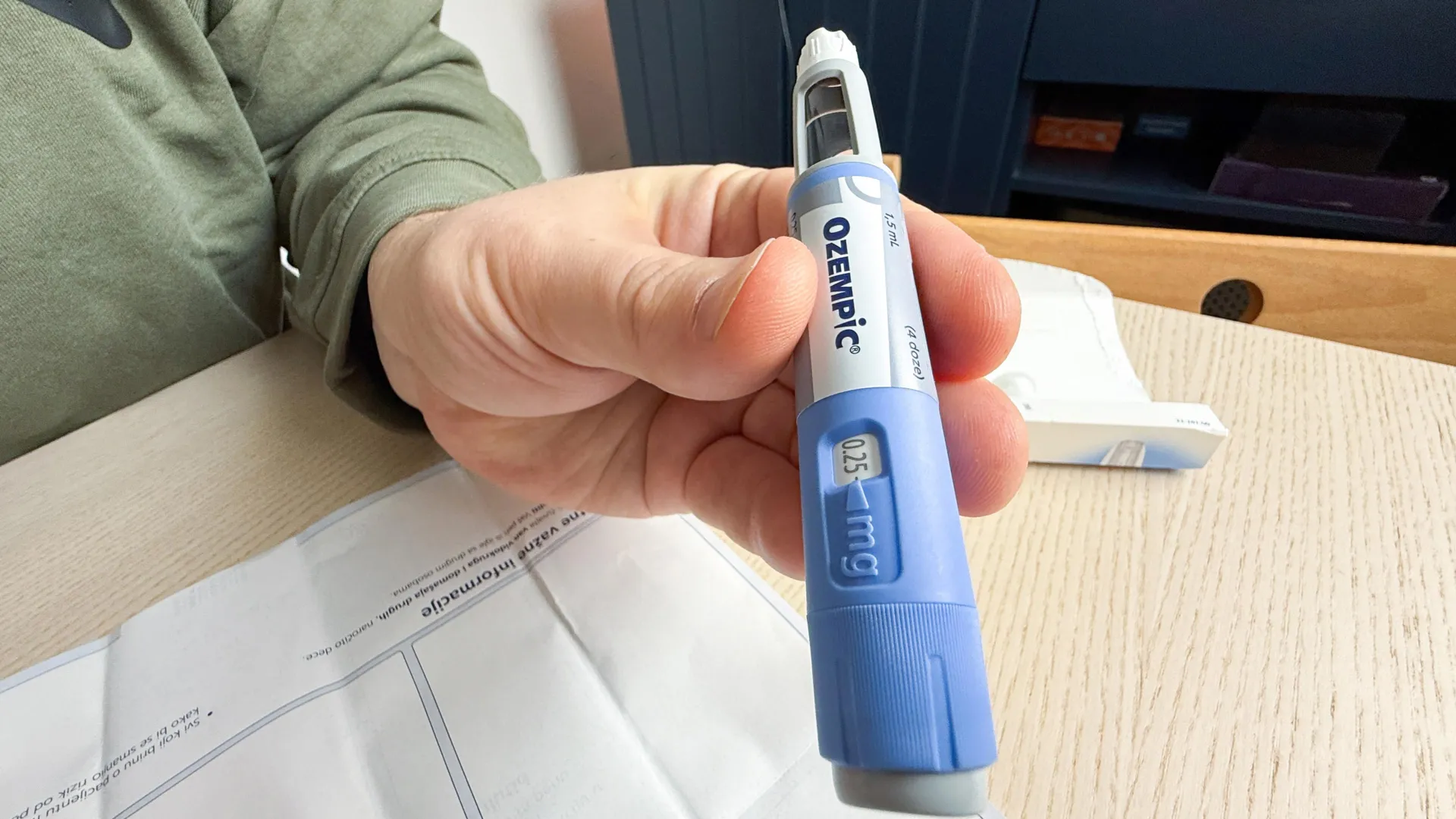
New research from Griffith University suggests that glucagon-like peptide-1 receptor agonists (GLP-1RAs), a class of drugs predominantly recognized for their efficacy in managing type 2 diabetes and facilitating weight loss, may also offer significant advantages for mental health, particularly for individuals diagnosed with bipolar disorder. This groundbreaking study, published in Acta Psychiatrica Scandinavica, analyzed extensive Swedish nationwide data, revealing a notable reduction in psychiatric hospitalizations among individuals with bipolar disorder who were prescribed a specific GLP-1RA, semaglutide.
The Complex Interplay of Metabolic and Mental Health Conditions
The co-occurrence of diabetes, obesity, and bipolar disorder is a well-documented clinical reality, hinting at shared underlying biological pathways. Globally, the World Health Organization estimates that approximately one in every 200 individuals, translating to roughly 37 million people, live with bipolar disorder. This chronic mental health condition is characterized by extreme mood swings, ranging from manic episodes to depressive episodes, significantly impacting an individual’s ability to function in daily life. The metabolic conditions of diabetes and obesity are not only prevalent but also often exacerbate the challenges faced by those with bipolar disorder, creating a complex web of interconnected health issues.
For years, GLP-1 medications have been a cornerstone in the treatment of both type 2 diabetes, by regulating blood glucose levels, and obesity, by promoting satiety and slowing gastric emptying. However, their potential impact on the neurobiological underpinnings of mental health disorders like bipolar disorder has remained an area of active investigation, with limited conclusive evidence until now.
A Comprehensive Analysis of Nationwide Data
The research team, spearheaded by Professor Mark Taylor from Griffith’s School of Medicine and Dentistry, undertook a comprehensive analysis of nationwide Swedish health records spanning a 15-year period, from 2009 to 2024. The study focused on a cohort of nearly 15,000 individuals diagnosed with bipolar disorder who had been prescribed GLP-1 medications. This extensive dataset allowed researchers to meticulously examine the relationship between GLP-1RA use and psychiatric outcomes.
"People with bipolar disorder who were taking semaglutide (otherwise known as Ozempic or Wegovy), a type of GLP-1 medication, had significantly lower rates of psychiatric hospitalization compared with periods when they were not taking GLP-1 medicines," Professor Taylor stated. This observation is a pivotal finding, suggesting a direct correlation between the use of semaglutide and improved psychiatric stability.
Semaglutide’s Protective Effect on Psychiatric Hospitalizations
The study’s most striking revelation is the association between semaglutide use and a 21 percent reduction in the risk of psychiatric hospitalization among individuals with bipolar disorder. This statistically significant decrease indicates that semaglutide may play a protective role, potentially mitigating the severity of mood episodes that often necessitate inpatient psychiatric care. The comparison against periods when patients were not on GLP-1 medications is crucial, as it controls for individual patient variability and other concurrent treatments.
Professor Taylor elaborated on the significance of these findings, stating, "The findings add to growing evidence that GLP-1 receptor agonists may have benefits beyond diabetes and obesity treatment, and could represent a promising new avenue for bipolar research." This sentiment underscores the potential paradigm shift in understanding and treating bipolar disorder, moving beyond solely psychological interventions to incorporate pharmacological approaches with broader systemic effects.
Unraveling the Neurobiological Mechanisms
The precise mechanisms by which semaglutide might exert its beneficial effects on mental health are still being elucidated, but emerging hypotheses point towards its influence on brain-related processes. The researchers suggest that GLP-1 signaling could contribute to neuroprotection by actively reducing inflammation, cellular stress, and other detrimental biological processes that are frequently implicated in the pathophysiology of bipolar disorder.
Inflammation in the brain, often referred to as neuroinflammation, has been increasingly recognized as a significant factor in the development and progression of various psychiatric disorders, including bipolar disorder. Chronic stress, both psychological and physiological, can also dysregulate brain function and contribute to mood instability. By potentially mitigating these adverse processes, semaglutide could foster a more stable neural environment, thereby promoting greater mood stability and decreasing the likelihood of relapses into severe manic or depressive episodes.
Differential Effects Across GLP-1 Receptor Agonists
An important nuance emerging from the study is that not all GLP-1 medications appear to confer the same mental health benefits. While semaglutide showed a clear association with reduced psychiatric hospitalizations, other GLP-1 receptor agonists, such as liraglutide and dulaglutide, did not exhibit a similar protective effect in this cohort. This observation is critical, suggesting that the potential mental health benefits may be specific to the pharmacological properties of semaglutide or related compounds within the GLP-1RA class, rather than a universal effect across all drugs in the category.
This distinction highlights the complexity of drug mechanisms and underscores the need for further research to pinpoint the exact molecular pathways responsible for the observed psychiatric benefits. It also implies that clinical decisions regarding the use of GLP-1RAs for individuals with bipolar disorder, if such a practice were to be adopted, would need to be highly individualized, considering the specific drug and its known properties.
The Path Forward: Randomized Controlled Trials
Professor Taylor expressed a strong desire for the findings to be rigorously tested in randomized controlled trials (RCTs). RCTs are considered the gold standard in medical research, providing the highest level of evidence by minimizing bias and allowing for direct comparison of treatment effects. Such trials would be instrumental in confirming whether semaglutide, when administered in a controlled setting, can indeed lead to demonstrable improvements in psychiatric outcomes for individuals with bipolar disorder.
"Professor Taylor said he hopes the findings will now be examined in a randomized controlled trial, which would provide stronger evidence about whether semaglutide itself can improve psychiatric outcomes in people with bipolar disorder," the report states. This next step is crucial for translating these observational findings into potential clinical recommendations and for further validating the therapeutic potential of semaglutide beyond its established indications.
Broader Implications and Future Directions
The implications of this research extend far beyond the immediate findings for bipolar disorder. The study opens up exciting possibilities for exploring the role of GLP-1 receptor agonists in other psychiatric conditions that share overlapping biological mechanisms with metabolic disorders. Conditions such as major depressive disorder, anxiety disorders, and even certain neurodegenerative diseases, which are increasingly being linked to inflammation and metabolic dysregulation, could potentially benefit from this class of drugs.
Furthermore, the study reinforces the growing understanding of the gut-brain axis and the intricate connections between metabolic health and mental well-being. As our knowledge of these complex interactions expands, pharmacological interventions that target systemic biological pathways may become increasingly vital in a holistic approach to treating both physical and mental health conditions.
The publication of the paper, titled ‘Use of glucagon-like peptide 1 receptor agonists and the associated risk of hospitalisation in bipolar disorder, from a nationwide cohort, 2009-2024’, in Acta Psychiatrica Scandinavica, signifies a major contribution to the scientific literature and provides a solid foundation for future research endeavors. This research represents a significant step forward in potentially offering new therapeutic avenues for individuals living with bipolar disorder, a condition that continues to present substantial challenges for millions worldwide. The journey from observational study to established clinical practice is often long and complex, but this research offers a beacon of hope for improved mental health outcomes.