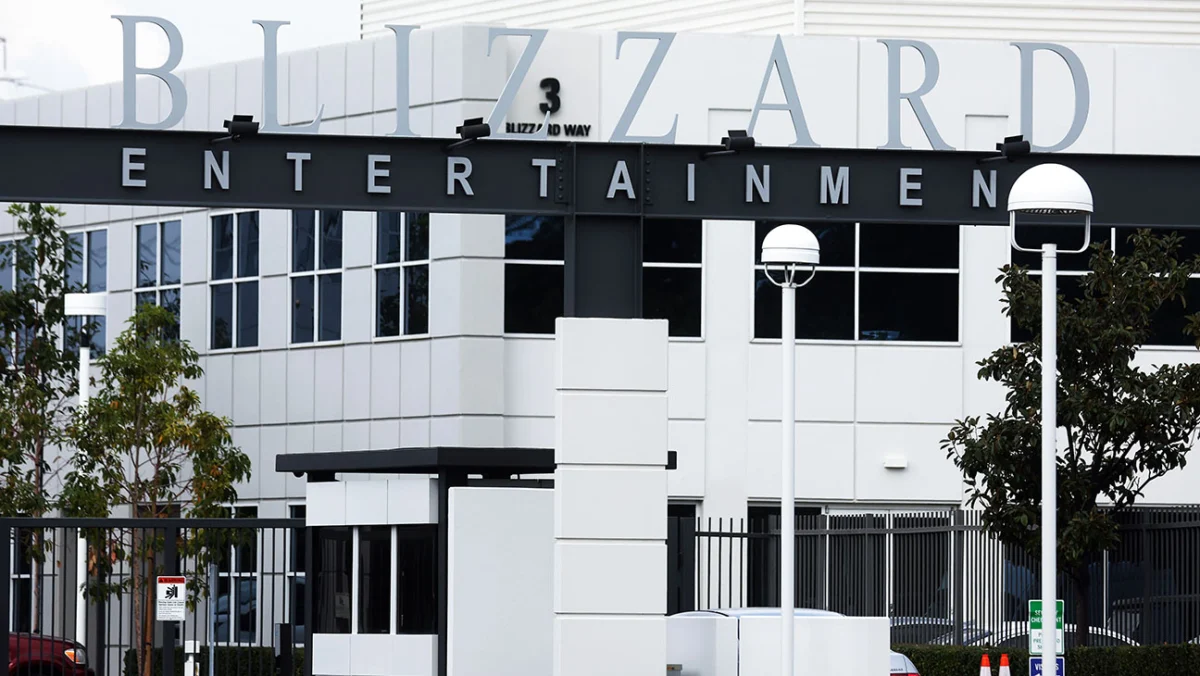
Workers at Blizzard Entertainment, the renowned developer behind iconic gaming franchises such as World of Warcraft, Diablo, and Overwatch, have officially ratified their first-ever union contracts. This significant milestone, achieved after approximately two years of intensive negotiations, marks a new chapter for labor relations within one of the gaming industry’s most prominent studios. The agreements, confirmed on Tuesday evening, encompass a workforce of roughly 1,900 employees across Blizzard’s game development and shared services divisions. This includes individuals contributing to critically acclaimed titles like World of Warcraft, Hearthstone, Warcraft Rumble, Overwatch, and the Diablo series, as well as those in quality assurance, platform and technology, and story and franchise development teams.
Key Provisions and Worker Protections
The newly ratified contracts introduce a comprehensive set of provisions designed to enhance employee welfare and professional stability. According to the Communications Workers of America (CWA), the union representing these Blizzard Entertainment workers in collective bargaining, the agreements include substantial wage increases, clearly defined grievance procedures, and robust "just cause" disciplinary protections. These measures aim to ensure fair treatment and a more equitable workplace environment for all unionized employees.
Beyond foundational labor rights, the contracts also establish a three-day in-office work week policy, providing a framework for hybrid work arrangements. A significant provision addresses job security by offering employees who have been laid off the opportunity to be "recalled" to an open position within 14 months of their exit announcement. Furthermore, the severance packages for laid-off employees have been enhanced, now including an additional four weeks of pay. Crucially, the agreements also mandate that any future implementation or use of Artificial Intelligence (AI) in the workplace will be subject to bargaining between the union and the company, reflecting a forward-looking approach to technological integration.
A Two-Year Journey to Agreement
The path to these ratified contracts has been a protracted one, spanning roughly two years since the union’s formation. The initial steps toward unionization at Blizzard gained momentum in late 2021 and early 2022, driven by a growing desire among employees for a stronger collective voice in addressing workplace concerns. These concerns were amplified by a series of reports detailing allegations of a toxic work culture, discrimination, and harassment at Activision Blizzard, the parent company of Blizzard Entertainment, which was acquired by Microsoft in October 2023.
The formation of the Blizzard Albany union, representing quality assurance and customer service workers, was a precursor to broader organizing efforts. The CWA has been instrumental in supporting these workers, facilitating discussions and negotiations with management. The protracted nature of the negotiations underscores the complexities of establishing new labor agreements in a dynamic and often fast-paced industry like video game development.
Worker Perspectives and Hopes for the Future
Employees involved in the bargaining process have expressed a sense of accomplishment and optimism regarding the newly ratified contracts. Daniel Weltz, a principal software engineer and a member of the bargaining committee, shared his perspective, stating, "I’ve been at Blizzard for 20 years because I love this company and the amazing people I work with. This contract secures a lot of what people already love about working here while adding strong protections around layoffs, job security, and remote work." Weltz further emphasized the historical significance of this achievement, adding, "Blizzard helped shape the gaming industry, and I’m proud that this contract allows us to continue setting new standards for this work."
Simon Hedrick, a quality analyst and another bargaining committee member, echoed these sentiments, characterizing the contract as "the beginning of a new era at Blizzard Entertainment." He articulated the broader aspirations of the union, stating, "I look forward to the day that everyone in the industry can enjoy the protections that this contract affords us, like increased severance and recall rights in the event of a layoff and the ability to grieve injustices in the workplace." These statements highlight a desire not only for improved conditions at Blizzard but also for the establishment of a precedent that could positively influence labor practices across the entire gaming sector.
The Shadow of Layoffs and Microsoft’s Influence
The issue of layoffs loomed large during the negotiation process, significantly influencing the priorities of the unionized workers. In July of the previous year, Microsoft, which was in the process of acquiring Activision Blizzard at the time, announced substantial job cuts, eliminating approximately 3,200 roles across its Xbox division. This restructuring served as a stark reminder of the precariousness of employment in the tech and gaming industries and galvanized workers to seek stronger protections against such actions. The CWA highlighted that this news was a direct motivator for making layoff protections a central focus during the negotiations.
The subsequent completion of Microsoft’s acquisition of Activision Blizzard in October 2023, a deal valued at $68.7 billion, introduced another layer of context. While the acquisition was finalized after the initial stages of contract negotiations, it undoubtedly shaped the broader landscape in which these discussions took place. The integration of Activision Blizzard into Microsoft’s gaming empire, which already includes Xbox Game Studios and Bethesda Softworks, has led to significant organizational changes. The ratified contracts at Blizzard Entertainment represent one of the first tangible outcomes of labor organizing within this newly expanded corporate structure, setting an early benchmark for employee relations under Microsoft’s ownership.
Broader Implications for the Gaming Industry
The ratification of these union contracts at Blizzard Entertainment carries significant implications beyond the studio’s walls. It represents a crucial victory for the burgeoning labor movement within the video game industry, which has seen increasing calls for unionization in recent years. As more game developers and support staff seek to address issues such as crunch time, inadequate compensation, job security, and workplace culture, the Blizzard agreement could serve as a powerful catalyst for similar organizing efforts at other studios.
The inclusion of provisions related to AI bargaining is particularly noteworthy. As AI technologies become increasingly sophisticated and integrated into creative processes, the question of how these tools will impact jobs and intellectual property rights is a growing concern for workers across various industries. The Blizzard contract’s mandate for union consultation on AI implementation is a proactive step in ensuring that technological advancements do not come at the expense of worker rights and job security.
The established three-day in-office work week also reflects a broader trend and ongoing debate within the corporate world regarding the future of work. While some companies are pushing for a full return to the office, others are embracing hybrid models that offer greater flexibility. The union’s success in negotiating this framework at Blizzard suggests that employee demand for flexible work arrangements can be a powerful negotiating point.
Looking Ahead: A New Era of Labor Relations
The journey from initial organizing to ratified contracts has been a testament to the perseverance and collective action of Blizzard Entertainment employees. The CWA has hailed the agreement as a landmark achievement, underscoring its commitment to advocating for workers’ rights in the tech and gaming sectors.
While The Hollywood Reporter reached out to Blizzard Entertainment for an official comment, no direct statement from the company regarding the contract ratification was immediately available at the time of reporting. However, the company’s participation in the negotiation process and the eventual agreement indicate a willingness to engage with its employees’ collective bargaining representatives.
The coming months and years will be crucial in observing how these new contractual provisions are implemented and how they shape the day-to-day experience of Blizzard Entertainment workers. Furthermore, the success of this organizing effort is likely to embolden other groups of workers within the gaming industry who are seeking to establish their own unions and secure more equitable working conditions. The ratification of these contracts at Blizzard Entertainment is not merely an internal victory for the studio’s employees; it is a significant development that could influence the trajectory of labor relations across the entire global video game industry.