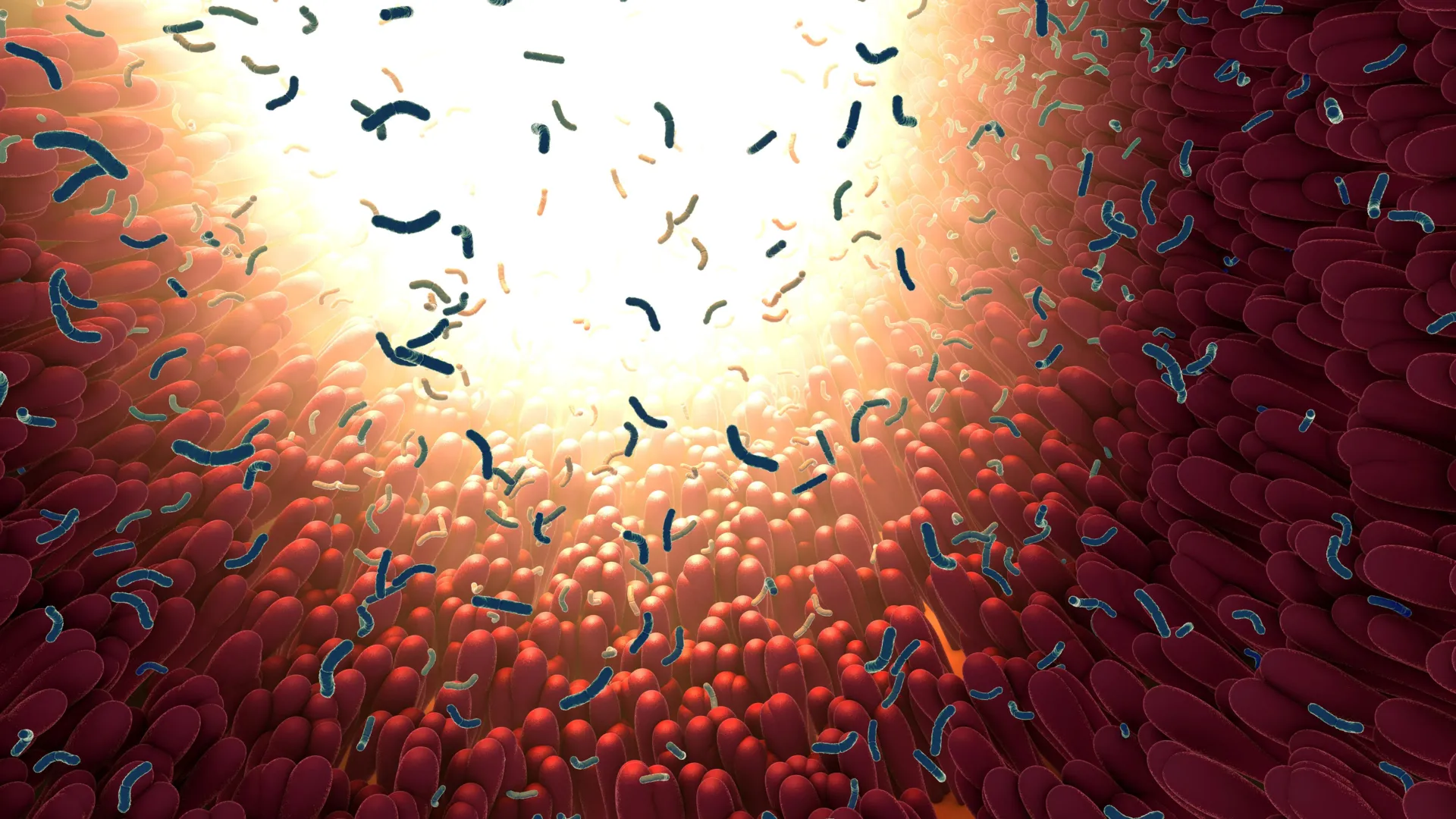
The human gut, a teeming ecosystem harboring trillions of microorganisms, plays a pivotal role in digestion, immune defense, and metabolic processes. For decades, scientific understanding of this intricate microbiome has largely been categorized by bacterial species. However, groundbreaking research led by the University of Vienna has shattered this paradigm, revealing that many common gut bacterial species are, in fact, composed of multiple, evolutionarily distinct populations, each uniquely adapted to specific microenvironments within the gut. This discovery, published in the prestigious journal Nature, has profound implications for our understanding of health, disease, and the future of microbiome-based medicine.
The Limits of Species-Centric Microbiome Research
Traditionally, the vast majority of microbiome studies have classified bacteria at the species level or by broad genetic similarities. While these classifications have provided a foundational understanding of microbial communities, they often mask crucial evolutionary divergences within what is considered a single species. This oversimplification can obscure the true drivers of health and disease, making it challenging to discern which bacteria are truly beneficial, which are benign bystanders, and which are actively contributing to pathological conditions.
"Most microbiome research groups bacteria by species or by broad genetic similarity. These categories are useful, but they can overlook important differences between populations that have adapted to different environments within the human body," explains Xiaoqian Annie Yu, lead author of the study and a researcher at the University of Vienna’s Centre for Microbiology and Environmental Systems Science (CeMESS). "That can make it difficult to determine which bacteria are genuinely associated with disease, which are simply present by coincidence, and which may have protective effects."
The research team posed a critical question: could a more biologically meaningful approach to classifying gut bacteria be achieved by identifying evidence of adaptation and specialization within the gut’s diverse niches? Their innovative methodology, termed ‘reverse ecology,’ sought to answer this very question.
Reverse Ecology: Decoding Evolution Through Genetic Signatures
The core of the University of Vienna’s breakthrough lies in the application of ‘reverse ecology,’ an analytical strategy that leverages genomic information to infer evolutionary adaptations to specific environments. By examining thousands of bacterial isolates collected from the human gut, alongside extensive metagenomic data from diverse populations across multiple countries and age groups, the researchers were able to trace the evolutionary history of these microbial inhabitants. Metagenomic data, which encompasses the complete genetic blueprint of microbial communities, provided a rich source of information for their analysis.
"The goal was to identify genetic signatures showing that certain bacterial populations had successfully adapted to specific ecological niches inside the gut," stated Yu. The team focused on identifying patterns indicative of selective pressures and evolutionary divergence.
A key clue emerged from the analysis of ‘genome-wide selective sweeps.’ These evolutionary events occur when a beneficial mutation provides a significant advantage to an individual bacterium, leading to its rapid proliferation and dominance over closely related individuals. Such sweeps reduce genetic diversity within the successful population, paradoxically making it easier to distinguish from neighboring, distinct populations that have adapted to different conditions.
Uncovering Hidden Lineages and Their Health Associations
The meticulous analysis revealed a startling reality: many of the most familiar gut bacterial species are not monolithic entities but rather comprise several distinct evolutionary lineages. These identified populations exhibit specialized adaptations that make them better suited to particular conditions within the complex gut environment.
"If you don’t just count species but take evolutionary adaptation into account, you can identify the biologically relevant units in the microbiome much more accurately," Yu emphasized. "Even within the same bacterial species, some populations occur more frequently than others in certain diseases. When all are considered together, this often remains hidden."
Crucially, the study found that some of these hidden lineages were significantly associated with specific health conditions. These associations included advanced age, chronic inflammatory bowel diseases (IBD) such as Crohn’s disease and ulcerative colitis, colorectal cancer, and type 2 diabetes. This finding suggests that specific evolutionary adaptations within a bacterial species, rather than the species as a whole, may be the true culprits or contributors to these debilitating diseases. For example, a specific lineage of Bacteroides fragilis might be implicated in driving inflammation in IBD, while another lineage of the same species could be neutral or even beneficial.
The Global Spread of Specialized Gut Bacteria
Beyond uncovering hidden diversity, the research also shed light on the dynamic nature of gut bacteria. The study provided compelling evidence that highly competitive bacterial populations can spread rapidly across vast geographical distances, a phenomenon previously observed primarily in pathogenic bacteria. In some instances, these well-adapted strains appear to have expanded their reach across continents within a matter of decades.
"Our findings show that gut bacteria are also more dynamic than previously thought. Well-adapted strains can spread internationally and occupy new ecological niches," commented study leader Martin F. Polz from the University of Vienna. This global dissemination suggests that factors beyond individual diet, medication, and lifestyle may be at play in shaping the composition of the human gut microbiome. Interpersonal transmission, perhaps through direct contact or shared environments, could be a significant force driving the establishment and spread of specific, evolutionarily successful bacterial populations.
This finding challenges the long-held assumption that the gut microbiome is primarily shaped by a person’s immediate environment and personal habits. The discovery of rapid, intercontinental spread among commensal gut bacteria implies a more interconnected microbial world, where successful adaptations can transcend borders and become globally prevalent.
Implications for Precision Microbiome Medicine
The implications of this research are far-reaching, particularly for the burgeoning field of microbiome-based diagnostics and therapeutics. By moving beyond species-level classification to identify distinct, evolutionarily adapted bacterial populations, scientists can now aspire to a level of precision previously unattainable.
"The discovery could change how researchers connect gut bacteria with disease," states the study. "Instead of treating an entire bacterial species as a single unit, scientists may eventually be able to focus on the specific populations that are most relevant to health."
This enhanced precision holds the promise of developing more accurate microbiome biomarkers. Currently, identifying reliable biomarkers for diseases like IBD or type 2 diabetes is an ongoing challenge. By targeting specific bacterial lineages associated with these conditions, diagnostic tests could become more sensitive and specific, leading to earlier and more accurate diagnoses.
Furthermore, this granular understanding could pave the way for highly targeted therapies. Instead of broad-spectrum antibiotics that can disrupt the entire microbiome, future treatments might aim to selectively suppress detrimental bacterial populations while simultaneously promoting the growth of beneficial ones. This could involve novel probiotic formulations, phage therapies tailored to specific bacterial lineages, or even precisely engineered molecules that disrupt the viability or function of harmful strains.
For instance, a treatment for colorectal cancer might focus on eradicating a specific, pro-tumorigenic lineage of Fusobacterium nucleatum, while leaving other, beneficial Fusobacterium populations unharmed. Similarly, for type 2 diabetes, therapies could be designed to reduce the abundance of a particular glucose-metabolizing bacterial lineage implicated in insulin resistance.
The researchers are not resting on their laurels. Their next steps involve a detailed investigation into the specific genes that differentiate these bacterial populations and the precise biological functions that these genetic variations confer. Understanding the molecular mechanisms behind these adaptations will be crucial for translating these findings into tangible clinical applications.
Background and Context: A Growing Field of Research
The human microbiome, the collection of all microorganisms living in and on the human body, has been a subject of intense scientific scrutiny for the past two decades. The Human Microbiome Project, launched in 2007, was a pivotal initiative that aimed to catalog the microbial inhabitants of the human body. This project, along with numerous subsequent studies, has consistently highlighted the critical role of the gut microbiome in maintaining overall health.
Disruptions to the microbiome, often referred to as dysbiosis, have been linked to a wide array of diseases, including obesity, autoimmune disorders, neurological conditions, and even mental health issues. However, pinpointing the precise microbial culprits and their mechanisms of action has remained a significant challenge.
The University of Vienna’s research represents a significant leap forward in addressing this complexity. By employing a sophisticated analytical framework, they have provided empirical evidence that microbial diversity operates at a much finer resolution than previously appreciated. This nuanced view is essential for unlocking the full therapeutic potential of the microbiome.
Expert Reactions and Future Outlook
While direct comments from external parties are not available within the provided text, the publication of this research in Nature, a leading scientific journal, indicates a high level of peer validation and scientific significance. Experts in the field of microbiology and gastroenterology are likely to view these findings as a paradigm shift, prompting a re-evaluation of existing research methodologies and therapeutic strategies.
The long-term implications suggest a future where microbiome analysis is not just about identifying the presence of certain species but about understanding the functional capabilities of specific, evolutionarily distinct bacterial lineages. This will require the development of new computational tools and analytical techniques capable of dissecting microbial communities at this unprecedented level of detail.
The journey from discovery to clinical application is often a lengthy one, but the insights gained from this study provide a clear roadmap. The ability to differentiate between beneficial and detrimental bacterial populations within a single species opens up a vast new frontier for therapeutic intervention, promising a future of more precise and effective treatments for a multitude of diseases. The hidden lineages within our gut bacteria are no longer hidden, and their revelation heralds a new era in our understanding and manipulation of this vital internal ecosystem.