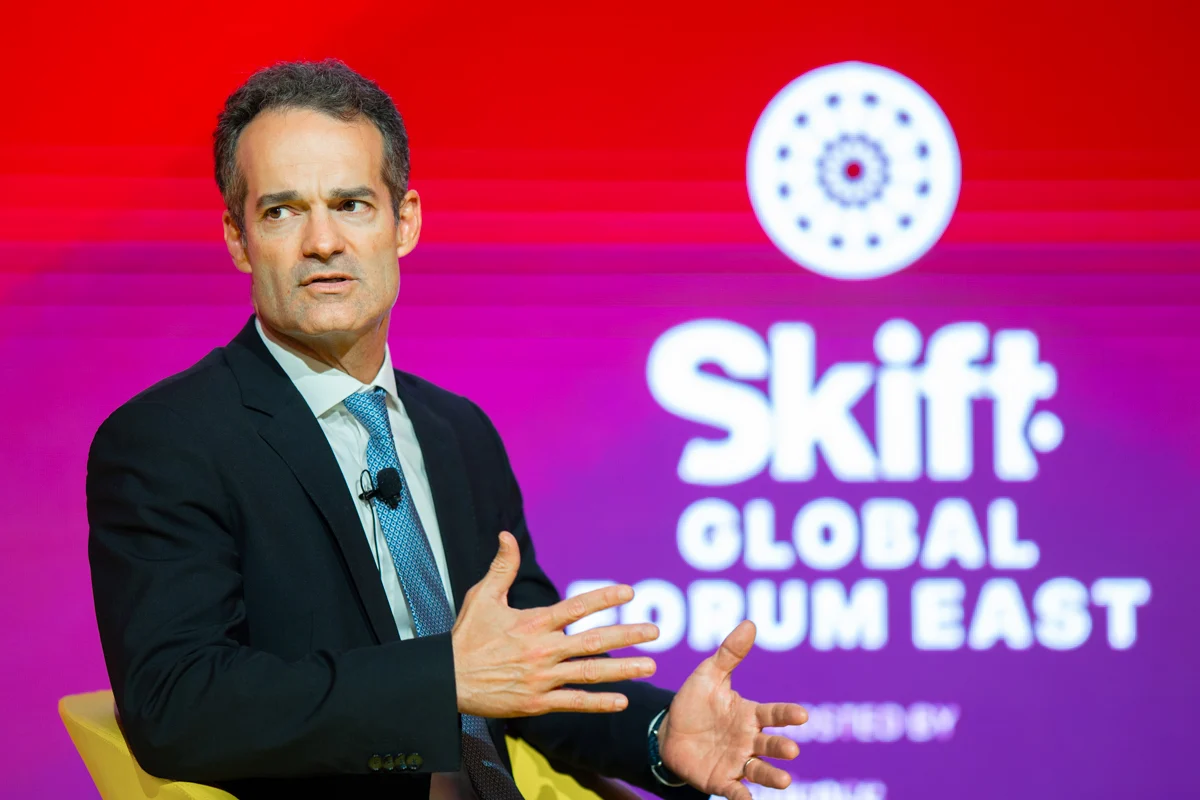
Etihad Airways is embarking on an aggressive phase of network expansion, positioning Africa and China as the primary engines of its growth strategy for 2025 and beyond. Despite a robust recovery and record-breaking passenger numbers, the Abu Dhabi-based carrier has identified a significant bottleneck in its medium-term ambitions: the global shortage of widebody aircraft. In a recent exclusive interview following the unveiling of the airline’s "Beyond Borders" cabin and service experience, Etihad CEO Antonoaldo Neves revealed that the airline’s current capacity could be substantially larger if not for industry-wide delivery delays and supply chain constraints. Neves noted that the airline could have utilized at least 15 additional widebody aircraft today to meet surging global demand, marking a pivotal moment in the carrier’s transition from a period of restructuring to one of rapid, hub-centric scaling.
The Strategic Shift: From Restructuring to Rapid Scaling
The current trajectory of Etihad Airways marks a departure from the "boutique" strategy it adopted during its mid-2010s restructuring phase. Under the leadership of Antonoaldo Neves, the airline has refocused its mission on building Abu Dhabi into a premier global connecting hub, directly competing with regional giants such as Emirates and Qatar Airways. This "Etihad 2030" strategy aims to double the airline’s fleet and triple its passenger numbers by the end of the decade.
Over the past three years, Etihad has successfully doubled its seat capacity, a feat achieved through a combination of bringing grounded aircraft back into service—including the iconic Airbus A380—and optimizing existing flight schedules. However, the next phase of growth requires new metal. Neves emphasized that his primary mandate is to "add seats," a goal that is currently being hampered by the inability of manufacturers to deliver aircraft on schedule. This constraint is not unique to Etihad; the entire aviation industry is grappling with Boeing’s production delays and Airbus’s supply chain hurdles, which have left many carriers with older fleets or missed growth opportunities.
Africa and China: The Twin Pillars of 2025 Growth
Etihad’s identification of Africa and China as its most significant growth markets is a calculated move based on shifting geopolitical and economic landscapes. Africa remains one of the most underserved aviation markets globally, with a rapidly growing middle class and increasing trade ties with the Middle East and Asia. Etihad plans to leverage its geographic position in Abu Dhabi to capture a larger share of the transit traffic between Africa and the rest of the world.
In China, the airline is capitalizing on the post-pandemic recovery of outbound travel. While some Western carriers have scaled back their Chinese operations due to various operational challenges, Etihad is doubling down. The strengthening of diplomatic and economic ties between the United Arab Emirates and China has created a favorable environment for increased flight frequencies and new destination launches. The airline views China not just as a source of tourism, but as a critical node in its global cargo and business travel network.
The Widebody Constraint: A Global Industry Crisis
The CEO’s admission that the airline is missing 15 widebodies highlights the severity of the global aircraft shortage. For an airline like Etihad, which relies heavily on long-haul connectivity, widebody aircraft—such as the Boeing 787 Dreamliner, the Airbus A350, and the Boeing 777—are the lifeblood of the operation.
Several factors contribute to this medium-term constraint:
- Boeing Delivery Delays: Issues with the 777X program and production pauses on the 787 have left many carriers without the capacity they ordered years ago.
- Airbus Supply Chain Issues: While Airbus has fared slightly better, it still faces challenges in scaling up production of the A350 due to shortages in specialized components and engines.
- Engine Maintenance Turnaround: Global issues with Pratt & Whitney and Rolls-Royce engines have led to longer maintenance cycles, effectively grounding portions of existing fleets.
For Etihad, these 15 missing aircraft represent thousands of potential flights and millions in lost revenue. To mitigate this, the airline has been forced to be highly selective in its route launches, prioritizing high-yield markets while delaying entries into secondary cities that would otherwise be viable.
Chronology of Etihad’s Recent Evolution
To understand the current expansion, it is necessary to look at the timeline of Etihad’s recent strategic pivots:
- 2017–2021: The Transformation Years. Etihad underwent a massive restructuring to stabilize its finances after several years of losses. This involved downsizing the fleet and exiting several equity partnerships with other airlines.
- 2022: The Return to Profitability. Following the pandemic, Etihad reported a record core operating profit, signaling the success of its turnaround plan.
- Late 2022: Appointment of Antonoaldo Neves. The former TAP Air Portugal CEO took the helm with a clear mandate to transition from stability to growth.
- 2023: The Hub Strategy Re-imagined. The airline focused on the "Abu Dhabi 2030" vision, emphasizing the role of the new Zayed International Airport (Terminal A) as a world-class transit point.
- 2024: "Beyond Borders" Launch. The introduction of a new cabin experience and service philosophy aimed at enhancing the premium offering while maintaining operational efficiency.
- 2025 (Projected): The African and Chinese Push. The planned launch of several new routes and increased frequencies to key hubs in these regions.
Data Analysis: The Numbers Behind the Expansion
The scale of Etihad’s ambition is reflected in its operational data. Currently, the airline operates a fleet of approximately 92 aircraft, including Boeing 787s, 777s, Airbus A350s, A380s, and A320 family aircraft. By 2030, the goal is to expand this fleet to over 150 aircraft.
In terms of passenger volume, Etihad carried roughly 14 million passengers in 2023. To meet its 2030 targets, that number must rise to approximately 33 million. The focus on Africa and China is essential to meeting these figures. Africa’s aviation market is projected to grow by 5.4% annually over the next two decades, while China’s international travel sector is expected to return to its pre-pandemic status as the world’s largest source of tourism spend by late 2025.
The lack of 15 widebody aircraft is particularly impactful when considering seat-kilometer metrics. A single Boeing 787-9 can provide approximately 290 seats per flight. Over a year of daily operations, 15 such aircraft would add over 3 million seats to the network. This missing capacity represents nearly 10% of the airline’s total long-term growth target.
Official Responses and Market Reactions
Industry analysts have reacted positively to Etihad’s focused growth strategy, though many express concern regarding the aircraft delivery timelines. Aviation consultant John Strickland noted that Etihad’s "pragmatic approach" to growth—focusing on hubs where they have a competitive advantage—is more sustainable than its previous strategy of aggressive equity investments.
Sources within the Abu Dhabi Department of Culture and Tourism have expressed support for the airline’s expansion, noting that increased connectivity to China and Africa aligns with the emirate’s broader economic diversification goals. "Etihad is the primary engine for Abu Dhabi’s tourism sector," a representative stated anonymously. "Every new seat added to the network is a potential visitor to the UAE."
Meanwhile, Boeing and Airbus have both issued general statements acknowledging the frustrations of their customers. While neither manufacturer commented specifically on Etihad’s 15-aircraft deficit, they have reaffirmed their commitment to stabilizing production lines and clearing backlogs by the 2026-2027 period.
The "Beyond Borders" Experience: A Competitive Edge
To differentiate itself in a crowded market, Etihad recently launched its "Beyond Borders" initiative. This is not just a cabin refresh but a holistic overhaul of the passenger experience designed to attract high-value travelers from China and the emerging corporate class in Africa. The new interiors focus on privacy, comfort, and a "sense of place" that reflects Abu Dhabi’s heritage.
Neves highlighted that even with aircraft constraints, the quality of the product must remain a priority. By upgrading the interiors of existing aircraft and ensuring new deliveries feature the "Beyond Borders" design, Etihad aims to maintain a premium price point even as it scales its operations. This move is seen as a direct response to the luxury offerings of Emirates and the award-winning Qsuite of Qatar Airways.
Broader Implications for the Global Aviation Landscape
Etihad’s struggle with aircraft availability is a microcosm of a larger trend affecting the global economy. The "widebody gap" is forcing airlines to extend the lives of older, less fuel-efficient aircraft, which in turn complicates the industry’s commitment to achieving net-zero carbon emissions by 2050.
Furthermore, Etihad’s pivot toward Africa and China suggests a shift in the center of gravity for global aviation. As traditional Western markets reach saturation and face environmental regulatory pressures, the "Global South" and East Asia represent the last great frontiers for massive capacity expansion. Etihad’s ability to secure aircraft and navigate the complex regulatory environments of African nations will determine whether it can successfully challenge the dominance of other "Super-Connectors" in the region.
As 2025 approaches, Etihad Airways finds itself in a race against time and supply chains. The demand for its services is evident, and its strategic roadmap is clear. However, the success of its expansion into Africa and China will ultimately depend on how quickly it can fill the 15-aircraft void and whether the global aerospace industry can finally keep pace with the ambitions of the world’s fastest-growing carriers.