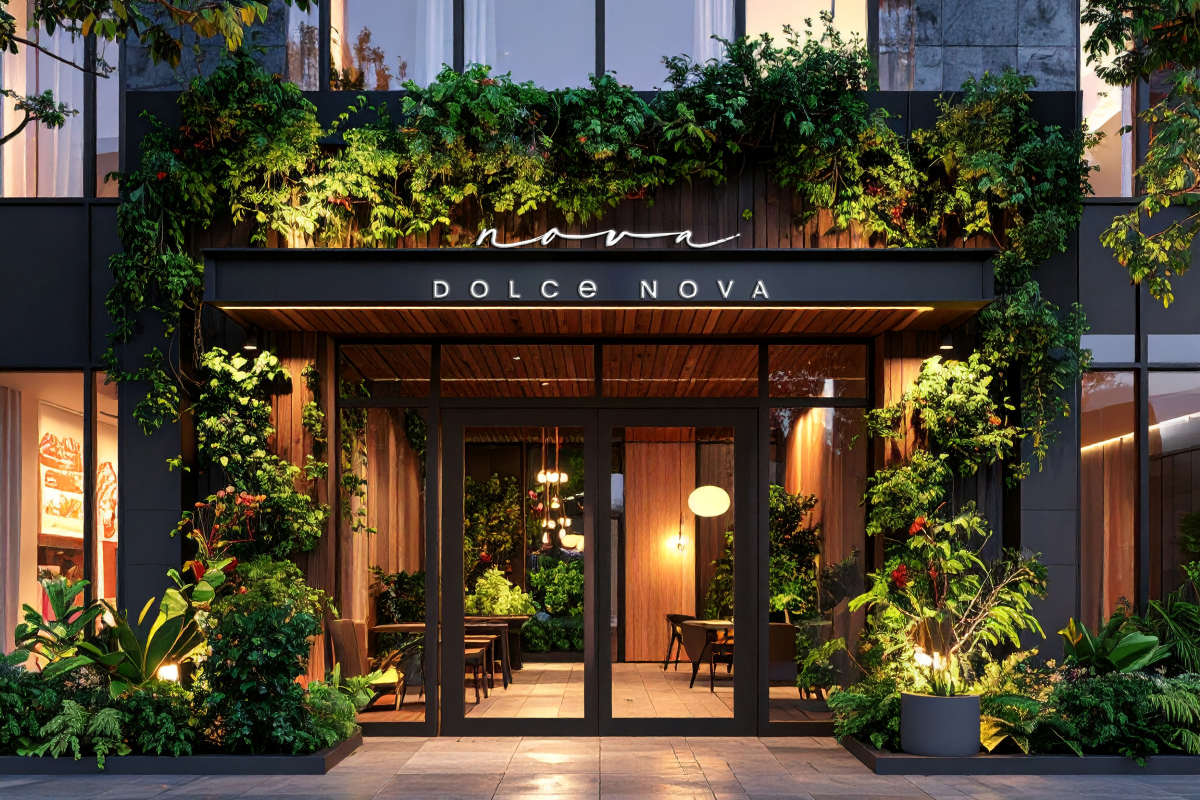
Wyndham Hotels & Resorts has officially announced the launch of Dolce Nova, a strategic boutique extension of its established Dolce Hotels & Resorts brand, marking a significant evolution in the company’s approach to the upper-upscale hospitality segment. The unveiling took place at the Annual Hospitality Conference (AHC) in Manchester, United Kingdom, where industry leaders gathered to discuss the shifting dynamics of the European hotel market. This new brand concept represents a milestone for the hospitality giant, as it is the first brand identity to be conceived and developed entirely by Wyndham’s Europe, Middle East, Eurasia, and Africa (EMEA) team.
The introduction of Dolce Nova signals a departure from Wyndham’s traditional growth strategy, which has historically relied heavily on the acquisition of existing brands to expand its global footprint. Of the 25 brands currently under the Wyndham umbrella, 20 were integrated through corporate acquisitions. The decision to develop an internal extension rather than pursuing a new purchase reflects a tactical shift toward organic innovation and brand diversification. Dimitris Manikis, President of Wyndham Hotels & Resorts for the EMEA region, emphasized that the creation of Dolce Nova allows the company to leverage the existing equity of the Dolce name while tailoring a product specifically for a modern, design-conscious demographic that the company has not traditionally targeted.
Strategic Shift from Corporate MICE to Social Lifestyle
The original Dolce Hotels & Resorts brand, which Wyndham acquired in 2015 for approximately $57 million, has long been recognized as a leader in the Meetings, Incentives, Conferences, and Exhibitions (MICE) sector. Standard Dolce properties typically feature a large footprint, often ranging from 200 to 400 rooms, with extensive facilities designed for large-scale corporate events and professional gatherings. While this model has proven successful in suburban and resort locations, it often lacks the agility required for dense urban environments or the aesthetic appeal sought by contemporary leisure travelers.
Dolce Nova is designed to fill this gap. Positioned in the upper-upscale "boutique" category, the extension focuses on a "social-first" philosophy. Unlike its parent brand, which prioritizes functional conference spaces, Dolce Nova emphasizes high-end design, curated guest experiences, and a vibrant atmosphere intended to attract both local residents and international travelers. This shift is intended to capture the "bleisure" market—travelers who combine business trips with extended leisure stays—as well as the growing segment of younger, affluent guests who prioritize local authenticity and aesthetic distinction over standardized corporate amenities.
The Genesis of an In-House Brand Concept
The development of Dolce Nova by the EMEA team is a notable development for a company headquartered in Parsippany, New Jersey. This regional origin is indicative of the specific market pressures and opportunities present in the European and Middle Eastern hospitality sectors. In these regions, independent boutique hotels hold a significant market share compared to the United States, where branded chains dominate. By creating a brand that offers the character of an independent boutique hotel with the back-end support of a global distribution system, Wyndham aims to attract hotel owners who might otherwise be wary of traditional, rigid franchise models.
During the announcement in Manchester, Manikis noted the financial and operational logic behind the move. He questioned the necessity of high-capital acquisitions when the internal expertise exists to evolve current assets. By extending the Dolce brand, Wyndham can utilize its existing infrastructure, loyalty programs, and global sales teams to support the new concept without the integration hurdles often associated with absorbing a completely separate corporate entity.
Historical Context: Wyndham’s Acquisition and Growth Timeline
To understand the significance of Dolce Nova, one must look at the trajectory of Wyndham’s portfolio over the last decade. Wyndham has been one of the most aggressive consolidators in the hotel industry, focusing on a volume-based strategy that has made it the world’s largest hotel franchising company by number of properties, with over 9,200 hotels across more than 95 countries.
- 2015: Wyndham acquires Dolce Hotels & Resorts, gaining a foothold in the high-end group and meeting space.
- 2017: The company acquires AmericInn for $170 million to strengthen its midscale presence in the U.S. Midwest.
- 2018: Wyndham completes the $1.95 billion acquisition of La Quinta, one of the largest deals in its history, significantly boosting its midscale and upper-midscale inventory.
- 2022: The company launches "ECHO Suites Extended Stay by Wyndham," a new-construction brand aimed at the booming extended-stay market.
- 2022: Wyndham acquires the Vienna House brand for $44 million, adding a significant European lifestyle portfolio.
- 2024: The launch of Dolce Nova marks the first major brand extension developed internally by the EMEA division.
This timeline illustrates a transition from mass-market budget and midscale dominance toward a more nuanced, segmented approach that includes lifestyle, luxury, and boutique offerings.
Supporting Data and Market Dynamics
The launch of Dolce Nova comes at a time when the upper-upscale and lifestyle segments are outperforming the broader hotel market in terms of Revenue Per Available Room (RevPAR) growth. According to industry data from STR, lifestyle brands have seen a faster recovery in occupancy rates post-pandemic compared to traditional corporate-focused hotels. In Europe specifically, the demand for "experience-driven" lodging has led to a surge in boutique hotel developments in secondary and tertiary cities.
Wyndham’s internal data highlights the power of its distribution network as a primary selling point for the new brand. The Wyndham Rewards program now boasts over 100 million enrolled members. For a boutique brand like Dolce Nova, integration into this loyalty ecosystem provides an immediate competitive advantage over independent boutique hotels, which often struggle with high customer acquisition costs. Furthermore, Wyndham’s global pipeline currently includes approximately 245,000 rooms, with a significant portion of new signings occurring in the international market, particularly in the EMEA region.
Official Responses and Industry Implications
The reaction from the investment and development community at the Annual Hospitality Conference was largely focused on the flexibility of the Dolce Nova model. Property owners are increasingly looking for "soft brand" or "extension" options that allow them to maintain a unique architectural and interior identity while benefiting from a major brand’s procurement power and reservation systems.
Industry analysts suggest that Dolce Nova is a direct response to similar moves by competitors. Marriott’s Autograph Collection and IHG’s Voco have successfully captured the conversion market—properties that are already operating but wish to affiliate with a global brand. Dolce Nova appears to be Wyndham’s answer to this trend within the upper-upscale space, providing a framework for owners of high-quality, smaller-scale assets to join the Wyndham system under a sophisticated, design-led banner.
The "restraint" mentioned by Skift Take refers to the necessity for Wyndham to avoid its usual "scale at all costs" mentality with Dolce Nova. Boutique brands rely on exclusivity and a sense of place; if the brand is rolled out too rapidly or with too much standardization, it risks losing the very "boutique" appeal that defines it.
Broader Impact on the EMEA Hospitality Landscape
The introduction of Dolce Nova is expected to have a ripple effect across the EMEA hospitality landscape. First, it strengthens Wyndham’s competitive position against European-based giants like Accor, which has traditionally dominated the lifestyle and boutique sectors in the region. By empowering the regional EMEA team to lead the brand’s development, Wyndham is ensuring that the product resonates with local cultural nuances and traveler expectations in cities like Paris, Berlin, Dubai, and Istanbul.
Furthermore, the launch reflects a broader trend of "brand proliferation" in the hotel industry. As travelers become more specific in their preferences, large hotel groups are forced to create niche sub-brands to ensure they have a product for every possible "stay occasion." Whether it is a three-day corporate retreat (Dolce) or a stylish weekend getaway in an urban center (Dolce Nova), Wyndham is positioning itself to capture the full spectrum of traveler spend.
As the brand begins its rollout, the industry will be watching closely to see the first converted or newly built Dolce Nova properties. The success of the brand will likely be measured not just by room count, but by its ability to command higher Average Daily Rates (ADR) and attract a younger, more lifestyle-oriented demographic into the Wyndham ecosystem. For Wyndham, Dolce Nova is more than just a new name; it is a test of the company’s ability to innovate from within and compete in the high-stakes world of luxury and design-led hospitality.