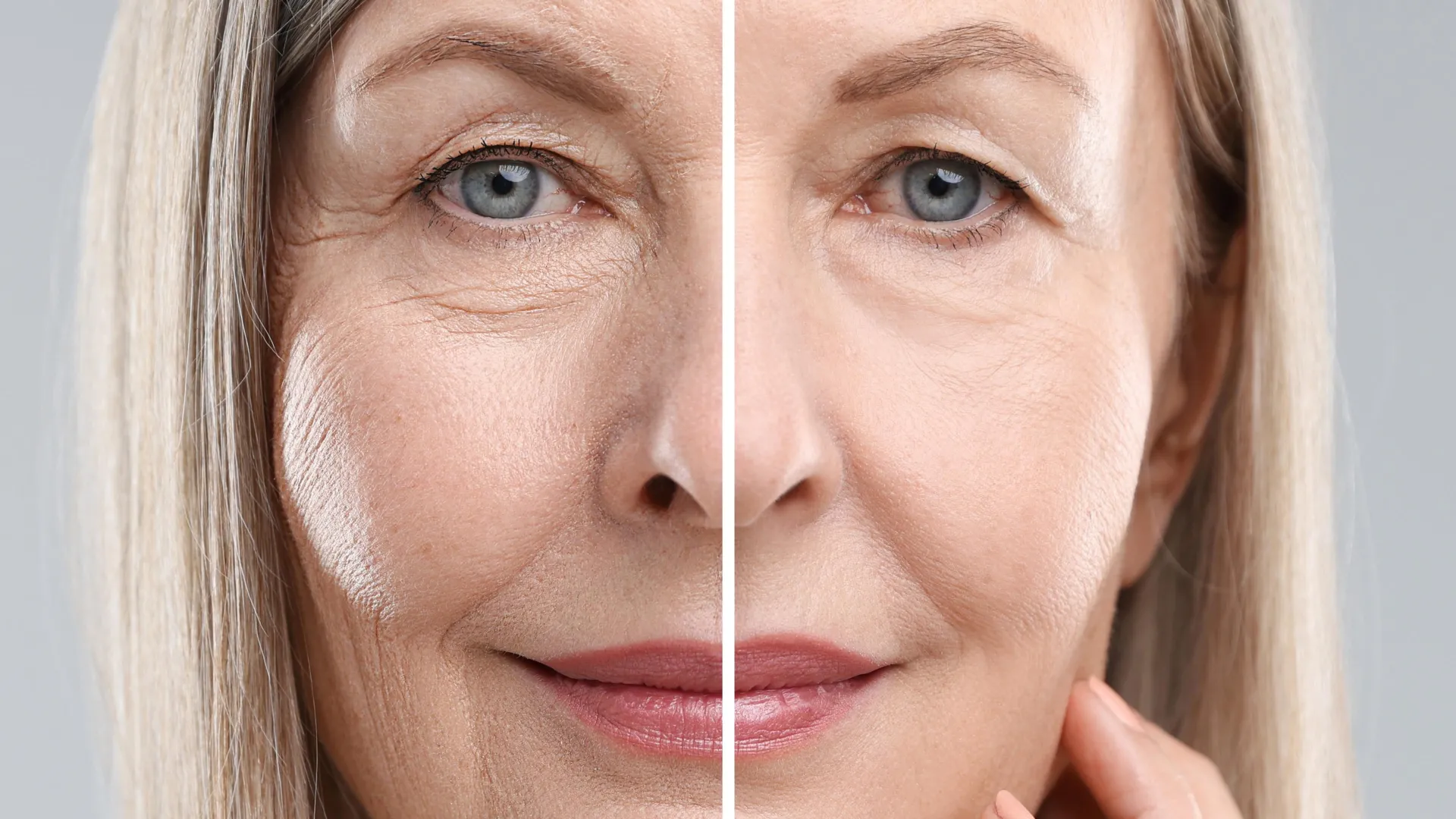
New research emerging from the University of Sydney suggests that older adults may possess a remarkable capacity to influence key indicators of aging within a surprisingly short timeframe, simply by making targeted changes to their dietary habits. A recent study, published in the esteemed journal Aging Cell, has unveiled findings that could significantly alter our understanding of dietary interventions in promoting healthier aging. The investigation, spearheaded by Dr. Caitlin Andrews of the University of Sydney’s School of Life and Environmental Sciences, focused on Australians aged 65 to 75 and revealed that a reduction in either dietary fat or animal-based protein led to demonstrable signs of a lower biological age after a mere four weeks. Biological age, distinct from chronological age, is a sophisticated measure that estimates the physiological condition and health of an individual’s body, offering a more nuanced perspective on the aging process than simply counting years.
While these preliminary results point towards a rapid impact of dietary modifications on aging-related health markers, the research team emphasizes the need for caution and further investigation. They underscore that these findings represent an early signal, and longer-term studies are crucial to ascertain the persistence of these changes, their efficacy in reducing the risk of age-related diseases, and their applicability to different age groups and populations. The study’s implications, though nascent, are profound, hinting at accessible and potentially swift pathways to enhance healthspan in later life.
Understanding Biological Age: A Deeper Look at the Body’s True Age
The concept of biological age offers a compelling counterpoint to chronological age, acknowledging that the aging process is not uniform across individuals. While everyone progresses through life at the same chronological pace, their bodies may exhibit vastly different rates of physiological decline. This disparity can manifest as significant variations in cardiovascular health, metabolic function, inflammatory responses, and a multitude of other physiological indicators that reflect how efficiently and effectively the body is operating. These individual differences are instrumental in explaining why some individuals maintain robust health and resilience well into their later years, while others experience the onset of age-related health challenges much earlier.
Scientists are able to estimate an individual’s biological age by analyzing specific biomarkers. These are measurable biological characteristics within the body that provide quantifiable insights into health status and physiological function. By examining a spectrum of these markers, researchers can construct a comprehensive picture of an individual’s aging trajectory. In the context of this University of Sydney study, the research team meticulously analyzed a panel of 20 distinct biomarkers. This comprehensive assessment included crucial indicators such as blood levels of cholesterol, insulin, and C-reactive protein. C-reactive protein, in particular, is a widely recognized marker for systemic inflammation, a key contributor to many age-related chronic diseases.
The aggregated data from these 20 biomarkers were then utilized to compute a sophisticated biological age score for each participant. This scoring system was developed and applied within the framework of the "Nutrition for Healthy Living" study, a broader research initiative conducted at the university’s prestigious Charles Perkins Centre. The centre is renowned for its interdisciplinary approach to understanding and addressing complex health challenges, including those associated with aging.
The Experimental Design: Four Dietary Pathways Explored
The "Nutrition for Healthy Living" study, which provided the foundation for this specific investigation into diet and aging, enrolled a total of 104 participants. These individuals, all within the 65-75 age bracket, were meticulously selected and then randomly assigned to one of four distinct dietary intervention groups. This randomization process is a cornerstone of rigorous scientific research, designed to minimize bias and ensure that any observed differences are attributable to the dietary interventions themselves, rather than pre-existing participant characteristics.
A key tenet of all four dietary plans was a consistent macronutrient distribution for protein. Every participant’s diet was designed to provide 14 percent of their total daily energy intake from protein sources. The variation between the diets was introduced through the sources of this protein and the overall balance of fats and carbohydrates.
Two of the dietary groups adhered to an omnivorous eating pattern, meaning their diets included both animal-based and plant-based protein sources. Within these omnivorous groups, participants were further divided based on their fat and carbohydrate intake. One omnivorous group was assigned a diet characterized by a higher proportion of fat and a lower proportion of carbohydrates, while the other omnivorous group consumed a diet lower in fat and higher in carbohydrates.
The remaining two groups followed a semi-vegetarian diet. In these diets, a significant majority of protein – 70 percent – was derived from plant-based sources, with the remaining 30 percent coming from animal products. Similar to the omnivorous groups, these semi-vegetarian participants were also split into two sub-groups based on their fat and carbohydrate consumption: one with a higher fat, lower carbohydrate profile (semi-vegetarian high-fat), and another with a lower fat, higher carbohydrate profile (semi-vegetarian high-carbohydrate).
This experimental structure effectively created four distinct dietary arms:
- Omnivorous High-Fat (OHF): Primarily animal-based protein, higher fat, lower carbohydrate.
- Omnivorous High-Carbohydrate (OHC): Primarily animal-based protein, lower fat, higher carbohydrate.
- Semi-Vegetarian High-Fat (VHF): Primarily plant-based protein, higher fat, lower carbohydrate.
- Semi-Vegetarian High-Carbohydrate (VHC): Primarily plant-based protein, lower fat, higher carbohydrate.
The participant cohort was carefully screened to ensure a representative sample. Their Body Mass Index (BMI) ranged from 20 to 35, encompassing individuals within the healthy weight to obese categories. All participants were non-smokers, and crucially, none were existing vegetarians, ensuring that the dietary changes represented a shift from their baseline eating habits. Furthermore, individuals with significant pre-existing health conditions such as type-2 diabetes mellitus, various cancers, or severe renal or liver disease were excluded, as were those with known food allergies or intolerances, to isolate the effects of the dietary interventions.
Promising Biomarker Shifts: Three Diets Outperform
The results of the four-week intervention revealed a fascinating divergence in how the different dietary groups responded. The omnivorous high-fat (OHF) group, whose diet most closely mirrored the participants’ typical pre-study eating patterns, showed no significant alteration in their calculated biological age based on the biomarker profiles. This lack of change suggests that maintaining a dietary pattern similar to their accustomed habits, particularly one high in fat, did not yield any measurable benefits in terms of biological aging markers within this timeframe.
In stark contrast, the other three dietary groups all demonstrated a reduction in their estimated biological age. This finding is highly encouraging and suggests that actively modifying dietary fat and/or animal protein intake can indeed influence the body’s biological aging indicators relatively quickly.
The most statistically significant improvements in biological age were observed in the omnivorous high-carbohydrate (OHC) group. Participants in this group consumed a diet where protein accounted for 14 percent of energy, fat contributed approximately 28-29 percent, and carbohydrates made up the largest share, around 53 percent. This specific dietary composition, characterized by reduced fat and a greater reliance on carbohydrates for energy, appeared to be particularly effective in shifting the measured biomarkers towards a younger profile.
The semi-vegetarian high-carbohydrate (VHC) group also exhibited a notable reduction in biological age. This group, like the OHC group, focused on a higher carbohydrate intake but derived their protein primarily from plant sources. The semi-vegetarian high-fat (VHF) group, while showing some reduction, did not experience as pronounced a shift as the OHC and VHC groups.
Collectively, these findings strongly suggest that reducing dietary fat, limiting animal-based protein, or a combination of both, can positively influence aging-related biomarkers in older adults over a relatively short intervention period of just four weeks. This offers a tangible and actionable insight for individuals seeking to proactively manage their aging process through dietary choices.
However, it is paramount to reiterate the researchers’ cautionary notes. A lower calculated biological age based on biomarkers does not automatically equate to a permanent reversal of the aging process itself. These markers are indicators, and their improvement suggests a healthier physiological state, but the long-term implications require further scrutiny.
The Question of Longevity: Do the Effects Endure?
A critical unanswered question stemming from this research is the sustainability of these observed dietary effects. The researchers are candid about the current limitations of their findings: they do not yet possess definitive answers regarding whether the improvements in biomarker profiles will persist over extended periods, nor whether these changes translate into a sustained reversal of biological age.
Furthermore, the study’s duration did not allow for the assessment of whether these dietary modifications ultimately lead to a reduced risk of developing age-related diseases, such as cardiovascular disease, certain types of cancer, or neurodegenerative disorders. These are the ultimate goals of interventions aimed at promoting healthy aging, and their connection to the observed biomarker shifts remains to be established.
Associate Professor Alistair Senior, from the School of Life and Environmental Sciences and the Charles Perkins Centre, who provided supervision for the research, emphasized this point. "Longer-term dietary changes are needed to assess whether dietary changes alter the risk of age-related diseases," he stated, underscoring the necessity for longitudinal studies.
Therefore, while the study provides an exciting early signal of the potential benefits of dietary interventions in older adults, it should not be interpreted as definitive proof that specific dietary changes will necessarily extend lifespan or permanently slow the fundamental mechanisms of aging.
Dr. Andrews echoed this sentiment, offering a measured perspective on the findings. "It’s too soon to say definitively that specific changes to diet will extend your life," she commented. "But this research offers an early indication of the potential benefits of dietary changes later in life." She further elaborated on the future research directions, stating, "Future research should explore whether these findings extend to other cohorts and whether the changes recorded are sustained or predictive of long-term outcomes."
Broader Implications and Future Directions
The implications of this research, though preliminary, are significant for public health initiatives and individual lifestyle choices concerning aging. The fact that meaningful shifts in biological age markers can occur within a mere four weeks suggests that dietary interventions could be a highly accessible and relatively rapid method for improving healthspan in older populations. This is particularly relevant given the projected growth of the global elderly population. According to the World Health Organization, the number of people aged 65 and over is projected to increase from 761 million in 2021 to 1.4 billion in 2050. This demographic shift highlights the urgent need for effective strategies to promote healthy aging and reduce the burden of age-related diseases.
The study’s findings could inform dietary guidelines for older adults, potentially encouraging a move towards diets lower in saturated fats and processed animal proteins, and a greater emphasis on plant-based foods, whole grains, and complex carbohydrates. This aligns with established recommendations for heart health and metabolic well-being, but the University of Sydney study provides novel evidence for its impact on the biological aging process itself.
The research also opens avenues for personalized nutrition approaches. Understanding how different dietary components interact with individual metabolic profiles could lead to more tailored dietary recommendations that maximize the benefits for biological age reduction. Future research could explore the genetic and epigenetic factors that might influence an individual’s response to specific dietary changes.
The study’s focus on a specific age group (65-75) also prompts questions about whether similar interventions would be effective for younger or even much older individuals. Exploring these age-specific responses will be crucial for developing comprehensive strategies for healthy aging across the entire lifespan. Moreover, investigating the impact of these dietary changes on specific age-related diseases, such as osteoporosis, cognitive decline, and immune system weakening, will be essential to fully understand the clinical relevance of these findings.
In conclusion, the University of Sydney’s research offers a compelling glimpse into the power of diet to influence the aging process. While further investigation is undoubtedly warranted to confirm and expand upon these initial findings, the study provides a strong foundation for the belief that proactive dietary choices can serve as a potent tool for promoting vitality and well-being in later life. The message is clear: for older adults, the kitchen may hold a key to a younger biological future.