In a significant move to capture a larger share of the rebounding leisure travel market, Sam’s Club, the membership-only warehouse division of Walmart Inc., has announced a comprehensive relaunch of its travel division with a primary focus on the cruise industry. This strategic pivot is anchored by a new partnership with Boundless Labs, a high-growth travel technology firm specializing in streamlining the traditionally complex cruise booking process. By integrating Boundless Labs’ proprietary technology, Sam’s Club Travel aims to digitize an industry sector that has remained stubbornly resistant to the shift toward online self-service, marking a potential turning point for how warehouse club members plan and purchase high-value vacations.
The initiative represents more than just a website update; it is a fundamental restructuring of the Sam’s Club value proposition in the travel space. Historically, cruise bookings have been dominated by traditional travel agencies and phone-based consultations due to the sheer number of variables involved in a single transaction. However, the new Sam’s Club Travel platform is designed to mirror the efficiency of the warehouse shopping experience, offering curated itineraries and a simplified user interface that allows members to manage everything from cabin selection to shore excursions within a single digital ecosystem.
Overcoming the Complexity of the Cruise Booking Process
The cruise industry has long been considered the "final frontier" of the digital travel revolution. While airline tickets and hotel rooms transitioned to online booking platforms decades ago, cruises have remained largely offline. According to industry data, the vast majority of cruise transactions are still facilitated by human agents. The reasoning lies in the multifaceted nature of the product. A single cruise booking often involves selecting from dozens of cabin categories, choosing between various meal plans and seating times, coordinating flights to the embarkation port, arranging ground transfers, booking pre- or post-cruise hotel stays, and selecting from a menu of hundreds of shore excursions.
Boundless Labs, a five-year-old technology company, has positioned itself as the solution to this logistical bottleneck. By leveraging advanced data integration and a user-centric interface, Boundless Labs claims that over 90% of the cruise bookings processed through its platform for partners like Kayak and PerkSpot are completed entirely online. For Sam’s Club, this technology provides a critical competitive edge, allowing the retailer to offer a "frictionless" booking experience that appeals to a younger, more tech-savvy demographic of travelers who prefer digital autonomy over traditional telephone consultations.
Strategic Partnership with Boundless Labs
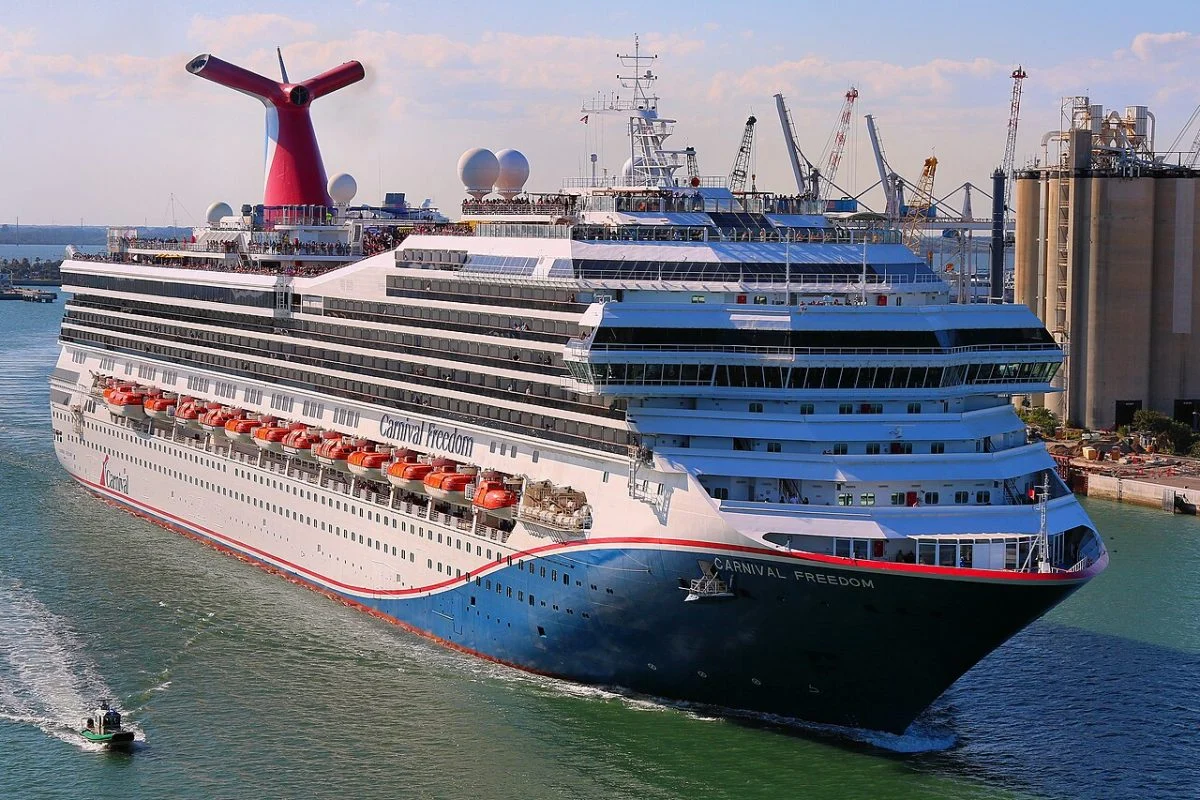
The collaboration with Boundless Labs is the centerpiece of the Sam’s Club Travel relaunch. By utilizing the Boundless API and booking engine, Sam’s Club can offer its members access to a vast inventory of sailings from the world’s leading cruise lines, including Royal Caribbean, Carnival Cruise Line, and Norwegian Cruise Line, among others. The platform does not simply aggregate data; it curates it. Sam’s Club executives have noted that the new platform will emphasize specific, high-value itineraries and destinations that align with the preferences and spending habits of their membership base.
This curation strategy is designed to prevent "choice paralysis," a common issue on broader travel aggregators. By narrowing the focus to vetted sailings and exclusive member deals, Sam’s Club aims to simplify the decision-making process. Boundless Labs’ technology also facilitates the integration of loyalty rewards and member-specific pricing, ensuring that the savings associated with a Sam’s Club membership are clearly visible throughout the checkout process. This integration is vital for Walmart’s broader strategy of deepening the "stickiness" of its membership programs, encouraging renewals by providing tangible financial benefits that extend beyond the grocery aisle.
A Chronology of the Sam’s Club Travel Evolution
The evolution of Sam’s Club Travel reflects the broader shifts in the retail and travel industries over the past decade.
- 2014–2018: Sam’s Club maintained a traditional travel portal, largely focused on car rentals, hotels, and theme park tickets. The cruise segment was present but relied heavily on third-party call centers.
- 2020–2021: The COVID-19 pandemic forced a near-total halt to the cruise industry. During this period, Sam’s Club, like many retailers, saw a shift in consumer behavior toward domestic road trips and outdoor activities. The travel portal remained active but saw diminished engagement in the cruise sector.
- 2022–2023: As global travel restrictions eased, the cruise industry saw a massive surge in "revenge travel." Simultaneously, Sam’s Club began identifying gaps in its digital infrastructure, noting that members were increasingly looking for integrated, high-value vacation packages.
- 2024: Sam’s Club identifies Boundless Labs as a key technology partner. The decision is made to relaunch Sam’s Club Travel with a "digital-first" cruise booking engine, officially going live in the latter half of the year to capture the 2025 "Wave Season" (the peak booking period for the cruise industry).
Supporting Data: The Resurgence of the Cruise Industry
The timing of the Sam’s Club Travel relaunch is backed by robust industry data suggesting a record-breaking period for global cruising. According to the Cruise Lines International Association (CLIA), passenger volume is expected to reach 34.7 million in 2024, a 17% increase over 2019 levels. Furthermore, the industry is seeing a significant demographic shift. While cruises were once the domain of retirees, the latest market research indicates that Millennials and Gen X travelers are the fastest-growing segments of the market, with 71% of Millennials saying they are likely to book a cruise for their next vacation.
Financial data also supports the move. The average spend per passenger on a cruise vacation has risen, driven by a demand for premium experiences and "all-inclusive" packages. By entering this space with a sophisticated digital tool, Sam’s Club is positioning itself to capture a share of a market that is projected to contribute over $150 billion to the global economy annually. For Walmart Inc., the parent company, this represents a high-margin revenue stream that complements the lower-margin retail business.
Competitive Landscape: The "Warehouse War" in Travel
Sam’s Club is not entering this market in a vacuum. Its primary competitor, Costco Wholesale, has long operated Costco Travel, which is widely considered the gold standard for warehouse-based travel services. Costco Travel has built a loyal following by offering "bundled" vacation packages that include high-end perks like shipboard credits and inclusive transfers.
However, Sam’s Club’s partnership with Boundless Labs represents a different tactical approach. While Costco has traditionally relied on a mix of online tools and a large staff of travel professionals, Sam’s Club is betting on a technology-heavy, automated approach. By maximizing the percentage of bookings that occur entirely online, Sam’s Club can theoretically operate with lower overhead while providing a faster, more modern user experience. This "tech-forward" strategy aims to attract those members who find the traditional travel agency model cumbersome or time-consuming.
Official Responses and Market Analysis
While official statements from Walmart executives emphasize the "value and convenience" for members, industry analysts view the move as a calculated play to enhance the Sam’s Club Plus membership tier. By offering exclusive travel rebates—potentially in the form of "Sam’s Cash"—the company creates a closed-loop ecosystem where savings from a cruise booking can be spent back in the warehouse.
"The cruise industry is one of the few remaining sectors where the consumer journey is still fragmented," says Mark Henderson, a senior retail analyst. "By partnering with a firm like Boundless Labs, Sam’s Club is attempting to own the entire journey. If they can successfully move even 20% of their members’ travel spending onto their own platform, the data insights alone—regarding luxury spending habits and seasonal travel patterns—will be incredibly valuable for Walmart’s broader retail operations."
Boundless Labs has also expressed optimism regarding the partnership, noting that the scale of Sam’s Club’s membership base provides a unique testing ground for their automated booking technologies. The company’s ability to convert complex cruise variables into a simple "add to cart" experience is the primary value proposition they bring to the table.
Broader Impact and Implications for the Travel Industry
The success of the Sam’s Club Travel relaunch could have far-reaching implications for the traditional travel agency model. If a major retailer can prove that high-complexity products like cruises can be sold effectively through a purely digital interface, it may accelerate the decline of independent brick-and-mortar travel agencies. It also puts pressure on cruise lines themselves to improve their direct-to-consumer digital platforms, which have historically lagged behind the innovation seen in the airline and hotel sectors.
Furthermore, this move highlights the growing trend of "ecosystem retail," where companies seek to provide for every aspect of a consumer’s life, from their weekly groceries to their annual vacation. For the consumer, the benefit is clear: simplified booking, transparent pricing, and the security of booking through a trusted national brand. For Sam’s Club, the benefit is a strengthened membership model that is increasingly difficult for consumers to walk away from.
As the travel industry continues its post-pandemic evolution, the Sam’s Club and Boundless Labs partnership serves as a high-profile experiment in the viability of digital-first vacation planning. If the platform meets its goal of shifting the majority of bookings online, it will not only redefine the travel strategy for Sam’s Club but potentially set a new standard for the entire cruise industry. The coming years will determine if the "warehouse club" model of high-volume, curated value can successfully translate to the high seas.