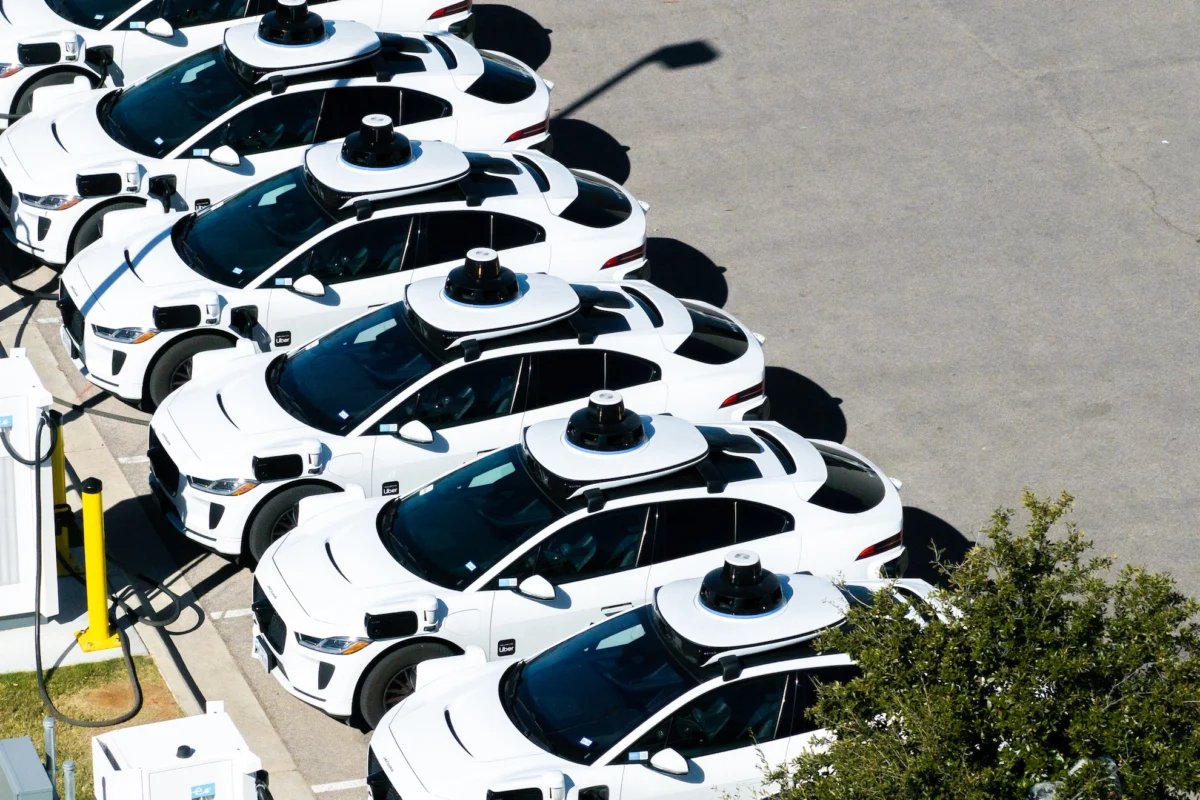
Waymo, a leader in autonomous driving technology, has officially reinstated its robotaxi service in San Antonio, Texas, a significant step marking its return to full operations five months after a series of its vehicles encountered severe challenges during a flash flood event in April. This resumption follows a period of rigorous internal review, software enhancements, and a temporary operational pause, underscoring the ongoing complexities and stringent safety protocols inherent in the commercial deployment of autonomous vehicles.
The incident in April saw multiple Waymo robotaxis become immobilized and one notably displaced by rapidly rising floodwaters on waterlogged streets. The vehicles, designed for autonomous navigation, reportedly slowed down but did not cease their movement as they approached flooded areas, ultimately leading to their entrapment. This critical event prompted Waymo to issue a voluntary recall in May, initiating immediate restrictions on its robotaxis from operating in zones identified with an elevated risk of flooding. While operations were briefly suspended in other Texas cities as a precautionary measure, those services swiftly resumed. San Antonio, however, required a more extended period of evaluation and technological refinement before Waymo deemed it safe to relaunch its driverless operations.
The April Incident: A Test of Autonomy’s Limits
The flash flood event that gripped San Antonio in April served as a stark reminder of the unpredictable challenges autonomous vehicles face in dynamic and extreme environmental conditions. Reports from that period detailed intense rainfall that led to widespread street flooding, a common hazard in many urban areas prone to sudden deluges. In the midst of this chaotic weather, several Waymo vehicles found themselves navigating rapidly deteriorating road conditions. The core issue identified was the autonomous system’s inability to accurately perceive the depth and flow of standing water, or perhaps its programmed decision-making parameters did not adequately account for the severity of such conditions. Instead of coming to a complete halt or rerouting to avoid the water, the vehicles continued to proceed, albeit at a reduced speed, into areas that ultimately became impassable.
One particular Waymo robotaxi was reported to have been "swept away," indicating it was rendered inoperable and displaced from its position by the force of the floodwaters. While no injuries were reported, the incident raised immediate questions about the robustness of autonomous systems in adverse weather and emergency situations. Such occurrences are not unique to Waymo; the entire autonomous vehicle industry grapples with the immense challenge of replicating human intuition and adaptability in unforeseen circumstances, particularly those involving natural phenomena. The ability to distinguish between a shallow puddle and a dangerously deep torrent, or to anticipate the rapid escalation of flood conditions, remains a sophisticated perception and prediction problem that engineers worldwide are striving to solve.
Chronology of Events and Waymo’s Response
The timeline of events highlights Waymo’s structured response to the safety challenge:
- April 2024: Multiple Waymo robotaxis encounter flash flooding in San Antonio. Vehicles get stuck, and one is displaced by floodwaters.
- May 2024: Waymo issues a voluntary software recall, specifically addressing the vehicles’ behavior when encountering standing water. Simultaneously, the company implements operational restrictions, prohibiting robotaxis from driving in areas with elevated flood risk. Operations are briefly paused in other Texas cities but quickly reinstated. San Antonio service remains suspended for comprehensive review.
- May – September 2024: Over the ensuing months, Waymo’s engineering teams reportedly work on significant software upgrades. This period likely involved extensive simulation, closed-course testing, and potentially limited real-world testing under controlled conditions to validate the efficacy of the new detection and avoidance algorithms.
- September 2024: Following a five-month hiatus, Waymo announces the resumption of its paid robotaxi service in San Antonio, signaling confidence in the implemented software changes and enhanced safety protocols.
This structured response demonstrates a commitment to addressing safety concerns proactively, a critical aspect for building and maintaining public trust in nascent autonomous technologies. The recall, while a setback, also served as a valuable learning opportunity, driving specific technological improvements that will likely benefit Waymo’s operations across its entire fleet and geographic footprint.
Technological Enhancements: Better Water Detection and Avoidance
Central to Waymo’s decision to resume service are the significant software modifications implemented to enhance the robotaxis’ ability to "better detect and avoid standing water in the future." This improvement is crucial, as water presents a multi-faceted challenge for autonomous perception systems.
Traditional sensor arrays, including lidar, radar, and cameras, can be affected by water in various ways:
- Lidar: Laser beams can be absorbed or scattered by water, leading to inaccurate depth perception. Reflections off water surfaces can also create ghost objects or confuse the system.
- Radar: While generally more robust in adverse weather, radar can struggle with differentiating between various types of precipitation and standing water, potentially providing noisy data.
- Cameras: Water on lenses, glare from wet surfaces, and reduced visibility in heavy rain severely impair camera-based perception, making it difficult to detect lane markings, obstacles, and water depth.
To overcome these challenges, Waymo’s updated software likely incorporates several advanced techniques:
- Enhanced Sensor Fusion: Improved algorithms that intelligently combine data from multiple sensors (lidar, radar, cameras, ultrasonic sensors) to create a more robust and redundant understanding of the environment, even when one sensor type is compromised by water.
- Machine Learning Models for Water Classification: Training deep learning models on vast datasets of images and sensor readings depicting various water conditions (puddles, flowing water, flooded roads) to accurately classify and estimate water depth.
- Predictive Hydrological Modeling: Integration with real-time weather data, local flood maps, and potentially even dynamic hydrological models to anticipate areas prone to flooding and predict water accumulation.
- Improved Decision-Making Logic: Refined behavioral algorithms that prioritize avoidance over traversal when any degree of uncertainty about water depth or flow is detected. This could include pre-emptive rerouting based on weather forecasts or real-time flood alerts.
- Vehicle Dynamics Modeling: Understanding how water affects tire traction and vehicle stability, allowing the system to make safer decisions when encountering wet surfaces, even if they are not deeply flooded.
These technological advancements are not merely about avoiding puddles; they are about building a more resilient and adaptable autonomous system capable of operating safely in a wider range of real-world conditions, thereby instilling greater confidence in the technology among both regulators and the public.
Operational Scope and Broader Market Context
The resumed service in San Antonio will initially deploy "dozens of vehicles" to cover an expansive "60-mile area," encompassing critical urban hubs such as downtown San Antonio and the San Antonio International Airport. This strategic coverage highlights Waymo’s commitment to providing a practical and convenient mobility solution for residents and visitors alike. By including the airport, Waymo positions its service as a viable option for travelers, a key demographic for ride-hailing services.
San Antonio is one of 15 U.S. cities where Waymo now offers paid rides, signaling the company’s aggressive expansion strategy despite intermittent challenges. This growth trajectory underscores the increasing maturity and commercial viability of autonomous ride-hailing. Waymo, a subsidiary of Alphabet (Google’s parent company), is a pioneering force in the autonomous vehicle industry, having accumulated billions of miles in real-world and simulated driving. Its long-term vision involves transforming urban mobility, reducing congestion, enhancing safety, and providing accessible transportation options.
The market for robotaxis is fiercely competitive, with players like Cruise (General Motors’ AV unit), Zoox (Amazon), and Mobileye (Intel) also vying for market share. Each incident, positive or negative, in the operations of one company invariably draws scrutiny from the entire industry and impacts public perception. Waymo’s ability to quickly identify, address, and transparently communicate its response to the San Antonio flood incident is crucial for maintaining its leadership position and fostering broader acceptance of AV technology.
Statements, Reactions, and Public Trust
While specific new statements from local San Antonio officials regarding the restart were not immediately available, a Waymo spokesperson reiterated the company’s commitment to safety and continuous improvement, stating that the enhancements made were the result of extensive analysis and testing. "Our priority is the safety of our riders and the communities we serve," a spokesperson might typically convey, "and we are confident that the robust software updates implemented will ensure our vehicles can better navigate and avoid challenging conditions like standing water."
Local authorities, including emergency services, have consistently emphasized the need for close collaboration with autonomous vehicle operators. Incidents involving AVs, particularly during emergencies, necessitate clear communication protocols and coordinated response strategies. The San Antonio Police Department and Fire Department would likely be interested in understanding Waymo’s updated emergency response protocols, particularly in scenarios involving adverse weather.
Industry analysts view Waymo’s restart in San Antonio as a critical test of its resilience and its capacity to learn from operational challenges. Sam Abuelsamid, a principal analyst at Guidehouse Insights, specializing in autonomous vehicles, might comment, "Every real-world incident provides invaluable data for AV developers. The challenge isn’t just to react, but to proactively engineer systems that can predict and adapt to an infinitely complex world. Waymo’s swift recall and subsequent software overhaul demonstrate a mature approach to safety development, which is essential for earning public trust."
Public perception remains a significant hurdle for widespread AV adoption. While many welcome the convenience and potential safety benefits, concerns about system failures, ethical dilemmas, and interaction with human drivers persist. Incidents like the San Antonio flood, or previous minor collisions involving other AV operators, highlight the importance of transparency and clear communication from companies like Waymo. Building public trust requires not just technological excellence but also a demonstrated commitment to accountability and continuous improvement.
Broader Implications and Future Outlook
The San Antonio incident and Waymo’s subsequent response carry several broader implications for the autonomous vehicle industry:
- Regulatory Scrutiny: Incidents involving AVs in adverse conditions invariably draw the attention of federal and state regulators, such as the National Highway Traffic Safety Administration (NHTSA). Waymo’s voluntary recall and proactive measures likely helped mitigate potential regulatory pressure, but the industry as a whole can expect increased scrutiny regarding operational design domains (ODDs) and performance in challenging environmental conditions.
- Industry Best Practices: Waymo’s experience will contribute to the evolving set of best practices for handling adverse weather conditions in autonomous driving. Other AV developers will study Waymo’s incident, its software fixes, and its operational adjustments to refine their own systems and protocols.
- The Pace of Commercialization: While incidents can cause temporary setbacks, they also drive critical technological advancements. The iterative process of deployment, learning from failures, and improving systems is fundamental to the long-term commercialization of fully autonomous vehicles. Waymo’s quick return to San Antonio demonstrates its commitment to this accelerated development cycle.
- Economic Impact: The expansion of robotaxi services like Waymo’s holds significant economic potential for cities. It can create new jobs in operations and maintenance, reduce the environmental footprint of transportation through optimized routing and electric vehicles, and enhance accessibility for populations underserved by traditional transport options. The 60-mile operational zone in San Antonio is a testament to the potential for large-scale economic integration.
In conclusion, Waymo’s restart of its robotaxi service in San Antonio is more than just a return to business; it represents a significant milestone in the continuous evolution of autonomous driving technology. It underscores the industry’s commitment to learning from challenges, enhancing safety through sophisticated software development, and steadily building the public trust necessary for the widespread adoption of driverless mobility. The journey to fully autonomous transportation remains complex, but each incident, when met with a robust and transparent response, paves the way for a safer and more efficient future of mobility.