The Association of Value Airlines (AVA), a prominent trade organization representing the interests of the United States’ ultra-low-cost carrier (ULCC) sector, has initiated a formal push in Washington, D.C., seeking legislative relief from the compounding financial pressures of volatile jet fuel prices. Jonathon Freye, the executive director of the AVA, confirmed that the group has recently engaged with several congressional offices to propose a federal tax holiday on jet fuel. This coalition, which includes Allegiant Air, Frontier Airlines, Avelo Airlines, and Breeze Airways, argues that the current tax burden, combined with elevated commodity prices, threatens the affordability of air travel for millions of budget-conscious Americans.
The request comes at a critical juncture for the aviation industry as it grapples with a complex post-pandemic economic landscape characterized by high inflation, fluctuating energy costs, and shifting consumer demand. While legacy carriers often possess the scale and diversified revenue streams—such as premium cabins and extensive international networks—to absorb or hedge against fuel price spikes, the ULCC model is uniquely sensitive to operating cost fluctuations. For these carriers, fuel typically represents the single largest variable expense, often accounting for 25% to 35% of total operating outlays.
The Economic Context of the Tax Holiday Proposal
The primary mechanism of relief proposed by the AVA is a temporary suspension of the federal excise tax on kerosene-type jet fuel used in commercial aviation. Currently, this tax stands at 4.3 cents per gallon. While this figure may appear modest in isolation, the cumulative impact on high-utilization carriers is substantial. For an airline like Frontier or Allegiant, which may consume hundreds of millions of gallons of fuel annually, a tax holiday could result in tens of millions of dollars in direct savings—capital that the AVA argues would be passed directly to consumers in the form of lower base fares.
According to data from the International Air Transport Association (IATA), jet fuel prices have exhibited significant volatility over the past 24 months. Geopolitical tensions in Eastern Europe and the Middle East, coupled with refining capacity constraints in the United States, have kept prices well above pre-2020 averages. As of early 2024, jet fuel prices remain a primary driver of "cost-push inflation" within the transportation sector. For ultra-low-cost carriers, whose primary value proposition is the "unbundled" low-cost ticket, even a marginal increase in fuel costs can necessitate fare hikes that alienate their core demographic: price-sensitive leisure travelers.
Profiles of the Association of Value Airlines Members
The four airlines currently represented by the AVA—Allegiant, Frontier, Avelo, and Breeze—occupy a specific niche in the American domestic market. Understanding their operational structures highlights why the fuel tax holiday is a priority for their leadership.
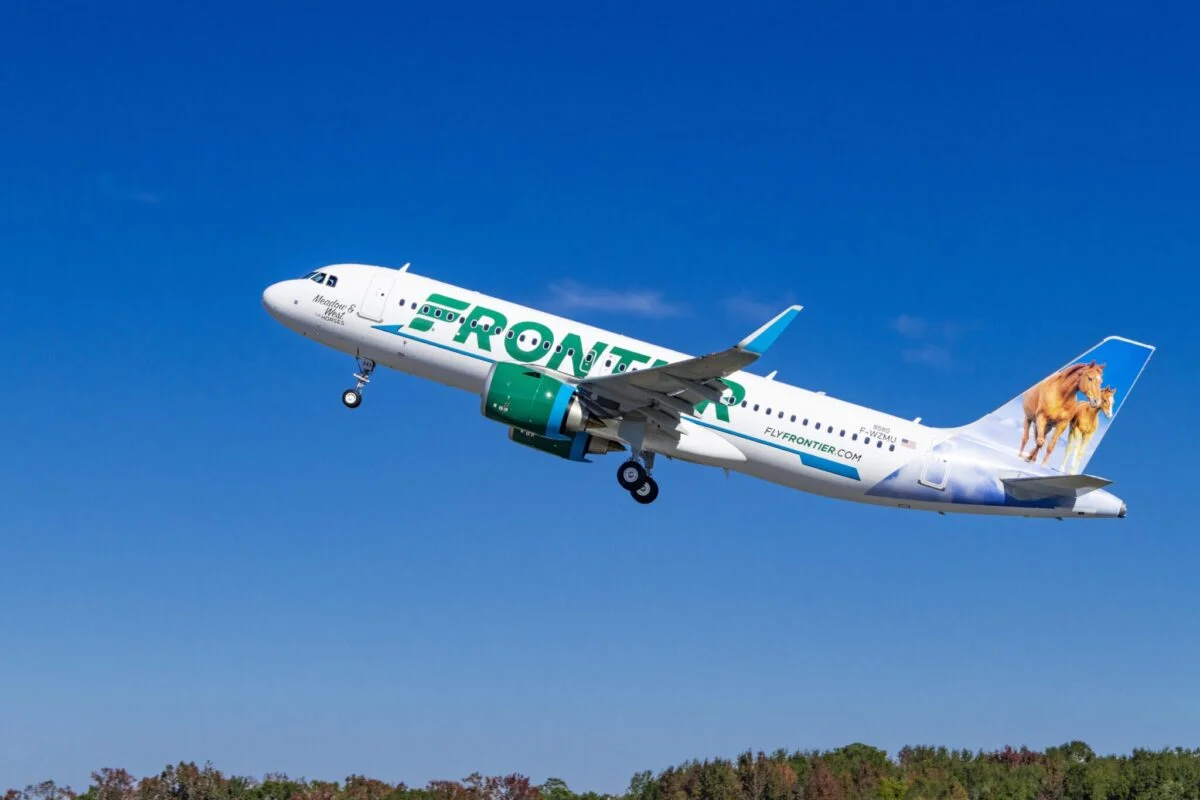
Frontier Airlines, based in Denver, has recently undergone a significant strategic shift, moving away from high-frequency routes in competitive markets toward "out-and-back" scheduling and underserved point-to-point routes. This strategy is designed to minimize crew hotel costs and improve operational reliability, but it does not insulate the carrier from fuel price shocks.
Allegiant Air, headquartered in Las Vegas, operates a unique model focused on connecting small-to-medium-sized cities to world-class leisure destinations. Unlike its peers, Allegiant often owns its aircraft outright or buys mid-life planes to keep capital costs low, but its reliance on older, slightly less fuel-efficient airframes makes the price of kerosene even more critical to its bottom line.
Avelo Airlines and Breeze Airways represent the "new guard" of the industry. Launched during or shortly after the pandemic, these startups have focused on secondary airports (such as New Haven, Connecticut, or Provo, Utah) to avoid the congestion and high landing fees of major hubs. For these emerging players, maintaining a low-cost structure is essential for survival as they attempt to scale their operations in a market dominated by the "Big Four" (Delta, United, American, and Southwest).
A Chronology of Aviation Fuel Challenges and Lobbying Efforts
The current push for a tax holiday is not an isolated event but the culmination of several years of mounting economic pressure.
- 2021-2022: The Post-Pandemic Rebound: As travel demand surged following the lifting of COVID-19 restrictions, airlines faced a "perfect storm" of high demand and limited capacity. Fuel prices began to climb as global oil production struggled to keep pace with the sudden return of economic activity.
- Early 2023: Price Stabilization Concerns: While prices dipped briefly from their 2022 peaks, they remained structurally higher than the previous decade’s average. ULCCs began reporting squeezed margins in quarterly earnings calls, citing fuel as a primary headwind.
- Late 2023: The Formation of the AVA Advocacy Strategy: Recognizing that their interests often diverged from the larger legacy carriers represented by Airlines for America (A4A), the value-oriented airlines began to formalize their messaging around "transportation equity" and "affordability."
- March-April 2024: Congressional Outreach: The AVA began reaching out to members of the House Transportation and Infrastructure Committee and the Senate Committee on Commerce, Science, and Transportation. The goal was to include fuel tax relief in broader FAA reauthorization discussions or standalone economic packages.
Official Responses and Political Hurdles
Despite the AVA’s proactive stance, the political appetite for a fuel tax holiday remains uncertain. The House Transportation and Infrastructure Committee has not yet issued a formal response to the proposal. Historically, Congress has been hesitant to suspend fuel taxes, as these revenues are a primary source of funding for the Airport and Airway Trust Fund (AATF). The AATF finances Federal Aviation Administration (FAA) investments in the airport system, air traffic control modernization (NextGen), and various safety programs.
"There’s clearly a sort of concern about the affordability of transportation, and I think for a lot of our customers and the big carriers, too," Freye noted during his discussion with Skift. However, critics of the proposal argue that a tax holiday would essentially function as a government subsidy for fossil fuel consumption at a time when the administration is pushing for the adoption of Sustainable Aviation Fuel (SAF) and other green initiatives.
Furthermore, the "Big Four" legacy carriers have not joined the AVA in this specific demand. While they would certainly benefit from lower taxes, their larger balance sheets and hedging programs—where they lock in fuel prices months in advance—allow them to weather volatility more effectively than the ULCCs. This creates a fragmented lobbying front in Washington, making it more difficult for the AVA to secure the broad bipartisan support required for tax legislation.
Broader Impact and Industry Implications
The outcome of this lobbying effort could have far-reaching implications for the structure of the U.S. airline industry. If the ULCCs fail to secure relief and fuel prices continue to rise, the industry may see a further "price floor" established for domestic tickets. This would effectively end the era of the $19 or $29 base fare, which has been a hallmark of the American travel market for the past decade.
From a competitive standpoint, the inability of ULCCs to maintain low prices could lead to a loss of market share to the legacy carriers’ "Basic Economy" products. While Basic Economy offers a similar no-frills experience, legacy carriers can cross-subsidize those seats with revenue from their high-margin business travelers. ULCCs do not have this luxury; their entire cabin is essentially "Basic Economy," meaning every seat must contribute to the recovery of fuel costs.
There is also the matter of regional connectivity. If Allegiant or Frontier are forced to cut routes due to fuel-related unprofitability, it is often the smaller, regional airports that suffer. These airports rely on ULCCs to provide the only non-stop service to major vacation hubs. A reduction in service would not only impact travelers but also the local economies and airport authorities that depend on landing fees and passenger facility charges.
Fact-Based Analysis of Future Prospects
As the 2024 legislative calendar progresses, the AVA’s proposal will likely be weighed against other fiscal priorities. The probability of a standalone "Jet Fuel Tax Holiday" bill passing is statistically low in a divided Congress, especially during an election year where any perceived "corporate tax break" can become a political lightning rod.
However, the AVA may find more success by framing the issue as a consumer protection measure. By emphasizing that the tax holiday is a tool to combat "travel inflation," the group could potentially garner support from lawmakers representing districts where low-cost air service is a vital economic link.
In the interim, the ULCCs are looking at other ways to mitigate costs. This includes investing in more fuel-efficient fleets, such as the Airbus A321neo, which offers significantly lower fuel burn per seat-mile than previous generations. Frontier, in particular, has one of the youngest and most fuel-efficient fleets in the country, a fact it frequently uses in its marketing. Yet, even the most efficient aircraft cannot fully offset a structural rise in the price of the fuel itself.
The ongoing dialogue between the Association of Value Airlines and Washington highlights the fragile nature of the low-cost travel ecosystem. While the "democratization of flight" has allowed more Americans to travel than ever before, the economic model that supports it remains highly vulnerable to external shocks. Whether through a tax holiday or a shift in market dynamics, the coming months will be a defining period for the future of value-based aviation in the United States. Without some form of intervention or a significant drop in global oil prices, the "value" in value airlines may become increasingly difficult for carriers to maintain.