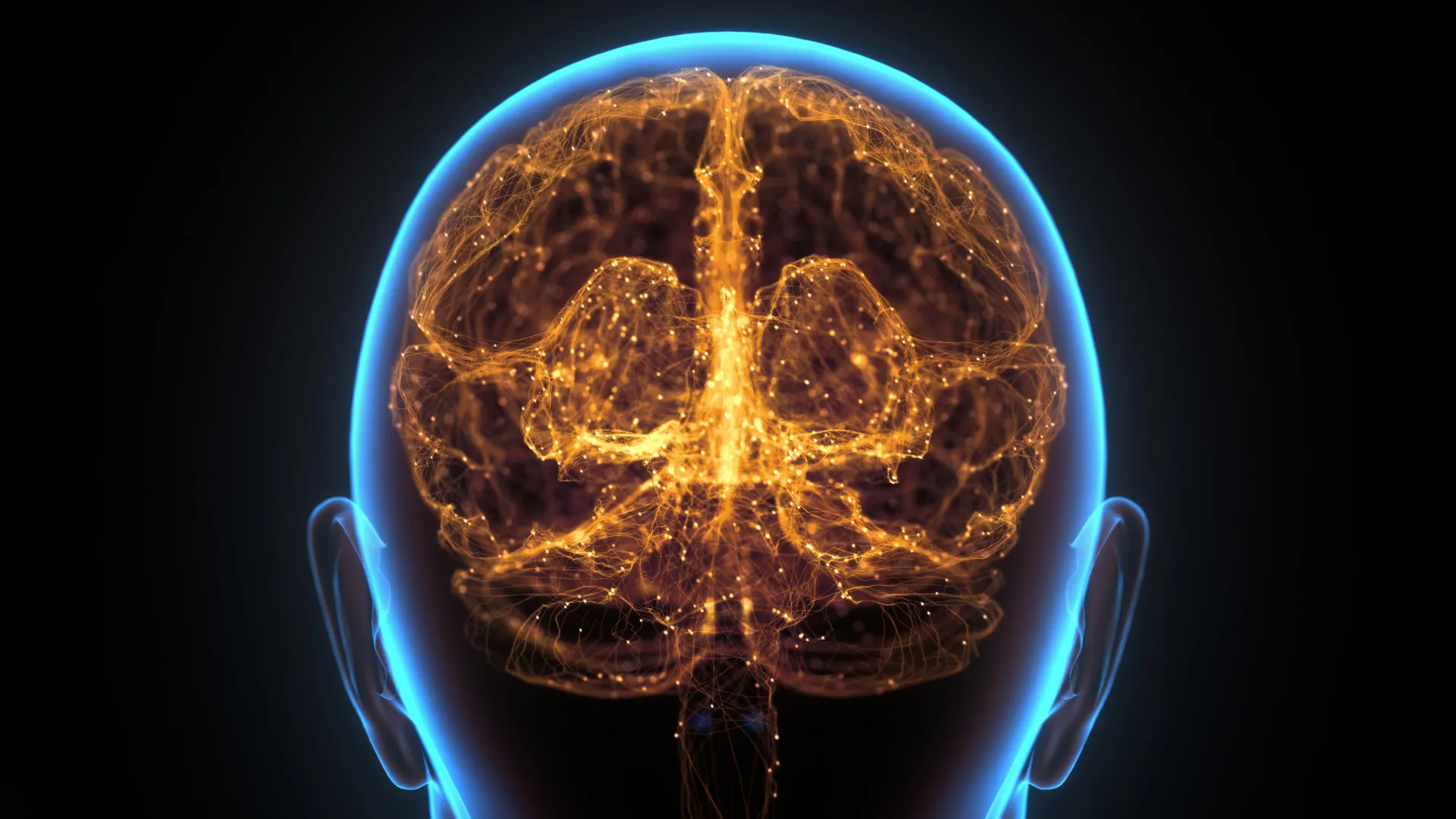
Researchers at Washington University School of Medicine in St. Louis have unveiled a groundbreaking discovery: previously unknown, lymph node-like immune structures nestled within the bone marrow of the skull in mice. These sophisticated immune centers appear to act as the brain’s immediate defense system, capable of mounting a rapid response to threats like brain cancer, even before more distant lymph nodes register any alarm. The study, published in the esteemed journal Nature, not only illuminates a critical aspect of neuroimmunology but also suggests a paradigm shift in our understanding of how the brain interacts with the immune system, potentially paving the way for novel therapeutic strategies for a range of neurological disorders.
The implications of this finding are profound, challenging decades of scientific belief that the brain exists in a state of immune privilege, largely shielded from the body’s immune surveillance. This long-held view has been steadily eroded by accumulating evidence, and the identification of these localized immune hubs within the skull bone marrow represents a significant leap forward in this evolving understanding. Furthermore, the research team has identified preliminary evidence of similar immune cell populations within human skull bone marrow, hinting that this specialized local defense mechanism may be conserved across species.
A Rethinking of Brain-Immune Interactions
For many years, the prevailing scientific consensus held that the central nervous system, including the brain, was a sanctuary, isolated from the systemic immune system. This notion was rooted in the observation that the brain lacked conventional lymphatic vessels, which are typically integral to immune cell trafficking and communication in other parts of the body. However, this perspective has undergone a dramatic transformation in recent years, driven by a series of pivotal discoveries.
The laboratory of senior author Jonathan Kipnis, PhD, a distinguished professor at WashU Medicine, has been at the forefront of this paradigm shift. Earlier research from his team was instrumental in overturning the concept of absolute brain immune isolation by identifying lymphatic vessels in the dura mater, the tough outer membrane that encloses the brain and lies directly beneath the skull. This discovery provided the first tangible evidence of a direct connection between the brain’s protective layers and the lymphatic system.
More recently, the Kipnis lab identified microscopic channels that physically bridge the skull, the dura, and the brain tissue itself. These tiny conduits are now understood to serve as critical highways, facilitating the movement of immune cells and cellular waste products between the brain and the adjacent skull bone marrow. This intricate network of communication underscores a far more dynamic and interconnected relationship between the brain and the immune system than previously imagined.
Identifying the Skull’s Immune Architecture
The current study delved deeper into the functional significance of these newly recognized connections. By meticulously tracking the movement of specific proteins originating from the brain, researchers observed their passage through these intricate channels and into the skull bone marrow. It was within this bone marrow environment that they discovered highly organized immune structures, remarkably similar in their cellular composition and organization to those found in well-established lymph nodes.
Lymph nodes are the body’s primary command centers for immune responses. They are critical sites where T follicular helper cells collaborate with B cells to orchestrate the production of antibodies. Antibodies are the body’s molecular soldiers, specifically designed to neutralize pathogens and aid in disease eradication. The presence of such sophisticated immune coordination centers within healthy bone marrow was an entirely unexpected and significant finding.
"We have never seen such structures in healthy bone marrow before," stated Jang Hyun Park, PhD, the study’s first author and a postdoctoral research fellow in the Kipnis lab. "It is an exciting discovery that points out that a complex brain requires its own specialized immune structures to defend it." Dr. Park is slated to establish his own research laboratory at the Korea Advanced Institute of Science and Technology this fall, continuing his exploration of neuroimmune interactions.
Professor Kipnis elaborated on the significance of these findings, stating, "This study reveals that the skull bone marrow is far more than just a structural framework — it harbors previously unrecognized hubs for brain-specific immune responses. Uncovering this localized immune niche changes how we view neuroimmune interactions and opens exciting new avenues for treating brain tumors and other neurological diseases."
Skull Immune Hubs as First Responders to Brain Cancer
To ascertain the functional role of these newly identified immune centers, the researchers investigated their involvement in combating brain disease. They employed a mouse model of glioblastoma, a particularly aggressive and notoriously difficult-to-treat form of brain cancer. In these experiments, the scientists selectively disrupted the function of the skull immune hubs using a targeted drug.
The results were striking. Tumors in mice with impaired skull immune hubs exhibited significantly faster growth rates compared to their counterparts with intact immune defenses. Furthermore, mice whose local immune defenses were compromised experienced a reduction in overall survival, providing compelling evidence that these localized immune structures play a critical and active role in mounting a defense against brain cancer. This suggests that these skull-based immune hubs act as rapid-response units, initiating defensive measures at the earliest signs of malignancy.
Strategies to Enhance the Brain’s Localized Immunity
Building upon the evidence of their protective role, the research team then explored whether these skull immune hubs could be deliberately bolstered to enhance their anti-cancer efficacy. They developed a novel therapeutic approach designed to amplify antibody production specifically within the skull bone marrow. This treatment involved combining three immune-boosting proteins within a specialized gel, which was then applied directly beneath the scalp of the mice.
The intervention yielded a dramatic surge in immune activity directed against the brain tumors. Crucially, the enhanced immune response was observed to originate within the immune hubs located inside the skull bone marrow before any significant immune activity was detected in the lymph nodes situated outside the skull. This temporal distinction further reinforces the concept of the skull immune hubs as primary responders.
Mice that received the localized gel treatment demonstrated a superior ability to reject tumors and exhibited a marked increase in survival rates compared to the control groups. This finding provides a proof-of-concept for therapeutic strategies that target and amplify the brain’s intrinsic, localized immune defenses.
A New Frontier in Neurological Disease Treatment
The implications of this discovery extend far beyond the realm of brain cancer. Given their strategic proximity to the brain, researchers hypothesize that these specialized immune hubs could offer a unique and less invasive route for modulating immune activity in a wide spectrum of neurological diseases. The potential to influence the brain’s immune landscape without triggering widespread systemic immune responses could revolutionize treatment approaches for conditions currently lacking effective therapies.
Professor Kipnis emphasized the transformative potential of this research: "The finding fundamentally changes our current understanding of neuroimmunology. Knowing that the brain relies on first responders in the surrounding skull for defense has the potential to change how we think about developing therapies for many neurological conditions, including Alzheimer’s disease, Parkinson’s disease, schizophrenia, long COVID, and many others that have an immune component to them. Such therapies could access these immune hubs directly through the skull, without major peripheral side effects."
Broader Implications and Future Directions
The identification of these specialized immune structures in the skull bone marrow represents a significant paradigm shift in neuroimmunology. It suggests a more integrated and nuanced relationship between the central nervous system and the immune system than previously understood. The concept of a dedicated, localized immune defense system for the brain opens up numerous avenues for future research and therapeutic development.
Supporting Data and Context:
-
Previous Research Timeline:
- 2015: Kipnis’ lab discovers lymphatic vessels in the dura mater, challenging the concept of brain immune isolation.
- 2022: The lab identifies tiny physical channels connecting the skull, dura, and brain tissue.
- Present Study (2023/2024): Identification of lymph node-like immune structures within the skull bone marrow and their role in brain cancer response.
-
Cellular Composition: While the study highlights the presence of T follicular helper cells and B cells within these skull immune hubs, further research is needed to fully characterize the diverse immune cell populations and their specific functions within this novel niche. The precise mechanisms by which these cells are recruited and activated in response to various brain insults remain an active area of investigation.
-
Human Relevance: The preliminary identification of similar immune cell populations in human skull bone marrow is a critical step, but extensive studies are required to confirm their presence, organization, and functional equivalence to the mouse models. This would involve detailed histological analysis and potentially the development of advanced imaging techniques for in-vivo assessment.
-
Disease Specificity: While the study focused on glioblastoma, the principles governing these skull immune hubs are likely applicable to a broader range of neurological conditions with an inflammatory or immune component. This includes neurodegenerative diseases like Alzheimer’s and Parkinson’s, autoimmune disorders affecting the brain, and even infectious diseases of the central nervous system.
Potential for Novel Therapies:
The ability to directly target and modulate the immune response within the skull bone marrow offers a unique therapeutic advantage. Unlike systemic immunotherapies, which can lead to widespread side effects due to their impact on the entire body’s immune system, localized treatments could be more precise and better tolerated.
- Targeted Drug Delivery: The discovery of channels connecting the brain and skull bone marrow could facilitate the development of novel drug delivery systems. Nanoparticles or other advanced delivery vehicles could be designed to navigate these channels, delivering therapeutic agents directly to the immune hubs or to affected brain regions.
- Immunomodulation: Therapies aimed at enhancing or suppressing specific immune cell activities within these hubs could be developed. For conditions like Alzheimer’s disease, where chronic neuroinflammation is a key pathology, dampening excessive immune responses might be beneficial. Conversely, for brain tumors, boosting anti-tumor immunity would be the primary goal.
- Early Detection and Intervention: Understanding the signaling pathways involved in the activation of these skull immune hubs could lead to the development of biomarkers for early detection of neurological diseases. Intervening at the earliest stages, when these local immune defenses are activated, could significantly improve patient outcomes.
Reactions from Related Parties (Inferred):
While direct quotes from external parties are not provided in the original text, the scientific community’s reaction to such a fundamental shift in understanding is typically one of considerable interest and cautious optimism. It is highly probable that researchers in the fields of neuroscience, immunology, and oncology are closely reviewing these findings, with many likely initiating their own investigations to validate and expand upon these groundbreaking results. The potential implications for drug development companies and biotechnology firms are also substantial, as this research opens up new therapeutic targets and modalities.
Conclusion
The discovery of dedicated immune hubs within the skull bone marrow marks a pivotal moment in our comprehension of brain-immune interactions. It reveals a sophisticated, localized defense network that can act with remarkable speed and efficiency to protect the brain. This research not only challenges long-standing scientific dogma but also offers a beacon of hope for developing more effective and targeted treatments for a wide array of devastating neurological diseases. As research progresses, the full potential of these "security stations" within our very skulls is poised to be unlocked, ushering in a new era of neuroimmunological therapeutics.