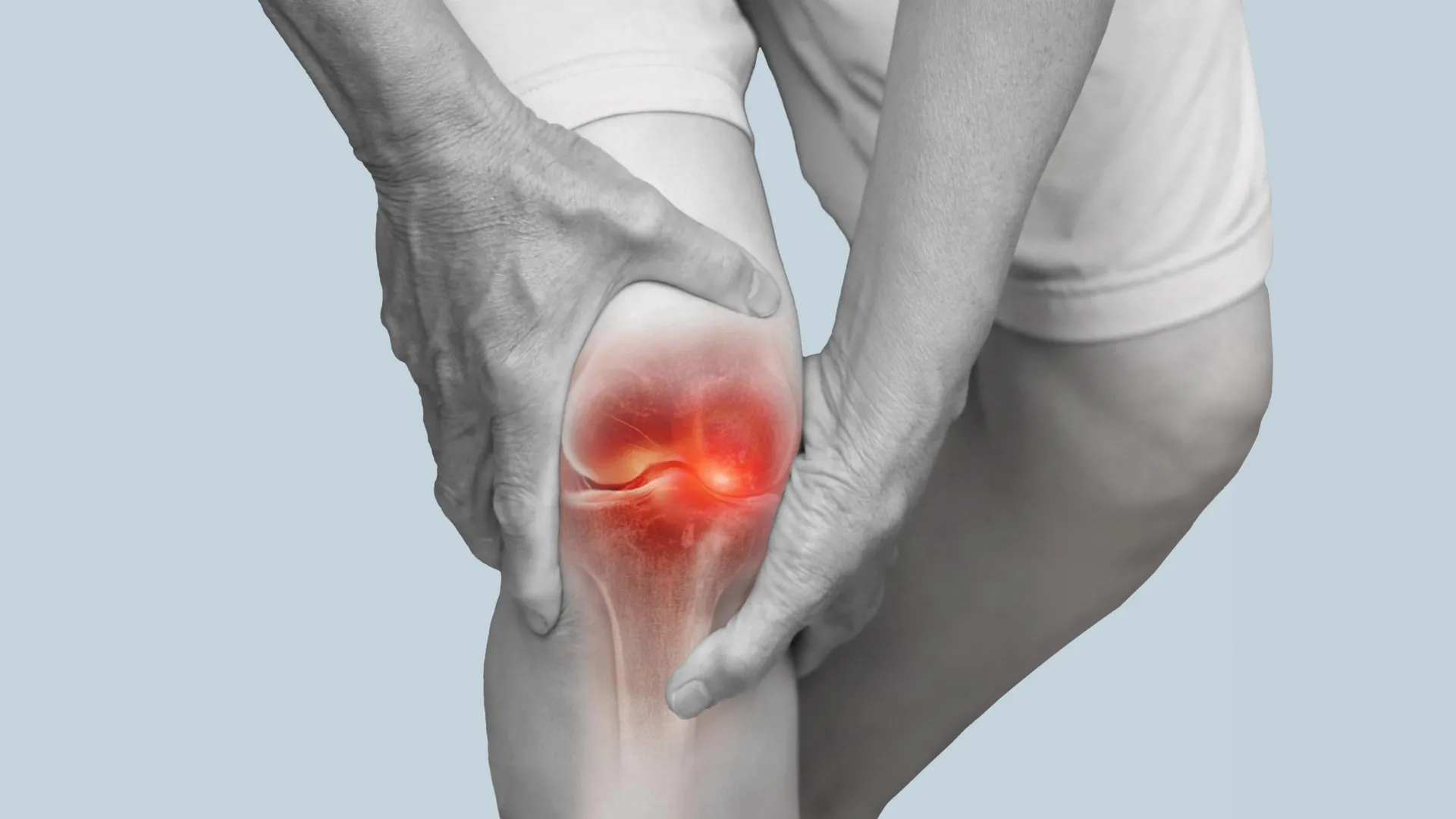
A comprehensive meta-analysis of nearly 10,000 individuals with knee osteoarthritis (KOA) has identified knee braces, water therapy (hydrotherapy), and regular exercise as the most effective drug-free interventions for managing the condition. The groundbreaking research, published in the open-access journal PLOS One, was spearheaded by Yuan Luo from the First People’s Hospital of Neijiang, China. The findings offer a significant shift in perspective, potentially reshaping clinical guidelines by prioritizing accessible and low-risk therapies over more technologically advanced, and in some cases less effective, methods.
Knee osteoarthritis, a pervasive degenerative joint disease, affects millions worldwide, particularly older adults, leading to persistent pain, debilitating stiffness, and a marked decline in mobility. This can severely impact an individual’s quality of life, hindering their ability to perform everyday tasks and participate in recreational activities. Historically, anti-inflammatory medications have been a cornerstone of KOA treatment. However, concerns regarding their potential gastrointestinal and cardiovascular side effects have fueled a growing demand for alternative, non-pharmacological approaches that can provide symptom relief without these associated risks.
A Deep Dive into Non-Pharmacological Interventions
The extensive meta-analysis meticulously examined evidence from 139 clinical trials, encompassing a diverse array of 12 distinct treatment modalities. These interventions ranged from established physical therapies to more contemporary technological approaches. The treatments evaluated included:
- Knee Braces: Devices worn externally to provide support and stability to the knee joint.
- Insoles: Inserts placed in footwear to alter foot biomechanics and potentially reduce stress on the knee.
- Kinesiology Tape: Elastic therapeutic tape applied to the skin to support muscles and joints.
- Water-Based Therapy (Hydrotherapy): Therapeutic exercises and treatments conducted in warm water, leveraging buoyancy and resistance.
- Exercise: Structured physical activity programs tailored to improve strength, flexibility, and range of motion.
- Laser Therapy: Application of specific wavelengths of light to promote healing and reduce inflammation.
- Electrical Stimulation: The use of electrical currents to stimulate muscles or nerves.
- Ultrasound Therapy: Application of high-frequency sound waves to tissues.
- Shock Wave Therapy: The use of acoustic waves to stimulate healing processes.
To synthesize the vast amount of data and draw robust comparisons, the research team employed a network meta-analysis. This sophisticated statistical technique allows for the simultaneous comparison of multiple treatments across numerous studies, even if not all treatments were directly compared within every single trial. This method enables researchers to estimate the relative efficacy of each intervention against all others, providing a more comprehensive understanding of their comparative performance.
Unveiling the Top Performers: Braces, Water, and Movement
The analysis revealed a clear hierarchy of effectiveness among the evaluated interventions, with several simpler, more accessible therapies demonstrating superior results.
Knee Braces: A Pillar of Support
Knee braces emerged as a particularly strong performer, consistently ranking highly across multiple critical outcome measures. Participants utilizing knee braces reported significant reductions in both pain and stiffness, alongside notable improvements in their physical function. The mechanical support offered by braces is thought to alleviate stress on the damaged joint, thereby mitigating symptoms and enhancing mobility.
Hydrotherapy: The Soothing Power of Water
Hydrotherapy, characterized by exercises and treatments performed in the therapeutic warmth of water, proved exceptionally effective in alleviating knee pain. The buoyancy of water reduces the load on joints, allowing for greater freedom of movement and facilitating exercises that might be too painful or difficult to perform on land. The gentle resistance of water also aids in strengthening muscles surrounding the knee, further contributing to stability and pain reduction.
Exercise: The Foundation of Functional Improvement
Regular exercise was identified as another cornerstone therapy, delivering consistent benefits for both pain management and the improvement of physical function. Tailored exercise programs, often incorporating strengthening, flexibility, and aerobic components, are crucial for maintaining muscle mass, improving joint lubrication, and enhancing overall biomechanical efficiency of the knee.
Promising Technological Advancements
While simpler therapies dominated the top rankings, some more technologically advanced treatments also showed potential. High-intensity laser therapy and shock wave therapy demonstrated benefits in specific areas, suggesting they may have a role in certain patient populations or as adjunct therapies.
Ultrasound: Falling Short
In contrast to the promising results of other interventions, ultrasound therapy repeatedly ranked near the bottom of the comparisons. This suggests that, based on the available evidence, its efficacy in managing knee osteoarthritis symptoms is limited compared to other available options.
Implications for Clinical Practice and Patient Care
The findings from this extensive meta-analysis carry significant implications for how knee osteoarthritis is managed globally. The strong performance of knee braces, hydrotherapy, and exercise underscores the value of conservative, non-pharmacological approaches. These therapies are often more accessible, less expensive, and carry a substantially lower risk profile compared to pharmaceutical interventions.
Supporting Data and Context:
Knee osteoarthritis is estimated to affect over 300 million people globally, with prevalence increasing with age. In the United States alone, it is the most common type of arthritis, impacting over 32 million Americans. The economic burden of KOA is substantial, encompassing direct medical costs for treatments, surgeries, and assistive devices, as well as indirect costs related to lost productivity and reduced quality of life. Studies have shown that the cost of managing osteoarthritis can run into billions of dollars annually.
The timeline for the development and widespread adoption of non-pharmacological treatments has been gradual. While exercise has long been recognized as beneficial, the scientific rigor applied to evaluating its efficacy in large-scale meta-analyses like this one provides a more definitive endorsement. Hydrotherapy has a long history in rehabilitation, but its specific benefits for KOA have been systematically investigated and quantified more recently. The advent of knee braces has seen significant technological advancements over the decades, moving from basic support to more sophisticated designs aimed at specific biomechanical correction.
Broader Impact and Analysis:
The emphasis on simple, accessible therapies has the potential to democratize effective KOA management. Patients in resource-limited settings, or those who cannot tolerate or afford more complex treatments, can benefit from these evidence-based options. This shift could lead to a paradigm change in clinical practice, moving away from a reliance on pain medication towards a more holistic and preventative approach that empowers patients with self-management strategies.
The authors of the study explicitly stated: "Knee braces, hydrotherapy, and exercise are the most effective non-drug therapies for knee osteoarthritis. They reduce pain and improve mobility without the gastrointestinal or cardiovascular risks linked to common pain medications. Patients and clinicians should prioritize these evidence-based options." This strong recommendation highlights the potential for these therapies to become first-line treatments.
Furthermore, the analysis, by comparing nearly 10,000 patients, provides robust evidence that "simple, accessible therapies like knee bracing and water-based exercise outperform high-tech options like ultrasound. This could reshape clinical guidelines to focus on safer, lower-cost interventions." This statement directly addresses the need for a re-evaluation of current treatment protocols.
Navigating Limitations and Future Directions
Despite the significant findings, the researchers acknowledge certain limitations inherent in the meta-analysis. The 139 included studies varied considerably in their design, sample sizes, and the duration of treatment interventions. These inconsistencies can make it challenging to pinpoint the absolute optimal approach or to precisely quantify the long-term benefits of each therapy. For instance, some studies might have focused on short-term pain relief, while others assessed long-term functional improvements. The specific type of knee brace, the intensity and duration of hydrotherapy sessions, and the exact exercise regimen could also have influenced outcomes within individual trials.
Looking ahead, the research team emphasizes the need for further investigation. Future studies should aim to explore whether combining different therapeutic approaches yields even greater benefits. For example, a program that integrates hydrotherapy with a targeted exercise regimen and the use of a knee brace could potentially offer synergistic effects. Additionally, research is needed to assess the cost-effectiveness of various interventions, ensuring that the most beneficial treatments are also economically viable for patients and healthcare systems. Understanding the optimal duration and frequency of these therapies for different patient profiles will also be a crucial area of future inquiry.
In conclusion, this comprehensive meta-analysis provides compelling evidence that a combination of knee braces, water therapy, and regular exercise represents the most effective and safest drug-free strategy for managing knee osteoarthritis. By prioritizing these accessible and evidence-based interventions, healthcare providers can significantly improve the quality of life for millions of individuals suffering from this debilitating condition, while mitigating the risks associated with traditional pharmacological treatments.