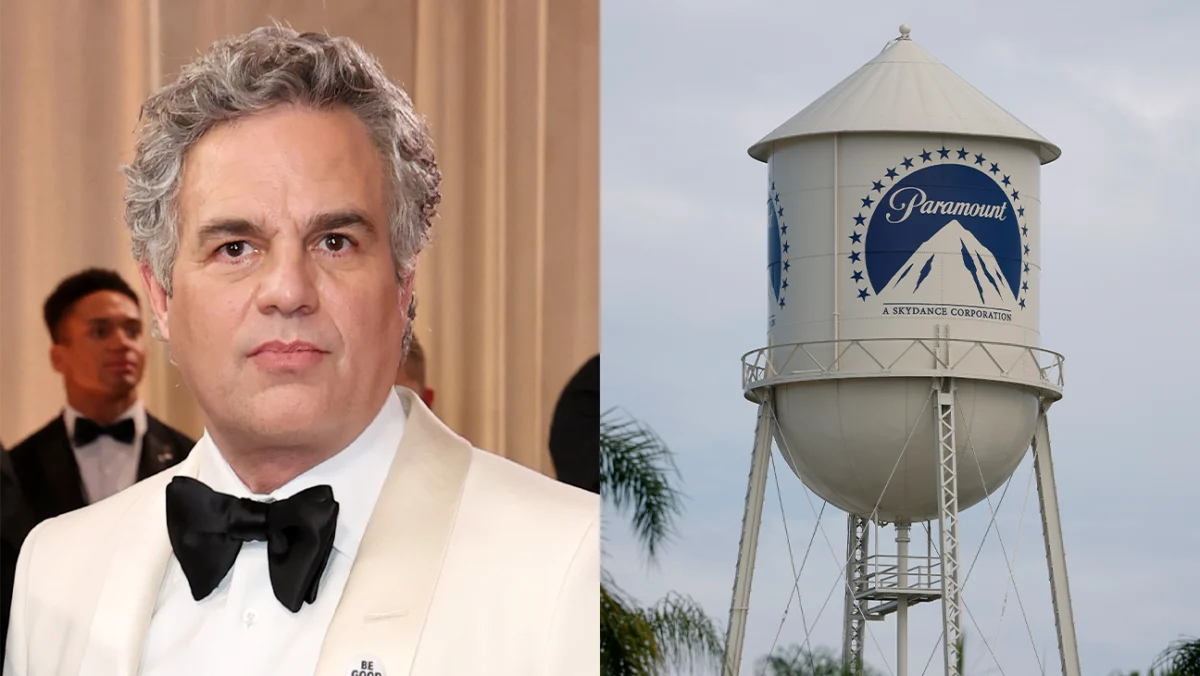
Reports have emerged indicating that Paramount Global is engaged in "advanced talks" to resolve the antitrust lawsuit filed by a coalition of 12 state attorneys general, spearheaded by California, concerning the company’s proposed acquisition of Warner Bros. Discovery. Amidst these negotiations, prominent actor Mark Ruffalo has publicly implored California Attorney General Rob Bonta not to concede, urging him to stand firm against the deal.
Ruffalo took to the social media platform X (formerly Twitter) to voice his strong opposition, stating, "Don’t you dare @AGRobBonta, do not cave. 5,670 film makers put their necks on the line for you to fight this merger. Another 75,000+ and counting have signed to tell you not to concede in just 3 weeks. You work for the people – the very people who will be hurt if you let this lousy deal filled with empty promises go forward." He further amplified his call to action by sharing a link to a petition urging the rejection of the proposed merger.
The Wall Street Journal first reported on Friday that Paramount and the states were nearing an agreement to settle the contentious lawsuit. This development comes at a critical juncture, as the legal battle has already led to significant procedural delays for the potential merger.
Background of the Antitrust Challenge
The lawsuit, filed on July 13th, centers on allegations that the proposed combination of Paramount and Warner Bros. Discovery would create an entity with undue market power, potentially harming consumers and the broader entertainment landscape. Specifically, the attorneys general argue that the merger would consolidate two of Hollywood’s top five studios, inevitably leading to a reduction in the number of films released in theaters, increased ticket prices, and a diminished diversity and quality of content available to the public.
California Attorney General Rob Bonta articulated these concerns forcefully at a press conference upon the suit’s filing. "There is no debate here: This merger will snuff out competition, drive up prices, diminish content quality, and produce fewer movies and shows each year," Bonta declared. He emphasized that the action was taken to protect consumers and preserve the vibrancy of the creative industries.
Timeline of Legal Proceedings and Industry Reactions
The filing of the antitrust suit triggered immediate legal repercussions. On July 20th, U.S. District Judge Araceli Martínez-Olguín issued a temporary restraining order, effectively pausing the merger process. This order was subsequently extended on July 23rd, further delaying any definitive action. Recognizing the gravity of the legal challenge, Paramount agreed the following day, July 24th, to refrain from proceeding with the acquisition until a judicial decision could be made on whether the deal violated antitrust laws.
The industry has been closely watching these developments, with a significant segment of filmmakers and creative professionals expressing their opposition to the merger. Mark Ruffalo, a vocal critic, has been at the forefront of this opposition. His activism extends beyond social media; he has previously testified against the merger at a Senate hearing and was a signatory to an open letter joined by numerous actors and industry figures who voiced their disapproval of Paramount’s potential takeover of Warner Bros. Discovery.
Mark Ruffalo’s Broader Concerns and Paramount’s Response
Ruffalo’s opposition to the merger has, at times, intersected with broader geopolitical concerns, leading to a contentious exchange with Paramount. In an August Instagram post, Ruffalo highlighted alleged ties between Oracle, a company founded by Larry Ellison (whose son, David Ellison, is reportedly involved in the potential Paramount acquisition), and the Israeli military. He shared a clip featuring former Oracle chief Safra Catz discussing the company’s "profoundly scary technologies" and their potential deployment in relation to Israel’s military operations. Ruffalo characterized the conflict in Gaza as a "genocide" fueled by an "apartheid system of oppression powered by Oracle."
This statement drew a sharp response from Paramount, whose spokesperson issued a statement deeming Ruffalo’s remarks "antisemitic." The company expressed concern over the invocation of "antisemitic tropes" in the context of a business dispute, asserting that terms like "genocide" and "apartheid" when applied to a corporate transaction are "wrong" and "cheapen the very real suffering those words are meant to describe." Paramount reiterated its commitment to not tolerating prejudice.
Ruffalo, in turn, vehemently refuted Paramount’s accusation, calling it "appalling and fundamentally dishonest" in a subsequent post on X. This exchange underscores the complex and often charged nature of the discourse surrounding the proposed merger, touching upon both economic and ethical considerations.
The Economic and Competitive Landscape
The potential consolidation of Paramount and Warner Bros. Discovery raises significant questions about market concentration within the highly competitive media and entertainment industry. Industry analysts have pointed to several key areas of concern:
- Reduced Consumer Choice: A merger of this magnitude could lead to fewer independent studios and production companies, potentially limiting the variety of films and television shows available to audiences. This concentration of power could result in a more homogenized content landscape, catering to broader, rather than niche, demographics.
- Impact on Theatrical Releases: The attorneys general’s argument that fewer movies would be released in theaters is a significant concern for the exhibition industry. Major studio consolidation has historically led to a focus on tentpole releases, potentially squeezing out mid-budget and independent films that rely on consistent theatrical windows.
- Potential for Price Increases: With fewer major players, the combined entity could wield greater pricing power over content licensing, distribution, and potentially even consumer-facing subscription services, if such integration were to occur.
- Innovation and Risk-Taking: A dominant entity might become more risk-averse, prioritizing established franchises and sequels over original or experimental content, thereby stifling innovation and the emergence of new creative voices.
Data Supporting Antitrust Concerns
While specific internal data from Paramount and Warner Bros. Discovery is not publicly available, general market trends and analyses provide context for the antitrust concerns. The combined entity would represent a significant portion of the global entertainment market share. For instance, prior to potential consolidation, the combined libraries of both companies would represent a substantial catalog of intellectual property across film, television, and streaming. Antitrust bodies typically examine market share data, the number of competitors, barriers to entry for new players, and the potential impact on pricing and output.
Reports from market research firms have consistently shown a trend towards consolidation in the media industry, driven by the escalating costs of content creation and the intense competition in the streaming wars. This ongoing consolidation makes the scrutiny of any large-scale merger even more critical from a regulatory perspective. The argument put forth by the state attorneys general aligns with established antitrust principles that aim to prevent monopolies and promote fair competition, which ultimately benefits consumers through greater choice and competitive pricing.
The Role of State Attorneys General
The involvement of state attorneys general in antitrust enforcement is a crucial aspect of protecting consumers at the state level. They often act as a significant bulwark against mergers that could disproportionately harm their constituents. California, with its substantial population and central role in the entertainment industry, often takes a leading role in such actions. The coalition of 12 states signifies a broad consensus among state-level regulators about the potential negative impacts of this specific merger. Their collective action provides a stronger legal and political front against powerful corporate entities.
Broader Implications for the Entertainment Industry
The outcome of these settlement talks, or a potential trial, will have far-reaching implications for the future of the entertainment industry. A settlement that significantly modifies the terms of the acquisition or imposes stringent conditions could set a precedent for future media mergers. Conversely, if Paramount successfully negotiates a favorable settlement that largely allows the acquisition to proceed, it could embolden further consolidation efforts.
The ongoing debate also highlights the increasing tension between corporate interests seeking scale and efficiency in a rapidly evolving media landscape, and public interest concerns regarding competition, consumer welfare, and the diversity of cultural expression. Mark Ruffalo’s vocal advocacy, representing a segment of the creative community, underscores the belief that the creative output and the livelihoods of those who produce it are directly impacted by the business decisions of major corporations.
As negotiations reportedly continue, the industry and consumers alike will be watching closely to see if a resolution can be reached that balances the commercial objectives of Paramount with the legal mandates to protect competition and safeguard the interests of the public. The stance taken by Attorney General Bonta and the other participating states will be pivotal in shaping the final outcome.