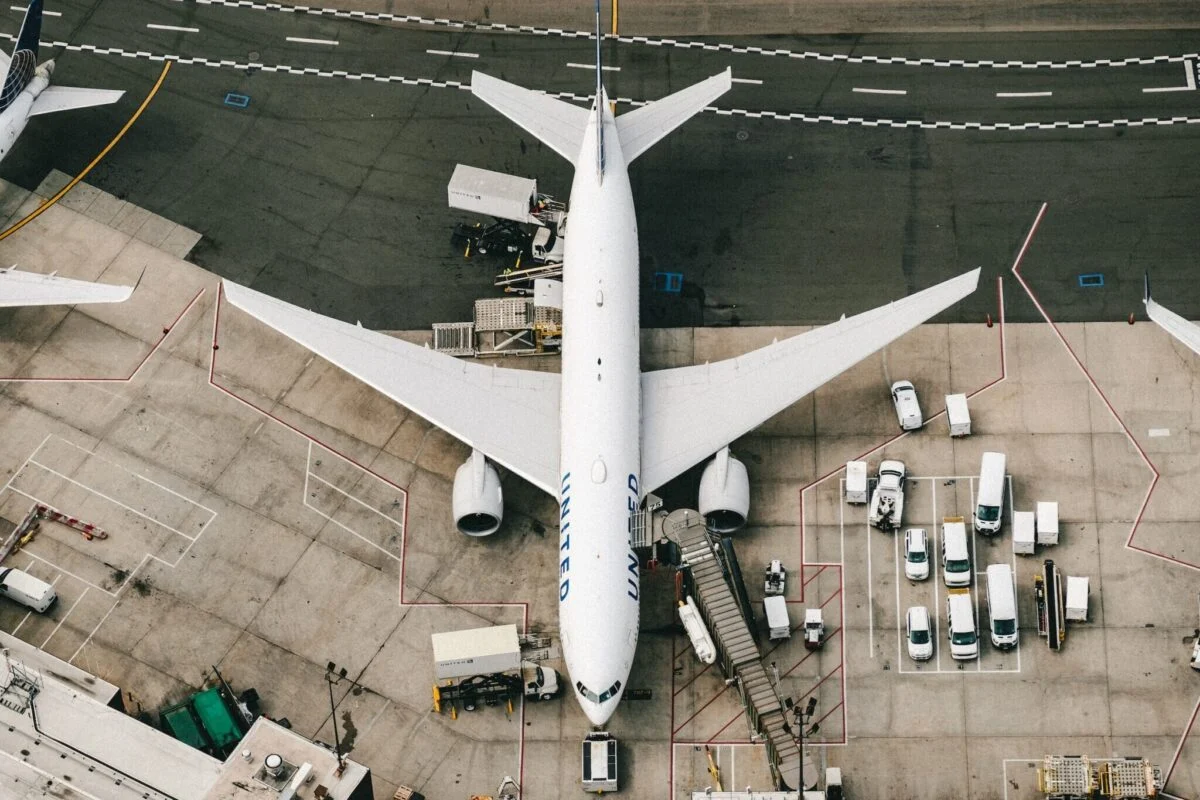
Air travel across the Northeastern United States ground to a stuttering halt on Monday as the Federal Aviation Administration (FAA) issued a series of ground stops affecting several of the nation’s busiest transit hubs. The disruptions, which originated from a critical equipment outage, sent ripples through the National Airspace System (NAS), leaving thousands of passengers stranded and forcing airlines to scramble their schedules. The primary facilities impacted included John F. Kennedy International Airport (JFK), LaGuardia Airport (LGA), Newark Liberty International Airport (EWR), and Philadelphia International Airport (PHL).
The FAA confirmed that the root cause of the operational paralysis was a technical failure involving equipment at the New York Air Route Traffic Control Center (ZNY), located in Ronkonkoma, Long Island. This facility is responsible for managing high-altitude air traffic over a vast swathe of the Northeast, including the Atlantic Ocean routes and the approaches to the New York metropolitan area. When such a pivotal node in the air traffic control network experiences a failure, the standard safety protocol is to implement a ground stop—preventing aircraft destined for the affected region from departing their origin airports—to avoid overwhelming the remaining manual or backup systems.
The Scope of the Disruption
By Monday afternoon, the FAA’s Air Traffic Control System Command Center website showed a sea of red status indicators across the mid-Atlantic region. While the initial ground stop was narrowly focused on arrivals to Newark and LaGuardia, it quickly expanded to include JFK and Philadelphia as the severity of the equipment outage became apparent. According to real-time flight tracking data from FlightAware, the number of delays in the region surged into the thousands within hours of the initial report.
At Newark Liberty International Airport, a primary hub for United Airlines, departure delays averaged over 90 minutes, while incoming flights were held at their points of origin for several hours. At JFK, an essential gateway for international travel, the backlog began to affect trans-Atlantic arrivals, with some flights being diverted to alternative airports like Boston Logan or Washington Dulles. LaGuardia, which primarily handles domestic and short-haul regional flights, saw a near-total cessation of activity during the peak of the outage, leading to overcrowded terminals and logistical bottlenecks for ground crews.
Technical Breakdown and Chronology of Events
The timeline of the disruption began in the late morning hours when controllers at the New York Air Route Traffic Control Center reported intermittent issues with communication and data processing systems. By approximately 1:00 PM Eastern Time, the FAA officially declared a ground stop for Newark-bound flights, citing "equipment outages."
As engineers worked to diagnose the fault, the issue was identified as a failure in a critical component of the communication infrastructure that allows controllers to maintain contact with aircraft and coordinate with neighboring control centers. Unlike a weather-related delay, which can often be predicted and managed with incremental slowdowns, an equipment outage of this nature requires an immediate halt to ensure that the number of aircraft in the sky does not exceed the capacity of the degraded control systems.
By 2:30 PM, the ground stop was expanded to include Philadelphia International Airport and LaGuardia. At 3:15 PM, JFK was added to the list of restricted airports. During this window, the FAA issued a statement via social media and official channels: "The FAA has paused departures to New York-area and Philadelphia airports while we repair a technical issue at the New York Air Route Traffic Control Center. We are working to resolve the issue as quickly as possible."
The "stop" remained in full effect for several hours, creating a massive backlog. Even after the equipment was reportedly restored to partial functionality in the late afternoon, the "residual delays"—the time needed to clear the logjam of planes waiting to take off or land—were expected to persist well into the late evening and potentially into the following morning.
The Ripple Effect on the National Airspace
The significance of the New York and Philadelphia airspace cannot be overstated. The "Northeast Corridor" is the most congested and complex airspace in the world. Because these airports serve as major hubs and connecting points, a shutdown in New York is never a localized event. A flight delayed at JFK can prevent a plane from arriving in Los Angeles, which in turn cancels a subsequent leg to Seattle.
This interconnectedness, often referred to as the "hub-and-spoke" ripple effect, means that travelers as far away as Chicago O’Hare, Atlanta Hartsfield-Jackson, and Dallas-Fort Worth felt the impact of the New York outage. Airlines such as Delta, American, and United, which maintain a heavy presence in these airports, were forced to issue travel waivers, allowing passengers to rebook their flights without paying change fees.
Industry analysts suggest that for every hour of a ground stop at a major hub like EWR or JFK, it takes approximately four to six hours for the system to return to a state of normalcy. With a multi-hour outage occurring on a busy Monday—a peak day for business travel—the total number of affected passengers is estimated to be in the hundreds of thousands.
Supporting Data and Economic Impact
Preliminary data indicates that by 5:00 PM ET on Monday, over 1,200 flights had been delayed across the four primary affected airports, with approximately 150 cancellations recorded. Philadelphia International Airport reported that nearly 30% of its scheduled departures were impacted, while Newark saw delay rates exceeding 40%.
The economic implications of such outages are substantial. According to studies by the U.S. Travel Association and various aviation economic groups, flight delays cost the U.S. economy billions of dollars annually in lost productivity, increased airline operating costs (fuel, crew overtime, and passenger re-accommodation), and decreased consumer confidence. A widespread outage in the Northeast is particularly costly due to the high concentration of high-value business travelers and the sheer volume of international cargo moving through JFK.
Official Responses and Stakeholder Reactions
The FAA’s response was focused on safety and restoration. In a follow-up briefing, an FAA spokesperson emphasized that "Safety is the agency’s top priority. Ground stops are a necessary tool to ensure that air traffic controllers can safely manage the volume of traffic when technical capabilities are diminished."
The Port Authority of New York and New Jersey, which operates JFK, LGA, and EWR, urged passengers to check their flight status before heading to the airport. "We are working closely with the FAA and our airline partners to mitigate the impact on travelers," a Port Authority representative stated. "However, given the nature of the outage, significant delays are expected throughout the evening."
Airlines expressed frustration with the recurring nature of technological failures within the aging air traffic control infrastructure. In a statement, a representative for a major domestic carrier noted, "While we appreciate the FAA’s efforts to resolve the current outage, this event highlights the urgent need for continued investment and modernization of our nation’s air traffic control systems to ensure reliability and prevent these types of systemic disruptions."
Infrastructure and Policy Context
This incident is the latest in a series of technical glitches that have plagued the FAA over the last two years. In January 2023, a massive system failure involving the Notice to Air Missions (NOTAM) system led to the first nationwide ground stop since the September 11 terrorist attacks. That event was traced back to a corrupted database file and an aging primary system.
The recurring outages have sparked intense debate in Washington D.C. regarding FAA funding and the pace of the "NextGen" modernization program. NextGen is a multi-billion-dollar initiative aimed at transitioning the U.S. air traffic control system from ground-based radar to satellite-based GPS technology. Proponents of the upgrade argue that it will increase capacity, reduce delays, and make the system more resilient to localized equipment failures. However, critics point to bureaucratic hurdles and funding inconsistencies as reasons for the slow rollout of these critical updates.
The outage at the New York Air Route Traffic Control Center specifically highlights the vulnerability of regional control centers. These facilities often house legacy hardware that must interface with newer digital systems, creating potential points of failure.
Broader Implications for the Aviation Industry
The Monday ground stop serves as a stark reminder of the fragility of modern air travel. As the industry continues to recover to pre-pandemic passenger volumes, the pressure on the existing infrastructure is at an all-time high. The inability of the system to handle technical glitches without triggering widespread shutdowns suggests that the margin for error is razor-thin.
For passengers, the incident underscores the importance of travel insurance and the need for airlines to improve their communication during crises. Many travelers reported being stuck on the tarmac for hours without clear updates, a situation that often arises when ground stops are issued after a plane has already pushed back from the gate.
As the FAA conducts a full "after-action" report on the cause of the New York equipment outage, the industry will be watching closely to see what measures are taken to prevent a recurrence. For now, the focus remains on clearing the backlog of flights and getting thousands of weary travelers to their final destinations. The lessons learned from this disruption will likely inform future policy decisions regarding the resilience of the National Airspace System and the prioritization of technological upgrades in the Northeast Corridor.