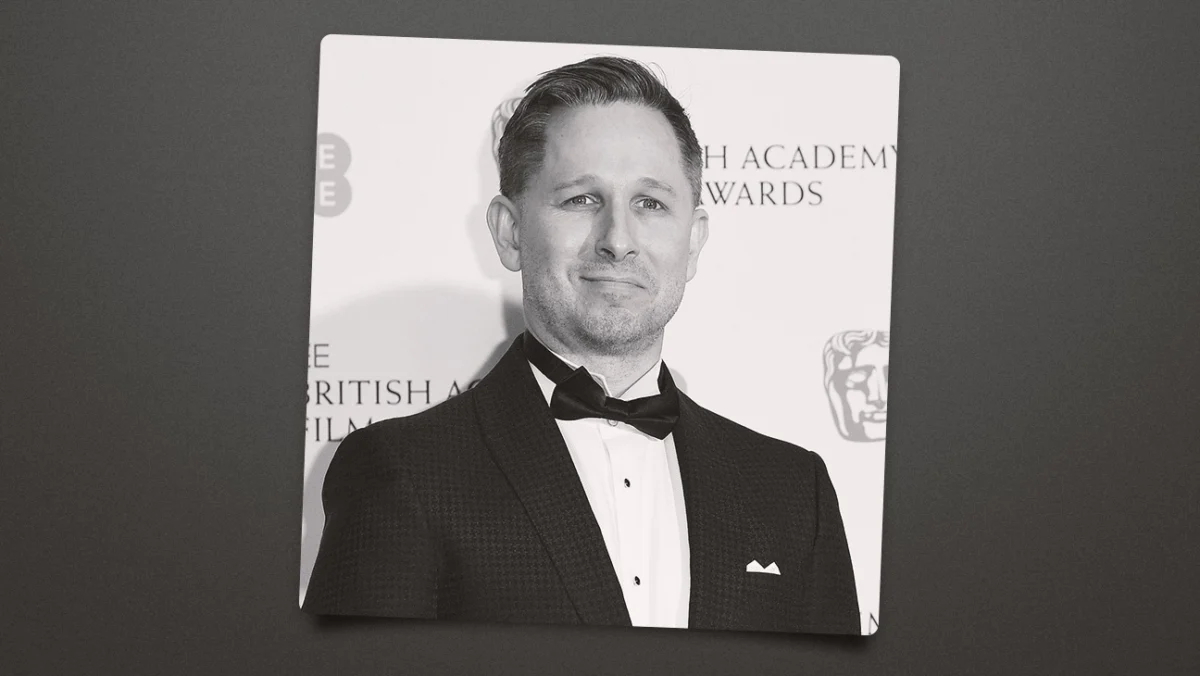
Elliot Graham, a distinguished film editor whose skillful hands shaped narratives in critically acclaimed films such as "Milk," "Steve Jobs," "Captain Marvel," and the James Bond finale "No Time to Die," has passed away. He was 50 years old. Graham died by suicide on Saturday in Los Angeles, according to records from the County of Los Angeles Medical Examiner.
The news of Graham’s death has sent ripples of shock and sadness through Hollywood, a community that recognized his significant contributions to cinematic storytelling. His career, though tragically cut short, was marked by a consistent ability to imbue films with rhythm, emotion, and compelling pace.
A Career Defined by Notable Collaborations and Critical Acclaim
Graham’s early work demonstrated a keen eye for narrative construction. His first credited role as a film editor was on the 2001 thriller "The Last Minute," directed by Stephen Norrington. This was followed by contributions to major studio productions, including additional editing for "X2: X-Men United" in 2003 and serving as the lead editor on Bryan Singer’s "Superman Returns" in 2006.
However, it was his work on Gus Van Sant’s "Milk" (2008) that brought Graham significant critical attention and an Academy Award nomination. The biopic, which chronicled the life of slain gay rights icon Harvey Milk, starring Sean Penn in an Oscar-winning performance, was lauded for its sensitive and powerful portrayal of a pivotal figure in American history. The film itself garnered eight Oscar nominations, including Best Picture, and won for Best Actor and Original Screenplay.
Dan Jinks, a producer on "Milk," took to Facebook to express his grief and acknowledge Graham’s crucial role in the film’s success. "Our movie ‘Milk’ wouldn’t have come together in the way it did without [Graham’s] amazing work," Jinks wrote, highlighting the editor’s integral contribution to the film’s emotional resonance and narrative flow. This collaboration with Van Sant marked a significant milestone in Graham’s career, establishing him as a talent capable of handling complex and emotionally charged subject matter.
Graham’s collaboration with Van Sant continued with the 2011 romantic drama "Restless," starring Mia Wasikowska, further solidifying his reputation as a versatile editor.
A Legacy of Blockbusters and Award-Winning Performances
In the years that followed, Graham’s portfolio expanded to include some of the most prominent films in contemporary cinema. He lent his editing expertise to Danny Boyle’s "Steve Jobs" (2015), a critically acclaimed, dialogue-driven drama that explored the complex life of the Apple co-founder. His work on the film was praised for its dynamic pacing and ability to navigate the intricate narrative structure.
He also played a key role in shaping the visual spectacle of blockbuster superhero films, serving as the editor for Anna Boden and Ryan Fleck’s "Captain Marvel" (2019), starring Brie Larson. This project demonstrated his capacity to manage the intricate editing demands of large-scale action sequences and character development within the expansive Marvel Cinematic Universe.
Perhaps one of his most high-profile achievements was his work on "No Time to Die" (2021), directed by Cary Joji Fukunaga. This film, marking Daniel Craig’s final outing as James Bond, earned Graham a BAFTA award for Best Editing, shared with Tom Cross. The win underscored his mastery of crafting suspenseful action, emotional depth, and a satisfying narrative conclusion for a beloved franchise. This would ultimately be his final credited work.
Graham’s diverse range was further evident in his contributions to a variety of other notable films, including Bill Paxton’s "The Greatest Game Ever Played" (2005), Robert Luketic’s casino heist film "21" (2008), Stephen Daldry’s drama "Trash" (2014), and Aaron Sorkin’s directorial debut "Molly’s Game" (2017). He also provided additional editing on films such as "The Amazing Spider-Man 2" (2014), "I Am Michael" (2015), and Cary Joji Fukunaga’s "Beasts of No Nation" (2015).
Beyond his film work, Graham also produced and served as film editor on the 2018 FX series "Trust," which delved into the sensational 1973 kidnapping of John Paul Getty III, showcasing his ability to translate compelling stories to the episodic television format.
A Life Dedicated to the Craft
Born on June 8, 1976, in Claremont, California, Elliot Graham’s journey into the world of filmmaking began early. His passion for storytelling through the medium of editing was evident throughout his career, as he consistently demonstrated an innate understanding of how to guide an audience’s emotional journey and interpret a director’s vision. The precise timing of cuts, the rhythm of scenes, and the seamless flow of narrative are all elements that editors like Graham master, often working behind the scenes to ensure the final product resonates deeply.
A Tragic Loss and a Reminder of Mental Health Struggles
The circumstances of Graham’s death, as confirmed by the Los Angeles County Medical Examiner, highlight the persistent and often silent struggles that many individuals in high-pressure industries face. The entertainment industry, known for its demanding schedules and intense creative environments, can take a significant toll on mental well-being.
While the specifics of Graham’s personal battles are not publicly detailed, his passing serves as a somber reminder of the importance of mental health awareness and support systems. Colleagues and friends, while mourning his loss, are also reflecting on the pressures faced by those in creative fields. The outpouring of tributes on social media and through professional networks speaks to the positive impact Graham had on those he worked with, suggesting a collaborative spirit and a dedication to his craft that was highly valued.
The loss of Elliot Graham is a significant blow to the film editing community. His contributions to cinema are indelible, leaving behind a body of work that will continue to be appreciated by audiences and filmmakers alike. His passing at such a relatively young age underscores the fragility of life and the profound impact that mental health challenges can have, even on individuals who achieve considerable professional success. The film industry, while celebrating his legacy, also grapples with the tragic reality of his untimely death and the broader implications for mental health within the creative arts.