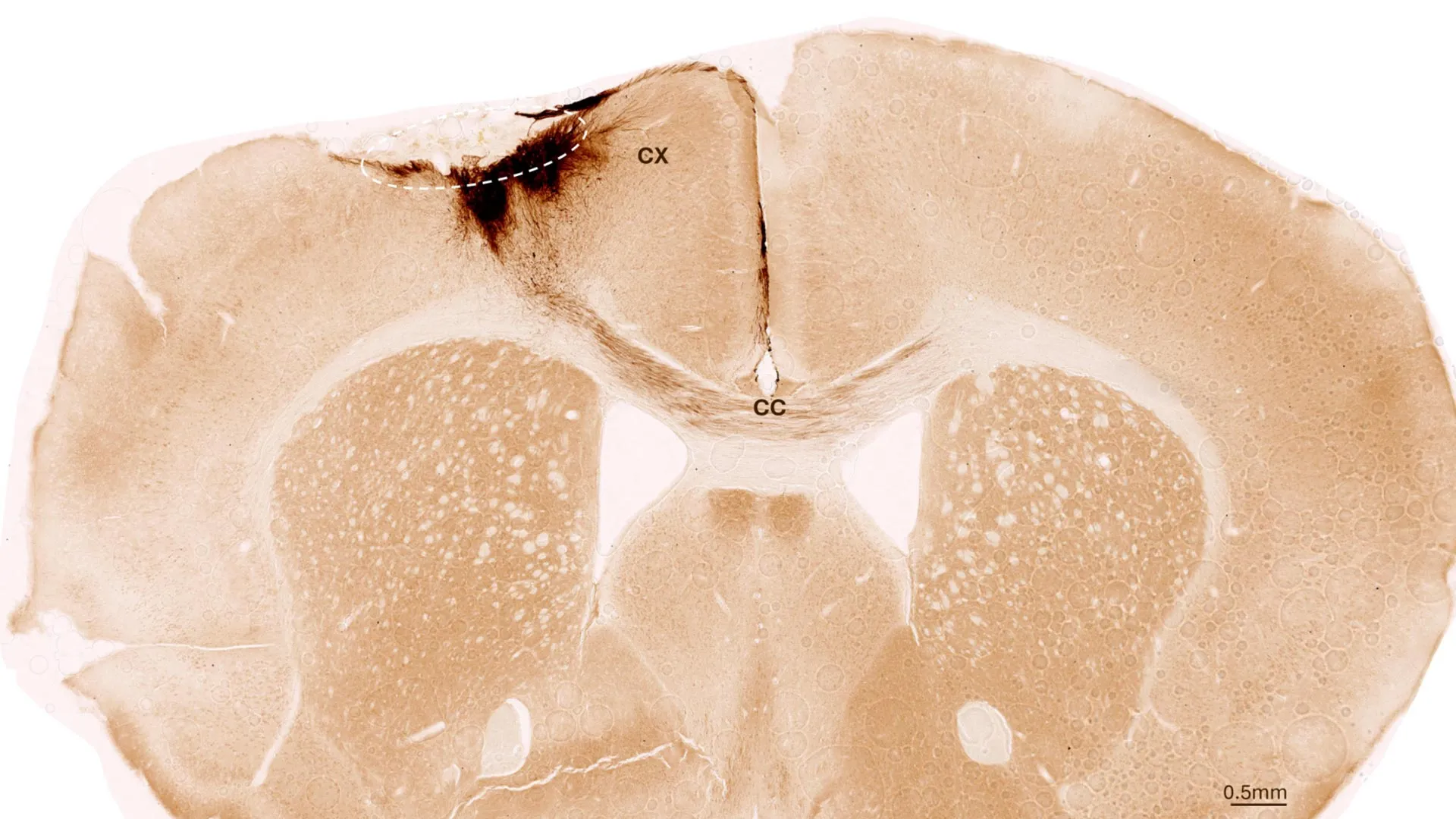
Researchers at the University of Zurich (UZH) have achieved a significant breakthrough in stroke recovery research, demonstrating that stem cell transplants can not only generate new neurons but also initiate a cascade of regenerative processes within the brain. In preclinical trials conducted on mice, this innovative treatment successfully restored motor function and triggered multiple forms of brain repair, marking a crucial step toward developing regenerative therapies for neurological damage.
Stroke remains a devastating global health crisis, affecting approximately one in four adults over their lifetime. The consequences are profound, with roughly half of stroke survivors left with persistent disabilities such as paralysis, speech impediments, cognitive deficits, and emotional disturbances. These life-altering conditions arise when a stroke, either through oxygen deprivation or bleeding, leads to the irreversible destruction of brain cells. Historically, the loss of these vital neurons has been considered permanent, with no effective treatments available to rebuild damaged brain tissue. This stark reality underscores the urgent need for novel therapeutic approaches, as emphasized by Christian Tackenberg, Scientific Head of Division in the Neurodegeneration Group at the UZH Institute for Regenerative Medicine. "That’s why it is essential to pursue new therapeutic approaches to potential brain regeneration after diseases or accidents," Tackenberg stated.
The Potential of Neural Stem Cells in Brain Regeneration
The UZH research team, in collaboration with a group led by Ruslan Rust from the University of Southern California, explored the potential of neural stem cells – versatile cells capable of differentiating into various cell types within the nervous system – as a therapeutic avenue. Their findings suggest that transplanted stem cells offer more than just a simple replacement for lost neurons. "Our findings show that neural stem cells not only form new neurons, but also induce other regeneration processes," Tackenberg elaborated, highlighting the multifaceted nature of the treatment’s impact.
The studies utilized human neural stem cells, engineered from induced pluripotent stem cells (iPSCs). iPSCs are generated by reprogramming ordinary human somatic cells, effectively reverting them to an embryonic-like state where they can develop into a wide array of cell types. This advanced cell technology was crucial for the researchers’ ability to generate the specific cell types needed for brain repair.
A Detailed Look at the Experimental Design and Results
To model human stroke conditions as closely as possible, the researchers induced permanent strokes in mice. These strokes were carefully calibrated to replicate key pathological features observed in human stroke patients. A significant aspect of the experimental design involved genetically modifying the mice to prevent immune rejection of the human stem cells. This crucial step ensured that the transplanted cells could survive and integrate into the host brain tissue, providing a reliable platform for evaluating their therapeutic potential.
One week after the stroke induction – a delay that proved to be a critical factor in the treatment’s efficacy – the researchers administered the neural stem cells directly into the damaged areas of the mice’s brains. Advanced imaging techniques and biochemical analyses were employed to meticulously track the fate and function of these transplanted cells over a five-week period.
The results were highly encouraging. The human neural stem cells not only survived the entire observation period but, crucially, a significant proportion differentiated into mature neurons. More remarkably, these newly formed neurons demonstrated the ability to communicate with the existing neural networks within the damaged brain. "We found that the stem cells survived for the full analysis period of five weeks and that most of them transformed into neurons, which actually even communicated with the already existing brain cells," Tackenberg confirmed. This integration into functional neural circuits is paramount, as the mere generation of new neurons is insufficient for restoring lost function; they must actively participate in the brain’s complex communication pathways.
Beyond Neuronal Replacement: A Broader Healing Response
The impact of the stem cell transplantation extended far beyond the generation of new neurons. The research revealed a comprehensive regenerative response within the brain, indicating that the transplanted cells acted as catalysts for multiple healing mechanisms. The study observed the formation of new blood vessels (angiogenesis) in the damaged tissue, a critical process for restoring oxygen and nutrient supply to compromised areas. Furthermore, the transplanted cells appeared to modulate inflammatory responses, reducing their intensity, and significantly improved the integrity of the blood-brain barrier.
The blood-brain barrier, a highly selective semipermeable border of endothelial cells that prevents solutes in the circulating blood from non-selectively crossing into the extracellular fluid of the central nervous system, plays a vital role in protecting the brain. Damage to this barrier following a stroke can exacerbate inflammation and lead to secondary injury. The observed improvement in its integrity suggests a more stable and protected brain environment post-treatment. "Our analysis goes far beyond the scope of other studies, which focused on the immediate effects right after transplantation," Tackenberg noted, emphasizing the study’s comprehensive approach to evaluating long-term regenerative outcomes.
Restoring Motor Function: Tangible Evidence of Recovery
The most compelling evidence of the treatment’s success came from the observed improvements in the animals’ motor capabilities. Stem cell transplantation effectively reversed the motor impairments that were a direct consequence of the strokes. The researchers employed sophisticated methods, including AI-assisted analysis of the mice’s walking patterns, to quantify these functional recoveries. This objective measurement provided concrete proof that the biological changes observed at the cellular and tissue level translated into meaningful improvements in the animals’ quality of life and mobility.
Strategic Timing and Future Clinical Applications
The UZH research team designed their experiments with eventual human application firmly in mind. For instance, the neural stem cells were produced without the use of animal-derived reagents. This careful consideration of material sourcing is essential for navigating the rigorous safety and regulatory pathways involved in developing human therapies, potentially reducing the risk of adverse reactions and simplifying the approval process.
The UZH team collaborated with the Center for iPS Cell Research and Application (CiRA) at Kyoto University to establish a defined production protocol for these human stem cells, further solidifying their commitment to creating a scalable and reproducible therapeutic product.
A particularly significant finding from the second study pertained to the timing of the stem cell transplantation. The researchers discovered that performing the transplantation one week after the stroke, rather than immediately, yielded superior results. This delayed intervention window offers a substantial practical advantage for clinical implementation. It provides medical professionals with more time to prepare the treatment and administer it, moving away from the high-pressure, immediate emergency response typically associated with stroke management. This finding could significantly streamline the logistical challenges of delivering stem cell therapy to stroke patients.
Navigating the Path to Human Trials
While the preclinical results are highly promising, the researchers acknowledge that several significant hurdles must be cleared before this therapy can be tested in human clinical trials. "We need to minimize risks and simplify a potential application in humans," Tackenberg emphasized.
A primary concern with any stem cell therapy is the potential for uncontrolled cell growth, leading to tumor formation within the brain. To address this critical safety issue, Tackenberg’s group, again in partnership with Ruslan Rust, is actively developing a safety switch mechanism designed to prevent such aberrant proliferation. This innovative approach aims to ensure the therapy’s safety profile is robust enough for human use.
Furthermore, the team is exploring less invasive methods for delivering the stem cells. Rather than directly injecting them into brain tissue, which is a complex surgical procedure, they are developing an endovascular injection approach. This technique would involve delivering the cells through the bloodstream via blood vessels, a significantly less invasive and more practical method for widespread clinical application.
The prospect of moving induced stem cell therapies into human testing is not without precedent. Initial clinical trials utilizing induced stem cells to treat Parkinson’s disease are already underway in Japan, offering a hopeful outlook for other neurodegenerative conditions. Tackenberg expressed optimism about the future, stating, "Stroke could be one of the next diseases for which a clinical trial becomes possible."
The implications of this research are far-reaching. Stroke, a leading cause of long-term disability, has long been characterized by a limited treatment landscape once the acute phase has passed. The UZH findings offer a tangible hope for functional recovery, potentially restoring independence and improving the quality of life for millions of stroke survivors worldwide. The ongoing work to refine the therapy’s safety and delivery methods brings the prospect of a regenerative treatment for stroke closer to reality, marking a pivotal moment in the quest to combat the devastating effects of this common neurological event. The journey from laboratory mice to human patients is complex and demanding, but the progress made by the University of Zurich researchers represents a significant leap forward in the field of regenerative medicine.