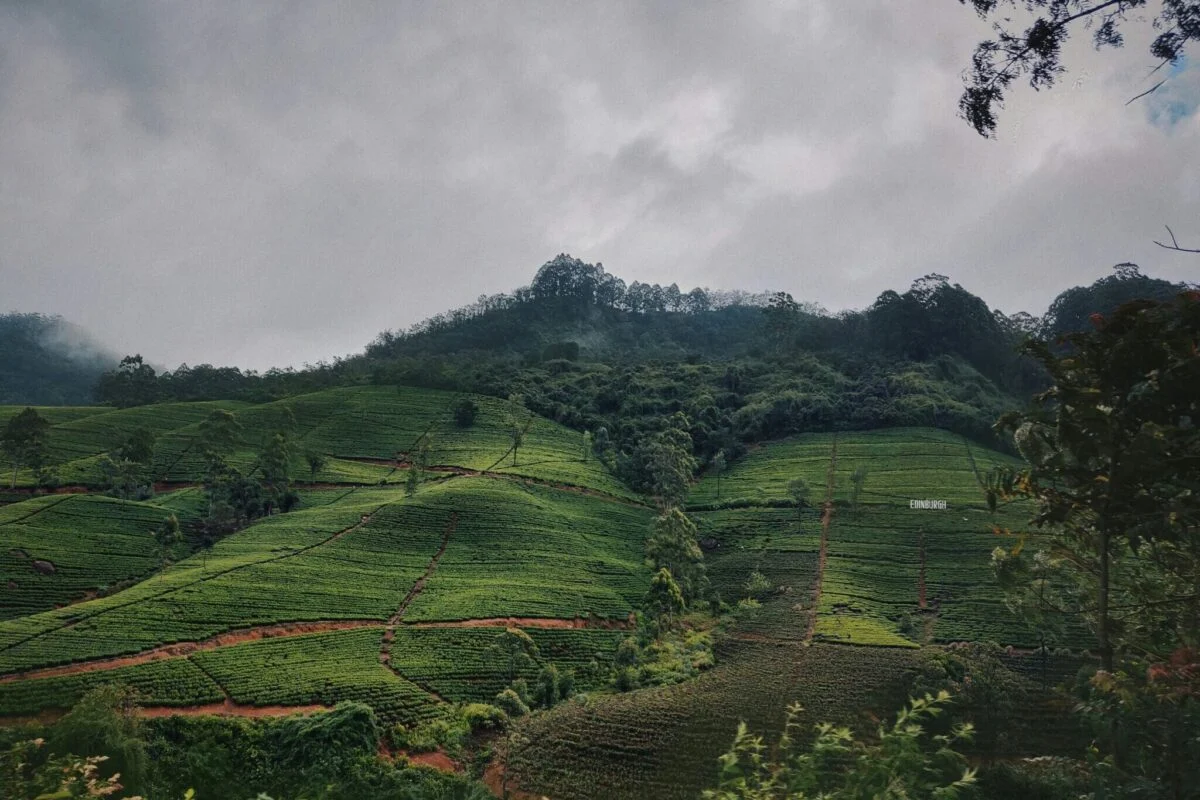
Sri Lanka has officially signaled a paradigm shift in its national tourism strategy, moving away from a traditional focus on arrival volumes toward a more lucrative, value-driven model. Speaking at the Arabian Travel Market (ATM) in Dubai, government officials announced a target of 3 million international visitors over the next 12 months, coupled with a bold objective to generate $5 billion in annual tourism earnings. This strategic pivot reflects the island nation’s urgent need to bolster foreign exchange reserves and stabilize its economy following years of unprecedented financial volatility.
Alexi Gunasekera, the Consul General of Sri Lanka to Dubai, articulated this vision during an exclusive briefing, emphasizing that the country is now prioritizing the "quality" of its visitors over the sheer "quantity" of arrivals. The government’s thesis is clear: while hitting numerical targets is a benchmark for recovery, the true measure of success lies in the per-capita expenditure of travelers. By courting high-end tourists, Sri Lanka aims to maximize the economic impact of every visitor who sets foot on the island.
The Economic Calculus: Bridging the Revenue Gap
The fiscal targets set by the Sri Lankan government represent a significant escalation from previous years. In 2023, the country generated approximately $3.2 billion from 2.36 million visitors. This translates to an average spend of roughly $1,360 per visitor. To reach the new $5 billion milestone with a 3-million-visitor cap, the average expenditure per traveler must rise to approximately $1,667—a nearly 23% increase in per-capita spending.
This shift is partly inspired by the success of regional neighbors, most notably the Maldives. Despite its smaller landmass, the Maldives earns roughly $2,480 per visitor, driven by its luxury-resort model and high-spending demographic. Sri Lanka’s leadership believes that by diversifying its offerings—moving beyond budget-friendly coastal tourism into high-end wellness, boutique eco-tourism, and luxury cultural experiences—it can close the revenue gap.
Tourism remains the third-largest source of foreign exchange for Sri Lanka, trailing only worker remittances and apparel exports. Given the nation’s ongoing debt restructuring efforts and its commitments to the International Monetary Fund (IMF), the $5 billion target is not merely a branding goal but an economic necessity.
A Timeline of Resilience: The Path to Recovery
To understand the weight of the current targets, one must look at the turbulent trajectory of Sri Lanka’s tourism sector over the last half-decade. The industry has faced a series of "black swan" events that would have permanently crippled less resilient destinations.
2018 marked a high point for the nation, with 2.33 million arrivals and the prestigious title of Lonely Planet’s top country to visit. However, the momentum was shattered by the 2019 Easter Sunday bombings, which targeted luxury hotels and churches, causing an immediate freefall in arrivals. Just as the sector began to stabilize in early 2020, the COVID-19 pandemic forced a global shutdown, effectively mothballing the industry for nearly two years.
The most severe blow came in 2022, when Sri Lanka succumbed to a massive economic crisis characterized by crippling fuel shortages, power outages, and widespread civil unrest. Tourism plummeted as foreign governments issued "do not travel" advisories. The recovery seen in late 2023 and early 2024 is therefore viewed by analysts as a remarkable turnaround, driven by a combination of aggressive international promotion and internal stabilization.
Strategic Market Segmentation and the ATM Influence
The Arabian Travel Market in Dubai served as a critical platform for Sri Lanka to re-engage with the Middle Eastern market, a demographic known for high discretionary spending and long-duration stays. Gunasekera noted that Middle Eastern travelers are particularly attracted to the "Cooler Climes" of Sri Lanka’s central highlands, such as Nuwara Eliya and Ella, which offer a reprieve from the Gulf’s summer heat.
Beyond the Middle East, Sri Lanka is doubling down on its top source markets:
- India: Remains the primary source of tourists, bolstered by proximity and increased flight connectivity.
- Russia: A significant market that has remained steady despite geopolitical tensions elsewhere.
- The United Kingdom and Germany: Traditional European markets that are being targeted for long-stay winter escapes.
- China: A rapidly recovering market following the lifting of its "Zero-COVID" policies.
To facilitate easier access, the Sri Lankan government recently implemented a pilot project offering visa-free entry to citizens of seven countries, including India, China, and Russia. This policy is designed to reduce friction at the point of entry, encouraging spontaneous travel and repeat visits.
Diversifying the Product: Beyond Sun, Sea, and Sand
A central pillar of the $5 billion strategy is the diversification of the "Sri Lanka brand." For decades, the country was marketed primarily as a beach destination. The new roadmap focuses on "niche" segments that command higher price points.
Wellness and Ayurveda
Capitalizing on the global wellness trend, Sri Lanka is positioning itself as a hub for authentic Ayurveda and meditation retreats. High-end wellness resorts in the island’s interior are attracting a demographic willing to pay a premium for holistic health experiences, often staying for two to three weeks at a time.
Sustainable and Eco-Tourism
With its high biodiversity, Sri Lanka is pivoting toward low-impact, high-value eco-tourism. This includes boutique glamping in national parks like Yala and Wilpattu, and sustainable tea-estate bungalows in the Hill Country. By limiting the number of beds in these sensitive areas, the country can maintain high prices while preserving its natural assets.
MICE Tourism (Meetings, Incentives, Conferences, and Exhibitions)
The government is also eyeing the lucrative MICE sector. With the development of Port City Colombo—a multi-billion dollar reclaimed land project—Sri Lanka aims to become a regional business hub, competing with the likes of Singapore and Dubai for international corporate events.
Infrastructure and Policy Challenges
While the vision is ambitious, industry stakeholders have voiced concerns regarding the infrastructure required to support a "quality-over-quantity" model. The Sri Lanka Association of Inbound Tour Operators (SLAITO) has frequently highlighted the need for consistent policy frameworks and improvements in domestic logistics.
The "minimum room rate" policy in Colombo hotels, reintroduced to prevent a "race to the bottom" in pricing, has been a point of contention. While the government argues it ensures a baseline of quality and revenue, some tour operators worry it may deter price-sensitive group travelers.
Furthermore, the transition to high-value tourism requires a workforce trained in international luxury standards. After the 2022 crisis, a significant portion of Sri Lanka’s hospitality talent migrated to the Middle East and Europe. Re-skilling the local workforce and stemming the "brain drain" is essential if the country is to deliver on its promise of a premium experience.
Implications for Global Tourism Trends
Sri Lanka’s strategy mirrors a growing global trend where destinations are grappling with the negative impacts of "overtourism." From Venice to Bali, authorities are beginning to prioritize revenue and sustainability over arrival records. Sri Lanka’s move is a proactive attempt to avoid the pitfalls of mass tourism before it reaches unmanageable levels.
By setting a $5 billion target, the government is also signaling to foreign investors that the tourism sector is a safe and profitable bet. The influx of international hotel chains—including Hilton, Sheraton, and Ritz-Carlton—into the Sri Lankan market suggests that global capital is aligned with the government’s high-value vision.
Conclusion: A High-Stakes Transformation
The next 12 months will be a litmus test for Sri Lanka’s ability to execute a sophisticated marketing and economic pivot. The transition from a "budget paradise" to a "premium destination" is a complex maneuver that requires alignment between government policy, private sector investment, and global travel trends.
If successful, Sri Lanka will not only secure the $5 billion necessary for its economic stability but will also establish a sustainable blueprint for other developing island nations. The focus on quality over quantity is a gamble, but in an era where travelers are increasingly seeking authentic, high-quality, and sustainable experiences, it is a gamble that aligns with the future of global travel. As the world watches, Sri Lanka is betting that its unique blend of culture, nature, and hospitality is worth every cent of the $1,667 average spend it now seeks from every visitor.