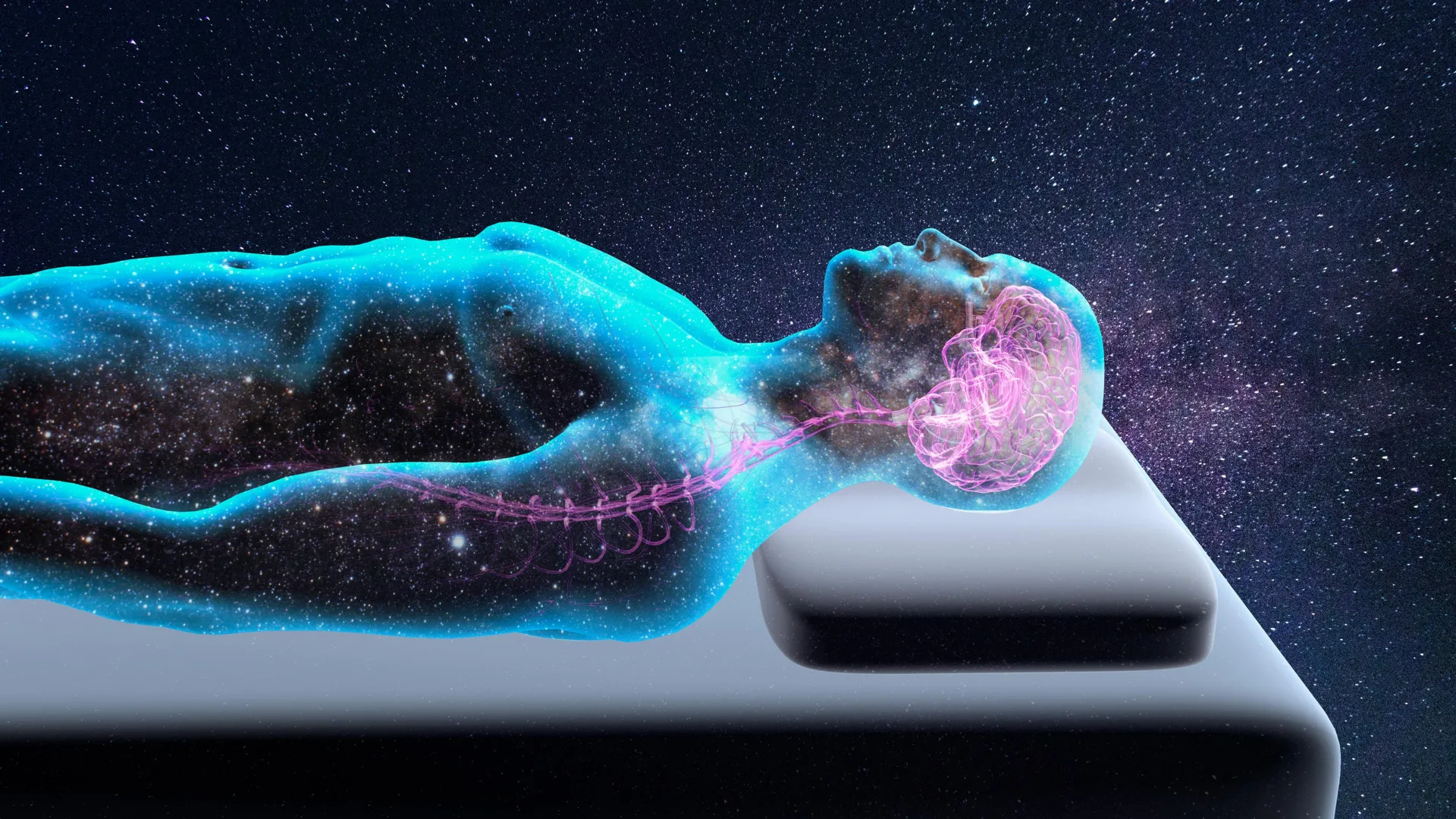
Greater amounts of REM and deep sleep were associated with lower risks of dozens of diseases, and less than 5 hours of total sleep was associated with high risks of disease, according to a new study published September 17th in the open access journal PLOS Medicine by Shengzhi Sun of Capital Medical University, China, and colleagues.
The Growing Global Sleep Crisis and Its Health Ramifications
The findings of this comprehensive study arrive at a critical juncture, as sleep deprivation and poor sleep quality are increasingly recognized as a pervasive global health challenge. In China, sleep health has been prioritized by the National Health Commission, reflecting a broader societal concern. The 2026 China Sleep Health White Paper highlights a significant portion of the population struggling with insufficient sleep, with 23 percent reporting less than 6 hours per night, and a mere 26 percent maintaining a consistent sleep schedule. This trend of increasing sleep disturbances over time underscores the urgent need for scientific understanding and effective public health interventions. The relevance of this new research to Chinese citizens, and indeed to populations worldwide, cannot be overstated, offering concrete data to support the long-held intuition that sleep is not merely a period of rest but a fundamental pillar of health.
Historically, understanding the intricate relationship between specific sleep stages and long-term health outcomes has been hampered by the limitations of self-reported sleep data. These subjective assessments often demonstrate a poor correlation with objective physiological measurements, making it challenging to accurately capture the nuances of real-world sleep patterns and their impact on health. This study’s innovative approach, utilizing objective data collection, marks a significant step forward in bridging this knowledge gap.
Methodology: A Deep Dive into Sleep Patterns with Objective Data
The groundbreaking research, conducted by a team from Capital Medical University in China, delved into the sleep patterns of a substantial cohort of 95,559 participants from the UK Biobank. To ensure the highest degree of accuracy and objectivity, participants were equipped with wrist accelerometers. These devices meticulously tracked their sleep for seven consecutive days and nights, capturing a wealth of detailed physiological data.
At the heart of the data analysis was a sophisticated deep-learning algorithm. This advanced computational tool was instrumental in precisely calculating crucial sleep metrics, including the duration of Rapid Eye Movement (REM) sleep, deep sleep, and light sleep. Beyond sleep stages, the algorithm also determined total sleep duration, the amount of wakefulness experienced after initially falling asleep (wakefulness after sleep onset), and the degree of night-to-night sleep irregularity.
The study’s longitudinal design provided a robust framework for assessing long-term health impacts. Participants were followed for a median period of 8.9 years. During this extensive follow-up, their health records were meticulously examined to identify associations with an impressive array of over 1,000 disease outcomes. This comprehensive approach allowed researchers to draw statistically significant connections between specific sleep characteristics and the incidence of a wide spectrum of diseases.
Key Findings: The Protective Power of Quality Sleep and the Perils of Insufficiency
The results of this extensive investigation paint a clear picture of the profound influence of sleep architecture on disease risk. A particularly striking finding was the significant protective effect of REM sleep. For every interquartile range increase in REM sleep (equating to approximately 47.6 minutes), participants demonstrated a lower risk of developing an astonishing 83 different diseases. Among the most notable conditions associated with greater REM sleep were heart failure (with a hazard ratio of 0.74, indicating a 26% reduction in risk), dementia (hazard ratio of 0.54, a 46% reduction), and Parkinson’s disease (hazard ratio of 0.20, an 80% reduction). These figures highlight the critical role REM sleep plays in neurological and cardiovascular health.
Deep sleep also emerged as a vital component of a healthy sleep profile, linked to a reduced risk of 7 distinct conditions. These included the prevalent metabolic disorder type 2 diabetes and the debilitating mental health condition major depressive disorder. The cumulative evidence suggests that both REM and deep sleep stages are not merely indicators of rest but active contributors to physiological repair, cognitive function, and disease prevention.
Conversely, the study identified significant health risks associated with poorer sleep quality and irregularity. Greater sleep irregularity and increased wakefulness after sleep onset were each associated with a higher risk of developing several conditions, including anxiety disorders and substance use disorders. These findings underscore that fragmented or disrupted sleep can have tangible negative consequences on mental well-being and increase vulnerability to addiction.
The relationship between total sleep duration and disease risk was found to be non-linear, meaning it did not follow a simple straight line. The lowest risk for many conditions was observed within a total sleep window of 6 to 8 hours. However, the study delivered a stark warning about the dangers of insufficient sleep. Individuals who consistently slept less than 5 hours per night faced the most elevated clinical vulnerability, exhibiting an increased risk of 37 different conditions. This critical threshold highlights the immediate and profound impact of severe sleep deprivation on overall health.
Expert Commentary: Reinforcing Sleep Duration Recommendations and Future Directions
In their discussion of the findings, the authors emphasized the robust evidence supporting the recommendation of 6-8 hours of sleep duration for middle-aged and older adults. They posited that this optimal window likely contributes to more favorable distributions of essential sleep stages, thereby acting as a significant health safeguard. "Maintaining a sleep duration of 6-8 hours can effectively reduce the risk of multiple diseases, providing new insights for health promotion and preventive practice," the authors stated, underscoring the practical implications of their research for public health strategies.
The authors further elaborated on the statistical rigor of their analysis, noting that their "phenome-wide association analysis identified 156 significant associations between sleep patterns and incident diseases after Bonferroni correction." This rigorous statistical approach enhances the reliability of their findings, ensuring that the identified associations are unlikely to be due to chance.
Regarding sleep duration, they provided more granular detail: "Sleep duration exhibited significant non-linear associations with 86 disease phenotypes, with the minimum-risk duration for the majority of these conditions (69 phenotypes) precisely concentrated within a 6-8 hour window." This specific concentration reinforces the established guidelines for sleep duration and provides a data-driven basis for public health messaging.
Broader Implications: A Call for Sleep-Centric Health Initiatives
The implications of this study extend far beyond academic circles. For individuals, it serves as a powerful motivator to prioritize sleep hygiene and address any underlying sleep disturbances. For healthcare professionals, it provides concrete, evidence-based data to inform patient counseling and treatment strategies. The identification of specific sleep stages as protective factors could pave the way for more targeted interventions.
For policymakers and public health organizations, the findings reinforce the importance of sleep health initiatives. This could include public awareness campaigns, educational programs in schools and workplaces, and the promotion of policies that support healthy sleep, such as reasonable work hours and access to sleep disorder treatment. The study’s emphasis on objective measurements also highlights the need for greater investment in sleep research and the development of accessible, accurate sleep monitoring technologies.
Addressing the Limitations: Observational Nature of the Study
It is crucial to acknowledge the nature of this research. As an observational study, it can identify strong associations between sleep patterns and disease risk, but it cannot definitively establish a cause-and-effect relationship. While the findings are compelling, further research, potentially involving interventional studies, would be necessary to confirm causality. However, the robust methodology, large sample size, and extensive follow-up period lend significant weight to the observed associations.
Funding and Acknowledgment
This significant research endeavor was made possible through the generous support of several esteemed funding bodies. The National Science Fund for Distinguished Young Scholars (82025031 to RC), the Key Program of the National Natural Science Foundation of China (82230109 to RC), the Beijing Outstanding Young Scientist Program (JWZQ20240101024 to RC), and the Young Beijing Scholars Project, the Chinese Institutes for Medical Research, Beijing (CX23YZ01 to RC) all provided essential financial backing. The funders played no role in the study design, data collection, analysis, decision to publish, or the preparation of the manuscript, ensuring the integrity and independence of the research.
Conclusion: A Blueprint for a Healthier Future Through Sleep
In conclusion, this landmark study from Capital Medical University offers compelling, data-driven insights into the critical role of sleep quality and quantity in preventing a wide array of diseases. By moving beyond subjective reporting and employing objective, technologically advanced methods, the research provides a clearer, more accurate understanding of how REM sleep, deep sleep, and overall sleep duration contribute to long-term health. The findings serve as a powerful testament to the transformative potential of prioritizing sleep, offering a blueprint for individuals, healthcare providers, and policymakers to foster a healthier future, one night of restorative sleep at a time. The study’s contribution to the growing body of evidence on sleep and health is substantial, urging a global re-evaluation of our collective approach to this fundamental human need.