For over seventy years, 6-thioguanine (6-TG), a cornerstone in the treatment of acute myeloid leukemia (AML) and other forms of leukemia, has been a vital weapon in the oncologist’s arsenal. Its clinical efficacy in combating malignant blood cells is well-established, yet a persistent enigma has remained: the precise molecular mechanisms dictating why some leukemic cells succumb to its cytotoxic effects while others exhibit remarkable resistance. This enduring question has now been illuminated by a groundbreaking collaborative effort, pinpointing a previously overlooked protein, NUDT5, as a critical determinant in cellular response to this long-standing chemotherapeutic agent.
This pivotal discovery, published in a recent issue of Science, emerges from the combined expertise of researchers at the CeMM Research Center for Molecular Medicine of the Austrian Academy of Sciences, in partnership with esteemed institutions including the University of Oxford, the Weizmann Institute of Science, and the University of Dundee. Their work transcends conventional understanding, revealing that NUDT5’s influence on 6-TG’s efficacy is not solely rooted in its enzymatic capabilities, but rather in its structural role within the cellular machinery.
The Unexpected Role of NUDT5: Beyond Enzymatic Activity
The journey to this revelation began with a complementary, preceding discovery from the laboratories of Kubicek and Huber, also published in Science in 2025. This prior research established that NUDT5 possesses a multifaceted role within the cell, extending beyond its well-characterized function as an enzyme that catalyzes specific chemical reactions. Instead, it was found to act as a crucial molecular scaffold, instrumental in organizing and orchestrating the complex network of cellular metabolism. This novel understanding of NUDT5 as a structural component, rather than purely a catalytic agent, provided the crucial conceptual leap for the current investigation.
"Our initial hypothesis was that NUDT5 would influence 6-TG through its enzymatic activity, as is common with many drug targets," explained Tuan-Anh Nguyen, a co-first author of the study and researcher at CeMM. "However, our experiments demonstrated that inhibiting the enzyme’s catalytic function had a negligible impact on the drug’s effectiveness. The critical factor, it turned out, was the mere presence or absence of the protein itself."
This distinction between enzymatic activity and physical presence is fundamental. Many drug development strategies traditionally focus on blocking the chemical reactions catalyzed by target proteins. The CeMM-led team, however, sought to explore a more radical intervention: the complete elimination of the protein.
Targeted Protein Degradation: A New Paradigm in Drug Discovery
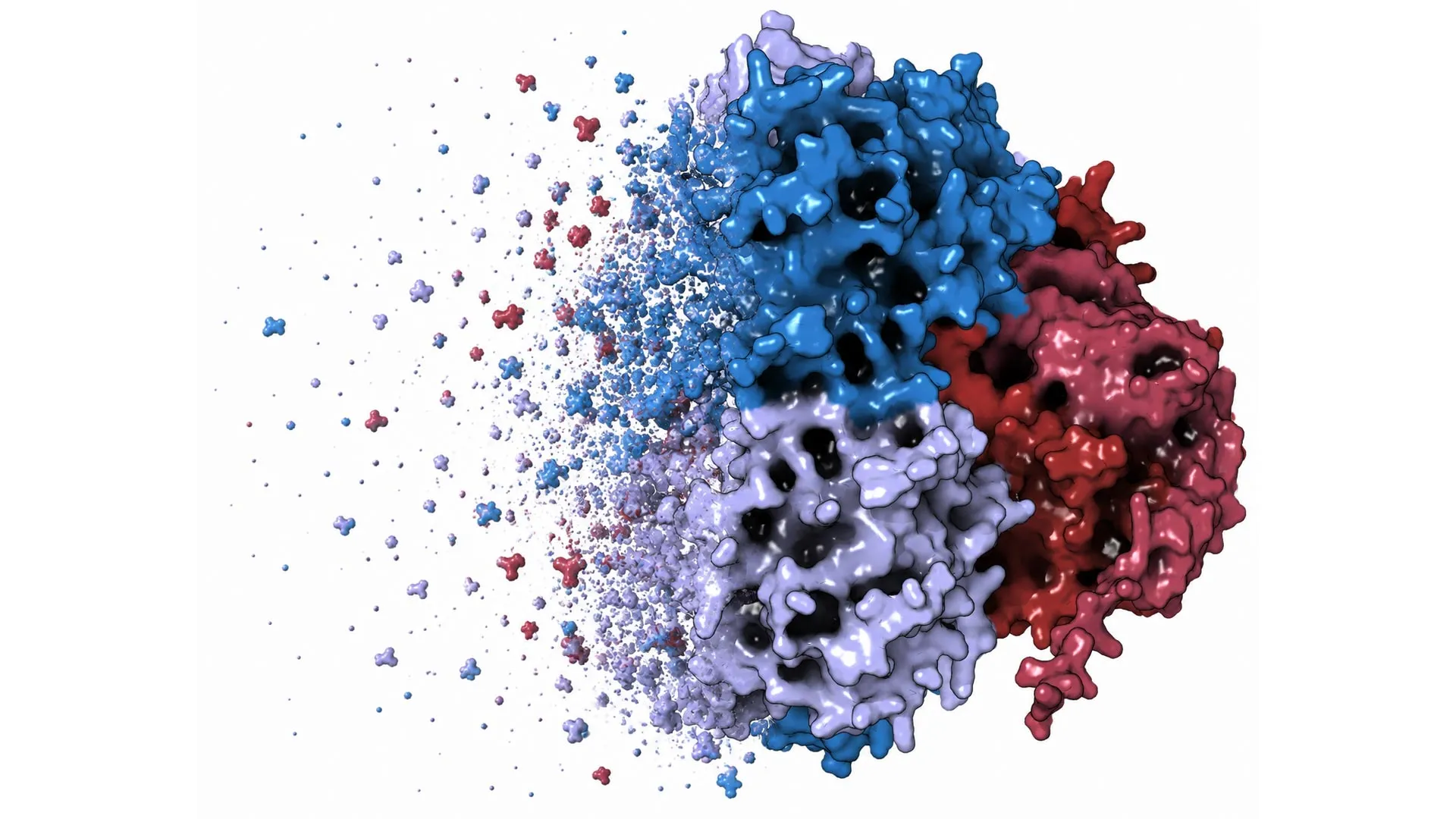
To rigorously test their hypothesis, the researchers employed an innovative and rapidly advancing methodology known as targeted protein degradation. Unlike conventional inhibitors that merely suppress a protein’s function, this technique engineers cellular machinery to actively dismantle and remove the target protein entirely. This approach offers a powerful tool to dissect the functional contributions of a protein, distinguishing its enzymatic roles from its structural or scaffolding contributions.
"We established a specialized cell-based platform designed to expedite the identification of molecules capable of degrading NUDT5," stated Anne-Sophie Marques, another first author whose work at Oxford was instrumental in these findings. "This platform served as a crucial guide for our medicinal chemistry efforts, ultimately leading to the development of dNUDT5, our most potent NUDT5 degrader."
A dedicated medicinal chemistry program, spearheaded by the Huber laboratory at the University of Oxford, successfully synthesized a library of highly selective compounds designed to target and eliminate NUDT5. Crucially, these efforts also yielded matched control compounds. These controls were engineered to bind to NUDT5, mimicking the initial interaction, but crucially, they did not trigger the protein’s degradation. This allowed for a precise comparison between the effects of simply blocking enzymatic activity and the complete removal of the protein.
The Decisive Impact of Protein Removal
The comparative analysis yielded striking results. When the researchers used conventional NUDT5 inhibitors to block its enzymatic activity, they observed no significant alteration in how the leukemic cells responded to 6-TG. However, when they utilized dNUDT5 to eliminate NUDT5 from the cells, a dramatic protective effect was observed: the cells were rendered significantly more resistant to the cytotoxic actions of 6-TG. This finding was further corroborated by independent genetic experiments, reinforcing the conclusion that NUDT5’s physical presence, not its catalytic function, is key to its role in drug sensitivity.
Professor Kilian Huber, from the Centre for Medicines Discovery at the University of Oxford and a co-corresponding author of the study, emphasized the significance of this methodological advancement: "Chemical degraders provide us with an unparalleled ability to decouple a protein’s enzymatic function from its role as a physical entity within the cell. In this particular case, making this distinction was absolutely critical. By removing NUDT5, we uncovered biological insights that would have remained entirely hidden from us had we relied solely on conventional inhibitors."
A Hidden Mechanism Beyond Catalysis
These findings strongly suggest that NUDT5 modulates sensitivity to thiopurine drugs, including 6-TG, through a mechanism that is entirely independent of its catalytic prowess. In essence, understanding the chemical reactions NUDT5 performs is insufficient to fully comprehend its profound influence on how cells respond to this vital leukemia treatment.
"The moment the experimental results began to materialize, it became unequivocally clear that dNUDT5 was protecting cells from 6-thioguanine toxicity in a dose-dependent manner. It was an incredibly exhilarating breakthrough," recounted Ludwig Bauer, a first author on the paper.
Furthermore, the research unearthed an intriguing interplay between NUDT5 and another protein, NUDT15. NUDT15 is already recognized within the medical community for its established role in influencing patient responses to thiopurine medications. The current study reveals that NUDT5 and NUDT15 appear to exert opposing effects on thiopurine sensitivity.
Specifically, a deficiency or loss of NUDT15 function has been linked to increased sensitivity to 6-TG. Conversely, the reduction or removal of NUDT5, as demonstrated in this research, confers resistance to the same treatment. This suggests a finely tuned balance, where these two proteins, acting through distinct molecular pathways, can steer cellular responses to thiopurines in diametrically opposed directions.
"Our findings underscore a critical biological principle: proteins can possess significant functional roles that are entirely divorced from their enzymatic activity," stated Stefan Kubicek, a corresponding author and Principal Investigator at CeMM. "By employing targeted protein degradation to remove NUDT5, rather than simply inhibiting its enzymatic function, we have successfully unveiled a hidden layer of cellular biology that plays a crucial role in determining how cells react to a drug of significant clinical importance."
Implications for Leukemia Treatment and Drug Development
While this research does not immediately translate into a new direct therapeutic intervention, it provides a profound new understanding of the intricate mechanisms governing the efficacy of a long-established leukemia drug. By elucidating that NUDT5 influences 6-TG response through a non-catalytic function, the study opens new avenues for researchers aiming to unravel the complexities behind variable patient responses to thiopurine therapy.
Moreover, this work serves as a compelling demonstration of the power of targeted protein degradation. It highlights how this advanced methodology can expose biological functions that might otherwise remain imperceptible when researchers are limited to the use of traditional enzyme inhibitors. This has significant implications for the broader field of drug discovery, suggesting that many cellular processes regulated by non-enzymatic protein functions may have been previously overlooked.
The implications for future therapeutic strategies are substantial. A deeper comprehension of the NUDT5-NUDT15 axis could pave the way for personalized medicine approaches, enabling clinicians to predict and potentially mitigate treatment resistance based on an individual patient’s genetic makeup and protein expression profiles. Furthermore, the identification of NUDT5 as a modulator of drug response could also lead to the development of novel combination therapies, where agents targeting NUDT5 or its associated pathways are used in conjunction with 6-TG to enhance treatment efficacy and overcome resistance mechanisms.
The research team is now focused on further dissecting the precise structural role NUDT5 plays within the cell. Understanding how its physical presence as a scaffold influences metabolic pathways and cellular signaling in the context of 6-TG treatment will be the next frontier. This continued investigation promises to deepen our understanding of leukemia biology and could ultimately lead to the development of more effective and targeted therapies for patients battling these devastating diseases.
This significant scientific undertaking was made possible through the generous support of various funding bodies, including the European Research Council (ERC) under the European Union’s Horizon 2020 research and innovation program, the Austrian Science Fund (FWF), the Vienna Science and Technology Fund (WWTF), the Marie Skłodowska-Curie Actions Postdoctoral Fellowships program, the Innovative Medicines Initiative 2 Joint Undertaking (IMI2 JU), the Wellcome Trust, Merck Sharp & Dohme Corp., and Janssen Pharmaceutica NV. Their investment in fundamental scientific inquiry continues to drive critical advancements in human health.