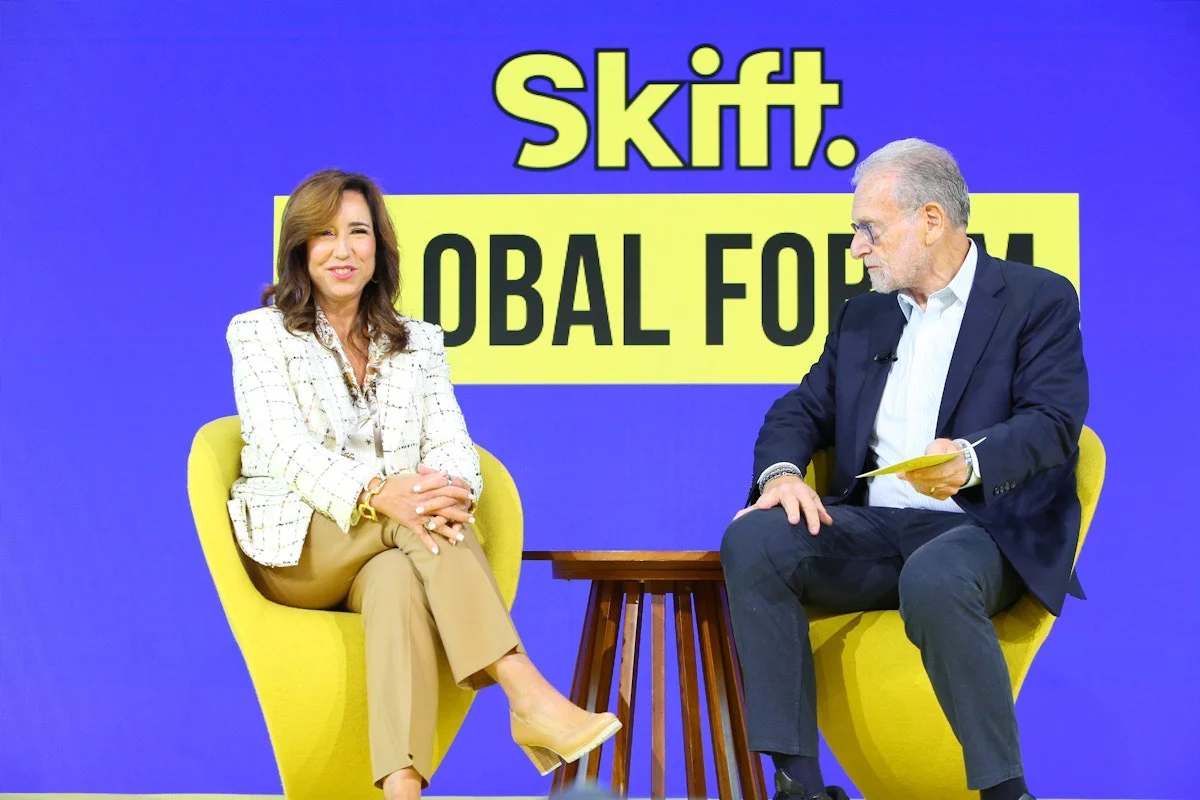
The global travel landscape is currently navigating a period of profound transformation, as consumer preferences and behavioral patterns continue to diverge from long-standing industry norms. Speaking at the Skift Global Forum in a session moderated by CBS News Senior Travel Correspondent Peter Greenberg, Christine Duffy, President of Carnival Cruise Line, provided a comprehensive analysis of how the cruise industry is adapting to these shifts. According to Duffy, the behavioral changes observed in guests since the pandemic are not merely anecdotal but are "real and measurable," necessitating a fundamental redesign of the onboard experience, particularly regarding how travelers choose to spend their time and consume food and beverage services.
The Death of the Traditional 90-Minute Dinner
For decades, the hallmark of a luxury or mainstream cruise experience was the formal, multi-course dinner in the Main Dining Room. This experience typically lasted between 90 minutes and two hours, often featuring set seating times at 6:00 p.m. and 8:15 p.m. However, Duffy revealed that this tradition is rapidly becoming a relic of the past. Modern guests, she noted, "absolutely do not want" a protracted 90-minute dining experience.
The shift is driven by a desire for greater autonomy and a rejection of rigid schedules. In response, Carnival has pioneered "express dining" formats that aim to deliver a high-quality meal in under an hour. This change is not just about speed; it is about opportunity cost. Guests today view time as their most precious commodity. By reducing the time spent in the dining room, passengers can reallocate those minutes toward entertainment, social activities, or visiting the ship’s various lounges and casinos.
This move toward brevity is supported by internal data showing that the demand for "Your Time Dining"—a flexible model where guests eat whenever they choose—has surged, often outpacing the capacity of traditional fixed-seating arrangements. To manage this, Carnival has heavily integrated its "Hub App," allowing guests to join a virtual queue for dinner, thereby eliminating the need to stand in physical lines and allowing them to continue enjoying the ship’s amenities until their table is ready.
The 5 P.M. Surge: A New Chronology of the Evening
One of the most striking data points shared by Duffy involves the timing of guest activity. Historically, the "late seating" at 8:00 p.m. or 8:15 p.m. was a popular choice for adults and those wishing to see a sunset before eating. Today, that preference has flipped. Guests who previously requested late dining are now lining up as early as 5:00 p.m.
This "early bird" phenomenon is reshaping the operational flow of the entire ship. When a significant portion of the 5,000 to 6,000 guests on an Excel-class ship—such as the Mardi Gras, Carnival Celebration, or Carnival Jubilee—decide to eat simultaneously at 5:00 p.m., it creates logistical challenges for galley staff and front-of-house teams.
Industry analysts suggest this shift may be a carryover from pandemic-era habits where limited operating hours for land-based restaurants encouraged earlier dining. Furthermore, as the cruise demographic trends younger, families with children and Millennial travelers are prioritizing early meals to ensure they can attend the first showing of high-production theater acts or participate in late-night deck parties without feeling rushed or overly full.
Strategic Operational Responses and the Rise of Fast-Casual
To address these evolving behaviors, Carnival has diversified its culinary portfolio. The traditional buffet and main dining room are now supplemented by a vast array of fast-casual and "street food" style outlets. Brands like Guy’s Burger Joint (a partnership with Guy Fieri), Shaq’s Big Chicken, and BlueIguana Cantina have become central to the guest experience.
These outlets offer high-quality, made-to-order food with minimal wait times, perfectly aligning with the "express" mindset Duffy described. By distributing the dining load across multiple venues, the cruise line can mitigate the pressure on the Main Dining Room during the peak 5:00 p.m. rush.
Moreover, the introduction of "Celebrity-Chef" partnerships has allowed Carnival to maintain a premium feel even within a casual environment. This strategy effectively bridges the gap between the desire for a "vacation-worthy" meal and the refusal to spend two hours sitting in a formal environment.

Supporting Data: The Economic and Demographic Context
The shifts Duffy outlined occur against a backdrop of record-breaking growth for the cruise industry. According to the Cruise Lines International Association (CLIA) 2024 State of the Cruise Industry report, passenger volume reached 31.7 million in 2023, surpassing 2019 levels by 7%. Carnival Corporation, the parent company of Carnival Cruise Line, reported in its most recent fiscal filings that booking volumes have hit all-time highs, with the company consistently operating at or above 100% occupancy.
Data indicates that the "value gap" between land-based vacations and cruising remains a primary driver of this growth. Cruises are currently estimated to be 25% to 50% cheaper than comparable land-based resort stays when factoring in meals and entertainment. However, as the price of land-based hospitality rises, guest expectations for efficiency and modern service also increase.
Demographically, the cruise industry is seeing a significant influx of first-time cruisers. CLIA reports that 27% of cruisers over the past two years are new to the industry. These new entrants do not have the same attachment to traditional cruise "rituals" like formal nights or long dinners, which explains why Duffy is seeing such a rapid departure from legacy behaviors.
Official Responses and Industry Sentiment
The sentiments expressed by Duffy are echoed by other leaders in the hospitality sector. During the Skift Global Forum, various executives noted that the "blurring of lines" between work and play has led to a more fragmented daily schedule for travelers.
"We are seeing a total re-evaluation of the guest journey," noted one hospitality analyst following Duffy’s session. "If a guest is used to the efficiency of DoorDash or the speed of a high-end fast-casual restaurant on land, they expect that same level of frictionless service at sea. Carnival’s move toward express dining is a necessary evolution to stay relevant to a tech-savvy, time-sensitive audience."
Carnival’s competitors, including Royal Caribbean and Norwegian Cruise Line, have also experimented with dining formats. Norwegian’s "Freestyle Dining" was an early pioneer of this movement, but Duffy’s recent comments suggest that even the most traditional "fun ship" models must now pivot toward extreme flexibility to keep pace with consumer demand.
Broader Impact and Implications for the Travel Industry
The implications of Duffy’s observations extend far beyond the cruise sector. Hospitality companies across the board—including hotels, theme parks, and all-inclusive resorts—must consider how the "time-poverty" of the modern consumer affects their service models.
- Staffing and Labor Allocation: If guests are dining earlier and faster, staffing models must be adjusted. The "peak" hour is shifting, and labor must be front-loaded to handle the 5:00 p.m. surge. This may require cross-training staff to move from daytime activities to dining service more fluidly.
- Digital Integration: The success of the "Hub App" in managing dining flows suggests that digital intermediaries are no longer optional. For hospitality brands, the app is the primary interface for the guest, and its ability to reduce "friction" (lines, waiting, uncertainty) is a key metric of success.
- Real Estate and Ship Design: Future ship designs will likely prioritize more open-concept, casual dining spaces over massive, multi-level formal dining rooms. We are already seeing this in Carnival’s Excel-class ships, where "zones" like the French Quarter or Summer Landing offer localized dining and entertainment, reducing the need for guests to migrate to a single central location.
- Sustainability and Food Waste: Shorter dining times and more predictable, app-driven ordering can lead to better inventory management. By understanding exactly when and where guests are eating, cruise lines can reduce the over-preparation of food, which is a critical component of the industry’s broader environmental and sustainability goals.
The Future of the "Fun Ship" Experience
As Carnival Cruise Line moves forward, the focus remains on maintaining its identity as the "Value Leader" while modernizing the delivery of that value. Christine Duffy’s insights at the Skift Global Forum serve as a blueprint for this transition. The company is not just selling a cabin on a ship; it is selling an optimized experience where the guest is in total control of their schedule.
The rejection of the 90-minute dinner is not a sign of a less sophisticated traveler, but rather a more engaged one. Today’s cruiser wants to see the comedy show, try their luck at the casino, and grab a cocktail at the Alchemy Bar, all before 9:00 p.m. By listening to the data and observing these "material" changes in behavior, Carnival is positioning itself to capture the next generation of travelers who prioritize experiences over ceremonies.
In conclusion, the post-COVID traveler is characterized by a desire for speed, flexibility, and early engagement. For Carnival and the wider travel industry, the message from the Skift Global Forum is clear: adapt to the guest’s clock, or risk being left behind in the wake of a rapidly changing market. The era of the rigid cruise itinerary is over; the era of the guest-led, express-speed vacation has officially begun.