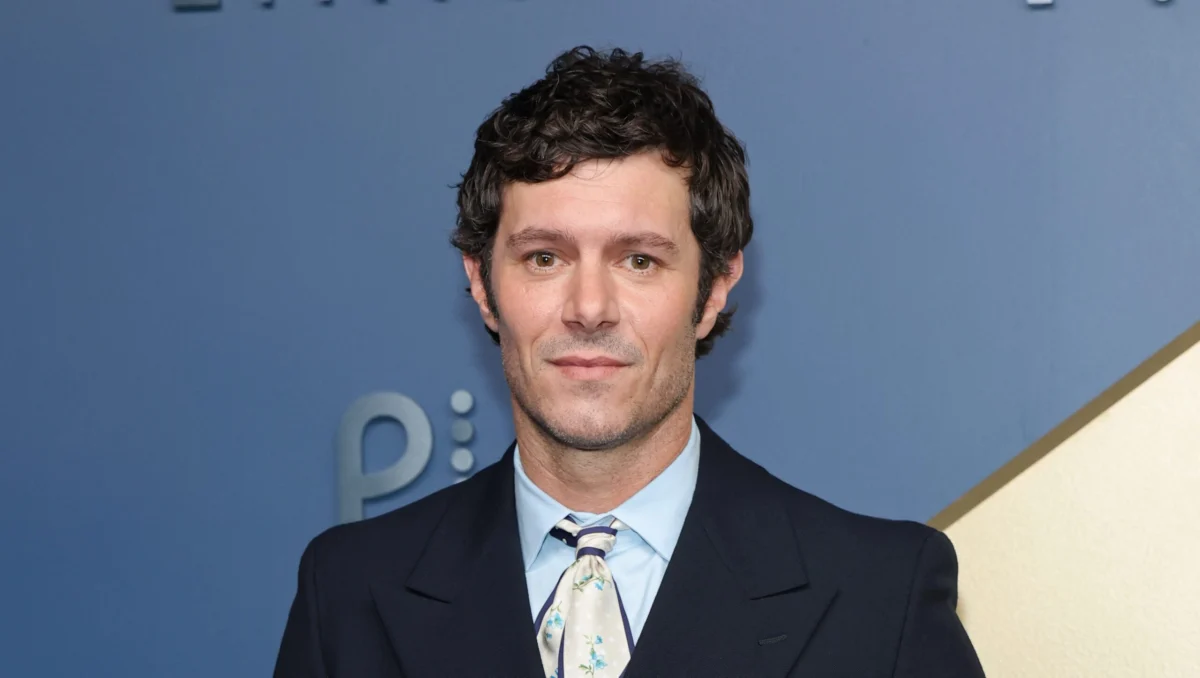
Adam Brody, known for his role in the Netflix series Nobody Wants This, has broken his public silence on the ongoing Israel-Gaza war, expressing his support for a free Palestine and characterizing the conflict as a genocide in a recent interview with GQ. The actor, who portrays a rabbi in the popular Jewish rom-com, shared his evolving political views and his experiences with activism in the face of significant global events. Brody’s candid remarks come as Nobody Wants This prepares for its third season and amid a broader conversation about political expression within the entertainment industry.
Shifting Perspectives and Political Activism
Brody’s interview with GQ delved into his observations on the political landscape within Hollywood. He noted a perceived shift towards conservatism, attributing it to various factors, including "groupthink, your own well-being, your own money and success." This observation set the stage for his broader reflections on recent global crises.
"Between COVID, a second Trump term, Israel-Gaza, it’s really brought out some different beliefs that I was ignorant to, and then disheartened by," Brody stated in the interview. He acknowledged that while he had engaged in private discussions about the Israel-Gaza conflict, his public commentary had been limited until this point.
When directly asked if he wished to elaborate on his stance regarding the conflict, Brody unequivocally declared, "Put me down as thinking it’s a genocide. Put me down as wanting a free Palestine." He expressed a profound sense of sorrow over the immense loss of life and suffering, while also conveying a hope for a turning point. "It’s awful that it’s taken so much death and misery, but it does feel like it’s reaching a breaking point that it should have a while ago," he commented. Brody further articulated his hope for a future administration that could implement policies to mitigate the ongoing humanitarian crisis.
Context of the Israel-Gaza Conflict
The Israel-Gaza war, which intensified significantly following Hamas’s attacks on Israel on October 7, 2023, has resulted in a devastating humanitarian crisis in Gaza. The conflict began with an unprecedented surprise attack by Hamas militants from Gaza into southern Israel, which killed approximately 1,200 people, primarily civilians, and saw around 240 hostages taken. In response, Israel launched a large-scale military operation in Gaza, vowing to dismantle Hamas and secure the return of the hostages.
The ensuing Israeli military campaign has led to widespread destruction in Gaza, with official figures from the Gaza Health Ministry indicating tens of thousands of Palestinian casualties, a significant portion of whom are women and children. The United Nations and various international organizations have repeatedly warned of a dire humanitarian situation, characterized by severe shortages of food, water, medicine, and shelter, and have called for immediate ceasefires and unimpeded humanitarian access.
International reactions have been varied and often polarized. While many nations, including the United States, have expressed support for Israel’s right to self-defense, there has been growing international pressure for de-escalation and humanitarian aid. Concerns about potential violations of international law and the scale of civilian casualties have been raised by human rights groups and several countries, leading to ongoing debates at the United Nations and other international forums.
Timeline of Key Developments (October 2023 – Present)
- October 7, 2023: Hamas launches a coordinated series of attacks on Israel, including rocket barrages and ground incursions, resulting in significant Israeli casualties and hostage-taking.
- October 8, 2023 onwards: Israel declares war on Hamas and begins extensive airstrikes on Gaza, followed by a ground invasion.
- November 2023: A temporary ceasefire is brokered, leading to the release of some hostages in exchange for Palestinian prisoners.
- December 2023 – Present: Fighting intensifies, with ongoing Israeli military operations across Gaza. International calls for humanitarian aid and a ceasefire grow louder amid increasing Palestinian casualties and a worsening humanitarian crisis.
- Early 2024: The International Court of Justice (ICJ) begins hearing a case brought by South Africa accusing Israel of genocide in Gaza. Several countries and international bodies issue statements expressing grave concern over the humanitarian situation and the scale of civilian deaths.
- Ongoing: Diplomatic efforts continue to broker a lasting ceasefire and secure the release of all remaining hostages.
Nobody Wants This: A Focus on Positive Jewish Narratives
Brody’s statements emerge as Netflix prepares to release the third season of Nobody Wants This on October 22. The series, a Jewish rom-com, has been lauded for its focus on positive Jewish storytelling. Brody himself received an Emmy nomination for the 2025 season and won the Critics Choice Award for best comedy actor for his performance.
Erin Foster, the creator of Nobody Wants This, previously spoke to The Hollywood Reporter in August 2025 about the show’s mission. "It was really important to me and continues to be really important to tell positive Jewish stories," Foster stated. She acknowledged the potential for controversy but emphasized that the show’s purpose is not to engage in political discourse on the Israeli-Palestinian conflict. "I know that it can be polarizing, but it shouldn’t be. This is not the show to tackle conflict in Israel and Palestine," Foster clarified.
Foster further explained her decision to steer clear of the contentious political issues, particularly after the events of October 7. "I’m not the person to tell that story," she said. "And after [the attacks on] Oct. 7 happened, there were conversations around if we were going to dive into it, and the truth is, the way that I can get my message across best is by shedding a positive light on Jewish characters and Jewish traditions. I don’t think somebody watching wants to see another voice give you their opinion on what’s happening."
This perspective from the show’s creator highlights a strategic approach within certain segments of the entertainment industry to navigate sensitive geopolitical topics. While Foster aims to focus on cultural representation and positive narratives, Brody’s recent comments indicate a personal conviction to speak out on broader humanitarian and political issues, even when they intersect with his professional life.
Broader Implications and Industry Reactions
Adam Brody’s public declaration adds to a growing chorus of voices within Hollywood and beyond that are calling for an end to the violence and a resolution to the conflict. The entertainment industry has historically been a platform for artists to express their views on social and political matters, though the nature and impact of these expressions can vary widely.
Brody’s direct labeling of the situation as a "genocide" and his explicit demand for a "free Palestine" are strong statements that are likely to resonate with some audiences and draw criticism from others. His willingness to engage with these complex and highly debated issues, particularly in contrast to the creator’s stated intent for Nobody Wants This, underscores the personal and often deeply felt convictions that can drive public figures to speak out.
The implications of such statements for actors and their careers can be significant. While some may find support and solidarity, others may face backlash or professional repercussions. The current geopolitical climate is highly charged, and public figures who take strong stances on the Israel-Gaza conflict often find themselves at the center of intense scrutiny and debate.
The actor’s reference to a "second Trump term" and the COVID-19 pandemic as events that "brought out some different beliefs" suggests a broader disillusionment with the status quo and a desire for systemic change. His hope for a future administration to "correct some of these policies that are helping that situation be as awful as it is" points to a belief in the power of political leadership to influence international affairs and humanitarian outcomes.
As the situation in Gaza continues to unfold and international pressure mounts, statements from prominent figures like Adam Brody serve to amplify the urgency of the humanitarian crisis and the calls for peace and justice. The intersection of celebrity activism with deeply divisive global conflicts inevitably sparks widespread discussion, highlighting the diverse perspectives and evolving moral compasses within the public sphere. The actor’s candid remarks offer a glimpse into the personal journey of an artist grappling with profound global events and choosing to lend his voice to a cause he feels passionately about.