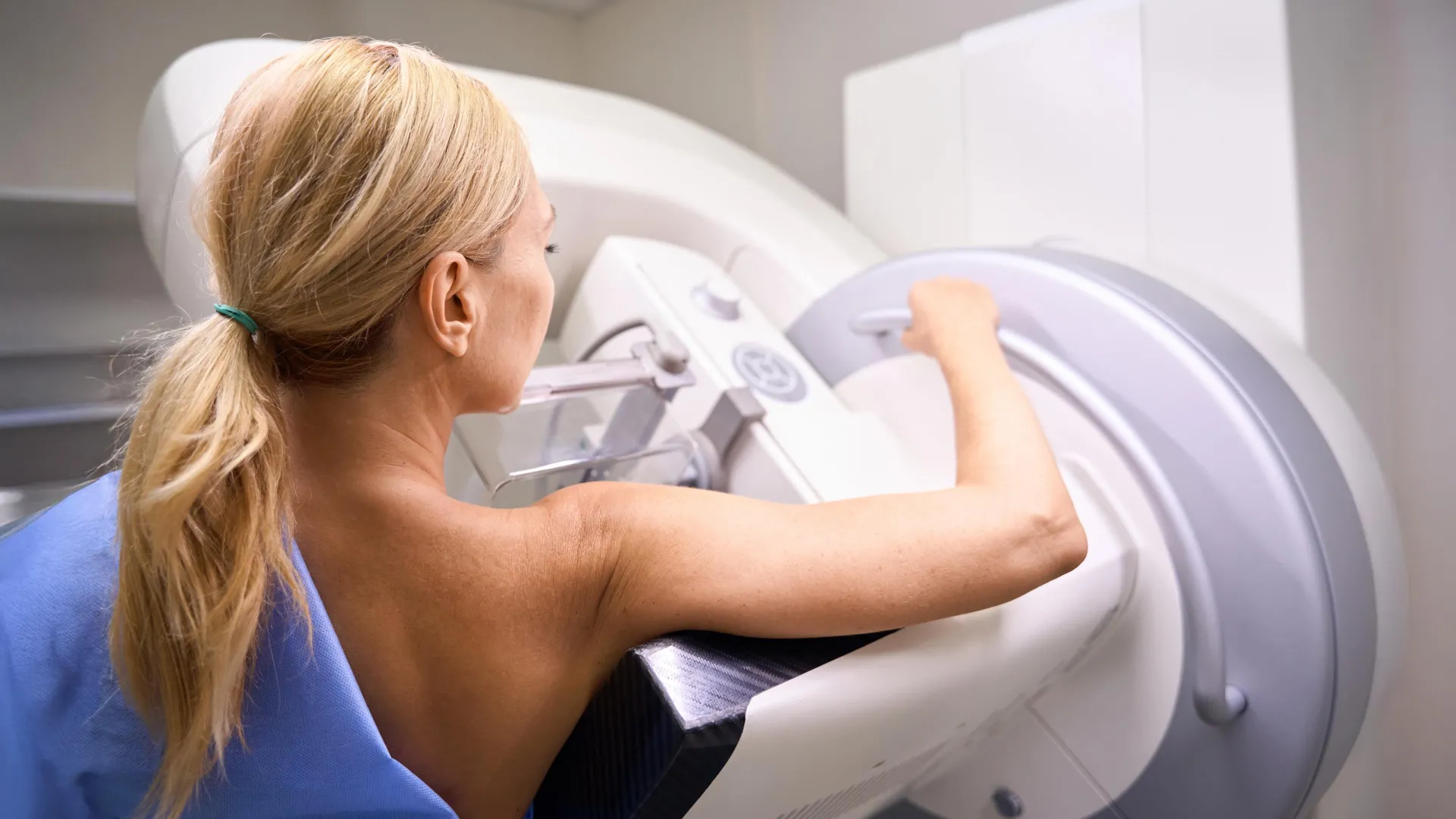
The long-standing debate surrounding overdiagnosis in breast cancer screening has been significantly reshaped by a comprehensive new analysis of global randomized controlled trials. For decades, concerns have lingered that mammography screening might identify cancers that would never have progressed to cause harm or threaten a woman’s life, leading to unnecessary treatments and anxieties. However, this latest research, pooling data from all major trials and comparing it with real-world screening patterns in Denmark, suggests that the extent of overdiagnosis may be substantially lower than previously estimated, potentially less than 5%, a figure that starkly contrasts with earlier estimates that sometimes reached as high as 30-50%.
This re-evaluation holds profound implications for public health policy, patient decision-making, and the ongoing discourse about the benefits and harms of population-wide breast cancer screening programs. The study, led by researchers from the University of Southern Denmark and Lillebælt Hospital, alongside collaborators from the University of Copenhagen and Queen Mary University of London, aims to provide a more nuanced and temporally accurate understanding of screening outcomes.
The Overdiagnosis Dilemma: A Persistent Concern
Overdiagnosis, in the context of breast cancer screening, refers to the detection of a malignant tumor that would not have been diagnosed during a woman’s lifetime due to its slow growth rate or the woman’s death from other causes. The implications of overdiagnosis are multifaceted, potentially leading to:
- Unnecessary Treatments: Women may undergo surgery, radiation therapy, chemotherapy, or hormonal therapy for cancers that posed no actual threat to their health or longevity. These treatments carry their own risks, including side effects, long-term health complications, and psychological distress.
- Psychological Burden: A cancer diagnosis, even if ultimately benign in its life trajectory, can induce significant anxiety, fear, and stress for the individual and their family.
- Resource Allocation: The identification and treatment of overdiagnosed cancers consume healthcare resources that could potentially be directed towards treating more aggressive or life-threatening malignancies.
The existence of overdiagnosis has been a central point of contention in discussions about the optimal age for commencing screening, the frequency of mammograms, and the overall utility of mass screening programs. While the intention of screening is to detect cancers early enough to improve outcomes and save lives, the phenomenon of overdiagnosis introduces a complex trade-off.
A Novel Approach to Trial Data Analysis
The core innovation of this new study lies in its methodology, which seeks to rectify potential misinterpretations of existing randomized controlled trial (RCT) data. Researchers combined and re-analyzed the findings from all eight major RCTs of mammography screening conducted globally. These trials, which form the bedrock of much of the evidence on breast cancer screening, were meticulously reviewed.
Crucially, the study employed a comparative real-world reference dataset from Denmark. Denmark’s unique history with organized breast cancer screening provided an invaluable natural experiment. In some Danish regions, systematic screening began approximately 17 years earlier than in others. This staggered introduction allowed researchers to observe how breast cancer incidence patterns evolved immediately following the implementation of screening and over extended periods, providing a benchmark against which the RCT data could be assessed.
The study focused on three key factors that can significantly influence estimates of overdiagnosis:
- Screening Exposure: Ensuring that the comparison groups (those who received screening and those who did not) had comparable levels of exposure to screening, particularly considering that control groups in older trials might have eventually received screening themselves after the trial period.
- Follow-up Duration: Recognizing that the full impact of screening on cancer detection rates, including the subsequent decline that should follow an initial rise, becomes evident only after sufficient follow-up time.
- Time Lags: Accounting for the natural progression of cancers and the time it takes for them to become clinically detectable or symptomatic, which is influenced by screening interventions.
Challenging Prevailing Estimates: The Temporal Context is Key
Previous analyses of RCT data, often cited to support higher estimates of overdiagnosis, may have overlooked critical temporal dynamics. Professor Sisse Helle Njor of the University of Southern Denmark and Lillebælt Hospital, a lead author of the study, explained the rationale: "Randomized trials have often been cited as evidence that overdiagnosis is a substantial problem. Our study shows that this interpretation is not as straightforward as it may seem."
The study’s findings suggest that the initial surge in breast cancer diagnoses observed in RCTs, which was often interpreted as evidence of widespread overdiagnosis, can be explained by the fact that screening simply detects cancers earlier. When screening is introduced, more cancers are found immediately. However, if the study design or follow-up period is insufficient, researchers may not observe the subsequent natural decline in diagnoses that occurs as these early-detected cases are accounted for.
Furthermore, the study highlights how the practice of women in control groups eventually undergoing screening themselves can distort comparisons. If these women then have cancers detected, it can artificially inflate the perceived number of excess diagnoses in the screened group.
By meticulously accounting for these temporal effects and ensuring comparable screening exposure, the researchers found that the patterns of increased breast cancer detection in the RCTs closely mirrored the observed trends in Denmark’s routine screening programs. In Denmark, where overdiagnosis has been estimated to be below 5%, this consistency provides strong support for the new, lower estimates derived from the re-analyzed trial data.
Dr. Matejka Rebolj, Senior Epidemiologist at Queen Mary University of London and another key author, commented on the significance of the findings: "Taken together, we believe some previous high estimates of overdiagnosis, which influenced screening guidelines and communication, were based on evidence before trial data had fully matured. When interpreted in their full temporal context, randomized trial data are consistent with overdiagnosis of less than five percent, rather than with estimates nearing 50%."
Denmark’s Unique Contribution: A Real-World Benchmark
Denmark’s experience with breast cancer screening serves as a critical real-world validation for the study’s conclusions. The country’s phased implementation of organized screening programs allowed for a unique observational study design. Researchers could compare regions where screening had been established for a longer period with those where it was introduced more recently.
Professor Emerita Elsebeth Lynge from the Department of Public Health, University of Copenhagen, who also contributed to the study, elaborated on Denmark’s role: "When screening is introduced, the number of breast cancer diagnoses initially rises because cancers are detected earlier than they would have been without screening. Over time, this should be followed by a drop, as some of these cancers would otherwise have been diagnosed later. This pattern can also be affected if women in either group continue to undergo screening after the trials had ended, which was common. If researchers do not take these factors into account, the initial increase can be mistaken for overdiagnosis."
The Danish data allowed the researchers to track incidence rates over extended periods, observing the expected pattern of an initial rise followed by a stabilization or decline, which is characteristic of screening programs that have reached maturity. This real-world trajectory, when compared with the re-analyzed RCT data, provided robust evidence that the temporal effects were indeed a major factor in previous overestimation of overdiagnosis.
Implications for Women and Screening Policy
The revised understanding of overdiagnosis has significant implications for how breast cancer screening is communicated and practiced. For women invited for screening, understanding the potential benefits and harms is crucial for making informed decisions.
Professor Njor expressed optimism about the potential impact of the study: "Most women will not develop breast cancer, but with this study we can now be reassured that the benefits of detecting breast cancer early and preventing premature death will outweigh the small risk of unnecessary treatment. With this in mind, we hope this study will provide a framework for a more realistic interpretation of the evidence and help us better inform women when they are invited for screening."
This research suggests that the primary benefit of mammography screening – reducing mortality from breast cancer – remains substantial, and the risk of overdiagnosis, while present, may be considerably less prevalent than previously feared. This could lead to renewed confidence in existing screening guidelines and a more balanced public discourse that acknowledges both the life-saving potential and the potential downsides of screening.
The study’s findings could also influence future research priorities and the design of screening programs. A more accurate understanding of overdiagnosis could inform efforts to refine screening protocols, potentially identifying subsets of women who may benefit more or less from screening, or exploring new technologies that can better distinguish between indolent and aggressive cancers.
A Closer Look at the Data and Methodology
The comprehensive analysis included data from all eight major randomized trials of mammography screening:
- The New York Health Insurance Plan (HIP) study
- The Malmö study
- The Two-County study (Sweden)
- The Edinburgh trial
- The Canadian National Breast Screening Study (CNBSS)
- The Stockholm trial
- The Gothenburg trial
- The UK Age trial
These trials, conducted over several decades, represent a significant body of evidence. The researchers also examined both invasive breast cancer and ductal carcinoma in situ (DCIS), a non-invasive form of breast cancer that has also been a subject of debate regarding overdiagnosis.
The study’s meticulous approach to adjusting for differences in screening exposure and follow-up periods across these diverse trials was critical to its success. By harmonizing the data and applying a consistent analytical framework, the researchers were able to draw more reliable conclusions about the true incidence of overdiagnosis.
Funding and Future Directions
The research was supported by significant grants, including from the Novo Nordisk Foundation for Casper Urth Pedersen and Cancer Research UK for Matejka Rebolj, underscoring the importance and breadth of interest in this critical public health issue.
This study marks a significant step forward in understanding breast cancer overdiagnosis. However, the scientific community will likely continue to refine these estimates and explore the nuances of screening effectiveness. Future research may focus on:
- Long-term follow-up of contemporary screening programs: Assessing overdiagnosis rates in current screening cohorts with advanced imaging and diagnostic techniques.
- Personalized screening approaches: Developing strategies that tailor screening intensity and type based on individual risk factors.
- Biomarker development: Identifying biological markers that can help differentiate between cancers that are likely to be life-threatening and those that are not, thereby reducing the need for aggressive treatment in cases of overdiagnosis.
Ultimately, the goal remains to optimize breast cancer screening to maximize its life-saving benefits while minimizing any potential harms, ensuring that women can make informed choices about their health with the most accurate and up-to-date scientific evidence available. This latest research provides a crucial update, recalibrating our understanding of a complex issue and offering a more optimistic outlook on the net benefits of mammography screening.