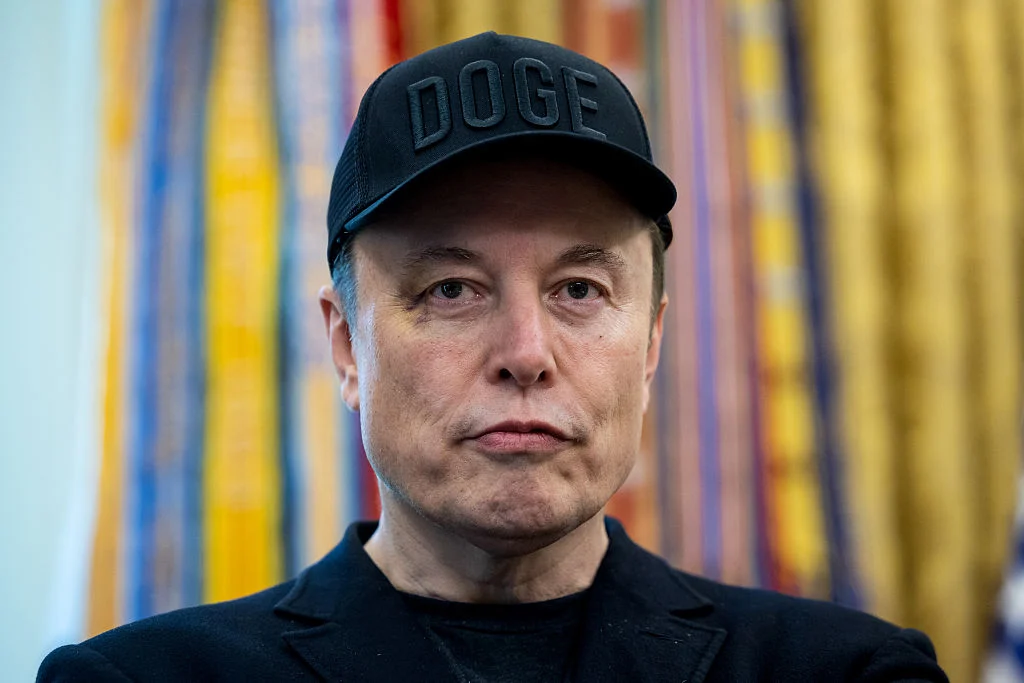
The highly anticipated documentary "Musk," directed by the acclaimed filmmaker Alex Gibney, encountered significant hurdles in its promotional efforts when several prominent social media platforms initially rejected paid advertisements for its trailer. This incident, first reported by The Hollywood Reporter, highlighted the complex and often opaque landscape of content moderation policies, particularly concerning content deemed "political," and raised questions about censorship, platform autonomy, and the challenges facing documentary filmmakers tackling controversial subjects. While some platforms swiftly reversed their decisions, the controversy underscored the immense power wielded by tech giants over public discourse and the distribution of information.
The Documentary at the Center of the Storm: "Musk"
Alex Gibney’s latest cinematic endeavor, "Musk," delves into the life and career of Elon Musk, the enigmatic and often polarizing figure behind Tesla, SpaceX, and X (formerly Twitter). Gibney, a prolific documentarian known for his investigative and often critical portrayals of powerful institutions and individuals, premiered "Musk" at the Venice International Film Festival earlier this month. The film quickly garnered widespread critical acclaim, boasting an impressive 100% "fresh" rating on Rotten Tomatoes and "almost universally positive reviews" on Metacritic. Critics, such as Bilge Ebiri of Vulture, described the nearly four-hour documentary as a "terrifying" yet "fascinating" character study, offering a revealing look into Musk’s tech career, his political affiliations, and his personal life. Interview subjects reportedly include ex-wife Justine Musk and former right-wing influencer Ashley St. Clair, who recently had a child with Musk but now describes him as "a nuke," indicating the film’s intent to provide a comprehensive, multifaceted, and potentially unflattering portrait. The film is slated for theatrical release in the United States on October 9.
Initial Rejections and Industry Alarm
The controversy began when Bleecker Street, the U.S. distributor for "Musk," attempted to place paid advertisements for the film’s trailer across major social media platforms. Reports initially indicated that TikTok, Meta (parent company of Facebook and Instagram), YouTube, and X had all refused to run these promotional spots. The primary stated reason for rejection by Meta, TikTok, and YouTube was categorization as "political content," a label that carries various restrictions on these platforms.
The immediate reaction from the film’s creators and distributors, as well as observers within the media and entertainment industry, was one of concern and bewilderment. Documentaries, by their very nature, often explore topics that intersect with politics, social issues, and public figures. To classify a trailer for a critically acclaimed biographical documentary as "political advertising" in the same vein as electoral campaign material seemed to many an overreach or a misapplication of policy. This initial blanket rejection ignited a broader discussion about the algorithms and human review processes employed by tech companies, and their potential to inadvertently or intentionally suppress certain types of content.
Rapid Reversals and Explanations
Following the initial reports and a wave of media inquiries, two of the platforms quickly reversed their stances.
Meta’s U-Turn: On Saturday, Meta issued a statement to TechCrunch, acknowledging an "error" and confirming that "the ads are being restored." While Meta did not immediately provide further details regarding the nature of the error or the specific mechanism that led to the initial rejection, the swift reversal suggested an internal review concluded the ad did not violate their policies. Meta has a stated policy to "stop accepting political ads in the European Union" from October, and globally states that it maintains strict rules around political advertising, requiring disclaimers and specific targeting criteria. The question remained how a documentary trailer about a public figure could fall under this umbrella in the first place, if not for an automated misclassification or an overly cautious human review.
YouTube’s Clarification: Similarly, YouTube posted an update on Saturday, clarifying its position. The company stated that "the trailer has always been available on YouTube" as organic content, which was indeed verifiable. However, when the trailer was "submitted as an ad, it was temporarily restricted by our system." YouTube further added, "Following review the ad has been cleared to run." This explanation pointed towards an automated system flagging the content, likely due to keywords or imagery associated with political figures or controversial topics, followed by a manual review process that rectified the error. YouTube, like Meta, has robust policies governing political advertising, including transparency requirements and restrictions on content that promotes or opposes a candidate, political party, or ballot measure.
These rapid reversals by Meta and YouTube offered a measure of relief to the film’s distribution team but did not fully assuage concerns about the initial rejections. They highlighted the inherent challenges in content moderation at scale, where automated systems often err on the side of caution, potentially leading to the suppression of legitimate artistic or journalistic content.
The X Factor: Elon Musk’s Direct Involvement
The rejection from X, the social media platform owned by Elon Musk himself, stood out as a distinct case. Unlike Meta and YouTube, X’s refusal to run ads for "Musk" was widely deemed "unsurprising" given Musk’s very public and often vitriolic disdain for Alex Gibney and the documentary. Musk had previously posted on his platform that "Dogshit is worth more respect than Gibney," a clear indication of his personal feelings towards the filmmaker and, by extension, his work.
This direct, personal antagonism from the platform’s owner added a layer of complexity and concern. While other platforms cited policy violations, X’s rejection appeared to be influenced by the subject’s personal animosity, raising questions about the platform’s neutrality and its commitment to free expression, particularly when the content is critical of its owner. Critics of Musk and X have long pointed to instances where content critical of Musk or his companies has allegedly faced disproportionate moderation or suppression on the platform, fueling concerns about a lack of consistent, impartial content policies under his ownership.
Navigating the Murky Waters of "Political Content"
The core issue underlying the initial rejections by Meta, TikTok, and YouTube revolved around the definition and application of "political content" in their advertising policies. While platforms generally aim to prevent misinformation, foreign interference, and undue influence in political processes, the broad interpretation of "political content" can inadvertently sweep up documentaries, news reports, and artistic expressions that engage with public figures or societal issues.
TikTok’s Stance: TikTok, for instance, has a long-standing policy stating that it "doesn’t run [political ads] at all." This strict stance is intended to shield the platform from political manipulation and controversy. However, applying such a blanket ban to a documentary trailer about a public figure, irrespective of whether it explicitly endorses or opposes a political candidate or party, raises questions about the scope of this definition. Is any content that features a person who is politically active or influential automatically political? If so, this could have profound implications for a wide range of content creators.
Meta’s Nuances: Meta’s policies are more nuanced, allowing political ads but with strict transparency requirements, including advertiser identity verification and "Paid for by" disclaimers. The initial flagging of the "Musk" trailer as political content by Meta’s systems suggests that either its automated classifiers are overly broad, or that human reviewers made an error in judgment, failing to distinguish between a commercial advertisement for a film and a political campaign message.
The ambiguity inherent in defining "political content" for advertising purposes poses a significant challenge for platforms. On one hand, they face immense pressure to curb the spread of harmful political advertising and foreign interference. On the other, overly aggressive or poorly defined policies risk stifling legitimate discourse, artistic expression, and journalistic endeavors. The case of "Musk" highlights the need for clearer, more precise definitions and more robust, transparent review processes that can differentiate between genuine political campaigning and content that merely explores political or public figures.
Broader Industry Concerns: Distribution Challenges
The advertising rejections were not the only distribution challenge faced by "Musk." The Hollywood Reporter also reported that Universal Pictures was initially wavering in its commitment to distribute the film internationally. This hesitation was reportedly due to the studio’s fear of angering the Trump administration, a significant political entity that Elon Musk has had interactions with. While Universal subsequently clarified that it "will release the documentary in theaters" and is "still figuring out its release strategy," the initial trepidation underscored a chilling effect that can impact content perceived as politically sensitive, even if it is a documentary.
This episode reflects a broader phenomenon where major studios and distributors, often operating globally and reliant on maintaining favorable government relations, can become risk-averse when faced with projects that might attract political backlash. Such self-censorship, whether explicit or implicit, can limit the reach of important journalistic and artistic works, particularly those that challenge powerful figures or established narratives.
Alex Gibney: A History of Provocative Storytelling
Alex Gibney’s filmography provides crucial context for understanding the potential sensitivities surrounding "Musk." Gibney is celebrated for his incisive, investigative documentaries that often take on powerful and controversial subjects. His past works include:
- "Going Clear: Scientology and the Prison of Belief" (2015): A critical examination of the Church of Scientology, which sparked significant debate and faced strong opposition from the organization.
- "The Inventor: Out for Blood in Silicon Valley" (2019): Chronicling the rise and fall of Elizabeth Holmes and Theranos, a story of ambition, deception, and the cult of personality in tech.
- "Enron: The Smartest Guys in the Room" (2005): An exposé on the Enron scandal, winning an Academy Award for Best Documentary Feature.
- "Taxi to the Dark Side" (2007): Investigating the U.S. policy on torture during the War in Afghanistan, also an Academy Award winner.
- "Steve Jobs: The Man in the Machine" (2015): Another biographical documentary about a tech titan, exploring the complexities of Jobs’s persona and legacy.
Given this track record, it is clear that Gibney does not shy away from subjects that provoke strong reactions from the individuals or entities he scrutinizes. His documentaries are often critical, deeply researched, and aimed at revealing uncomfortable truths. Therefore, the controversy surrounding "Musk" and the reactions from the subject himself are not entirely unprecedented in Gibney’s career.
The Digital Advertising Ecosystem and Content Moderation
The incident with "Musk" serves as a stark reminder of the immense power and responsibility held by a handful of tech companies that dominate the digital advertising ecosystem. These platforms—Meta, Google (YouTube’s parent), TikTok, and X—collectively control the vast majority of online ad spending. Their policies and algorithms effectively determine what content can be promoted, and thus, what messages reach a mass audience.
Content moderation, while necessary to combat hate speech, misinformation, and illegal content, is an inherently challenging and often subjective task, especially when dealing with nuanced categories like "political content." The sheer volume of content uploaded and advertised daily necessitates reliance on automated systems, which are prone to false positives. When these systems err, and manual review processes are either slow or inconsistent, legitimate content can be unfairly restricted, impacting creators, distributors, and ultimately, public discourse.
The opaqueness of these moderation processes is another point of contention. When an ad is rejected, the specific reasoning can sometimes be vague, making it difficult for advertisers to understand how to rectify the issue or appeal effectively. The "Musk" case highlights the need for greater transparency from platforms regarding their content moderation policies, the training of their AI systems, and the criteria used for human review.
Implications for Documentary Filmmaking and Free Speech
The initial ad rejections for "Musk" carry significant implications for the documentary filmmaking community and the broader landscape of free speech. If a critically acclaimed film by an Oscar-winning director about a major public figure struggles to promote itself through conventional digital advertising channels, it sets a concerning precedent.
- Chilling Effect: Such incidents could create a "chilling effect" where filmmakers and distributors become hesitant to tackle controversial subjects, fearing advertising restrictions or distribution challenges. This could lead to self-censorship, limiting the diversity and critical depth of documentary output.
- Undermining Independent Journalism: Documentaries often serve as a vital form of independent journalism, providing in-depth investigations and perspectives that traditional news outlets might not cover. Restricting their ability to reach audiences through advertising can undermine this crucial function.
- Disparity of Influence: The power imbalance is evident: the subject of the documentary, Elon Musk, directly controls one of the platforms (X) that rejected the ad. This raises questions about fairness and whether platforms can truly be neutral arbiters of content when their owners or executives have personal stakes in the content being promoted.
- Defining "Political": The incident reignites the debate over how "political content" is defined and applied in the digital age. A narrow definition focused on electoral campaigns might be manageable, but a broad definition that encompasses any content about public figures or societal issues risks stifling legitimate cultural and artistic expression.
Looking Ahead
As "Musk" prepares for its theatrical release, the controversy surrounding its advertising serves as a potent case study in the ongoing tension between platform governance, free expression, and the commercial imperatives of media distribution. While Meta and YouTube ultimately cleared the ads, the initial rejections underscored the fragility of content access on platforms governed by complex, often opaque, and sometimes personally influenced policies.
The episode reinforces the critical need for clearer, more consistent, and transparent content moderation policies across all major digital platforms. It also highlights the responsibility of these tech giants to ensure that their systems and human reviewers are equipped to differentiate between genuine political advertising and legitimate artistic or journalistic content, thereby upholding their stated commitments to free expression and an open internet. The success and reach of films like "Musk" will continue to depend not just on their artistic merit, but also on their ability to navigate the ever-evolving and often challenging landscape of digital distribution and advertising.