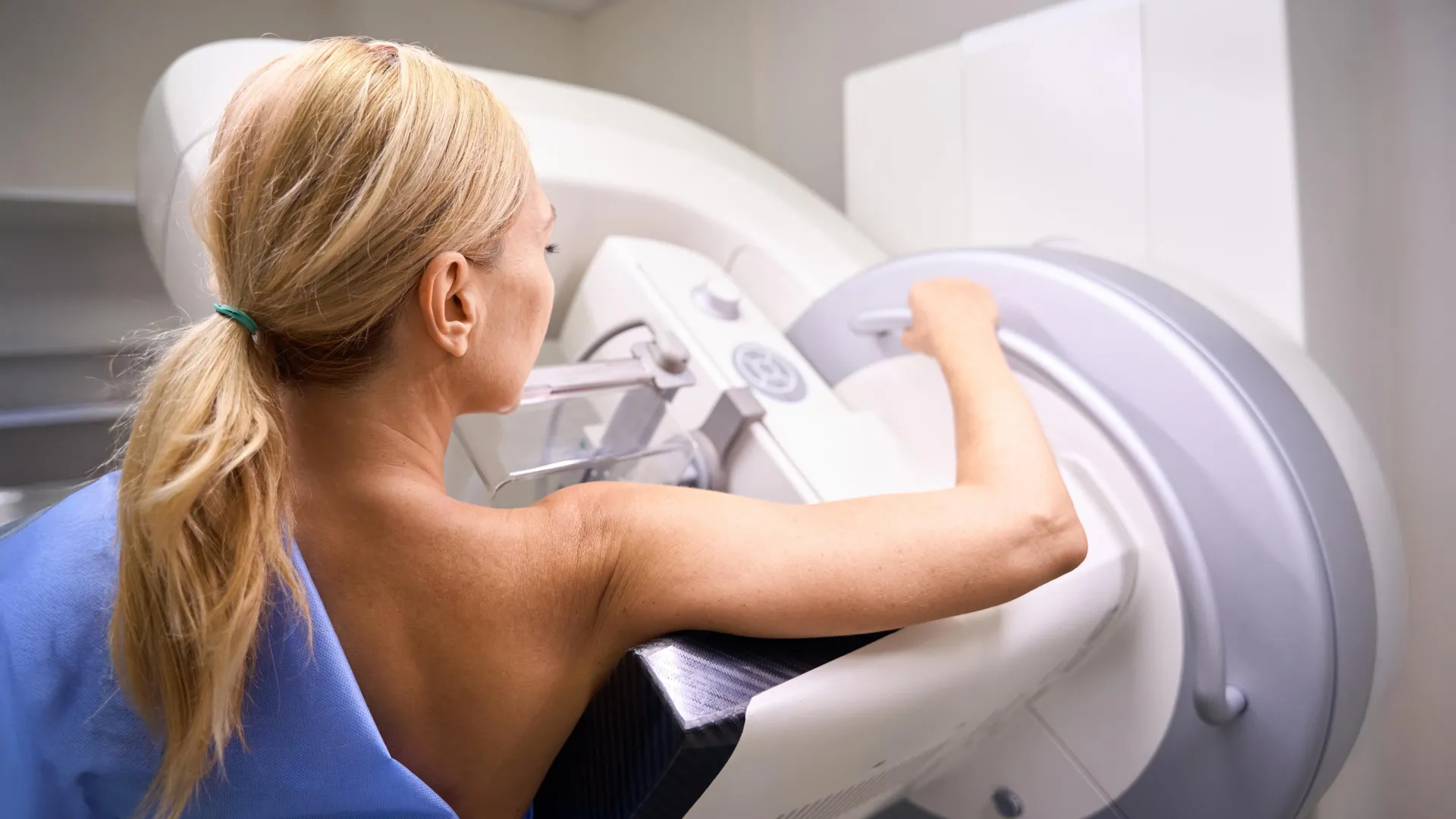
Decades of debate surrounding the phenomenon of overdiagnosis in breast cancer screening may be on the cusp of a significant recalibration, according to a comprehensive new analysis. For years, estimates from pivotal randomized controlled trials (RCTs) have suggested that a substantial proportion, ranging from 30% to 50%, of breast cancers identified through mammography screening could be "silent" – cancers that would never have progressed to cause symptoms or pose a threat to a woman’s life. These high figures have profoundly influenced international guidelines, public health messaging, and the ongoing discourse on the delicate balance between the benefits and potential harms of population-wide screening programs. However, this latest research, which meticulously re-examined data from all major mammography screening RCTs and compared them with real-world Danish screening data, proposes a substantially lower figure, potentially less than 5%, for overdiagnosis.
The implications of this revised understanding are far-reaching, potentially alleviating some of the anxiety associated with screening and offering a more nuanced perspective for women making decisions about their participation in these vital public health initiatives. The study, led by researchers from the University of Southern Denmark and Lillebælt Hospital, the University of Copenhagen, and Queen Mary University of London, sought to synthesize the wealth of evidence from RCTs to provide a clearer and more temporally accurate picture of overdiagnosis.
The Enduring Question of Overdiagnosis
Overdiagnosis, in the context of breast cancer screening, refers to the detection of a malignancy that, if left unaddressed, would not have led to symptoms or death during a woman’s natural lifespan. Essentially, these are cancers that a woman would likely never have known she had, nor would they have impacted her quality of life or longevity. This phenomenon is a recognized, albeit debated, potential drawback of any screening program designed to detect disease at its earliest stages.
The challenge in quantifying overdiagnosis lies in the inherent complexities of tracking the long-term natural history of detected cancers. Randomized trials, while considered the gold standard for evaluating interventions, can be influenced by various factors that complicate the interpretation of their results, particularly concerning the temporal evolution of cancer incidence.
A Novel Approach: Leveraging Danish Data as a Real-World Benchmark
The research team adopted an innovative approach by combining and reanalyzing the results from all eight major randomized trials of mammography screening conducted globally. Crucially, they then compared these synthesized trial findings with decades of data from Denmark’s national breast cancer screening programs. Denmark offered a unique and robust real-world reference point because its organized breast cancer screening initiatives were implemented in different regions at staggered intervals, with some areas initiating screening up to 17 years earlier than others.
This staggered rollout provided researchers with a natural experiment. They could meticulously track how breast cancer diagnoses changed in the immediate aftermath of screening introduction and observe how these patterns evolved over extended periods. This detailed longitudinal data allowed for a more accurate assessment of the true impact of screening on cancer detection rates, independent of the specific designs or limitations of individual RCTs.
"The aim of our study was to bring together the evidence from all randomized controlled trials to get a clearer picture of the extent of overdiagnosis in breast cancer screening," explained Professor Sisse Helle Nør of the University of Southern Denmark and Lillebælt Hospital. "Randomized trials have often been cited as evidence that overdiagnosis is a substantial problem. Our study shows that this interpretation is not as straightforward as it may seem."
Deconstructing the Timing Effect: Why Temporal Context Matters
A fundamental aspect of this new analysis centers on the critical importance of timing in interpreting screening trial data. When mammography screening is introduced into a population, an immediate and expected increase in the number of breast cancer diagnoses is observed. This initial surge is largely attributable to the detection of cancers that would have otherwise been diagnosed at a later stage, or perhaps never diagnosed at all if they were truly indolent.
However, this initial rise is not solely indicative of overdiagnosis. Professor Emerita Elsebeth Lynge from the Department of Public Health at the University of Copenhagen elaborated on this crucial point: "When screening is introduced, the number of breast cancer diagnoses initially rises because cancers are detected earlier than they would have been without screening. Over time, this should be followed by a drop, as some of these cancers would otherwise have been diagnosed later. This pattern can also be affected if women in either group continue to undergo screening after the trials had ended, which was common. If researchers do not take these factors into account, the initial increase can be mistaken for overdiagnosis."
The new study meticulously accounted for these temporal shifts. By comparing breast cancer incidence at matching time points in the randomized trials and Denmark’s routine screening programs, researchers could discern whether the observed patterns were consistent with overdiagnosis or simply an artifact of earlier detection. They specifically focused on three key factors that can influence overdiagnosis estimates:
- Differences in Screening Exposure: Ensuring that comparisons were made between groups with comparable levels and durations of mammography exposure.
- Follow-up Periods: Extending the analysis to capture the full temporal evolution of cancer incidence, allowing for the expected decline in diagnoses to become apparent after the initial surge.
- Control Group Contamination: Addressing instances where women in control groups may have subsequently received screening, potentially blurring the lines between screened and unscreened populations.
Reassessing Past Estimates: A More Modest Reality?
The findings of this re-analysis suggest that some previous high estimates of overdiagnosis, which have significantly shaped screening guidelines and public communication strategies, may have been based on trial data that had not yet fully matured or had not adequately accounted for these critical temporal dynamics.
"Taken together, we believe some previous high estimates of overdiagnosis, which influenced screening guidelines and communication, were based on evidence before trial data had fully matured," stated Matejka Rebolj, Senior Epidemiologist at Queen Mary University of London. "When interpreted in their full temporal context, randomized trial data are consistent with overdiagnosis of less than five percent, rather than with estimates nearing 50%."
This stark difference in estimation—from potentially 30-50% down to below 5%—represents a significant shift in our understanding and has profound implications for how breast cancer screening is perceived and practiced.
Facts: Understanding Overdiagnosis
- Definition: Overdiagnosis occurs when screening identifies a breast cancer that would never have progressed to cause symptoms or become life-threatening during a woman’s lifetime. Without screening, the individual would likely remain unaware of the cancer’s presence.
- Broader Context: The definition can also encompass situations where a woman dies from another unrelated cause shortly after receiving a breast cancer diagnosis. In such scenarios, the benefit derived from screening and subsequent treatment may have been minimal, as her underlying health or limited life expectancy meant that early detection was unlikely to significantly alter her health outcomes or extend her life.
A Chronology of the Debate
The discussion surrounding overdiagnosis in breast cancer screening is not new. It has evolved alongside the development and widespread implementation of mammography screening programs.
- Early 1960s: The advent of organized mammography screening programs began to emerge, with early pilot studies and trials initiated in various countries.
- 1970s-1980s: Several large-scale randomized controlled trials (RCTs) were launched, including landmark studies in New York, Sweden (Malmö, Two-County, Stockholm, Gothenburg), Canada, and the UK. These trials were designed to rigorously evaluate the efficacy of mammography in reducing breast cancer mortality.
- 1990s-2000s: As the results of these RCTs matured, concerns about overdiagnosis began to surface. Researchers noted discrepancies between the number of cancers detected in screened versus unscreened groups, leading to debates about the proportion of these detected cancers that might be "clinically insignificant." Initial estimates of overdiagnosis began to appear, often based on the early phases of trial data.
- 2010s: The debate intensified, with prominent international bodies and scientific committees grappling with how to quantify and communicate the risk of overdiagnosis. Estimates ranging from 30% to 50% became widely cited, influencing public health recommendations and patient counseling.
- Present Day: The current study, published recently, re-examines the totality of RCT data through a more sophisticated temporal lens, comparing it with real-world population data. This re-evaluation suggests a significantly lower rate of overdiagnosis, aiming to provide a more balanced perspective.
Supporting Data and Methodological Rigor
The new analysis drew upon the findings from eight major randomized trials in mammography screening: the New York Health Insurance Plan (HIP) trial, the Malmö trial, the Two-County trial, the Edinburgh trial, the Canadian National Breast Screening Study (CNBSS), the Stockholm trial, the Gothenburg trial, and the UK Age trial. These trials collectively represent decades of research involving hundreds of thousands of women.
By integrating the data from these trials and comparing it with the Danish screening programs, which have a well-documented history of implementation, the researchers were able to create a robust comparative framework. The analysis included both invasive breast cancers and ductal carcinoma in situ (DCIS), a non-invasive form of breast cancer that has also been a subject of debate regarding overdiagnosis.
The study’s strength lies in its sophisticated statistical modeling and its focus on the temporal progression of cancer incidence. By accounting for lead time bias (the extra time a cancer is known to exist because of screening) and length bias (the tendency for screening to detect slower-growing cancers that may have a longer preclinical phase), the researchers aimed to isolate the true impact of screening on overdiagnosis.
Official Responses and Expert Commentary
While specific official responses from major health organizations are still likely to emerge as this new study gains wider traction, the findings have been met with considerable interest within the scientific and public health communities. The potential to revise current understandings of overdiagnosis could lead to adjustments in screening guidelines, patient information materials, and the broader communication strategies surrounding breast cancer screening.
Professor Nør expressed optimism about the study’s potential to improve informed decision-making for women: "Most women will not develop breast cancer, but with this study we can now be reassured that the benefits of detecting breast cancer early and preventing premature death will outweigh the small risk of unnecessary treatment." She added, "With this in mind, we hope this study will provide a framework for a more realistic interpretation of the evidence and help us better inform women when they are invited for screening."
This sentiment underscores the study’s contribution to empowering women with more accurate information, enabling them to make more confident and informed choices about participating in screening programs.
Broader Impact and Implications for Public Health
The implications of this research extend beyond the scientific community, directly impacting millions of women worldwide who are invited for regular breast cancer screening. A significant reduction in the estimated rate of overdiagnosis could lead to several positive outcomes:
- Reduced Anxiety: For many women, the fear of overdiagnosis and subsequent unnecessary treatment is a source of considerable anxiety. A lower perceived risk could alleviate some of this burden.
- Enhanced Trust in Screening: A more accurate representation of the benefits and harms of screening can foster greater trust in public health initiatives.
- Optimized Resource Allocation: A clearer understanding of the true impact of screening can help public health bodies refine their strategies and resource allocation, ensuring that efforts are focused most effectively.
- Improved Patient Counseling: Healthcare providers can use this updated information to counsel women more effectively, presenting a balanced and evidence-based view of mammography screening.
However, it is crucial to acknowledge that even a small percentage of overdiagnosis can still represent a significant number of women undergoing unnecessary procedures and treatments, with potential side effects and emotional distress. Therefore, while this study offers a more reassuring picture, the importance of careful consideration, shared decision-making between patients and clinicians, and ongoing research into personalized screening approaches remains paramount.
This research underscores the dynamic nature of scientific understanding and the importance of continuous re-evaluation of established findings as new data and analytical methods emerge. By providing a more nuanced perspective on breast cancer overdiagnosis, this study has the potential to shape the future of breast cancer screening and enhance the well-being of women globally.
Funding:
The research received support from the Novo Nordisk Foundation (reference: NNF22OC0076184) for Casper Urth Pedersen and Cancer Research UK (reference: C8162/A29083) for Matejka Rebolj.