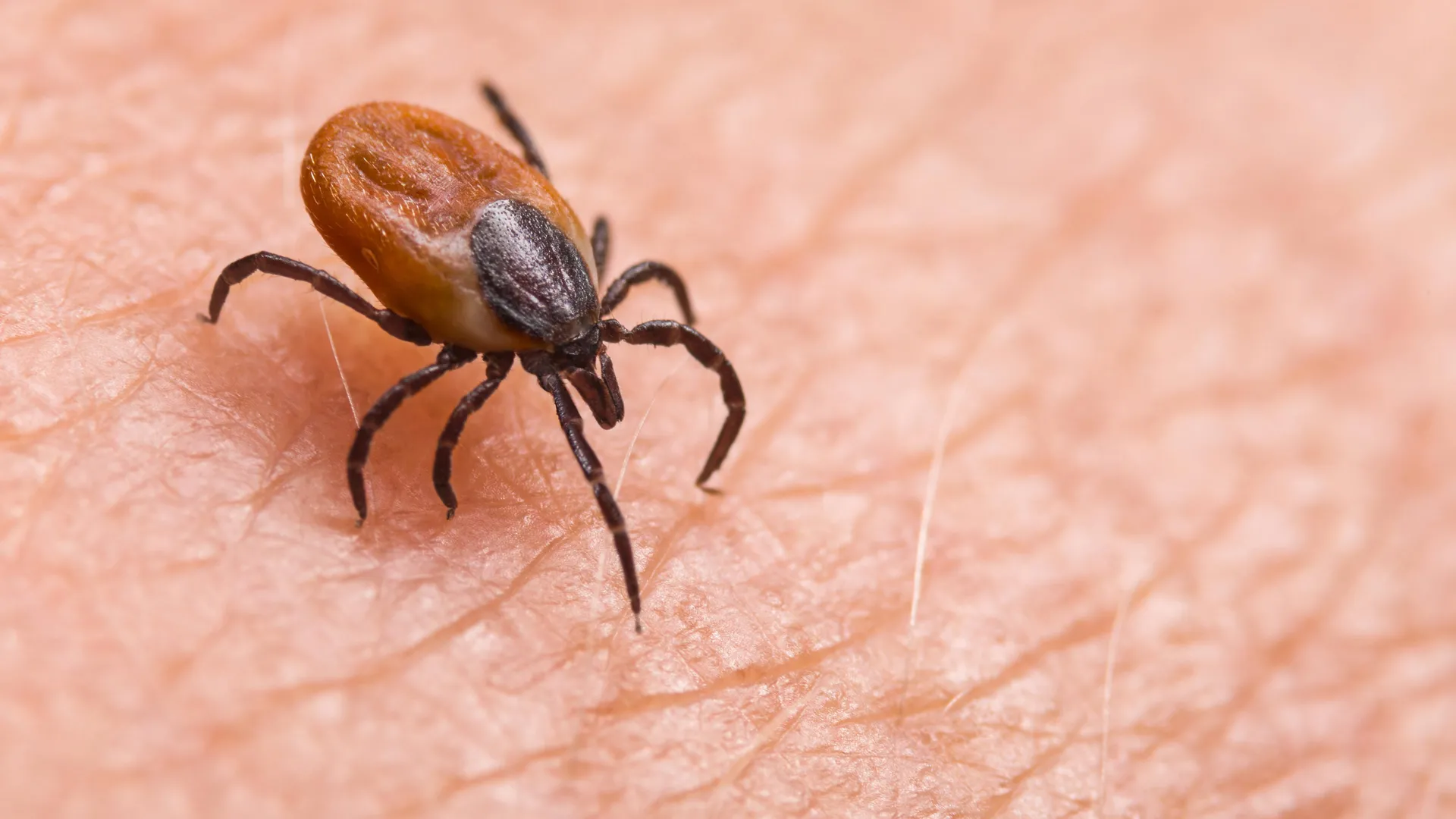
The emergence of a novel tick-borne pathogen in China underscores the persistent threat posed by zoonotic diseases and highlights the critical need for enhanced surveillance and diagnostic capabilities. Researchers have identified a new orthonairovirus, provisionally named Asian longhorned tick nairovirus (ALTNV), which has been linked to a spectrum of flu-like symptoms and can exacerbate the severity of infections from a related, well-established virus. This discovery, detailed in a recent publication in the prestigious New England Journal of Medicine, arose from a focused investigation into unexplained cases of tick-borne illness, particularly those that did not align with the typical presentation of Severe Fever with Thrombocytopenia Syndrome (SFTS).
Unraveling the Mystery of Unexplained Tick-Borne Illnesses
For years, medical professionals in China and across Asia have grappled with SFTS, a serious and potentially fatal illness caused by the Dabie bandavirus (DBV). SFTS is characterized by a sudden onset of fever, severe fatigue, gastrointestinal distress, and a significant drop in platelet count (thrombocytopenia), which impairs blood clotting. The World Health Organization has recognized DBV as a priority pathogen, emphasizing the global health imperative to understand its transmission, pathogenesis, and effective treatment strategies. However, a persistent challenge has been the observation that a notable percentage of patients presenting with symptoms highly suggestive of SFTS would test negative for DBV. This discrepancy pointed towards the potential existence of other tick-borne agents circulating in the same geographical areas and transmitted by the same vectors.
To address this diagnostic gap, a dedicated research team, spearheaded by scientists at the State Key Laboratory of Pathogen and Biosecurity in Beijing, initiated a comprehensive study. Their methodology involved collecting biological samples from individuals who had reported tick bites and sought medical attention at sentinel hospitals situated in regions known for high tick activity and endemic tick-borne diseases. This proactive approach allowed researchers to gather critical data from real-world clinical scenarios.
The Identification of ALTNV: A Breakthrough in Viral Discovery
Employing cutting-edge techniques such as RNA sequencing and viral isolation, the research team meticulously analyzed the collected samples. These advanced molecular tools enabled them to detect genetic material indicative of a viral presence, even in cases where conventional diagnostic tests for known pathogens were negative. Through this rigorous process, they successfully identified the previously unknown virus, ALTNV.
Further genetic analysis firmly placed ALTNV within the orthonairovirus genus, a group of viruses known for their potential to cause hemorrhagic fevers. The genetic distinctiveness of ALTNV was confirmed by its protein sequences, which shared less than 80% amino acid homology with other known orthonairoviruses, thus supporting its classification as a novel species.
To validate their findings and understand the virus’s biological behavior, researchers conducted laboratory experiments. They exposed human serum samples containing ALTNV RNA to cultured cells. The virus demonstrated its ability to replicate within these cells, a crucial step in establishing its infectious nature. Immunofluorescence assays were then used to detect viral antigens, confirming the presence of ALTNV. Electron microscopy revealed characteristic morphological features consistent with orthonairoviruses, and additional experiments confirmed the virus’s replicative capacity across various cell types.
Prevalence and Clinical Manifestations of ALTNV Infection
The study’s findings revealed a significant prevalence of ALTNV among the patient cohort. Out of 3,163 individuals included in the research, a notable 10.4% tested positive for ALTNV, indicated by the presence of viral RNA or immunoglobulin M (IgM) antibodies, which are typically produced during a recent infection.
The prevalence was even more pronounced among patients who tested negative for DBV. In this subgroup, 15.1% were found to be infected with ALTNV, strongly suggesting that this virus is a significant contributor to the unexplained tick-borne illnesses.
When analyzing the clinical presentation of patients infected solely with ALTNV, the most frequently reported symptom was profound fatigue, affecting a substantial 84% of individuals. Gastrointestinal disturbances were also common, reported by 80% of those infected. A significant proportion, 38%, developed thrombocytopenia, a hallmark symptom also seen in SFTS. Furthermore, elevated levels of aminotransferase enzymes, indicative of potential liver inflammation or injury, were observed in 36% of ALTNV-only cases. Encouragingly, all patients who presented with isolated ALTNV infections ultimately made a full recovery.
The Grave Implications of Coinfection with ALTNV and DBV
Perhaps the most concerning aspect of the discovery relates to coinfections, where patients were found to be infected with both ALTNV and DBV. The study identified 38 such individuals. These coinfected patients exhibited a more severe clinical course compared to those infected with DBV alone. Respiratory symptoms, a less common manifestation in DBV-only infections, were significantly more prevalent in coinfected individuals, affecting 61% of them compared to 38% of DBV-only patients. Kidney impairment also emerged as a more frequent complication in coinfected individuals, with 84% experiencing such issues, contrasted with 66% of those with DBV alone.
The consequences of these coinfections were dire, with seven out of the 38 coinfected patients succumbing to their illness. This translates to a case fatality rate of 18.4% within this coinfected group, a figure that warrants significant public health attention. This heightened mortality underscores the synergistic or additive pathogenic effects when these two viruses co-circulate within a single host.
ALTNV’s Widespread Presence in Tick Populations
The researchers’ investigation extended beyond human patients to assess the prevalence of ALTNV in its vector. Testing of 47,428 ticks collected from 15 different provinces across China revealed that ALTNV RNA was present in 1.3% of these arthropods. The highest concentration of the virus was found in Haemaphysalis longicornis, commonly known as the Asian longhorned tick, with 1.8% of these ticks testing positive for the virus.
Crucially, laboratory experiments provided direct evidence of the Asian longhorned tick’s role as a competent vector for ALTNV. Researchers successfully demonstrated that this tick species could transmit ALTNV to mice, confirming its capacity to spread the virus within the environment and potentially to humans. This finding reinforces the importance of vector control strategies in mitigating the spread of tick-borne diseases.
A Call for Enhanced Diagnostic Strategies and Public Health Preparedness
The co-occurrence of ALTNV and DBV in the same geographical regions and their shared tick vector present a significant challenge for clinicians. The researchers strongly emphasize the urgent need for improved differential diagnostic tools. Accurately distinguishing between ALTNV and DBV infections, as well as identifying coinfections, is paramount for effective patient management and public health interventions, particularly in areas where SFTS is endemic.
"The cocirculation of ALTNV and DBV in the same areas, coupled with their shared tick vector, underscores the need for improved differential diagnosis between infections with these viruses in regions where SFTS is endemic," the authors concluded. This statement highlights a critical gap in current diagnostic capabilities and calls for the development and implementation of rapid and accurate tests that can identify both viruses simultaneously or differentiate them effectively.
Background Context: The Rise of Tick-Borne Diseases
The discovery of ALTNV is not an isolated event but rather part of a broader trend of emerging and re-emerging tick-borne diseases globally. Factors such as climate change, altered land use patterns, and increased human encroachment into wildlife habitats are believed to contribute to the expansion of tick populations and their geographical range, thereby increasing the risk of zoonotic spillover. Diseases like Lyme disease, anaplasmosis, and ehrlichiosis are already significant public health concerns in many parts of the world, and the emergence of new viral threats like ALTNV adds another layer of complexity to the landscape of infectious diseases.
Timeline of Discovery and Investigation (Inferred)
While a precise timeline of the ALTNV discovery is not explicitly detailed in the provided text, the narrative suggests a multi-stage process:
- Pre-Discovery Period: Ongoing clinical observations of patients presenting with SFTS-like symptoms who tested negative for DBV, prompting scientific inquiry.
- Initiation of Research (Likely 2020s): Researchers at the State Key Laboratory of Pathogen and Biosecurity in Beijing conceptualize and launch a targeted study to investigate these unexplained cases.
- Sample Collection and Analysis: Collection of samples from tick-bitten patients at sentinel hospitals in China. Application of advanced techniques like RNA sequencing and viral isolation.
- Identification of ALTNV: Detection of the novel virus and its genetic characterization.
- Laboratory Validation: In vitro experiments to confirm viral replication and infectivity.
- Prevalence Studies: Testing of human patient samples and tick populations across multiple provinces.
- Coinfection Analysis: Investigation of clinical outcomes in patients infected with both ALTNV and DBV.
- Publication in New England Journal of Medicine: Dissemination of the research findings to the scientific and medical community, likely occurring in late 2023 or early 2024, based on the article’s content.
Broader Implications and Future Directions
The identification of ALTNV has several significant implications for public health and scientific research:
- Diagnostic Challenges: The current diagnostic landscape needs to evolve to accommodate the detection of this new virus, especially in conjunction with DBV. This will likely spur the development of multiplex diagnostic assays.
- Epidemiological Surveillance: Enhanced surveillance systems are required to accurately map the geographical distribution of ALTNV in both human populations and tick vectors. This will inform public health risk assessments and resource allocation.
- Understanding Pathogenesis: Further research is needed to fully elucidate the mechanisms by which ALTNV causes disease, its interaction with the host immune system, and the factors contributing to the increased severity of coinfections.
- Therapeutic Strategies: While current treatments for SFTS focus on supportive care, the emergence of ALTNV may necessitate the exploration of specific antiviral therapies or improved management protocols for coinfected patients.
- Public Awareness and Prevention: Public health campaigns will need to be updated to include information about ALTNV and reinforce existing tick-bite prevention measures, such as using insect repellent, wearing protective clothing, and conducting thorough tick checks after outdoor activities.
The discovery of ALTNV serves as a potent reminder that the microbial world continues to present new challenges. As scientists deepen their understanding of this novel virus, collaborative efforts between researchers, clinicians, and public health agencies will be crucial in mitigating its impact and safeguarding human health against the evolving threat of tick-borne diseases. The findings from China underscore the interconnectedness of human, animal, and environmental health, a principle central to the One Health approach, which is increasingly vital in addressing global health security.