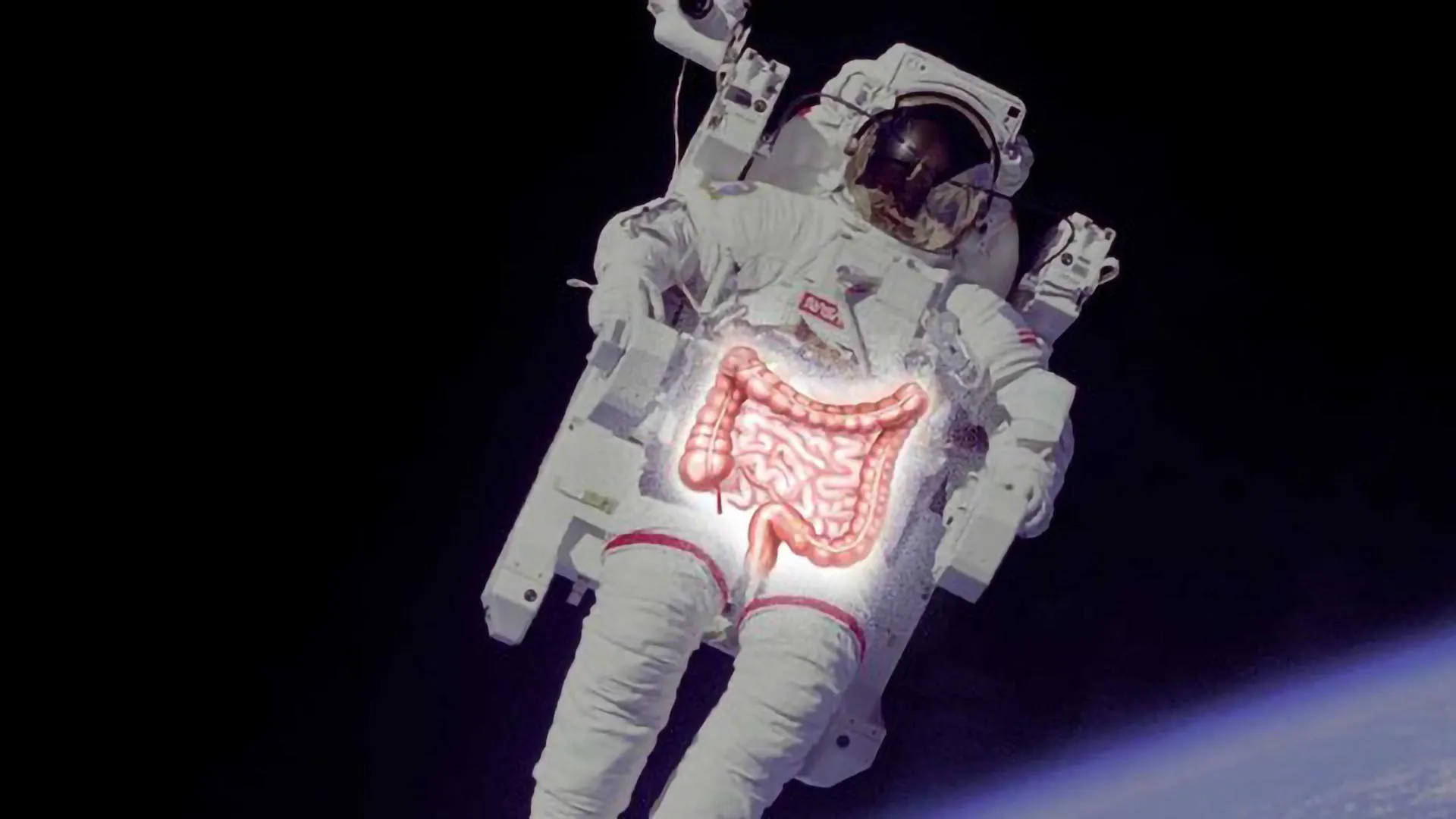
Constipation has long been a vexing and familiar challenge for astronauts, a bodily discomfort that has accompanied humanity’s journey into the cosmos. Yet, the precise mechanisms by which prolonged exposure to microgravity disrupts normal digestive processes have remained a subject of scientific inquiry. Now, groundbreaking research originating from the University of Copenhagen, in a significant collaboration with NASA, is shedding crucial light on this phenomenon, offering a compelling explanation for why the human gut behaves differently in the absence of Earth’s familiar pull.
Unraveling the Microgravity Mystery: A Shift in Gut Bacteria
The investigation, which meticulously analyzed blood samples from 52 astronauts who had spent months aboard the International Space Station (ISS), has uncovered compelling evidence that the digestive system undergoes notable alterations remarkably soon after leaving Earth’s gravitational embrace. These changes persist throughout their time in orbit and even continue for a period after their return.
"We observe distinct changes in astronauts’ blood samples that strongly indicate the gut bacteria begin to ferment protein to a greater extent than usual within weeks of their arrival in space," stated Giorgia La Barbera, joint first author of the study and an associate professor at the University of Copenhagen’s Department of Nutrition, Exercise and Sports. "This shift in microbial activity continues until they are back on Earth."
This shift towards protein fermentation by gut bacteria is a critical finding. Protein fermentation occurs when the microbial community within the intestines prioritizes the breakdown of proteins over dietary fiber. This process is not exclusive to astronauts and can be observed in individuals on Earth under certain circumstances, typically when readily available dietary fiber has been depleted.
The Role of Microgravity in Digestive Slowdown
The research team posits that the unique environment of microgravity likely plays a pivotal role in this digestive recalibration. The absence of gravity is suspected to significantly slow the passage of food through the digestive tract. When food remains in the intestines for extended periods, it provides gut bacteria with more time and opportunity to engage in protein fermentation.
"The lack of gravity in space probably causes food to move more slowly through the intestine, and this fits with the fact that we are seeing signs of increased protein fermentation," explained co-author Henrik Roager, also an associate professor at the Department of Nutrition, Exercise and Sports. "This mechanism may also help explain the prevalent issue of constipation experienced by astronauts."
Metabolite Signatures: A Window into Gut Function
The insights derived from this study stem from a sophisticated analysis of metabolites present in the astronauts’ blood. Metabolites are small molecules that circulate within the bloodstream and serve as vital indicators of the body’s intricate biochemical processes. By scrutinizing these molecular signatures, scientists can glean invaluable information about a wide array of bodily functions, from dietary intake and metabolic rates to the complex biochemical events occurring within the gut.
The significance of these findings extends far beyond the immediate concern of digestive comfort. Emerging scientific understanding highlights the profound interconnectedness of the gut and other bodily systems, including the brain. Alterations within the gut microbiome and its metabolic output can have far-reaching consequences for overall health.
"We know that the byproducts of protein fermentation are often associated with negative health consequences," cautioned Lars Ove Dragsted, senior author of the study and a professor at the Department of Nutrition, Exercise and Sports. "These can range from kidney damage to potential impacts on mood and a reduced ability to focus, among other concerns."
Implications for Future Deep Space Exploration: The Mars Imperative
As space agencies worldwide intensify their focus on ambitious long-duration missions to the Moon and, ultimately, Mars, these findings carry profound implications. Astronauts embarking on such journeys will face considerably longer periods away from Earth’s gravity than their predecessors on the ISS. Understanding and mitigating the physiological challenges of extended space travel is paramount for crew health and mission success.
"When we plan for longer journeys in space, for example to Mars, countermeasures may be needed to mitigate the negative effects of space travel on the intestines," emphasized Giorgia La Barbera. The prospect of prolonged missions underscores the urgent need for proactive strategies to address the physiological adaptations that occur in microgravity.
The researchers suggest that several approaches could prove effective in mitigating these undesirable digestive changes. "Our findings can inform potential interventions – either directly through increasing dietary fiber, supplementation with prebiotics, or other types of treatments that promote peristalsis and decrease gut transit time," elaborated Henrik Roager. "This would help reduce protein fermentation, thereby fostering a healthy gut environment and avoiding negative health consequences."
Peristalsis, the coordinated muscular contractions that propel food and waste through the digestive system, is a key target. Enhancing peristaltic activity could shorten the time material spends in the intestines, thereby limiting the opportunity for excessive protein fermentation.
Beyond the Stars: Benefits for Earthbound Patients
Remarkably, the insights gleaned from studying astronauts in orbit may also offer significant benefits to individuals on Earth facing similar physiological challenges. Prolonged periods of confinement, such as those experienced by bedridden patients, often lead to constipation. Researchers propose that the slowed intestinal motility in these individuals could potentially induce comparable changes in gut fermentation patterns.
"You can use this knowledge to help bedridden patients," concluded Lars Ove Dragsted. "They also experience constipation and likely also have increased protein fermentation that may aggravate their existing health conditions." This suggests a potential dual application for the research, addressing the unique demands of space exploration and providing novel therapeutic avenues for terrestrial medical conditions.
Understanding Protein Fermentation: A Deeper Dive
To fully appreciate the study’s impact, a clearer understanding of protein fermentation is essential. This metabolic process occurs when the gut’s bacterial population, finding insufficient dietary fiber to ferment, turns its attention to breaking down proteins. The process is more pronounced when food resides in the intestines for an extended duration, even in the absence of overt symptoms of constipation.
As bacteria break down proteins, they produce a variety of metabolites. These molecules can then enter the bloodstream and circulate throughout the body. Crucially, some of these metabolites can influence brain function via the gut-brain axis, the sophisticated bidirectional communication network linking the digestive system and the brain. Previous research has already established links between metabolites produced during protein fermentation and adverse effects on the brain, including increased anxiety and diminished cognitive focus.
The Power of Unusually Clear Data
Interpreting blood metabolite data can be inherently challenging due to significant individual variations in human metabolism. However, the unique nature of the astronaut data proved to be a distinct advantage, allowing researchers to overcome some of this inherent variability and bolster their confidence in the observed patterns.
"The samples we have analyzed come from a total of 52 different astronauts, on different missions and across many years," noted joint first author and assistant professor Jan Stanstrup. "This is very different from how you normally conduct a study. So, it is quite impressive that our method has been able to show so clearly that there is consistently more protein fermentation." This large, diverse, and longitudinal dataset provided an unusually robust foundation for their conclusions.
A Glimpse into the Study’s Methodology
The research team employed a comprehensive approach to investigate how human metabolism adapts during spaceflight. By measuring a wide spectrum of metabolites in the astronauts’ blood, they were able to pinpoint the specific biochemical shifts occurring. Their analysis not only revealed the increase in protein fermentation in the gut but also identified smaller, yet significant, changes associated with the consumption of fish and caffeine.
Rather than focusing on a predefined set of substances, the researchers utilized a "non-targeted" analytical approach. This methodology allowed them to explore the entire metabolome present in the blood, identifying any and all metabolites that exhibited changes during spaceflight. The blood samples were sourced from three distinct studies conducted aboard the ISS, demonstrating the researchers’ ability to extract valuable scientific information even from limited sample quantities.
The successful execution of this study is a testament to the power of international scientific collaboration, exemplified by the partnership between the University of Copenhagen and NASA. Researchers from both institutions, including NASA’s Sara R. Zwart and Scott M. Smith, alongside the University of Copenhagen’s Giorgia La Barbera, Jan Stanstrup, Henrik M. Roager, and Lars Ove Dragsted, contributed significantly to this endeavor, underscoring the ISS’s role as a platform for global scientific advancement. The findings represent a crucial step forward in understanding the human body’s response to space, paving the way for healthier and more sustainable future space exploration.