John Galliano, a titan of the fashion world renowned for his extravagant and transformative haute couture, is embarking on an unprecedented collaboration with global retail giant Zara. This partnership, unveiled as the "Reform Zara collection," marks a significant moment in accessible fashion, bringing Galliano’s distinctive design philosophy to a mass market with price points beginning at an accessible $29.90. The inaugural drop is slated for October 1st, launching at 1 a.m. PT/4 a.m. ET (10 a.m. CEST), promising to inject a dose of high-fashion artistry into everyday wardrobes.
This ambitious venture is not merely another designer-led capsule collection. The core premise of the two-year partnership is Galliano’s innovative approach to upcycling and reinterpretation. Instead of designing entirely new garments from scratch, Galliano and his team are meticulously dissecting pieces from Zara’s archives – garments from past seasons that have already served their initial purpose. These existing items are then deconstructed, their proportions dramatically altered, and their fabrics and forms reassembled through Galliano’s unique design vocabulary. This deconstructive and reconstructive process is the very essence of "Reform," aiming to imbue familiar Zara silhouettes with the conceptual depth and artisanal flair characteristic of Galliano’s work.
The anticipation surrounding this collaboration is palpable, fueled by Galliano’s formidable reputation and the democratizing nature of Zara’s platform. His name alone evokes a legacy of unparalleled creativity and theatricality, from his groundbreaking tenure at Dior to his critically acclaimed work at Maison Margiela. The prospect of experiencing his design genius at a fraction of the cost of traditional couture is a powerful draw. Experts predict that the most coveted pieces from the Reform collection are likely to experience rapid sell-outs, a common phenomenon with high-profile designer collaborations, amplified in this instance by the unique conceptual approach and accessible price bracket.
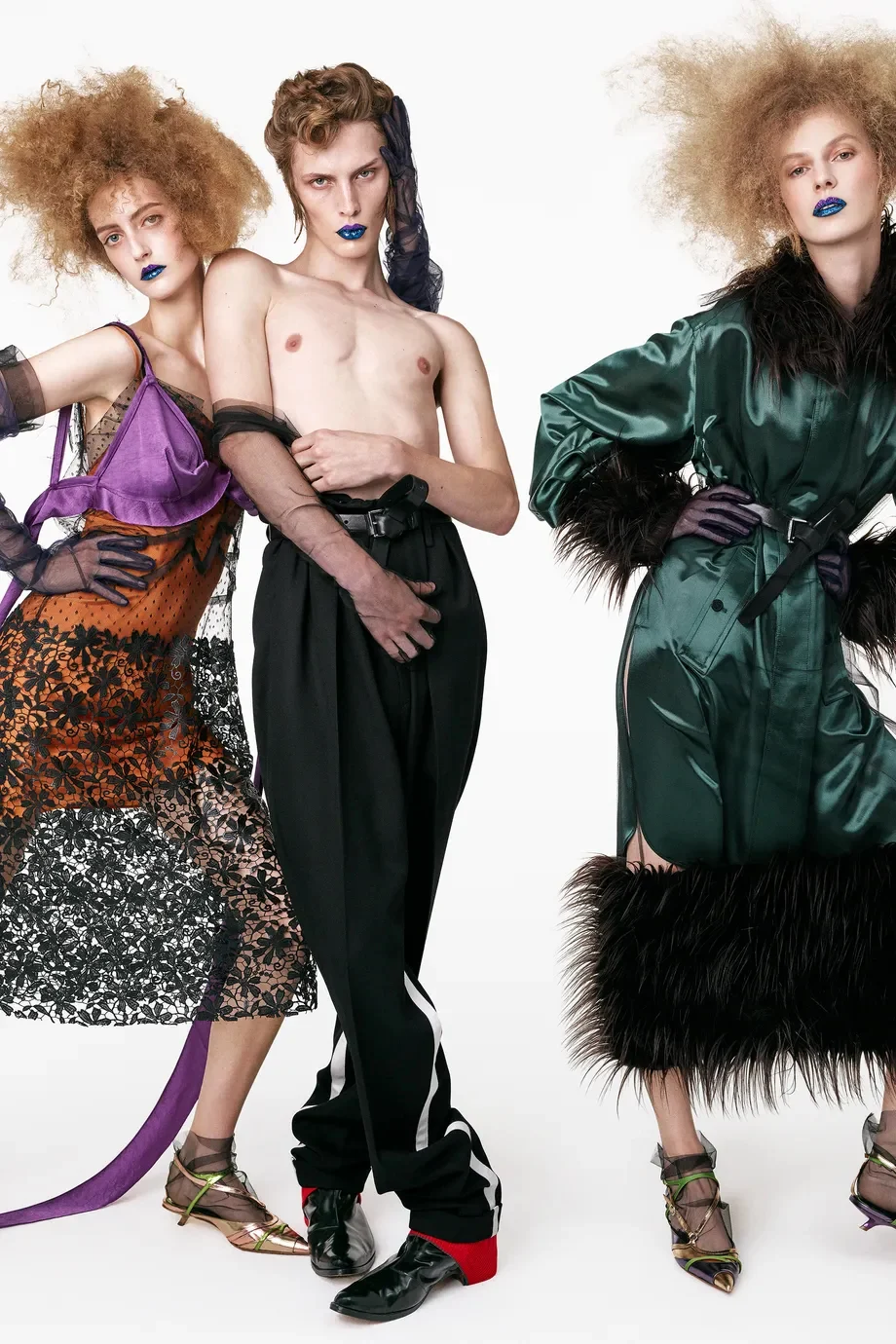
Galliano’s alchemical touch transforms even the most commonplace Zara items into statements of avant-garde fashion. Ordinary slip dresses, for example, are reimagined, their delicate lace trims elevated and manipulated to form extravagant jabots, creating an unexpected focal point at the neckline. A standard cotton shirt, significantly oversized, is reborn as a striking jacket, enhanced with trompe-l’oeil prints that mimic the texture and sheen of leather. Even a classic wool-blend coat undergoes a dramatic metamorphosis, with pockets ingeniously migrating to the back, lapels expanding to dramatic proportions, and the hemline elongating into elegant tails, echoing historical sartorial references.
The transformative techniques employed are hallmarks of Galliano’s design signature. Bias cutting, a method that allows fabric to drape and flow with exquisite fluidity, is a prominent feature. Layers of diaphanous tulle add depth and ethereal quality, while his mastery of technical tailoring ensures that even the most unconventional silhouettes maintain structural integrity. Historical dress references are woven throughout the Reform collection, evident in cropped tailcoats and form-fitting dresses that evoke bygone eras. Notably, several silhouettes draw inspiration from Les Incroyables, the flamboyant dandies of post-revolutionary France. This aesthetic echoes Galliano’s own formative 1984 Central Saint Martins graduation collection, a seminal body of work that propelled him into the fashion stratosphere and garnered him early critical acclaim. The cyclical nature of inspiration, from historical movements to personal artistic genesis, is a recurring theme in Galliano’s career.
This reimagining of familiar garments also draws parallels with Galliano’s recent work at Maison Margiela. His Spring 2024 Artisanal couture show for the house, staged beneath Paris’s Pont Alexandre III, was a defining fashion moment of the year. The collection was characterized by extreme corsetry, sheer, ethereal dresses, and dramatically manipulated silhouettes that pushed the boundaries of wearable art. The accompanying "glass doll" makeup, meticulously crafted by Pat McGrath, became an iconic element, sparking a flurry of social media recreations and tutorials, further cementing the collection’s cultural impact. While the Reform collection operates on a vastly different scale and accessibility level than Margiela’s haute couture, the underlying fascination with transforming the ordinary into the extraordinary remains a constant. The key distinction here is that Galliano’s raw material is not solely virgin fabric but the pre-existing garments of a global retail brand.
The timing of the Reform collection’s release carries particular significance, especially in light of recent developments concerning Galliano’s public profile. In August, it was announced that "John Galliano: Horizons," a highly anticipated exhibition at The Metropolitan Museum of Art’s Costume Institute planned for Spring 2027, would not proceed. This news, delivered just weeks before the Zara collaboration’s launch, casts a new light on Galliano’s next major professional chapter. His return to the global fashion conversation is now unfolding on the considerably more mainstream and accessible platform of Zara, suggesting a strategic pivot and a desire to engage with a broader audience. This shift from the rarefied air of museum retrospectives to the commercial dynamism of fast fashion underscores a bold new direction for the designer.
Zara, as a global retailer with an expansive reach, provides an unparalleled platform for Galliano’s artistic vision to connect with millions. The partnership, projected to encompass seasonal collections over two years, is being framed by Zara as a significant exercise in sustainable fashion and creative innovation. The retailer’s statement emphasizing the deconstruction and reconfiguration of its own past season’s garments into novel designs highlights a commitment to rethinking the lifecycle of apparel. This approach not only offers consumers a unique aesthetic but also aligns with growing consumer demand for more environmentally conscious fashion practices.
The financial implications of this collaboration are also noteworthy. While a Galliano-designed Dior couture piece commanded a staggering 663,000 euros at auction earlier this year, the Reform collection offers an entry point into his design world for a significantly more modest investment. The collection’s pricing, starting at $29.90, makes Galliano’s transformative aesthetic accessible to a demographic that might typically only experience his work through editorial spreads or historical archives. This democratizing effect has the potential to significantly broaden his influence and introduce his conceptual approach to a new generation of fashion enthusiasts.

How to Shop the John Galliano Zara Collection: Reform
The highly anticipated Reform collection, a testament to John Galliano’s innovative spirit and Zara’s commitment to accessible fashion, is set to launch on October 1st. Prices for this groundbreaking collaboration begin at a remarkably accessible $29.90, making Galliano’s transformative design vision available to a wide audience. The collection will be available for purchase online at Zara.com and at select Zara flagship stores worldwide.
Given the immense anticipation and the unique conceptual appeal of the Reform collection, shoppers are advised to act swiftly. The inherent desirability of Galliano’s name, coupled with the innovative deconstruction and reconstruction of familiar Zara pieces, suggests that standout items are expected to sell out rapidly. This initial drop is just the beginning of a two-year partnership, hinting at further creative explorations and collections from this unexpected yet exciting union.
The collaboration represents a fascinating convergence of high fashion and mass retail, challenging traditional notions of designer exclusivity and ushering in an era where avant-garde design can be both critically acclaimed and commercially viable. The Reform collection is poised to not only redefine Galliano’s legacy but also to inspire a new wave of creative upcycling and design innovation within the global fashion industry.
Supporting Data and Context
The fashion industry has witnessed a growing trend towards designer collaborations with fast-fashion retailers, a phenomenon driven by consumer demand for aspirational styles at accessible price points. Brands like H&M have a long history of successful partnerships with high-end designers such as Karl Lagerfeld, Versace, and Balmain, often resulting in sell-out collections. Zara, a global leader in fast fashion, has also engaged in collaborations, though typically with less established names or with a focus on emerging talent. The partnership with John Galliano, a designer of Galliano’s stature and historical significance, represents a significant elevation for Zara’s collaborative endeavors and signals a strategic move to leverage his artistic gravitas.
The concept of upcycling and garment reconstruction is gaining traction as a response to the environmental impact of the fashion industry. Consumers are increasingly aware of the waste generated by fast fashion, and brands are exploring more sustainable practices. Galliano’s "Reform" approach, which inherently involves reusing and reimagining existing garments, aligns with this growing consciousness. By deconstructing and rebuilding Zara’s past season stock, the collection addresses textile waste while simultaneously creating novel and desirable pieces. This innovative model offers a potential blueprint for other brands looking to integrate sustainability with high-fashion aesthetics.
The historical context of John Galliano’s career is crucial to understanding the depth of this collaboration. His early work, particularly his 1984 Central Saint Martins graduation collection inspired by Les Incroyables, demonstrated a precocious talent for historical referencing and dramatic silhouette manipulation. His subsequent tenures at Givenchy and Dior cemented his reputation as a couturier capable of creating fantastical, theatrical collections that pushed the boundaries of luxury fashion. However, his career trajectory also included significant controversies, leading to his departure from Dior in 2011. His return to the forefront of fashion with Maison Margiela, particularly his Artisanal collections, showcased a period of artistic redemption and renewed critical acclaim. The Zara collaboration, therefore, marks another significant chapter, demonstrating his adaptability and enduring creative relevance across different market segments.
The decision by the Metropolitan Museum of Art to cancel the planned "John Galliano: Horizons" exhibition in Spring 2027, as reported in August, adds a layer of intrigue to the Zara announcement. While the exact reasons for the cancellation were not publicly detailed, it suggests a complex professional landscape for the designer. The subsequent unveiling of a major collaboration with Zara, a vastly different kind of fashion enterprise, highlights Galliano’s continued capacity to generate excitement and engage with the industry on multiple fronts. This pivot from a prestigious museum retrospective to a global retail partnership underscores his versatility and ongoing influence in the fashion world.
Broader Impact and Implications
The John Galliano x Zara collaboration has the potential to significantly influence the broader fashion landscape. For consumers, it offers unprecedented access to a designer’s unique creative vision at an attainable price point. This democratizing effect can foster greater appreciation for design artistry and encourage more informed purchasing decisions. It also challenges the traditional hierarchy of the fashion industry, where access to certain designers’ work has historically been limited by cost.
From a sustainability perspective, the "Reform" concept could inspire other brands to adopt similar upcycling and deconstruction models. If successful, this approach could lead to a more circular fashion economy, reducing waste and promoting responsible consumption. Zara, as a global leader, has the power to set new standards and encourage industry-wide adoption of more sustainable practices.
The collaboration also signals a shift in how established designers engage with the market. Galliano’s willingness to work within the framework of a fast-fashion retailer, while maintaining his distinctive design DNA, demonstrates a modern approach to career management and audience engagement. It suggests that the lines between high fashion, accessible luxury, and mass retail are becoming increasingly blurred, offering new avenues for creative expression and commercial success. The success of this partnership could pave the way for further collaborations between iconic designers and global retail platforms, reshaping the future of fashion accessibility and consumption. The retail world will be watching closely to see how this unique fusion of couture artistry and mass-market appeal unfolds.