

Scientists have identified hidden changes in the immune system that can appear up to 10 years before a person is diagnosed with inflammatory bowel disease (IBD). The findings, presented at UEG Week 2026, suggest that certain antibody patterns in the blood could eventually help doctors identify people at risk of developing the condition and even predict how severe their disease might become. This revolutionary research offers a potential paradigm shift in the early detection and management of Crohn’s disease and ulcerative colitis, two chronic and often debilitating gastrointestinal disorders.
The Silent Onset of Inflammatory Bowel Disease
Inflammatory bowel disease (IBD) encompasses a spectrum of chronic inflammatory conditions affecting the digestive tract, with Crohn’s disease (CD) and ulcerative colitis (UC) being the most prevalent forms. These diseases are characterized by persistent inflammation that can lead to a range of debilitating symptoms, including abdominal pain, diarrhea, rectal bleeding, weight loss, and fatigue. The exact causes of IBD remain complex and are believed to involve a multifactorial interplay of genetic predisposition, environmental triggers, and an aberrant immune system response.
A growing consensus within the medical community suggests that IBD is not an abrupt onset condition but rather a gradual process that begins developing years, perhaps even a decade or more, before clinical symptoms manifest and a diagnosis is formally made. This preclinical phase, however, has historically been a black box, with the subtle immunological shifts occurring during this period poorly understood. The challenge for clinicians has been the lack of reliable biomarkers to identify individuals at risk during this crucial window, delaying potential interventions and allowing disease progression to occur unchecked.
A Decade-Long Immune Surveillance: Unraveling Pre-Diagnostic Changes
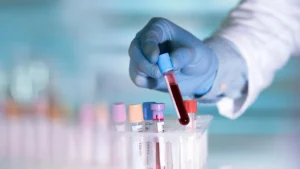
To illuminate the immunological landscape of the preclinical IBD phase, a comprehensive study was conducted, analyzing a substantial repository of 2,000 blood serum samples from 500 individuals. This meticulously curated dataset included participants who were later diagnosed with Crohn’s disease (200 individuals), ulcerative colitis (200 individuals), and a control group of 100 healthy individuals matched for age and sex. Crucially, blood samples were collected not only at the time of diagnosis but also at intervals of approximately two, four, and a significant 10 years prior. This longitudinal collection allowed researchers to meticulously trace immune system activity backward in time, effectively creating a decade-long chronicle of immune responses preceding the onset of recognized IBD.
The analytical scope of the study was vast, involving the examination of antibody reactions against an astonishing array of approximately 357,000 antigens. These antigens represent a diverse range of biological entities, including bacterial components, viral proteins, food molecules, and even self-antigens—components of the body’s own tissues. Antibodies, the key players in this investigation, are proteins produced by the immune system that act as specific scouts, identifying and neutralizing foreign invaders or abnormal cells. In total, across all the analyzed samples, researchers identified a staggering 123,980 unique antibodies, highlighting the complexity and intricate nature of the immune system’s repertoire.
Distinct Immune Signatures Emerge for Crohn’s Disease and Ulcerative Colitis
The analysis revealed a striking and consistent pattern: individuals who eventually developed IBD, both Crohn’s disease and ulcerative colitis, exhibited significantly reduced antibody diversity compared to their healthy counterparts. This reduction implies a narrower and potentially less robust spectrum of immune responses, suggesting that the immune system may be less adaptable or more prone to dysregulation in these individuals even years before overt disease. This diminished diversity was a detectable signal as far back as a decade prior to diagnosis, underscoring the protracted nature of the underlying immune alterations.
Further stratification of the data unveiled distinct immunological fingerprints for Crohn’s disease and ulcerative colitis, hinting at different underlying pathological mechanisms. For individuals who would later be diagnosed with Crohn’s disease, researchers observed elevated antibody responses to herpesviruses and bacterial flagellin. Flagellin, a protein integral to the motility structures of certain bacteria, when recognized by the immune system, can trigger inflammatory pathways. These heightened responses were particularly pronounced in those who eventually developed complicated forms of Crohn’s disease or IBD affecting the ileum, the final segment of the small intestine. Conversely, antibody responses to encapsulated bacteria—microorganisms protected by a distinct outer layer that can shield them from immune surveillance—showed a gradual decline as diagnosis approached. This suggests a potential shift in how the immune system interacts with different types of microbes in the gut environment.
In contrast, individuals destined to develop ulcerative colitis displayed a somewhat different immunological profile. Their antibody responses to herpesviruses and autoantigens—components of the body’s own cells that the immune system mistakenly targets—were found to increase. Simultaneously, responses to encapsulated pathogens decreased. This observation suggests that in ulcerative colitis, the immune system may be exhibiting a greater tendency towards self-reactivity and potentially a compromised ability to manage certain bacterial threats. Together, these differentiated immune signatures provide compelling evidence that the immune system undergoes measurable and distinct changes many years before IBD becomes clinically apparent.
Harnessing Artificial Intelligence for Early Risk Prediction
The transformative potential of these antibody signatures was further explored through the application of machine learning, a sophisticated branch of artificial intelligence adept at identifying complex patterns within vast datasets. Researchers trained machine learning models to discern whether these antibody profiles could accurately differentiate individuals destined to develop IBD from healthy controls, even when analyzing samples collected up to 10 years prior to diagnosis.
The results were remarkably promising and exceeded initial expectations. For individuals who would later develop Crohn’s disease, the machine learning models achieved an area under the curve (AUC) of 0.90 in distinguishing them from healthy individuals. An AUC of 0.90 signifies a highly accurate predictive model, indicating that the antibody patterns identified were strongly correlated with future disease development. For ulcerative colitis, the models demonstrated an AUC of 0.84, also representing a significant level of discriminatory power. The AUC metric quantifies a model’s ability to distinguish between two classes, with a score of 1.0 representing perfect discrimination and 0.5 indicating performance no better than chance.
Perhaps even more clinically relevant, the study found that these antibody patterns could also predict the severity of Crohn’s disease. The models were able to distinguish individuals who would develop complicated Crohn’s disease from those with less severe forms with an AUC of 0.85, again, up to a decade before diagnosis. This predictive capability holds immense promise for personalizing treatment strategies and allocating resources more effectively to patients who are likely to experience more aggressive disease trajectories.
Official Statements and Expert Reactions
The implications of these findings have generated considerable excitement within the gastroenterology and immunology communities. Dr. Arno Bourgonje, the lead author of the study, expressed his enthusiasm, stating, "It is fascinating to see that complicated CD at diagnosis is associated with a distinct antibody profile years before the first clinical symptoms and is not simply the consequence of disease progression after diagnosis. Finding these patterns so early points to the potential of antibody profiling to support earlier risk detection, distinguish between disease subtypes and help identify patients who may benefit from more intensive therapy as early as possible."
This sentiment was echoed by independent experts in the field, who acknowledged the groundbreaking nature of the research. Dr. Eleanor Vance, a renowned gastroenterologist not involved in the study, commented, "For years, we have grappled with the diagnostic challenge of IBD, often only intervening once significant damage has occurred. This research opens a tangible pathway towards proactive management. The ability to identify individuals at high risk, and even predict disease severity, up to a decade in advance, could revolutionize how we approach IBD care, moving from reactive treatment to preemptive intervention."
Broader Impact and Future Directions
While the study establishes a compelling proof of principle, researchers and clinicians alike emphasize that these findings are not yet ready for widespread clinical implementation. The immediate next steps involve rigorous validation of these identified antibody signatures in larger, more diverse, and prospectively followed patient populations. This validation is critical to ensure the reproducibility and generalizability of the findings across various ethnic backgrounds and geographical locations.
Furthermore, extensive research is needed to determine the added value of these antibody tests compared to existing diagnostic tools, including genetic screening, clinical assessments, and other established blood-based biomarkers. For a potential screening test to be adopted into routine medical practice, it must demonstrate not only accuracy but also affordability, reproducibility, and, most importantly, a clear benefit in improving patient outcomes.
"The next priority is to validate these signatures in independent, more diverse and prospectively followed populations," concluded Dr. Bourgonje. "We also need to determine their added value alongside genetic, clinical and other blood-based markers, translate the findings into a reproducible and affordable targeted assay and, ultimately, demonstrate that using such a test actually leads to better clinical outcomes."
The ultimate goal is to translate these discoveries into a clinically actionable blood test. Such a test could empower healthcare providers to identify individuals at elevated risk of developing IBD years before the onset of symptoms, allowing for lifestyle modifications, closer monitoring, and potentially earlier initiation of therapeutic strategies. Moreover, the ability to differentiate between disease subtypes and predict severity could enable highly personalized treatment plans, ensuring that patients receive the most appropriate and effective interventions from the outset. If future research confirms these promising results, blood-based immune profiling could usher in a new era of proactive and personalized care for inflammatory bowel disease, significantly improving the quality of life for millions affected by these chronic conditions.