


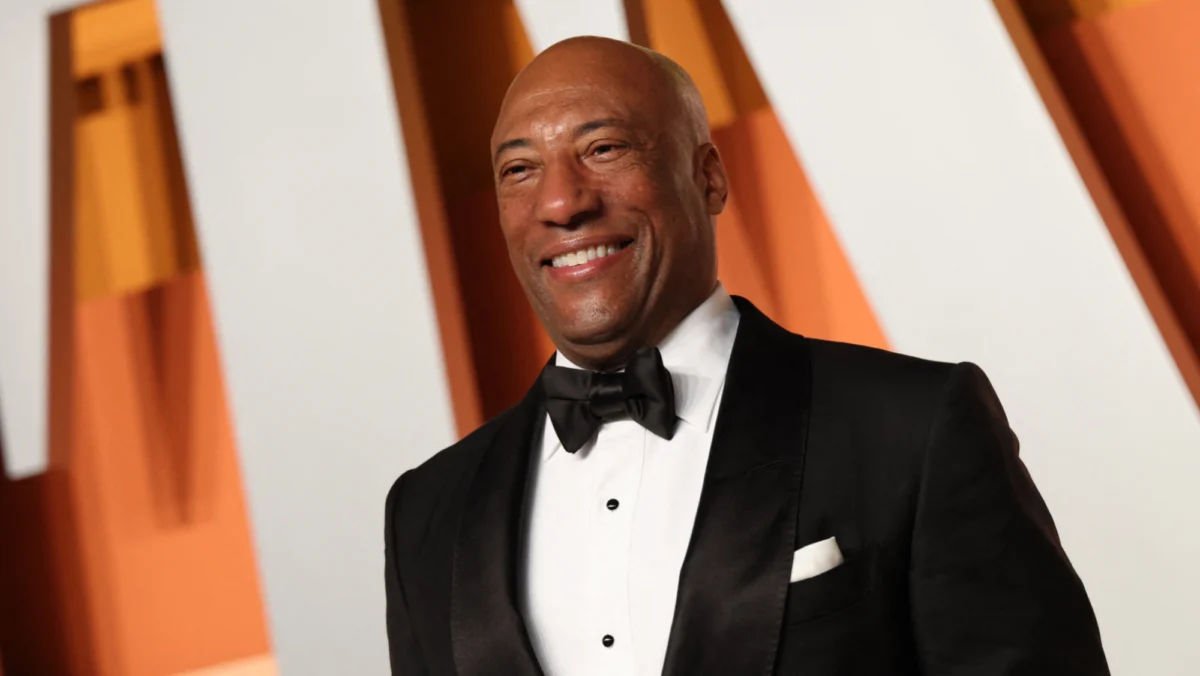
Media mogul Byron Allen has divested his entire 10.7 percent stake in Starz, the premium pay-TV and streaming service that was spun out from Lionsgate in the past year. This move marks a significant shift in Allen’s media portfolio and comes after a period of intense strategic maneuvering and stated ambitions regarding the future of the premium content provider. The divestment, confirmed through recent filings with the Securities and Exchange Commission (SEC), suggests a recalibration of Allen’s investment priorities, particularly in light of his recent acquisition of a controlling stake in BuzzFeed.
The Genesis of Allen’s Starz Investment
Allen’s initial foray into Starz began earlier this year when his family office acquired the substantial stake. The transaction, valued at $25 million, was made through a purchase from Liberty 77, an investment fund managed by former Treasury Secretary Steve Mnuchin. This acquisition immediately positioned Allen as a significant minority shareholder in Starz, sparking considerable interest and speculation within the media industry. At the time of the purchase, Allen’s intention was not merely to be a passive investor. He publicly declared his aspirations to potentially control the company, aiming to integrate Starz’s premium content offerings into his broader media expansion plans.
His ambition was underscored by a candid statement to The Hollywood Reporter, where he articulated a clear vision: "When I decide to buy the whole company — I will buy the whole company — I do plan on controlling Starz." Allen further elaborated that acquiring a controlling interest in Starz would serve as a crucial component to complement his existing and burgeoning digital media ventures, specifically mentioning his plans for the recently acquired BuzzFeed. The desire for a robust SVOD (Subscription Video On Demand) service to synergize with BuzzFeed’s digital scale was a central theme in his pronouncements.
Starz’s Defensive Maneuvers and Allen’s Shifting Outlook
Following Allen’s disclosure of his stake, Starz implemented a "poison pill" defense mechanism. This corporate strategy, officially known as a shareholder rights plan, is designed to make a hostile takeover prohibitively expensive and complex by allowing existing shareholders to purchase additional shares at a discount if any single entity acquires a certain percentage of the company’s stock without board approval. The implementation of this measure indicated Starz’s proactive stance in preventing Allen, or any other potential acquirer, from unilaterally increasing their ownership and exerting undue influence.
Despite these defensive measures, Allen maintained his public interest in Starz. However, the recent SEC filings reveal a departure from his earlier stated intentions. The filings, submitted on Thursday afternoon, detail the complete sale of Allen’s 10.7 percent holding across August and September. This strategic exit yielded Allen a profit, netting him a sum approaching $45 million, a significant return on his initial $25 million investment within a relatively short timeframe. The swiftness of both the acquisition and subsequent divestment suggests a dynamic and perhaps opportunistic approach to his investment strategy.
Starz’s Operational Performance and Future Trajectory
The timing of Allen’s exit also coincides with Starz’s ongoing transformation and its latest financial reporting. In its third-quarter earnings report, released concurrently with the SEC filing, Starz announced positive developments, including growing revenue and a reduction in losses. The company attributed these improvements to the continued success of its flagship franchises, such as the highly popular Power universe and the critically acclaimed Outlander. This performance indicates that Starz is navigating its transition as a standalone entity effectively, focusing on its core content strengths to drive subscriber engagement and financial stability.
Starz’s strategic direction involves leveraging its established library of premium content while also exploring new avenues for growth in the evolving media landscape. The company’s ability to generate consistent returns from its popular series provides a solid foundation for its future endeavors, even as the broader industry grapples with the challenges of direct-to-consumer streaming and content monetization. The operational health of Starz, as evidenced by its recent earnings, provides a crucial backdrop to understanding the market dynamics that may have influenced Allen’s investment decision.
Byron Allen’s Expanding Media Empire
Byron Allen’s involvement with Starz is part of a larger, aggressive expansion strategy for his media conglomerate. Allen Entertainment is a diverse entity that includes significant assets such as The Weather Channel, a leading global provider of weather information and meteorological data, and HBCU Go, a streaming service dedicated to content relevant to Historically Black Colleges and Universities. Furthermore, Allen hosts and produces "Comics Unleashed," a popular late-night comedy show broadcast on CBS.
The most significant recent development in Allen’s portfolio was his acquisition of a controlling stake in BuzzFeed earlier this year. This acquisition signaled a major pivot towards digital media and a focus on building a comprehensive streaming video and advertising business. Allen has articulated a vision of leveraging BuzzFeed’s extensive reach, its portfolio of popular digital brands, and its audience engagement capabilities to create a powerful new player in the digital content space. The synergy between BuzzFeed’s digital audience and Starz’s premium content was a key element of his initial interest in the latter.
Analysis of Implications and Future Outlook
Allen’s decision to sell his Starz stake, despite his earlier pronouncements of intent to control the company, suggests a strategic realignment. Several factors could have contributed to this shift. Firstly, the implementation of Starz’s poison pill likely presented a more formidable and costly path to achieving control than initially anticipated. Acquiring a controlling stake against a defensive corporate structure often requires a significantly higher premium and prolonged battle.
Secondly, Allen’s acquisition of BuzzFeed may have necessitated a reallocation of capital and strategic focus. Building and integrating a digital media powerhouse like BuzzFeed requires substantial investment and management bandwidth. Prioritizing this core initiative could have led Allen to reconsider the immediate need for a large stake in a premium cable and streaming service.
The profit realized from the Starz investment, nearly doubling his initial outlay, demonstrates Allen’s acumen as an investor. This capital infusion can now be strategically deployed towards other ventures within his rapidly expanding media empire, particularly in the digital realm where he sees significant growth potential.
For Starz, Allen’s exit removes a potentially disruptive activist investor. While his intentions were not necessarily hostile, his stated goal of control could have created uncertainty for the company’s long-term strategic planning and its relationship with existing shareholders and partners. The company can now proceed with its transformation and operational goals with greater clarity, focusing on executing its business plan without the overhang of a major shareholder seeking to exert influence.
The broader implication of Allen’s move highlights the fluid and dynamic nature of the media industry. Investments are made, strategies evolve, and capital is reallocated as market conditions and individual company objectives shift. Allen’s journey with Starz, from a declared ambition to control to a profitable divestment, exemplifies the strategic agility required to navigate the complex landscape of media and entertainment in the 21st century. His focus now appears squarely fixed on leveraging digital platforms and content creation, with the financial gains from the Starz investment potentially fueling these ambitious undertakings. The success of his integrated vision, combining BuzzFeed’s digital reach with his other media assets, will be a key development to watch in the coming years.