

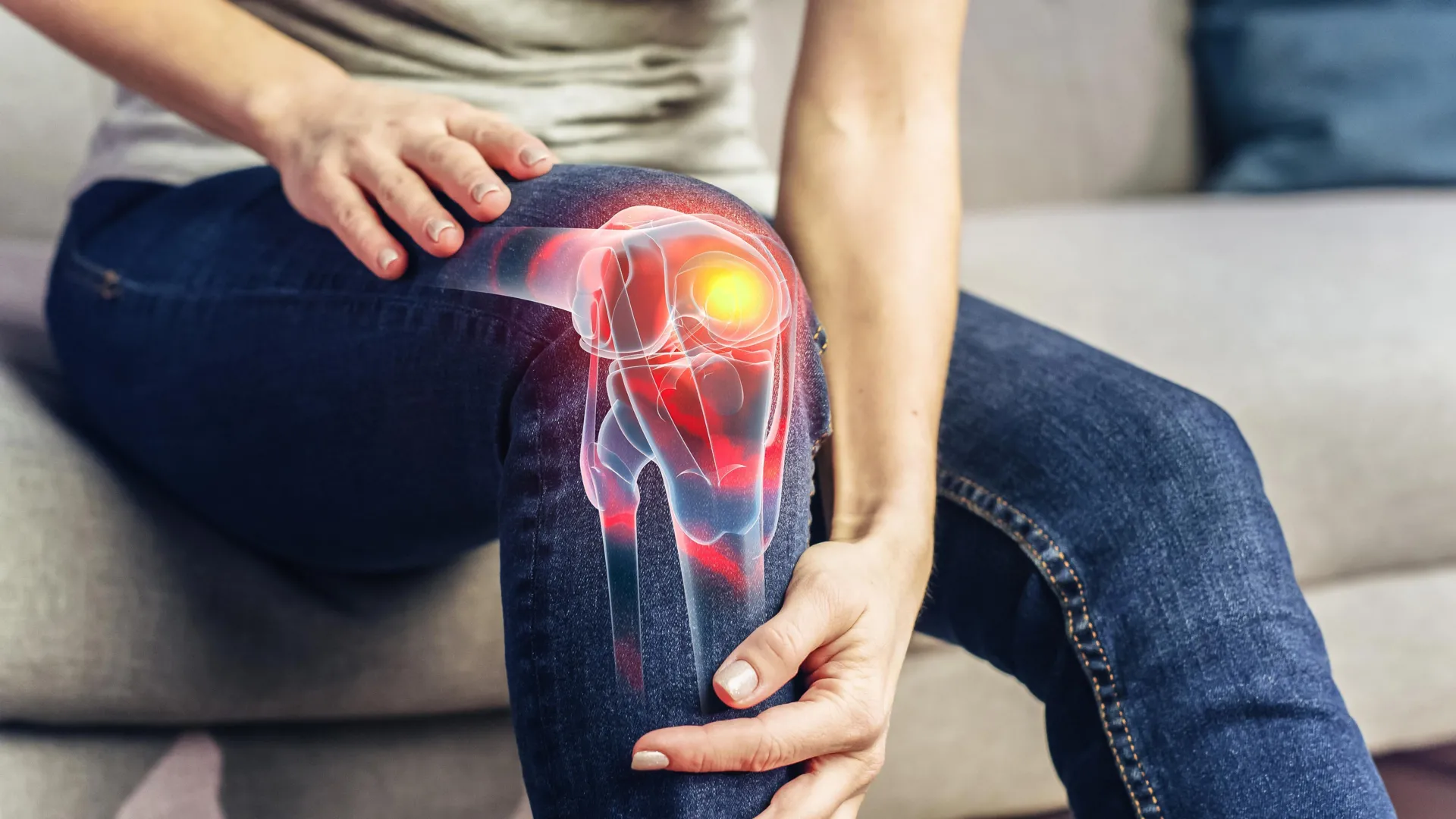
A groundbreaking clinical trial conducted by researchers at the University of Nottingham has unveiled a potentially revolutionary approach to managing knee osteoarthritis (OA), a condition affecting hundreds of millions worldwide. The study, published in the esteemed journal Nutrients, suggests that a simple daily intake of a prebiotic fiber called inulin can significantly alleviate knee arthritis pain, bolster muscle strength, and decrease pain sensitivity, offering a more accessible and tolerable alternative to traditional treatments like digital physical therapy.
The Promise of Prebiotic Fiber in Arthritis Management
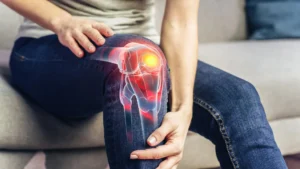
Knee osteoarthritis, characterized by the gradual deterioration of cartilage and other tissues within the knee joint, is a leading cause of chronic pain, disability, and diminished quality of life, particularly for the aging population. Symptoms such as pain, stiffness, and swelling can severely impede daily activities, making effective and sustainable management strategies crucial. While pain medications and physical therapy are cornerstones of treatment, adherence to exercise regimens can be a significant hurdle for individuals already contending with persistent discomfort.
The University of Nottingham’s research, led by Dr. Afroditi Kouraki from the School of Medicine, introduces inulin, a naturally occurring fiber found in foods like chicory root and Jerusalem artichokes, as a promising adjunct or alternative therapy. Unlike many dietary components, inulin bypasses digestion in the small intestine and ferments in the large intestine, serving as a vital nutrient source for beneficial gut bacteria. This fermentation process yields short-chain fatty acids (SCFAs), notably butyrate, which plays a crucial role in maintaining intestinal health and influencing inflammatory pathways and pain perception.
Unraveling the Gut-Muscle-Pain Axis
The study’s findings illuminate a complex interplay between the gut microbiome, the body’s pain processing mechanisms, and muscle function, a concept increasingly recognized as the "gut-muscle-pain axis." The research team observed that participants who consumed inulin exhibited elevated levels of butyrate, a direct indicator of enhanced beneficial gut bacterial activity.
Furthermore, the trial revealed a significant increase in glucagon-like peptide-1 (GLP-1) levels among inulin consumers. GLP-1, a hormone released by the gut, is known for its roles in regulating blood sugar and appetite, but recent research has also linked it to pain modulation and muscle health. While GLP-1 is the target of popular medications like Ozempic and Wegovy, the inulin supplement’s effect is not pharmacological but rather stems from its ability to stimulate the body’s own GLP-1 production by supporting the gut microbiome.
Intriguingly, higher GLP-1 levels were correlated with improved grip strength, suggesting that interventions originating in the digestive system can have far-reaching effects on physical performance. This observation opens new avenues for understanding how gut health contributes to overall physical resilience and may offer insights into broader age-related decline.
The INSPIRE Trial: Methodology and Key Findings
To rigorously investigate these effects, researchers designed the INSPIRE trial, a six-week randomized controlled study involving 117 adults diagnosed with knee osteoarthritis. Participants were strategically allocated into four distinct groups: inulin supplementation alone, digitally supported physical therapy exercises (PSE) alone, a combination of inulin and physical therapy, or a placebo. This multifaceted design allowed for the isolation of the effects of the supplement and exercise, as well as the evaluation of their synergistic potential.
The trial yielded several significant results:
- Pain Reduction: Both inulin supplementation and physical therapy independently demonstrated a notable reduction in knee pain, underscoring the efficacy of established and novel approaches.
- Enhanced Muscle Strength and Reduced Pain Sensitivity: Participants receiving inulin experienced additional benefits not observed with physical therapy alone, including a significant improvement in grip strength and a decrease in pain sensitivity. This reduced sensitivity to pain is particularly valuable for OA patients, as persistent discomfort can sometimes be attributed to changes in how the nervous system processes pain, independent of visible joint damage. The unexpected improvement in grip strength suggests that the supplement’s benefits may extend beyond the affected joint.
- Adherence and Tolerability: A critical finding emerged regarding participant adherence. The inulin-only group exhibited a remarkably low dropout rate of just 3.6%, starkly contrasting with the 21% dropout rate observed in the physical therapy-only group. This suggests that incorporating a daily fiber supplement into one’s routine is considerably more manageable for individuals struggling with chronic pain compared to adhering to a structured exercise program.
Dr. Kouraki commented on this aspect, stating, "Our findings suggest that targeting gut health with a prebiotic supplement is a safe, well-tolerated, and effective way to reduce pain in people with knee osteoarthritis. The very low dropout rate compared to the exercise group is also encouraging from a public health perspective—people were able to fit this supplement easily into their daily lives."
Expert Perspectives and Broader Implications
The implications of the INSPIRE trial extend beyond knee osteoarthritis, hinting at a broader biological connection between gut health, physical performance, and aging. Professor Ana Valdes, a senior author on the study from the University of Nottingham’s School of Medicine, emphasized this point: "The link we observed between GLP-1 and grip strength is particularly intriguing and points to a broader gut-muscle-pain axis that warrants further investigation. This could have implications not just for osteoarthritis, but for understanding how gut health influences aging and physical resilience more broadly."
While the results are highly promising, the researchers acknowledge the study’s limitations, including its relatively small sample size and six-week duration. Larger, longer-term studies are necessary to confirm the persistence of these benefits, identify patient subgroups most likely to respond, and fully elucidate the underlying biological mechanisms.
Importantly, the findings do not advocate for the replacement of exercise or other established arthritis treatments with fiber supplements. Instead, they highlight the potential of inulin as a valuable complementary therapy that can be integrated into comprehensive care plans.
A New Horizon for Arthritis Care
The impact of this research is amplified by the widespread prevalence of chronic arthritis pain. Lucy Donaldson, Director of Research at Arthritis UK, commented on the study’s significance: "The pain of arthritis can severely impact quality of life. Our recent lived experience survey showed that six in ten people are living in pain most or all of the time due to their arthritis. Researchers are starting to explore the role of the gut microbiome in our experience of pain. This exciting preliminary research highlights how diet and physiotherapy can act in different ways to have benefits for people with arthritis. We know a variety and balance of healthy foods, including fiber, and regular physical activity matter, and we’re glad to be supporting research that explores how they work to help people with arthritis."
For individuals living with knee osteoarthritis, this research offers an encouraging prospect: a simple dietary adjustment may not only alleviate pain but also contribute to overall physical well-being. The study suggests a paradigm shift in arthritis management, urging a consideration of factors beyond the affected joints, specifically the intricate relationship between gut bacteria, inflammation, pain perception, and muscle function. By delving deeper into this gut-muscle-pain axis, scientists may unlock novel and effective strategies for managing a condition that profoundly affects millions globally.
The University of Nottingham’s research team plans to expand their investigations to further explore the gut-muscle-pain axis and its implications for other musculoskeletal conditions and the broader aging process. Their ongoing work aims to provide robust evidence to support the integration of gut health interventions into mainstream clinical practice for a wide range of conditions impacting physical function and quality of life.