


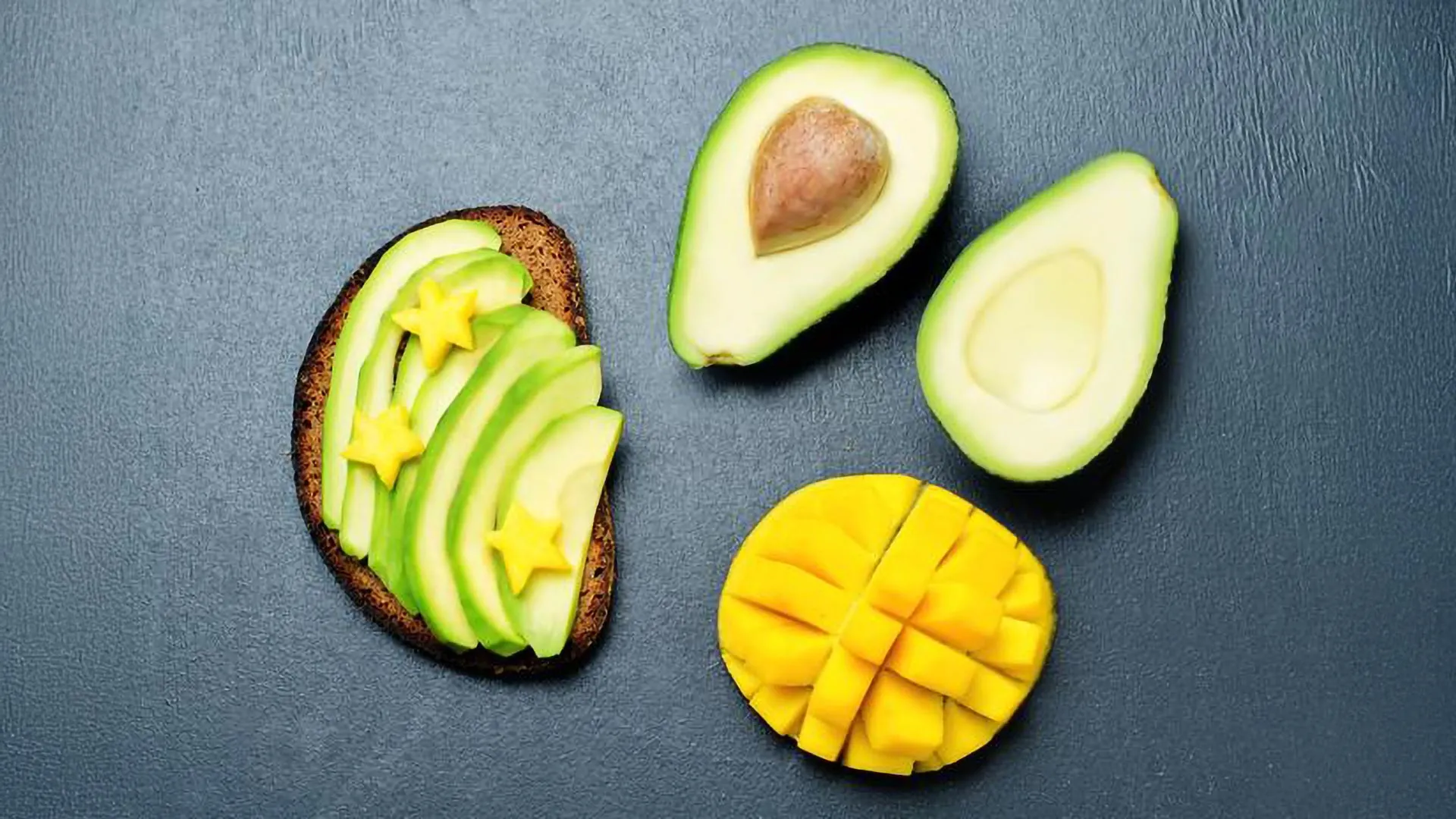
Eating mango and avocado every day could offer unexpected benefits for heart health, according to new research. In a study lasting just eight weeks, adults with prediabetes who regularly ate both fruits experienced improvements in blood vessel function and blood pressure, without gaining weight or consuming more calories.
The findings could be especially relevant to the approximately 98 million Americans, or one in three adults, who have prediabetes. This condition signifies elevated blood sugar levels that have not yet reached the diagnostic threshold for type 2 diabetes, placing individuals at a higher risk for developing cardiovascular disease and other health complications. Published in the prestigious Journal of the American Heart Association, the research suggests that incorporating these two nutrient-rich fruits into everyday meals may offer a simple yet effective strategy to support cardiovascular health in this vulnerable population.
Researchers at the Illinois Institute of Technology (Illinois Tech) designed and conducted an eight-week dietary intervention study. The core of the intervention involved participants consuming a specific "Avocado-Mango" (AM) diet, which included one medium Hass avocado and one cup of fresh mango daily. A control group followed a comparable eating plan, but the fruits were replaced with carbohydrate-based foods that provided equivalent caloric values, ensuring a fair comparison of the fruits’ specific effects. This controlled approach allowed researchers to isolate the impact of mango and avocado consumption.
The results of the study revealed notable and encouraging differences between the two groups, particularly concerning the functionality of their blood vessels and changes in their blood pressure. These improvements were observed without any adverse effects on body weight or overall calorie intake, underscoring the potential of nutrient-dense foods to positively influence health markers independent of weight management.
Enhancing Blood Vessel Elasticity and Function
One of the most significant findings from the study was the marked improvement in blood vessel function among participants who consumed the avocado and mango diet. Specifically, the flexibility of blood vessels to expand as blood flows through them—a critical indicator of cardiovascular health—saw a substantial increase. This elasticity is vital for maintaining healthy circulation and ensuring that arteries can adapt to varying blood flow demands.
To objectively measure this improvement, researchers employed flow-mediated dilation (FMD), a widely recognized non-invasive test of endothelial function. The endothelium, the inner lining of blood vessels, plays a crucial role in regulating blood flow and vascular tone. A higher FMD percentage indicates that blood vessels are more responsive and healthier.
In the group that regularly consumed avocado and mango, FMD measurements increased significantly, reaching an average of 6.7%. In stark contrast, the control group, which consumed carbohydrate-based alternatives, experienced a decline in FMD, with measurements dropping to 4.6%. This substantial difference strongly suggests that the daily inclusion of avocado and mango can actively contribute to more effective blood vessel function.
Positive Impact on Blood Pressure
Beyond improved blood vessel elasticity, the study also yielded encouraging results regarding blood pressure. While the benefits were observed across the board, they were particularly pronounced among male participants. In the control group, men experienced an average increase of 5 millimeters of mercury (mmHg) in central blood pressure over the eight-week period. Conversely, men in the avocado and mango group saw a reduction in their central blood pressure by approximately 1.9 mmHg.
Diastolic blood pressure, often referred to as the "bottom number" in a blood pressure reading, reflects the pressure within the arteries when the heart is at rest between beats. Maintaining healthy diastolic pressure is crucial, as elevated levels can place undue strain on the cardiovascular system over time. The researchers noted that the observed differences in blood pressure, especially the reduction seen in the intervention group, could hold clinical significance if these positive trends are sustained over longer periods.
A key takeaway from these cardiovascular improvements is that they occurred without any significant changes in participants’ body weight or their total daily calorie consumption. This finding is particularly noteworthy, as it suggests that the quality of the food consumed, rather than solely the quantity or the resultant weight, plays a pivotal role in influencing heart health. This aligns with growing evidence that highlights the importance of nutrient density in dietary patterns.
A Simple Dietary Shift with Far-Reaching Potential
"This research reinforces the power of food-first strategies to help reduce cardiovascular disease risk, particularly in vulnerable populations like those with prediabetes," stated Britt Burton-Freeman, PhD, the Principal Investigator and a Professor at Illinois Tech. "It’s an encouraging message: small, nutrient-dense additions—like incorporating avocado and mango into meals and snacks—may support heart health without the need for strict rules or major dietary overhauls."
The study’s design, which focused on incorporating whole fruits rather than isolated nutrients or supplements, further strengthens the practical applicability of these findings. Participants who consumed the avocado and mango diet also reported higher intakes of dietary fiber, vitamin C, and monounsaturated fats. These nutrients are well-established contributors to cardiovascular wellness and may collectively explain some of the observed benefits.
Intriguingly, the research also identified improvements in certain indicators of kidney health, including the estimated glomerular filtration rate (eGFR). eGFR is a critical measurement used to assess how effectively the kidneys are filtering waste products from the blood, a function essential for overall health.
However, it is important to note that the fruits did not yield significant improvements across all measured health markers. Cholesterol levels, blood sugar control, and key markers of inflammation remained largely unchanged when comparing the avocado and mango group to the control group. This suggests that while these fruits offer distinct cardiovascular benefits, they may not act as a panacea for all metabolic dysregulations associated with prediabetes. Nevertheless, the collective results strongly indicate that regularly including nutrient-rich fruits like mango and avocado in one’s diet can be a practical and accessible strategy to support cardiovascular health, especially for individuals at increased risk for type 2 diabetes and heart disease.
The Synergistic Power of Mango and Avocado for Heart Health
While mangoes and avocados possess distinct flavor profiles and nutritional compositions, their combined consumption appears to offer complementary nutrients that synergistically support various aspects of cardiovascular and metabolic health. This synergistic effect might be a key factor in the observed positive outcomes.
Mangoes, for instance, are a good source of dietary fiber, providing approximately 2 grams per three-quarters cup serving, which contributes about 7% of the daily value. Furthermore, mangoes are an excellent source of vitamin C, offering about 50% of the daily value per serving. Vitamin C is a potent antioxidant that helps protect cells throughout the body, including those in the cardiovascular system, from oxidative damage. Dietary fiber, in general, is known to aid in healthy digestion, support blood sugar regulation, contribute to weight management, and promote overall cardiovascular wellness.
Avocados, on the other hand, bring a unique blend of beneficial nutrients. A 50-gram serving (approximately one-third of a medium avocado) provides about 3 grams of fiber, contributing 11% of the daily value. This fiber content is instrumental in managing cholesterol levels, stabilizing blood sugar, and assisting with body weight regulation. Moreover, avocados are rich in monounsaturated fats, a type of healthy fat that can significantly support heart health. When these unsaturated fats replace less healthy saturated and trans fats in the diet, they can help reduce LDL cholesterol, often referred to as "bad cholesterol." Avocados also contain potassium, a vital mineral that plays a key role in regulating blood pressure by helping to counterbalance the effects of sodium.
By collectively providing fiber, antioxidants, healthy fats, and essential minerals like potassium, mango and avocado offer a convenient and delicious way to elevate the nutritional value of everyday meals. While this study did not specifically investigate whether consuming the two fruits together provides greater benefits than consuming either fruit individually, the observed positive outcomes suggest a powerful complementary effect.
Practical Integration into Daily Diets
Incorporating mango and avocado into one’s daily diet does not necessitate a complex or restrictive eating plan. Their contrasting flavors and versatile textures make them valuable additions to a wide array of dishes, from savory salads to creamy smoothies and hearty grain bowls.
For instance, the natural sweetness of fresh mango can provide a delightful counterpoint to savory ingredients in a salad or salsa, while the rich, creamy texture of avocado can add a luxurious mouthfeel to toast, sandwiches, or dips. Both fruits can be found in various recipes, such as a refreshing Mango Avocado Tuna Ceviche or a simple yet satisfying Avocado and Mango Topper, demonstrating their culinary flexibility.
Additional resources and recipe ideas, along with further nutritional information, are readily available through organizations like Mango.org and LoveOneToday.com, empowering individuals to easily adopt these heart-healthy additions into their culinary routines.
Methodology of the Eight-Week Study
The rigorous eight-week study involved 82 adult participants, aged between 25 and 60 years, who had been diagnosed with prediabetes and were classified as overweight or obese, with a Body Mass Index (BMI) ranging from 25 to 35 kg/m². All participants were generally healthy, non-smokers, not adhering to any specialized dietary regimens, and free from major chronic medical conditions that could confound the study’s results.
Throughout the eight-week intervention period, participants followed calorie-controlled eating plans that were designed to mirror typical American dietary patterns. The crucial distinction lay in the specific food inclusions: one group was instructed to consume a medium Hass avocado and one cup of fresh mango daily, while the control group received carbohydrate-based food alternatives that were matched for caloric content.
To ensure the highest degree of consistency and control, the researchers meticulously prepared and supplied meals that accounted for approximately 75% of each participant’s estimated daily caloric needs. The remaining 25% of their caloric intake was chosen independently by the participants, allowing for a degree of flexibility while helping the research team minimize discrepancies between the two diets and encourage adherence to the prescribed plans.
The primary outcome measure for the study was flow-mediated dilation (FMD), a well-established, non-invasive method for assessing the responsiveness of blood vessels to increased blood flow. In addition to FMD, researchers closely monitored blood pressure, blood sugar levels, and a range of other metabolic indicators, inflammation markers, kidney function parameters, and detailed dietary nutrient intake.
A particularly significant finding was that despite the inclusion of additional fruits in the diet, the avocado and mango group did not experience any statistically significant changes in their body weight or overall daily calorie intake. This observation further supports the notion that incorporating nutrient-dense foods into an otherwise balanced diet can yield cardiometabolic health benefits without necessarily contributing to unwanted weight gain.
Promising Findings and the Path Forward
The study boasts several strengths that enhance the credibility of its findings. These include a carefully controlled feeding approach, the use of two parallel comparison groups, and a focus on whole fruits rather than isolated nutrients or supplements, which often behave differently in the body.
However, the researchers also acknowledged important limitations. The intervention period of eight weeks, while sufficient to observe initial changes, does not provide insight into the long-term sustainability of these benefits. It remains unclear whether the observed improvements in blood vessel function and blood pressure would persist over months or years of continued consumption. Furthermore, the participant pool comprised a relatively narrow demographic of adults with prediabetes and overweight or obesity. Consequently, the findings may not be universally applicable to individuals with different health profiles or dietary habits.
It is also crucial to note that the research measured indicators of cardiovascular risk rather than direct long-term clinical outcomes such as heart attacks or strokes. Larger and longer-duration studies will be essential to definitively determine whether the positive changes observed in this study translate into a tangible reduction in the incidence of cardiovascular events.
Despite these limitations, the current findings offer a compelling and encouraging indication that relatively modest dietary adjustments, such as the daily inclusion of mango and avocado, can significantly benefit blood vessel health. These benefits appear to be achievable even without necessitating weight loss or a complete overhaul of one’s eating habits, making it a practical recommendation for individuals seeking to proactively manage their heart health.
The research was made possible through an unrestricted grant provided by the National Mango Board (NMB) and the Hass Avocado Board (HAB). It is important to note that both NMB and HAB had no involvement in the study’s design, execution, or the interpretation of its findings, ensuring the scientific integrity and independence of the research.