


In a significant breakthrough with potential implications for cancer treatment, scientists have identified a remarkable synergy between a short-term fast and a specific gut bacterium that primes the intestines for robust recovery from radiation damage. New preclinical research originating from The University of Texas MD Anderson Cancer Center reveals how this interplay of nutritional timing and microbial presence activates the body’s innate tissue repair mechanisms, offering a promising avenue for mitigating severe side effects of radiation therapy.
The findings, published in the prestigious journal Proceedings of the National Academy of Sciences, represent a crucial step in understanding how to protect healthy tissues during cancer treatment. By enhancing the intestine’s resilience to radiation exposure, researchers aspire to reduce debilitating side effects and, consequently, make radiation therapy a safer and potentially more effective weapon against cancer. The study was co-led by distinguished researchers Dr. Helen Piwnica-Worms, professor of Experimental Radiation Oncology, and Dr. Kunal Rai, professor of Genomic Medicine, at MD Anderson.
"Fasting helps prepare intestinal cells to respond more quickly and effectively after injury, almost like training the cells with an emergency preparedness plan," explained Dr. Piwnica-Worms. "This study helps explain how that plan is organized and identifies a key bacterium involved in coordinating the response." This sentiment underscores the study’s core contribution: moving beyond the observation of fasting’s benefits to elucidating the precise molecular and microbial mechanisms at play.
The Vulnerability of the Intestines to Radiation Therapy
Radiation therapy remains a cornerstone in the treatment of numerous abdominal cancers, including those affecting the pancreas, colon, and gynecological organs. While its primary objective is to eradicate malignant cells, the inherent nature of radiation means it also impacts nearby healthy tissues. The small intestine, characterized by its delicate and rapidly regenerating lining, is particularly susceptible to this collateral damage.
The consequences of this radiation-induced damage to the intestinal epithelium can be severe and significantly impact a patient’s quality of life. Common side effects include debilitating nausea, persistent diarrhea, and an increased risk of infections due to a compromised gut barrier. In more severe cases, these injuries can escalate into life-threatening complications. Furthermore, the potential for such damage can impose limitations on the total radiation dose that can be safely administered, potentially hindering optimal cancer treatment strategies.
Previous investigations from the Piwnica-Worms Laboratory had established that a period of fasting prior to radiation exposure could indeed facilitate intestinal recovery. However, the underlying reasons for this protective effect remained largely elusive, prompting further in-depth exploration. The current study directly addresses this knowledge gap by pinpointing a specific gut bacterium and detailing its role in preparing intestinal cells for the onslaught of radiation.
The Molecular Symphony of Fasting and Gut Bacteria in Tissue Repair
The groundbreaking research identified that a 24-hour fasting period significantly amplifies the presence of a beneficial gut bacterium known as Akkermansia muciniphila, or AKK. This ubiquitous microbe, commonly found in the human gut, plays a pivotal role by producing propionate, a short-chain fatty acid. Propionate acts as a crucial signaling molecule, initiating a cascade of metabolic changes within intestinal cells that render them more adept at regenerating following radiation-induced injury.
This process is not isolated to the action of propionate alone. It works in concert with other metabolic shifts induced by fasting to influence histone proteins. Histones are fundamental structural components that package DNA within the cell nucleus. The addition of specific chemical markers to these histones, a process known as epigenetic modification, can alter gene expression without changing the underlying DNA sequence itself. These modifications effectively "unlock" portions of the DNA, making them more accessible for cellular machinery.
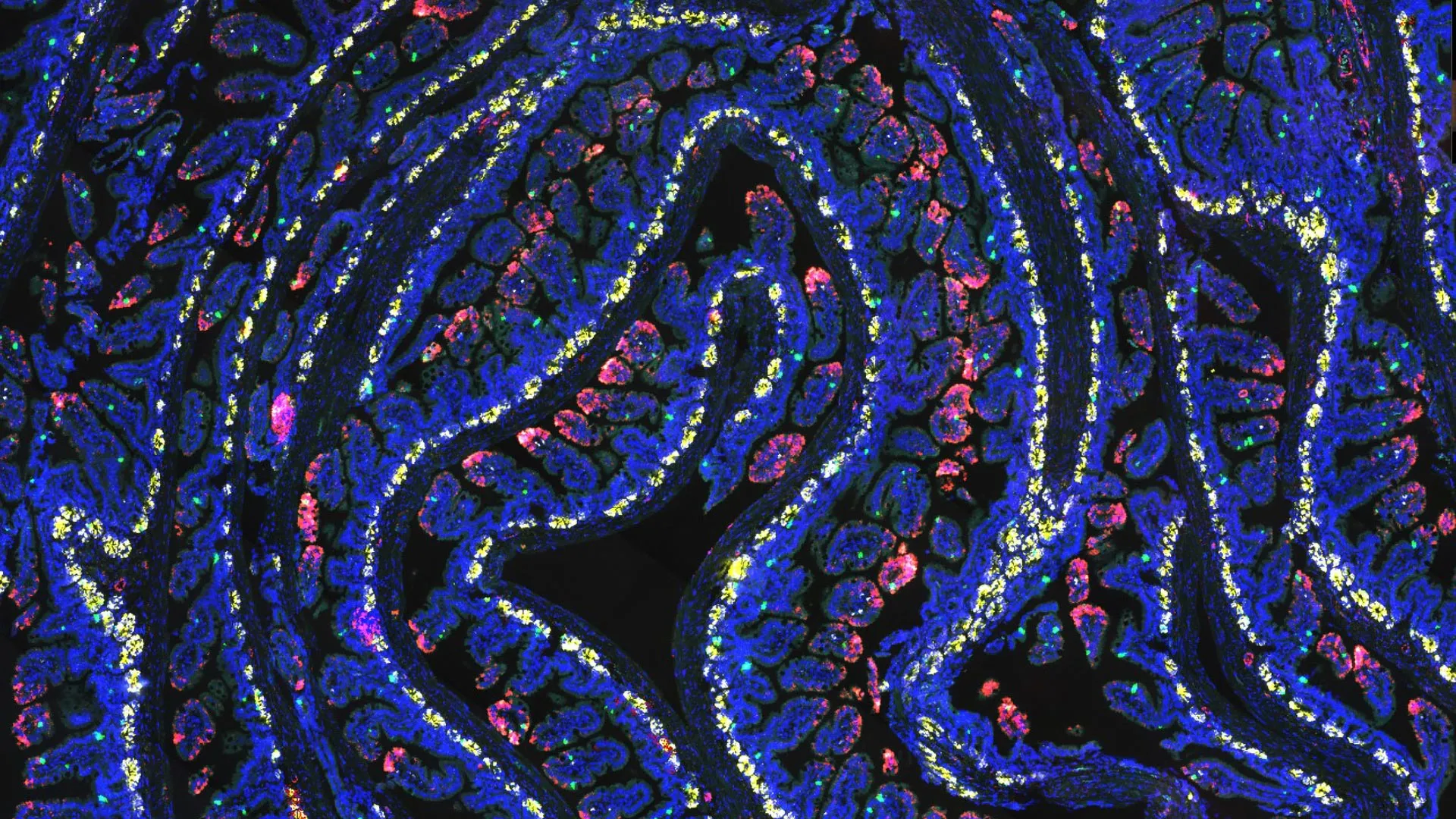
This enhanced accessibility allows intestinal cells to readily activate genes that are critical for tissue regeneration. During fasting, the research revealed, there is a notable increase in the population of intestinal cells that are pre-loaded with these "repair programs." In essence, fasting primes these cells with the necessary biological instructions, much like pre-programming a system for rapid response to an emergency. When the intestines are subsequently exposed to radiation, these prepared cells are then capable of rapid proliferation and differentiation, efficiently contributing to the rebuilding of the damaged intestinal lining.
The Indispensable Role of Akkermansia Muciniphila
To definitively ascertain the importance of AKK in this intricate repair process, the researchers conducted a crucial experiment: they selectively depleted the bacterium from the gut environment. The results were striking. In the absence of AKK, the regenerative benefits typically observed after fasting and radiation exposure were significantly diminished, or entirely absent.
Even more compelling was the observation that the protective response was only fully restored when AKK was reintroduced to the gut, and critically, this restoration was most effective when combined with the fasting regimen. This finding powerfully demonstrates that neither fasting nor the presence of AKK alone is sufficient to replicate the comprehensive protective and regenerative effects observed in the study. It highlights a true interdependence, a symbiotic relationship where both elements are essential for optimal outcomes.
The implications of these findings extend beyond a simple temporary alteration of the gut’s metabolic state. The research suggests that the combination of fasting and AKK actively reprograms the functional state of intestinal cells before radiation exposure, positioning them in a highly advantageous condition for rapid and efficient recovery post-injury. This paradigm shift in understanding the interplay between nutrition, gut microbiota, and cellular resilience opens up new avenues for strengthening the body’s intrinsic defense mechanisms against tissue damage.
Future Horizons: Translating Preclinical Discoveries into Clinical Applications
While the current findings are highly promising, it is essential to underscore that this research remains in the preclinical stage. Extensive further investigation is required to ascertain whether this observed protective mechanism translates to human physiology and, crucially, whether it can be safely and effectively applied to improve outcomes for patients undergoing radiation therapy.
One of the most exciting potential applications lies in the broader protection of healthy tissues beyond the intestines. Researchers are particularly interested in tissues characterized by rapid cell turnover, such as bone marrow, which also frequently suffers damage during cancer treatments. If validated in human trials, this pathway could offer a universal strategy for bolstering the body’s resilience across multiple organ systems.
The prospect of a future where this repair mechanism can be activated without necessitating complete food restriction is particularly appealing. Cancer patients often face significant nutritional challenges, and prolonged fasting can be impractical and even detrimental. Therefore, the development of therapeutic interventions involving beneficial bacteria, such as AKK, or the specific molecules they produce, could offer a viable alternative. These approaches could potentially stimulate similar regenerative processes while circumventing the practical difficulties and patient burden associated with dietary restrictions.
"Fasting is not always practical for cancer patients, and this work supports several other potential ways to enhance recovery after treatment," stated Dr. Rai. "Whether through dietary interventions, targeted microbes or their metabolites, the goal is to help repair healthy tissue more effectively while patients receive the cancer therapies they need." This statement encapsulates the pragmatic and patient-centered approach driving this line of research.
The research underpinning these significant discoveries was made possible through substantial funding from the National Cancer Institute (NCI), a division of the National Institutes of Health (NIH), and the Cancer Prevention and Research Institute of Texas (CPRIT). These collaborations highlight the concerted effort and investment being made to advance cancer care and improve patient outcomes.
Broader Implications and the Road Ahead
The discovery of this synergistic relationship between fasting and Akkermansia muciniphila represents a fundamental advancement in our understanding of gut health and its profound impact on systemic well-being, particularly in the context of medical interventions. The ability to pre-emptively bolster the body’s repair capabilities before an assault, such as radiation therapy, shifts the focus from merely managing damage to actively preventing and mitigating it.
The timeline for translating these preclinical findings into clinical practice will likely involve several phases. Initial human studies would focus on safety and tolerability, perhaps exploring the impact of specific prebiotic or probiotic interventions aimed at increasing AKK populations in patients undergoing radiation therapy. If these trials yield positive results, larger-scale clinical trials would be initiated to evaluate efficacy in reducing radiation-induced side effects and potentially improving treatment outcomes.
The research also opens doors to exploring the role of other gut microbes and their metabolites in tissue repair. The gut microbiome is a complex ecosystem, and it is highly probable that other beneficial bacteria and their products could contribute to similar protective mechanisms. Future research may involve identifying and characterizing these other players, potentially leading to even more sophisticated therapeutic strategies.
Furthermore, this line of inquiry could influence dietary recommendations for cancer patients. While complete fasting may not be universally suitable, intermittent fasting or specific dietary patterns that promote the growth of beneficial bacteria like AKK might be explored as adjunctive strategies to enhance treatment resilience.
The long-term vision is to integrate this knowledge into standard cancer care protocols. Imagine a future where patients scheduled for abdominal radiation therapy receive personalized interventions designed to optimize their gut microbiome and cellular readiness for repair, thereby minimizing the debilitating side effects that often plague them. This research from MD Anderson Cancer Center offers a compelling glimpse into that future, where the intricate relationship between our diet, our internal microbial allies, and our body’s inherent healing power is harnessed to make cancer treatment not only more effective but also significantly more tolerable.