


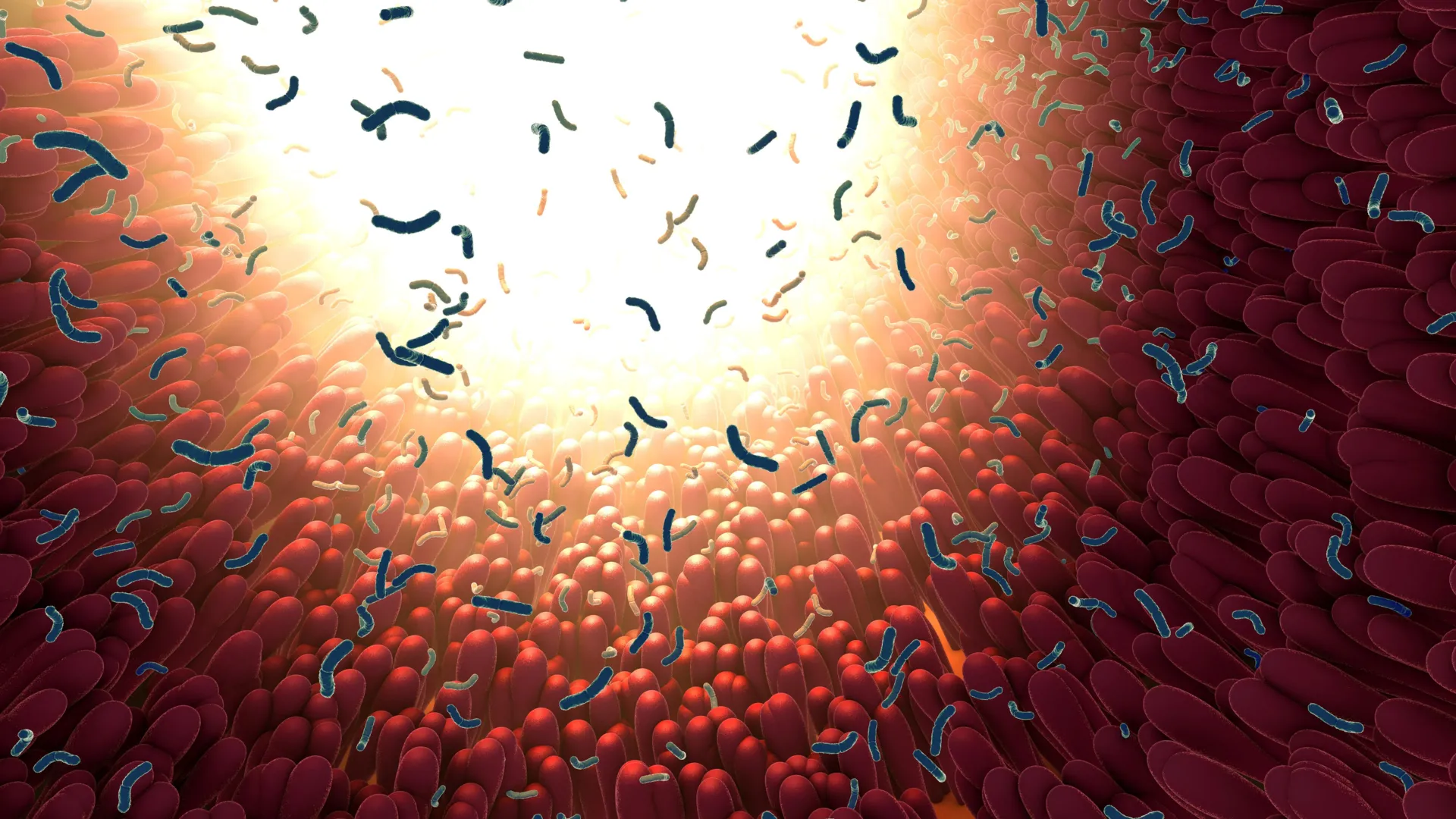
The long-held belief that plant-based diets primarily benefit health through their fiber content is undergoing a significant revision, with groundbreaking research from Princeton University and the Ludwig Institute for Cancer Research revealing that indigestible plant proteins, previously overlooked, play a crucial role in shaping the gut microbiome and influencing the production of vital metabolites. This dual discovery, detailed in two complementary studies published in the Proceedings of the National Academy of Sciences (PNAS) and Nature Metabolism, not only deepens our comprehension of gut health but also challenges fundamental assumptions about the origins of key biochemical compounds circulating within the human body.
The research, spearheaded by Dr. Jenna AbuSalim and Professor Joshua Rabinowitz, Director of the Princeton Branch of the Ludwig Institute for Cancer Research, suggests that these "proteins imitating fiber," or Prifs, work in tandem with dietary fiber to steer gut bacteria away from producing potentially harmful substances and towards generating beneficial ones. Furthermore, the companion study reveals that many metabolites once thought to be solely the product of microbial activity can, in fact, be synthesized by the body’s own cells, a finding with profound implications for therapeutic strategies.
The Dual Power of Plant Components: Fiber and Indigestible Proteins
For decades, the salutary effects of plant-rich diets on human health have been broadly attributed to their abundant fiber content. Fiber acts as a vital prebiotic, nourishing a diverse and robust gut microbiome, which in turn supports digestive function, bolsters the immune system, and contributes to overall metabolic and cardiovascular well-being. However, the intricate biochemical dance occurring within the gut has remained partially obscured.
The PNAS study delves into the complex world of phenol metabolites, a class of compounds derived from the breakdown of amino acids tyrosine and phenylalanine by gut bacteria. These metabolites can have dramatically different health outcomes. For instance, phenylpropionate and hippuric acid, produced from phenylalanine, are associated with maintaining a healthy body weight and promoting a healthy gut environment. Conversely, p-cresol sulfate and phenol sulfate, derived from tyrosine, have been linked to adverse effects in patients with cancer and kidney disease, highlighting the critical importance of metabolite balance.
The research team meticulously investigated whether different components of plant foods could influence the specific types of phenol metabolites produced by gut microbes. Their findings were striking: both dietary fiber and certain plant proteins that resist complete digestion – the Prifs – significantly shift the balance. They effectively nudge gut bacteria away from producing harmful tyrosine-derived metabolites and towards generating the beneficial phenylalanine-derived compounds.
"Our studies showed that both the fiber and indigestible proteins from plants — which we call ‘proteins imitating fiber,’ or Prif — shift the balance of phenol metabolites from the harmful kind made from tyrosine to the healthful variety derived from phenylalanine," explained Dr. AbuSalim, lead author of the PNAS study. This suggests that the health-promoting capacity of plant foods is not solely a function of their fiber content.
Prifs: An Overlooked Nutrient with Profound Influence
While the importance of dietary fiber has been extensively documented, plant proteins that evade full digestion have largely been a blind spot in nutritional science. These Prifs reach the gut microbiome and serve as a substrate for bacterial metabolism, influencing which microbial species flourish and, consequently, which chemical compounds are generated.
Crucially, these indigestible proteins do not operate in isolation. They exhibit a synergistic relationship with dietary fiber. Together, they modify how gut bacteria process nutrients, redirecting their metabolic activity towards the synthesis of beneficial phenol metabolites. This collaborative action underscores a more nuanced understanding of plant food’s nutritional value, suggesting that the quantity and type of protein that escapes digestion could be as significant as the familiar concentrations of fiber, vitamins, and minerals in determining a food’s impact on the gut microbiome.
A Stark Contrast: Beneficial Metabolites from Food, Harmful Ones from the Gut’s Own Defenses
One of the most compelling revelations from the PNAS study concerns the origin of potentially harmful metabolites. Using stable isotope labeling, researchers traced the protein sources utilized by gut bacteria in mice. The experiments unveiled a critical distinction:
- Beneficial Phenols: These were almost exclusively derived from indigestible proteins supplied by the diet – the Prifs.
- Potentially Harmful Phenols: These originated from gut bacteria breaking down host-derived proteins, including those found within the protective mucus layer that lines the intestines. This mucus layer is a crucial component of the gut’s natural defenses, acting as a barrier between the intestinal lining and the vast microbial population.
Dietary fiber played a protective role by suppressing the bacterial degradation of this vital mucus layer, thereby reducing the production of harmful phenols. Simultaneously, the Prifs provided an alternative nutrient source for gut bacteria, encouraging them to produce beneficial compounds instead. This discovery reveals a sophisticated two-pronged mechanism by which plant foods promote intestinal health: fiber acts as a deterrent against the breakdown of host defenses, while Prifs offer a dietary nutrient source that favors the production of healthier metabolites.
"We think Prifs represent an emerging class of dietary nutrients that shape the composition of the gut microbiome and could have a far-reaching influence on metabolic health," Dr. AbuSalim stated, hinting at potential future applications. The implications of this finding could eventually extend to food labeling and dietary recommendations, with Professor Rabinowitz suggesting, "Food packaging may eventually list Prif right below fiber."
Challenging Established Paradigms: The Body’s Own Metabolic Capabilities
The companion study, published in Nature Metabolism, addresses another deeply entrenched scientific assumption: the exclusive role of gut bacteria in producing many key metabolites. The researchers focused on indole metabolites, derived from the amino acid tryptophan, which are implicated in various biological processes, including inflammation, immune activity, and disease progression, including cancer.
For years, the scientific community has operated under the premise that gut bacteria are the primary, if not sole, producers of these compounds. This belief has fueled significant research into probiotics and dietary interventions aimed at enhancing the production of beneficial indole metabolites. However, this approach hinges on the assumption that manipulating the microbiome is the most effective pathway to controlling metabolite levels.
The Nature Metabolism study employed sophisticated isotope tracing techniques in mice, rats, and human cells to meticulously track metabolite production. The results delivered a significant challenge to conventional thinking: mammalian cells themselves are capable of generating numerous phenol and indole metabolites independently of intestinal bacteria.
Specifically, compounds like indole-3-lactate and indole-3-acetate, previously categorized exclusively as microbial products, were found to be synthesized by host cells. This was further substantiated by experiments where the gut microbiome was disrupted using antibiotics. While metabolites produced exclusively by microbes, such as indole-3-propionate and p-cresol sulfate, saw a sharp decline, many other metabolites remained at substantial levels in the blood of antibiotic-treated animals and human patients. This indicates that the body possesses its own intrinsic metabolic machinery for producing these compounds.
Implications for Health, Nutrition, and Therapeutics
The combined insights from these two studies offer a significantly more intricate picture of how diet, gut microbes, and host metabolism interrelate. The identification of Prifs as a critical nutrient class, working in concert with fiber, provides a novel target for understanding and influencing gut health. Simultaneously, the revelation that the body can produce many metabolites independently of its microbial inhabitants compels a re-evaluation of therapeutic strategies.
These discoveries have far-reaching implications for research into metabolic diseases, digestive disorders, cancer, and other conditions influenced by the microbiome. Future interventions, whether dietary, probiotic-based, or pharmacological, will need to consider both the intricate workings of the gut microbiome and the metabolic capabilities of the host’s own cells.
While much of the current evidence stems from animal and laboratory studies, ongoing research is focused on translating these findings to long-term human health outcomes. The potential for more precise dietary guidance and the development of novel therapeutic strategies is substantial.
"Beyond that," Professor Rabinowitz remarked, "a clearer picture of how different foods interact with the microbiome to modulate the production of bacterial metabolites will help sharpen the guidance nutritionists and doctors can give to people for disease prevention and therapy." This enhanced understanding promises to equip healthcare professionals with more refined tools to promote health and combat disease through personalized nutritional and therapeutic approaches.
The research was supported by significant funding from the Ludwig Institute for Cancer Research, the National Institutes of Health, the National Institute of Diabetes and Digestive and Kidney Diseases, the Princeton Alliance for Collaborative Research and Innovation, and Princeton University. Professor Rabinowitz also holds a professorship in the Department of Chemistry & Lewis-Sigler Institute for Integrative Genomics at Princeton University and is affiliated with the Rutgers Cancer Institute.