


Cambridge, MA – In a significant leap forward for advanced therapeutic development, researchers at the Massachusetts Institute of Technology (MIT) have pioneered a novel technique capable of transforming a patient’s own immune cells into potent cancer-fighting agents directly within the body. This innovative approach holds the potential to dramatically simplify the production and administration of sophisticated treatments for a wide spectrum of cancers and debilitating autoimmune disorders, moving beyond the current complex laboratory-based manufacturing processes.
The core of this breakthrough lies in the precise manipulation of natural killer (NK) cells, a vital component of the innate immune system. These versatile cells possess an inherent capacity to identify and eliminate abnormal cells. The MIT team has engineered a method to equip NK cells with the ability to specifically target and destroy cancerous T cells, as well as T cells that erroneously attack healthy tissues, contributing to conditions like lymphoma and autoimmune hepatitis.
A Paradigm Shift in Cellular Therapy Manufacturing
Current immunotherapies, particularly chimeric antigen receptor (CAR) T-cell therapies, have revolutionized cancer treatment, especially for certain blood cancers. These therapies involve extracting a patient’s T cells, genetically modifying them in a laboratory to express CARs – specialized receptors designed to recognize specific cancer cell markers – and then reinfusing them. While highly effective, this process is notoriously complex, time-consuming, and expensive. It requires specialized facilities, highly trained personnel, and rigorous quality control, often taking weeks from cell collection to patient infusion.
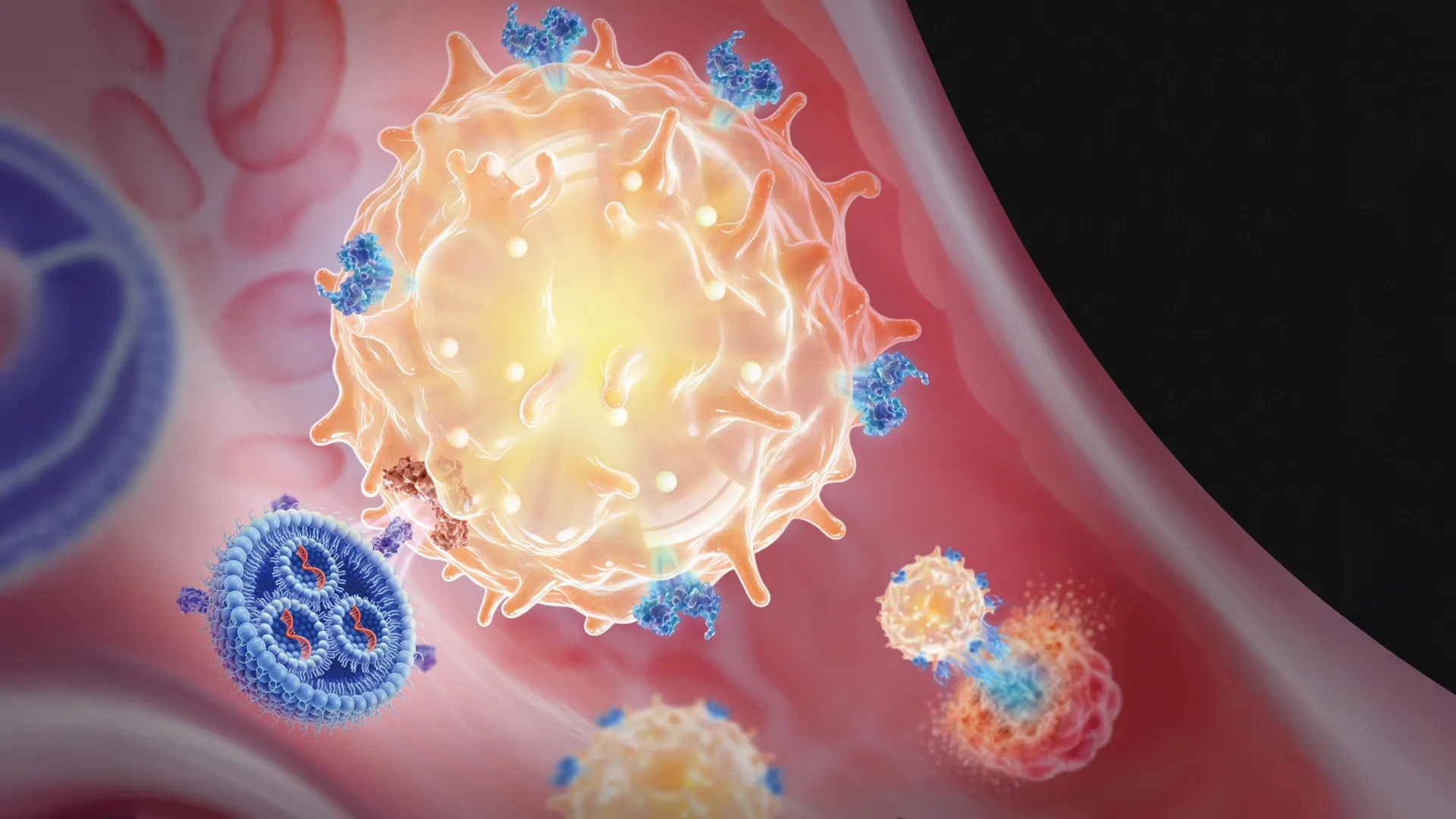
The MIT researchers’ new strategy bypasses these logistical hurdles by utilizing tiny, sophisticated particles composed of fatty molecules, known as lipid nanoparticles (LNPs). These LNPs act as microscopic delivery vehicles, carrying messenger RNA (mRNA) – the genetic blueprint – directly to the NK cells within the patient’s body. The mRNA instructs the NK cells to produce specific CAR proteins, thereby transforming them into "CAR NK cells" that can precisely identify and neutralize diseased T cells.
"The manufacturing challenges with CAR NK cells are significant," explained Daniel Anderson, a professor in MIT’s Department of Chemical Engineering and a senior author on the study. "The idea here is you can deliver a nanoparticle that will modify your own NK cells with a CAR construct and teach them to attack tumor cells. This could dramatically simplify the process and reduce costs."
The Promise of Natural Killer Cells
Natural killer cells present a compelling alternative and complement to CAR T-cell therapies for several reasons. One of the most significant advantages is their potential to treat cancers and autoimmune conditions that involve abnormal T cells. In the context of CAR T-cell therapy, using engineered T cells to target diseased T cells can lead to a critical complication: friendly fire. The modified T cells might inadvertently recognize and attack each other, compromising the treatment’s efficacy.
NK cells, being a distinct type of immune cell, circumvent this issue. They can be programmed to target harmful T cells without the risk of self-destruction. "NK cells can treat these T cell malignancies — not only T cell cancer, but also T cell autoimmune diseases," stated Yuang Chen, a postdoctoral researcher at MIT and a lead author of the study.
The traditional method of producing CAR NK cells, while overcoming the CAR T-cell self-destruction problem, still inherits the manufacturing complexities of its predecessor. The MIT team’s focus on "in vivo" engineering – performing the modification directly inside the body – represents a pivotal shift aimed at making these advanced therapies more accessible.
Unveiling the mRNA Nanoparticle Mechanism
The core of the MIT team’s innovation is the design of LNPs specifically engineered to encapsulate and deliver mRNA into NK cells. The mRNA payload contains the instructions for synthesizing a CAR. The beauty of this system lies in its adaptability; the CAR can be tailored to recognize a vast array of disease-specific protein markers. For instance, the researchers can design mRNA for receptors that target CD19, a protein prevalent on B cells implicated in certain leukemias and lymphomas, or CD3, a protein found on T cells, including those driving autoimmune responses.
To ensure the LNPs reach their intended NK cell targets, their surfaces are decorated with antibody fragments. These fragments act as molecular guides, recognizing and binding to specific receptors on NK cells, thereby facilitating the targeted delivery of the genetic instructions. Once inside an NK cell, the mRNA is translated into the CAR protein, equipping the immune cell with the newfound ability to seek out and destroy its designated adversary.
Promising Preclinical Results in Mouse Models
The research, published in the prestigious journal Nature Biotechnology, details the team’s rigorous preclinical testing in mouse models. Initial experiments demonstrated remarkable efficiency, with approximately 80 percent of targeted NK cells successfully reprogrammed following nanoparticle injection.
In studies involving mice with aggressive melanoma, a significant percentage of animals treated with the CAR NK cell-generating nanoparticles experienced complete tumor remission. This outcome was highly encouraging, suggesting the in vivo approach could rival the efficacy of conventionally manufactured CAR NK cells.
Further validation came from experiments using humanized mice engineered to possess immune systems with certain human characteristics. In these models, the nanoparticles were used to combat T-cell lymphoma. Following five injections of the nanoparticles, the tumors were completely eradicated. Crucially, these results were comparable to those observed with CAR NK cells produced through the more established ex vivo method. This comparability underscores the potential of the in vivo strategy to deliver similar therapeutic power while drastically streamlining the process.
Reversing Autoimmune Damage: A Dual-Purpose Therapy
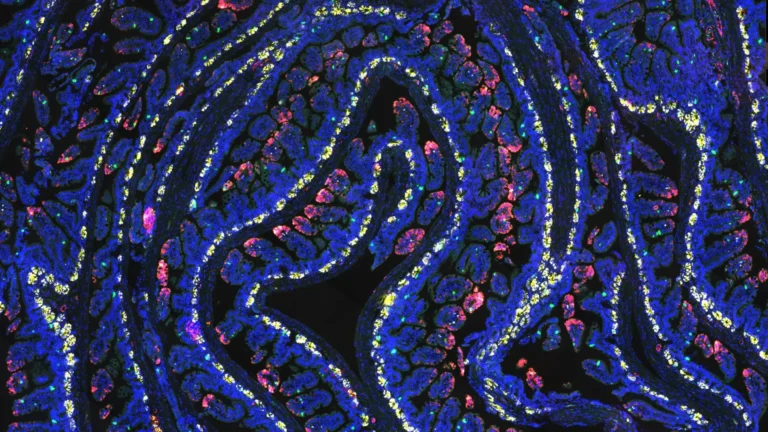
Beyond cancer, the MIT team explored the potential of their technology to address autoimmune diseases, where the immune system mistakenly attacks the body’s own healthy tissues. They focused on autoimmune hepatitis, a condition characterized by T cells attacking liver cells (hepatocytes). By designing nanoparticles to direct NK cells to recognize and eliminate these rogue T cells, the researchers aimed to disrupt the autoimmune cascade.
The results were profoundly positive. The treatment effectively cleared the autoreactive T cells in mice afflicted with the disease. Even more remarkably, the damaged liver tissue began to heal, demonstrating the restorative capacity of the approach once the aberrant immune response was quelled. These significant improvements were achieved with a single nanoparticle injection, highlighting the therapeutic potential of this technology across a broad spectrum of diseases.
Robert Langer, the David H. Koch Institute Professor at MIT and a co-author of the study, commented on the findings: "This study is an excellent example of the power of nano delivery systems and their ability to potentially treat cancer and other diseases."
Broader Implications and Future Directions
The implications of this research are far-reaching. By enabling the in vivo reprogramming of immune cells, the MIT team’s work could democratize access to advanced cell therapies. The current reliance on complex laboratory manufacturing limits the scalability and affordability of these treatments. The shift to a simpler nanoparticle infusion could transform treatments for conditions like multiple sclerosis and rheumatoid arthritis, both of which are driven by dysfunctional immune responses, into more readily available options.
The researchers acknowledge that while these preclinical findings are highly promising, further investigation is essential to confirm the safety and efficacy of this technique in human trials. The transition from animal models to human application is a critical phase in the development of any new therapy.
However, if successful in clinical settings, this technology could fundamentally alter the landscape of cancer and autoimmune disease management. It offers a vision where sophisticated immune cell engineering, previously confined to specialized laboratories, can be administered through a straightforward injection, ushering in an era of more accessible, cost-effective, and potentially more potent therapeutic interventions.
The research was supported by grants from Sanofi, the Marble Center for Cancer Nanomedicine, and a Koch Institute Support (core) Grant from the National Cancer Institute, underscoring the collaborative and well-supported nature of this pioneering scientific endeavor. The scientific community will be closely watching the progression of this technology as it moves towards potential human clinical trials.