
A Season of Postponements: The Collapse of the Event Calendar
The ripple effects of the ongoing hostilities have been most visible in the sudden emptying of the regional event calendar. TOKEN2049 Dubai, widely regarded as one of the premier summits in the global cryptocurrency ecosystem, has officially announced that it will not take place this year. Originally slated for late April 2026, the event was expected to host upwards of 15,000 attendees, ranging from institutional venture investors and exchange CEOs to decentralized finance (DeFi) developers and retail enthusiasts. In a statement that sent shockwaves through the industry, organizers confirmed that the conference has been pushed back an entire year to April 21–22, 2027.
The decision was driven by an intersection of safety concerns and the breakdown of international travel infrastructure. With airspace over several Middle Eastern nations subject to sudden closures and military activity, the logistics of transporting 15,000 high-net-worth individuals into a potential conflict zone became untenable. Organizers noted that while tickets and registrations would remain valid for the 2027 iteration, the immediate loss of networking opportunities and deal-making is expected to dampen the momentum of several major blockchain projects currently in development.
Parallel to the TOKEN2049 postponement, the TON Gateway Dubai event has been canceled outright. This gathering, which focuses specifically on The Open Network (TON) ecosystem—a blockchain platform deeply integrated with the Telegram messaging app—was intended to serve as a pivotal developer conference in early May. The TON team cited "heightened security risks" as the primary driver for the cancellation, opting for full refunds rather than a rescheduled date. The loss of these two events alone represents a significant blow to Dubai’s ambition to remain the undisputed capital of Web3 innovation.
Formula 1 Under Pressure: Bahrain and Saudi Arabia Cancellations
The disruption has extended into the pinnacle of global motorsport. Formula 1, which has increasingly relied on the Middle East for both its season openers and its financial stability, is facing a historic disruption. The Bahrain Grand Prix, scheduled for April 12, and the Saudi Arabian Grand Prix, set for April 19, are on the verge of official cancellation. Reports from the paddock and sources close to the FIA (Fédération Internationale de l’Automobile) indicate that the decision is all but finalized, with a formal announcement expected over the weekend.
The risks associated with these races are manifold. Beyond the direct threat of military strikes or drone activity near the circuits—such as the Jeddah Corniche Circuit, which has faced security threats in previous years—the logistical challenge of moving the "F1 circus" is immense. A single F1 race requires the transport of hundreds of tons of equipment, thousands of staff members, and specialized fuel and tires via air and sea. With regional shipping lanes under threat and airspace restricted, the insurance premiums and safety protocols required to execute these races have become prohibitively expensive and complex.
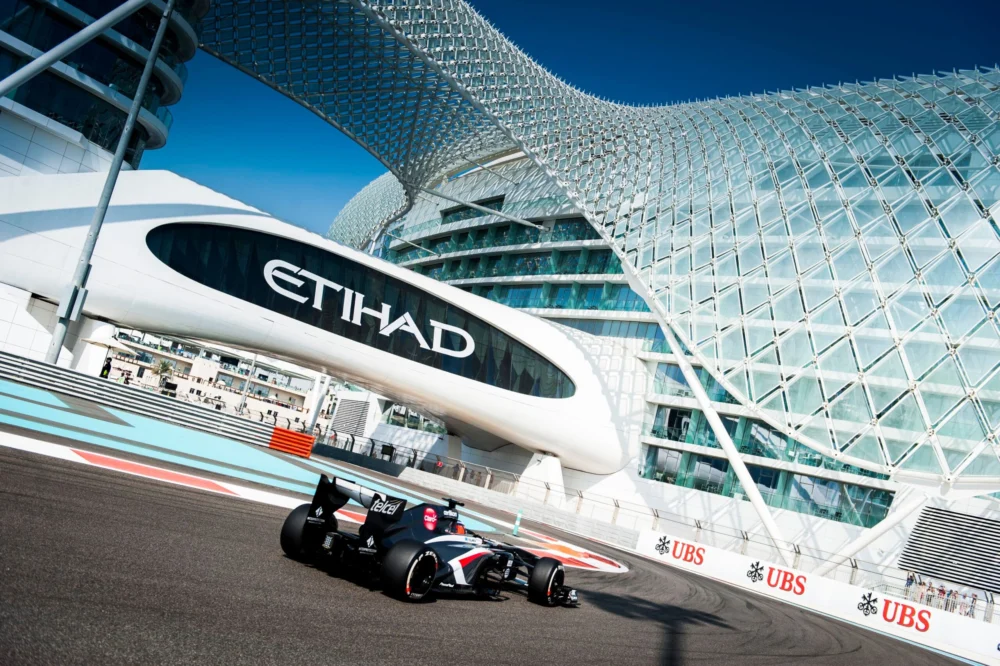
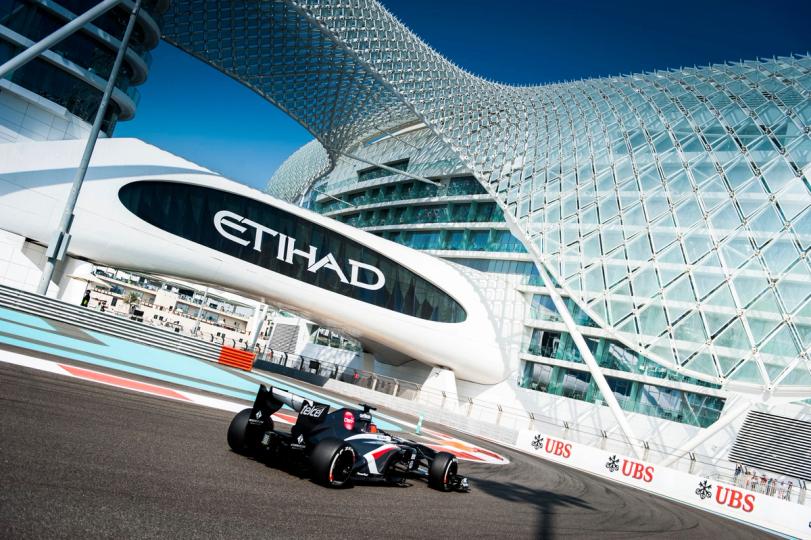
While later races in the season, such as the Qatar Grand Prix and the season-ending Abu Dhabi Grand Prix in December, remain on the schedule for now, their status is precarious. F1 officials and regional organizers are reportedly in "constant communication," monitoring the security situation daily. The loss of the Bahrain and Saudi rounds represents not just a blow to the championship standings, but a massive financial hit to the host nations, which use these events as centerpieces for their "Vision 2030" and national branding initiatives.
The Crypto-F1 Nexus: A Multi-Million Dollar Marketing Crisis
Perhaps no industry is more affected by the F1 cancellations than the cryptocurrency sector. Over the past four years, crypto exchanges and blockchain protocols have replaced traditional tobacco and automotive giants as the primary sponsors of Formula 1 teams. These partnerships, often valued in the hundreds of millions of dollars, are designed to leverage F1’s global television audience of over 1.5 billion viewers.
The exchange OKX, recently valued at a staggering $25 billion, has been a primary partner of McLaren since 2022. Its branding is ubiquitous across the team’s papaya-colored cars and the racing suits of drivers Lando Norris and Oscar Piastri. Similarly, Crypto.com holds a massive global partnership with Formula 1 that extends through 2030, a deal estimated to be worth over $100 million. Other major players include:
- Bybit: The exchange signed a record-breaking $150 million deal with Red Bull Racing, the reigning champions.
- Kraken: Maintains an expansive partnership with Williams Racing.
- Coinbase: Recently announced a strategic tie-up with Aston Martin Aramco.
- Binance: Continues its partnership with the Alpine F1 Team.
For these companies, the Middle Eastern races are not just "another stop" on the calendar; they are the home turf. Dubai and the wider Gulf region represent one of the world’s most active and liquid crypto markets. The absence of the Bahrain and Saudi races means these brands lose their most direct channel to regional institutional investors and a high-net-worth retail base. Furthermore, the "podium effect"—where a brand receives minutes of uninterrupted global TV coverage during trophy presentations—is lost for two of the most-watched races of the early season.
Industry analysts suggest that "make-good" clauses in sponsorship contracts will likely be triggered. These clauses typically require the sponsored party (the F1 teams or the sport itself) to provide alternative advertising value if an event is canceled. However, replacing the prestige and regional impact of a Grand Prix with digital ads or social media posts is a difficult proposition for companies that have invested heavily in the "lifestyle and luxury" associations of Formula 1.
Wider Economic Fallout: From Boat Shows to Energy Summits
The contagion of cancellations has spread into traditional sectors, illustrating the breadth of the regional economic slowdown. Middle East Energy Dubai, a cornerstone trade show for the global power and energy industry that attracts tens of thousands of delegates, has been moved from its spring slot to September. The Dubai International Boat Show, a symbol of the region’s extreme wealth and maritime industry, has been delayed indefinitely, with organizers failing to provide new dates.
Even the affiliate marketing and digital advertising sectors have been hit, with Affiliate World Global postponing its Dubai edition until 2027. The sporting world has seen further contractions as well, with professional tennis tournaments in the UAE and high-stakes football matches under the Asian Football Confederation (AFC) being postponed or moved to neutral venues outside the conflict zone.
Dubai’s Role as a Global Hub at Risk
The timing of this crisis is particularly painful for the United Arab Emirates. Over the last three years, Dubai has successfully positioned itself as the world’s most forward-thinking jurisdiction for digital assets. The establishment of the Virtual Assets Regulatory Authority (VARA) provided a clear legal framework that stood in stark contrast to the regulatory uncertainty in the United States and Europe.
This "regulatory clarity" attracted the world’s largest firms. Binance, the world’s largest exchange by volume, established a massive operational base in Dubai. Hundreds of startups and venture capital funds, such as Animoca Brands and Polygon, have moved significant portions of their operations to the city. The current instability threatens to temporarily isolate this "Web3 headquarters," making it difficult for international partners to visit and for companies to host the global summits that drive the industry forward.
Analysis: The Implications of a "Dark Spring"
The cancellation of these events marks a "dark spring" for the Middle East’s ambitions to be the world’s playground and boardroom. For Formula 1, the loss of two races creates a scheduling gap that is difficult to fill, potentially leading to a condensed and more grueling schedule later in the year. For the crypto industry, the loss of TOKEN2049 and the regional F1 races represents a significant "visibility tax" at a time when the industry is trying to maintain its bullish momentum following the approval of Bitcoin and Ethereum ETFs.
Furthermore, there is a burgeoning concern regarding the long-term perception of the region as a "safe harbor" for international business. While the UAE and its neighbors have worked tirelessly to decouple their economic image from regional volatility, the sheer scale of the current disruptions proves that even the most advanced infrastructure cannot fully insulate itself from the realities of modern warfare.
As the weekend approaches, the global business community remains on high alert for the official word from Formula 1 and the FIA. While the immediate focus remains on safety and the preservation of life, the economic tally of this "canceled season" is only just beginning to be calculated. For the multi-million dollar sponsors and the thousands of businesses tied to these events, the road to recovery will likely be as long and uncertain as the conflict itself.