

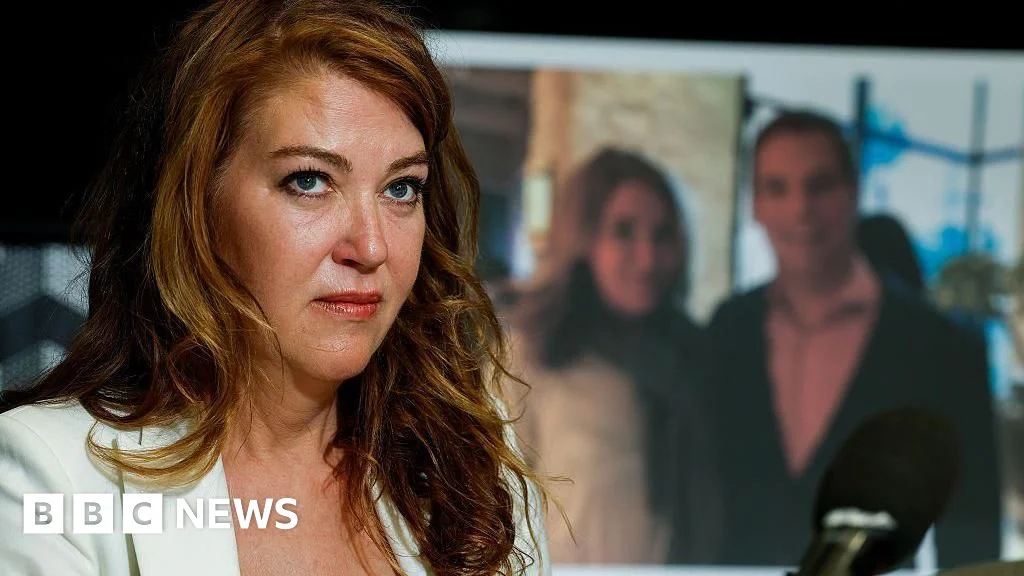
A new wave of grave accusations has forced the swift political demise of former Democratic Representative Eric Swalwell, who resigned from Congress and withdrew from California’s gubernatorial race following a rapidly escalating series of sexual misconduct allegations. On Tuesday, Lonna Drewes came forward, alleging that Swalwell drugged and raped her in a hotel room in 2018, adding a chilling new dimension to the growing list of claims against the former lawmaker. Drewes articulated her prior reluctance to speak out, citing Swalwell’s considerable "political power" as a deterrent.
The Latest Accusation and Its Immediate Fallout
Speaking publicly on Tuesday, Lonna Drewes recounted a deeply disturbing encounter from 2018. She stated that she met Swalwell while working as a model in Beverly Hills, California, initially considering him a friend. At the time, Swalwell’s wife was pregnant. Drewes alleged that during their third meeting, Swalwell suggested they return to his hotel room for something he had supposedly forgotten. Upon arriving at the room, Drewes claimed that despite having only consumed one glass of wine, she found herself unable to move, leading her to believe she had been drugged. She then alleged that Swalwell choked and raped her. "While he was choking me I lost consciousness and I thought I died," Drewes stated, adding unequivocally, "I did not consent to any sexual activity." While she did not undergo a sexual assault examination at the time, she confided in close friends about the incident. Her attorney, Lisa Bloom, confirmed plans to file a formal police report with the Los Angeles Police Department regarding the alleged assault. Bloom also revealed that three additional women had contacted her with their own allegations against Swalwell, suggesting a pattern of behavior far more extensive than initially reported.
Swalwell, through his attorney Sara Azari, has vehemently denied all accusations. Azari labeled the allegations "false, fabricated, and deeply offensive — a calculated and transparent political hit job." She further asserted, "The timing, nature, and coordinated rollout of these vile and heinous allegations speak for themselves. This is neither about justice, nor the truth." This blanket denial, however, did little to stem the tide of criticism or halt the internal congressional processes.
A Rapidly Unfolding Timeline of Accusations and Resignations
The events leading to Swalwell’s downfall unfolded with remarkable speed, characteristic of high-profile misconduct cases in the post-#MeToo era.
- Last Week: Reports first emerged detailing accusations from four other women, ranging from sexual harassment to rape, immediately triggering a congressional ethics inquiry. These initial reports signaled the beginning of a significant crisis for Swalwell.
- Early This Week: Two additional women, Annika Albrecht and Ally Sammarco, came forward publicly, sharing their experiences with BBC’s US partner CBS News. They accused Swalwell of sending unwanted explicit photos, often under the guise of mentorship. Sammarco recounted meeting Swalwell after messaging him on Twitter at age 24 to discuss political careers, only to receive unsolicited nude messages on Snapchat. Albrecht described a college trip where Swalwell initiated contact, offering mentorship before sending "sexually inappropriate" Snapchat messages and inviting her to a hotel room. Both women expressed a sense of vindication following Swalwell’s resignation, but Albrecht emphasized that true justice would only be achieved when he could no longer harm women.
- Tuesday: The confluence of Lonna Drewes’ public statement, the ongoing investigations, and the mounting pressure culminated in Swalwell’s resignation from Congress and withdrawal from the California governor’s race. Coinciding with Congress’s return from recess, the House Ethics Committee had already planned to initiate inquiries into both Swalwell and Texas Republican Tony Gonzales, who also resigned on Tuesday afternoon after admitting to an affair with an aide.
- Ongoing Investigations: The Manhattan District Attorney’s Office confirmed an investigation into Swalwell stemming from allegations by an unnamed former staff member. This individual was featured in a San Francisco Chronicle story, recounting waking up naked in Swalwell’s hotel bed in 2019 with fuzzy memories after drinks. Furthermore, Republican lawmaker Anna Paulina Luna told CNN that she would provide information to the FBI, stating agents had sought to speak with Swalwell, indicating a multi-agency law enforcement interest in the allegations.
Background: Eric Swalwell’s Political Trajectory and Abrupt Halt
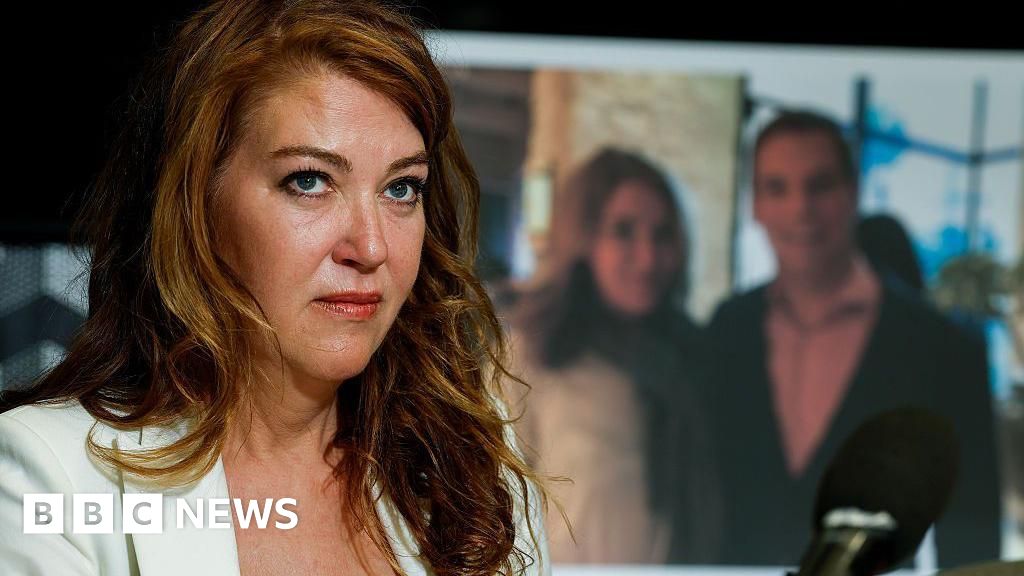
Eric Swalwell, a Democrat from California’s 15th congressional district, had carved out a prominent, albeit sometimes controversial, career in national politics. Elected to the House of Representatives in 2012 at the age of 31, he quickly rose through the ranks, becoming known for his youthful energy and media presence. He served on the House Intelligence Committee and was a vocal critic of the previous administration, often appearing on cable news to discuss national security matters. He even briefly launched a presidential campaign in 2019, albeit one that quickly fizzled out. More recently, Swalwell had set his sights on the California gubernatorial race, aiming for a significant promotion within his home state’s political landscape.
His career, once marked by ambition and a seemingly bright future, has now been irrevocably derailed. The speed and severity of the allegations have exposed the precarious nature of political power and the heightened scrutiny public figures face in an era demanding greater accountability. The narrative of his promising career turning into a public scandal serves as a stark reminder of the personal and professional costs associated with such accusations.
The Broader Context: #MeToo and Accountability in Politics
The cascade of allegations against Eric Swalwell is unfolding against the backdrop of the enduring #MeToo movement, which has fundamentally reshaped public discourse around sexual harassment and assault. Initiated in 2006 by Tarana Burke and popularized in 2017, #MeToo has empowered countless individuals to share their experiences, dismantle cultures of silence, and demand accountability from powerful figures across various industries, including politics.
Before #MeToo, accusations against politicians, particularly those with significant power and influence, were often dismissed, suppressed, or simply never reported due to fear of reprisal, career damage, or a lack of belief that justice would be served. Victims frequently faced victim-blaming and social ostracism. The movement has shifted this dynamic, creating a climate where allegations are taken more seriously, and there is greater public expectation for consequences, regardless of the accused’s status.
Statistics on sexual violence underscore the bravery required for individuals like Lonna Drewes, Annika Albrecht, and Ally Sammarco to come forward. According to the Rape, Abuse & Incest National Network (RAINN), only 23% of sexual assault cases are reported to the police. Barriers to reporting include fear of retaliation, shame, disbelief, and the perception that law enforcement will not be able to help. When the accused is a public figure, these challenges are often amplified by the power imbalance, potential for character assassination, and access to significant legal resources. The alleged use of "political power" by Swalwell, as cited by Drewes, highlights this imbalance. The fact that multiple women, some years after their alleged encounters, are now speaking out demonstrates the changing landscape and the collective strength found in shared experiences.
The allegations against Swalwell also bring to light the insidious nature of power dynamics in professional and political mentorship. Albrecht’s account of Swalwell initiating contact under the "guise of mentorship" before sending "sexually inappropriate" messages is a common tactic described by victims. Such situations exploit trust and professional aspirations, making it incredibly difficult for younger individuals, often at the start of their careers, to recognize or resist inappropriate advances from figures in authority.
Official Responses, Legal Pathways, and Ethical Scrutiny
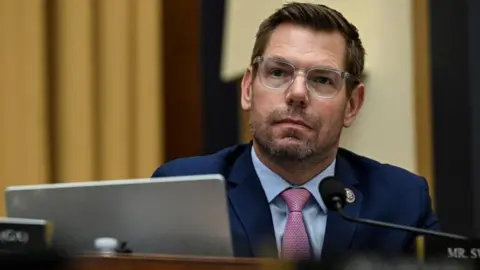
The legal and ethical responses to the Swalwell allegations are multi-faceted, reflecting the various institutions involved.
- Swalwell’s Defense: Attorney Sara Azari’s strategy is clear: dismiss the accusations as a politically motivated attack. This defense attempts to deflect from the substance of the claims by questioning the timing and perceived coordination among the accusers. It’s a common defense tactic in high-profile cases but one that often struggles to gain traction when multiple, independent accusers emerge.
- Accusers’ Legal Representation: Lisa Bloom, a high-profile attorney known for representing victims in #MeToo cases, is aggressively pursuing legal avenues on behalf of Lonna Drewes. Filing a police report with the LAPD opens the door for a criminal investigation, which would involve evidence gathering, interviews, and potentially charges if prosecutors find sufficient grounds. The involvement of the Manhattan District Attorney’s Office and the FBI (as indicated by Luna) signifies that these are not merely political squabbles but serious criminal inquiries across multiple jurisdictions.
- Congressional Ethics Committee: Even with Swalwell’s resignation, the House Ethics Committee’s role remains significant. While an ethics inquiry might typically lead to sanctions, reprimands, or even expulsion for a sitting member, Swalwell’s departure complicates the immediate outcome. However, the committee could still issue a report, make findings, or refer information to law enforcement. Its investigation into Tony Gonzales, who also resigned, signals a renewed emphasis on ethical conduct within Congress.
- Political Leadership Reactions: Senate Minority Leader Chuck Schumer’s statement that he was "glad to see the congressmen resign" and that lawmakers had to be "vigilant" against misconduct, including sexual misconduct, underscores a bipartisan, albeit sometimes slow, recognition of the need for greater accountability on Capitol Hill. This sentiment reflects a broader understanding that such behavior erodes public trust and undermines the integrity of legislative bodies.
Implications and the Future of Capitol Hill Culture
The dramatic events surrounding Eric Swalwell mark a significant "MeToo moment" on Capitol Hill, sparking widespread conversations among lawmakers and staff in both chambers of Congress. The swiftness of Swalwell’s downfall, coupled with the multiple investigations, sends a powerful message that allegations of sexual misconduct against public officials are no longer easily dismissed or swept under the rug.
The immediate implications for Swalwell are severe and likely career-ending. Beyond the loss of his congressional seat and gubernatorial aspirations, he faces potential criminal charges and lasting reputational damage. For the accusers, while the path to justice is often arduous, the public airing of their stories and the subsequent consequences for Swalwell offer a measure of vindication. As Annika Albrecht articulated, the goal extends beyond a single resignation; it’s about ensuring such individuals "can’t ever harm a woman ever again" and face full accountability.
More broadly, this episode intensifies the scrutiny on Capitol Hill’s culture. For decades, the corridors of power have been perceived by some as places where powerful men could operate with a degree of impunity. The Swalwell case, following other high-profile incidents involving politicians, underscores a shifting paradigm. It highlights the need for robust internal mechanisms within Congress to report and investigate misconduct, protect whistleblowers, and ensure that power dynamics are not exploited. It could also prompt further discussions about mandatory ethics training, stronger codes of conduct, and transparent reporting systems for congressional staff and visitors.
The Democratic Party, in particular, finds itself navigating these allegations against one of its former rising stars. While swift action has been taken, the party must continue to demonstrate its commitment to accountability, especially given its historical alignment with women’s rights and social justice. The public’s trust in elected officials is fragile, and incidents like these further erode it, demanding sustained efforts from all political factions to uphold ethical standards and ensure a safe, respectful environment in public service. The ongoing investigations and the collective voice of numerous women signal that the era of impunity for sexual misconduct in politics is increasingly coming to an end.