



Researchers at APC Microbiome Ireland, a globally recognized center of excellence housed within University College Cork, have unveiled groundbreaking insights into the intricate relationship between coffee consumption, the gut microbiome, and mental well-being. For the first time, a comprehensive study has meticulously dissected how regular coffee intake, encompassing both caffeinated and decaffeinated varieties, orchestrates changes within the gut’s microbial ecosystem and subsequently influences mood and stress responses. This pioneering research, published in the esteemed journal Nature Communications and bolstered by the Institute for Scientific Information on Coffee (ISIC), marks a significant advancement in understanding the biological underpinnings of coffee’s multifaceted health benefits.
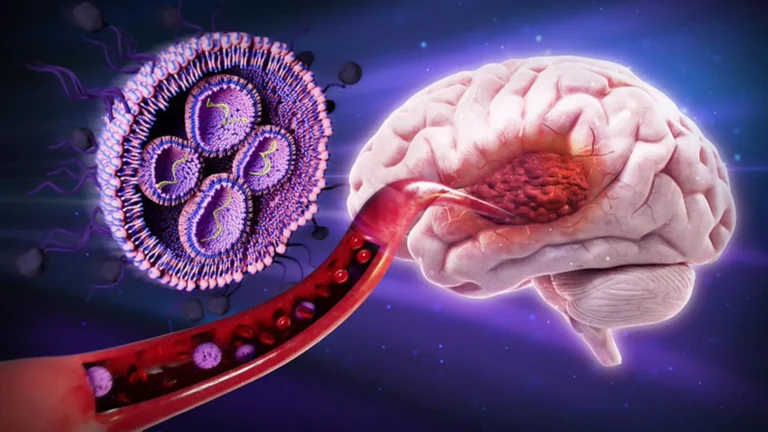
The study’s implications extend beyond mere correlation, delving into the mechanistic pathways that connect our digestive system to our brain. For decades, coffee has been anecdotally and observably linked to improvements in both digestive regularity and mental clarity. However, the precise biological mechanisms responsible for these perceived benefits have remained largely elusive. This latest investigation aimed to bridge that knowledge gap by employing a rigorous, multi-faceted approach, examining the bidirectional communication network known as the microbiota-gut-brain axis. This axis represents a dynamic interplay, where the trillions of microorganisms residing in our gut communicate with the central nervous system, influencing a wide array of physiological and psychological functions.
Unraveling the Microbiome’s Response to Coffee
The research team meticulously designed a study to isolate and quantify the effects of coffee consumption. They recruited two distinct groups of participants: 31 individuals who were regular coffee drinkers and 31 who abstained from coffee. To gain a comprehensive understanding of their baseline states, all participants underwent a battery of psychological assessments designed to gauge their mood, stress levels, and impulsivity. Concurrently, their dietary habits and caffeine intake were meticulously tracked. Crucially, participants provided stool and urine samples, which served as invaluable biological repositories for scientists to analyze changes in gut bacteria composition and the metabolites they produce, as well as to assess shifts in emotional states. For the purposes of this study, "coffee drinkers" were defined as individuals who consistently consumed between three to five cups of coffee daily, a consumption level deemed moderate and safe by the European Food Safety Authority (EFSA), a key regulatory body for food safety across the European Union. This careful definition ensured that the observed effects were attributable to regular, moderate coffee consumption rather than excessive or sporadic intake.
The Impact of Coffee Abstinence and Reintroduction
A pivotal phase of the study involved a two-week period of coffee abstinence for the regular coffee drinkers. During this washout period, researchers continued to diligently collect biological samples and monitor the participants’ mental health. This deliberate cessation of coffee intake yielded observable and significant shifts in the metabolic byproducts generated by the gut microbes within the regular coffee-drinking cohort. These changes clearly differentiated them from the non-coffee drinking control group, indicating that coffee consumption actively shapes the microbial metabolic landscape.
Following this abstinence phase, coffee was systematically reintroduced to the participants. In a cleverly designed double-blind protocol, neither the participants nor the researchers administering the coffee knew whether they were receiving caffeinated or decaffeinated beverages. This blinding was crucial to prevent any placebo effects from influencing the results. Participants were divided into two subgroups: one received decaffeinated coffee, while the other consumed regular caffeinated coffee. The results of this phase were striking. Across both groups, participants reported noticeable improvements in their mood. Specifically, they exhibited lower levels of perceived stress, reduced symptoms of depression, and decreased impulsivity. This finding was particularly significant as it suggested that coffee, in its entirety, could exert positive mood-altering effects, even in the absence of caffeine, hinting at the involvement of other bioactive compounds present in coffee.
Identifying Key Bacterial Players in Coffee’s Influence
Beyond the general mood improvements, the study delved deeper to identify specific bacterial species that were more prevalent in regular coffee drinkers. The research pinpointed an enrichment of certain bacteria, notably ‘Eggertella sp’ and ‘Cryptobacterium curtum’, in individuals who regularly consumed coffee. These particular microbes are known to participate in critical digestive processes, including the production of short-chain fatty acids and the synthesis of bile acids. These functions are not only vital for efficient digestion but are also believed to play a protective role against the colonization of pathogenic bacteria and the development of certain infections. Furthermore, the study observed an increase in the abundance of ‘Firmicutes’, a broad phylum of bacteria that has been previously associated with positive emotional states, particularly in female populations. This suggests a potential gender-specific amplification of coffee’s mood-boosting effects mediated by these microbial shifts.
Deciphering the Distinct Roles of Caffeine and Decaffeinated Compounds
The comparative analysis between caffeinated and decaffeinated coffee consumption revealed fascinating distinctions in their effects on cognitive function and stress response. Intriguingly, improvements in learning and memory were exclusively observed in participants who consumed decaffeinated coffee. This finding strongly suggests that certain non-caffeinated compounds within coffee, such as polyphenols – a class of potent antioxidants known for their anti-inflammatory and neuroprotective properties – may be primarily responsible for these specific cognitive enhancements. Polyphenols are abundant in coffee beans and are thought to contribute to the plant’s defense mechanisms, offering similar benefits when consumed by humans.
Conversely, caffeinated coffee demonstrated its own unique set of advantages. Participants who consumed caffeinated coffee experienced a notable reduction in anxiety levels, coupled with enhanced attention and alertness. This aligns with the well-established stimulant effects of caffeine on the central nervous system. Moreover, caffeine consumption was also associated with a reduced risk of inflammation, as indicated by specific biomarkers. This suggests that caffeine, beyond its role as a stimulant, may also possess anti-inflammatory properties that contribute to overall health.
Expert Perspectives on Coffee’s Broader Impact
Professor John Cryan, the corresponding author of the study and a Principal Investigator at APC Microbiome Ireland, provided crucial context for these findings. "Public interest in gut health has risen hugely," Professor Cryan stated. "The relationship between digestive and mental health is also increasingly being better understood, but the mechanisms behind coffee’s effects on this gut-brain axis have remained unclear."
He elaborated on the significance of the research: "Our findings reveal the microbiome and neurological responses to coffee, as well as their potential long-term benefits for a healthier microbiome. Coffee may modify what microbes do collectively, and what metabolites they use. As the public continues to think about dietary changes for the right digestive balance, coffee has the potential to also be harnessed as a further intervention as part of a healthy balanced diet." This statement underscores the potential of coffee as a functional food, capable of being integrated into dietary strategies for improved health.
Professor Cryan further emphasized the complexity of coffee’s composition: "Coffee is more than just caffeine — it’s a complex dietary factor that interacts with our gut microbes, our metabolism, and even our emotional well-being," he remarked. "Our findings suggest that coffee, whether caffeinated or decaffeinated, can influence health in distinct but complementary ways." This holistic view highlights that the benefits of coffee are not solely attributable to its most famous constituent, caffeine, but rather to a synergistic interplay of various compounds acting upon different biological pathways.
Implications for Public Health and Future Research
The implications of this research are far-reaching. It provides a robust scientific foundation for the widely perceived benefits of coffee, moving beyond anecdotal evidence to a mechanistic understanding. For individuals seeking to optimize their gut health and mental well-being, this study suggests that incorporating moderate coffee consumption into a balanced diet could be a valuable strategy. The distinction between the effects of caffeinated and decaffeinated coffee also opens avenues for personalized dietary recommendations. Individuals who are sensitive to caffeine but seeking mood enhancement might benefit from decaffeinated options, while those aiming for improved alertness and reduced anxiety could opt for caffeinated varieties.
The identification of specific bacterial strains influenced by coffee consumption paves the way for future research into targeted interventions. Probiotic or prebiotic strategies could potentially be developed to mimic or enhance the beneficial microbial shifts observed in coffee drinkers. Furthermore, the study’s findings on polyphenols’ cognitive benefits could spur further investigation into their role in preventing neurodegenerative diseases and cognitive decline.
From a public health perspective, this research reinforces the importance of a holistic approach to diet and well-being. It underscores that the benefits derived from common dietary staples like coffee are complex and involve intricate interactions within our bodies. The study serves as a compelling example of how interdisciplinary research, combining microbiology, psychology, and nutritional science, can unlock profound insights into human health. The ongoing dialogue between the gut and the brain, illuminated by this research, is a frontier that promises continued discoveries and innovative approaches to health and wellness. As scientific understanding evolves, coffee may transition from a beloved beverage to a recognized functional food with scientifically validated contributions to both physical and mental vitality.