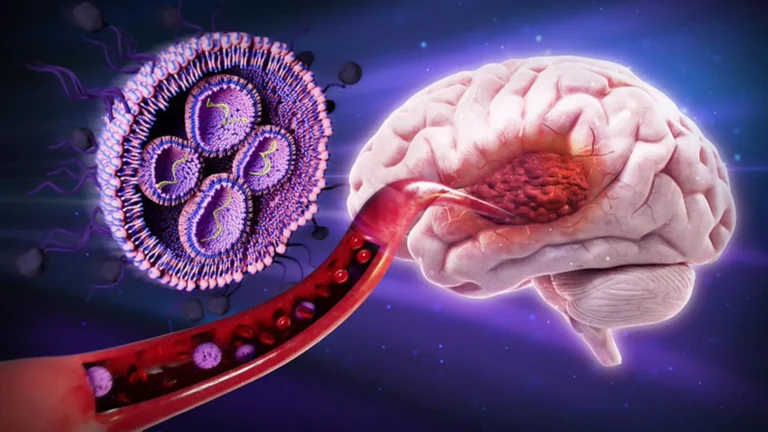



A significant new study published in Neurology, the esteemed medical journal of the American Academy of Neurology, has raised concerns about the long-term cognitive effects of consuming common low- and no-calorie sweeteners. Research involving nearly 13,000 adults suggests a potential link between higher total intake of seven widely used sweeteners and a more rapid decline in memory and thinking abilities over an eight-year period. The association was particularly pronounced among individuals with diabetes.
This groundbreaking research, conducted by a team of Brazilian scientists, analyzed data from a large cohort of adults to explore the relationship between artificial sweetener consumption and cognitive function. While the study meticulously outlines an association, researchers emphasize that it does not establish a causal link, meaning other contributing factors could be at play. Nevertheless, the findings underscore the need for further investigation into the potential impact of these ubiquitous ingredients on brain health.
Unpacking the Study: Methodology and Key Findings
The study, initiated in the early 2010s, tracked 12,772 adults living across Brazil. The participants, with an average age of 52 at the outset, underwent comprehensive cognitive assessments at three distinct points over approximately eight years. At the commencement of the study, detailed food questionnaires were administered to capture participants’ dietary habits from the preceding year. This comprehensive data collection allowed researchers to categorize participants into three groups based on their total daily sweetener intake.
The groups were defined as follows:
- Lowest Consumption Group: Averaging 20 milligrams (mg) per day of total sweeteners.
- Middle Consumption Group: Averaging an intake between the lowest and highest groups.
- Highest Consumption Group: Averaging a substantial 191 mg per day of total sweeteners.
To contextualize these figures, the study noted that the highest intake of aspartame among participants was roughly equivalent to the amount found in a single can of diet soda. Sorbitol emerged as the most consumed individual sweetener, with an average daily intake of 64 mg/day across the cohort.
Cognitive function was rigorously assessed through a battery of tests measuring several critical aspects of brain health, including:
- Verbal Fluency: The ability to rapidly retrieve and articulate words, a key indicator of executive function and language processing.
- Working Memory: The brain’s capacity to temporarily store and manipulate information for complex cognitive tasks.
- Word Recall: The ability to remember previously presented words, reflecting memory retention and retrieval.
- Processing Speed: The rate at which an individual can understand and respond to information, a fundamental aspect of cognitive efficiency.
The Sweetener-Cognition Link: A Statistical Correlation
After meticulously adjusting for a range of potential confounding variables such as age, sex, high blood pressure, cardiovascular disease, and other relevant health factors, the researchers identified a statistically significant difference in cognitive decline rates between the consumption groups.
Individuals who consumed the highest amounts of sweeteners exhibited a 62% faster decline in overall thinking and memory abilities when compared to those in the lowest consumption group. This accelerated decline was estimated to be equivalent to approximately 1.6 additional years of aging in terms of cognitive function.
The middle consumption group also showed a discernible impact, experiencing a 35% faster decline in cognitive abilities than the lowest intake group. This difference was comparable to roughly 1.3 years of aging.
Age and Diabetes: Factors Influencing the Association
The study’s findings revealed an intriguing age-related nuance. Among participants under the age of 60, those who consumed the highest quantities of sweeteners demonstrated significantly faster declines in verbal fluency and overall cognitive performance compared to their low-consumption counterparts. However, this same association was not observed in participants over the age of 60. This suggests that younger or middle-aged adults might be more susceptible to the potential cognitive effects of these sweeteners.
Furthermore, the connection between higher sweetener intake and accelerated cognitive decline was notably stronger among individuals with diabetes. This finding is particularly noteworthy, as people with diabetes are often advised to limit sugar intake and may consequently consume more sugar substitutes. The study authors hypothesize that individuals managing diabetes may be more frequent users of these artificial sweeteners, potentially exacerbating existing risks.
Identifying Specific Sweeteners of Concern
Beyond the total intake, the researchers delved into the individual impact of seven specific sweeteners that contain little or no calories. These included:
- Aspartame
- Saccharin
- Acesulfame K (Ace-K)
- Erythritol
- Xylitol
- Sorbitol
- Tagatose
The analysis indicated that six of these sweeteners were associated with faster declines in overall cognition, with a particular emphasis on memory. These six sweeteners were: aspartame, saccharin, acesulfame K, erythritol, sorbitol, and xylitol.
Interestingly, tagatose was the sole sweetener examined in the study that did not show a link to cognitive decline. This distinction could be significant for future research and dietary recommendations.
Expert Commentary and Broader Implications
Dr. Claudia Kimie Suemoto, MD, PhD, of the University of São Paulo in Brazil and lead author of the study, commented on the implications of the findings. "Low- and no-calorie sweeteners are often seen as a healthy alternative to sugar, however our findings suggest certain sweeteners may have negative effects on brain health over time," she stated. "While we found links to cognitive decline for middle-aged people both with and without diabetes, people with diabetes are more likely to use artificial sweeteners as sugar substitutes. More research is needed to confirm our findings and to investigate if other refined sugar alternatives, such as applesauce, honey, maple syrup or coconut sugar, may be effective alternatives."
The widespread presence of these sweeteners in the modern food supply is a crucial contextual element. They are frequently incorporated into ultra-processed products, including flavored waters, diet soft drinks, energy drinks, yogurts, and desserts marketed as low-calorie options. Many are also available for direct consumer purchase for use in beverages and baking, making them a common feature in the daily diets of millions.
Understanding the Limitations and Future Directions
It is imperative to acknowledge the limitations inherent in this observational study. The research did not encompass every artificial sweetener currently available on the market, meaning the findings cannot be generalized to all sugar substitutes. Furthermore, the dietary information was self-reported by participants, a method that can be prone to recall bias and inaccuracies in estimating consumption levels.
Most importantly, as an observational study, it identifies a correlation rather than causation. While the association between higher sweetener consumption and faster cognitive decline is statistically significant, the study cannot definitively prove that the sweeteners themselves are the direct cause of these changes. It is possible that other lifestyle factors, dietary patterns, or underlying health conditions associated with high sweetener intake contribute to the observed cognitive decline.
The implications of these findings are far-reaching, particularly for public health recommendations and consumer choices. The study serves as a crucial catalyst for further research to:
- Confirm Causality: Conduct randomized controlled trials to establish a definitive cause-and-effect relationship between specific sweeteners and cognitive decline.
- Explore Mechanisms: Investigate the biological pathways through which these sweeteners might impact brain health, such as effects on gut microbiota, inflammation, or neurotransmitter function.
- Evaluate Other Alternatives: Assess the cognitive impact of natural sweeteners and alternative sugar reduction strategies.
- Inform Public Health Guidelines: Provide evidence-based guidance for consumers, especially vulnerable populations like individuals with diabetes.
The research was generously supported by funding from the Brazilian Ministry of Health, the Ministry of Science, Technology, and Innovation, and the National Council for Scientific and Technological Development, underscoring the national and international significance of this area of inquiry. As the scientific community continues to unravel the complex interplay between diet and cognitive health, this study marks a significant step in understanding the potential long-term consequences of our dietary choices, particularly concerning the widespread use of sugar substitutes.