


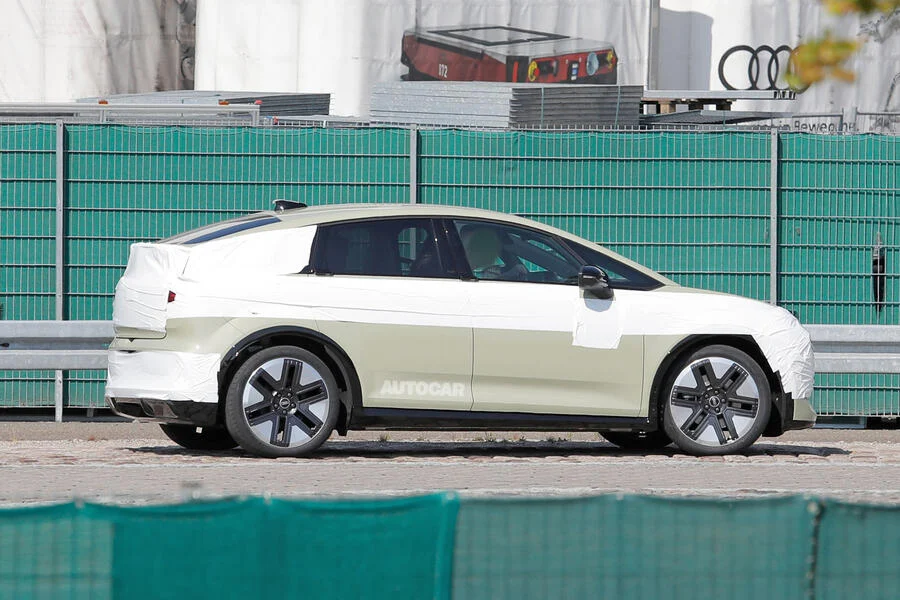
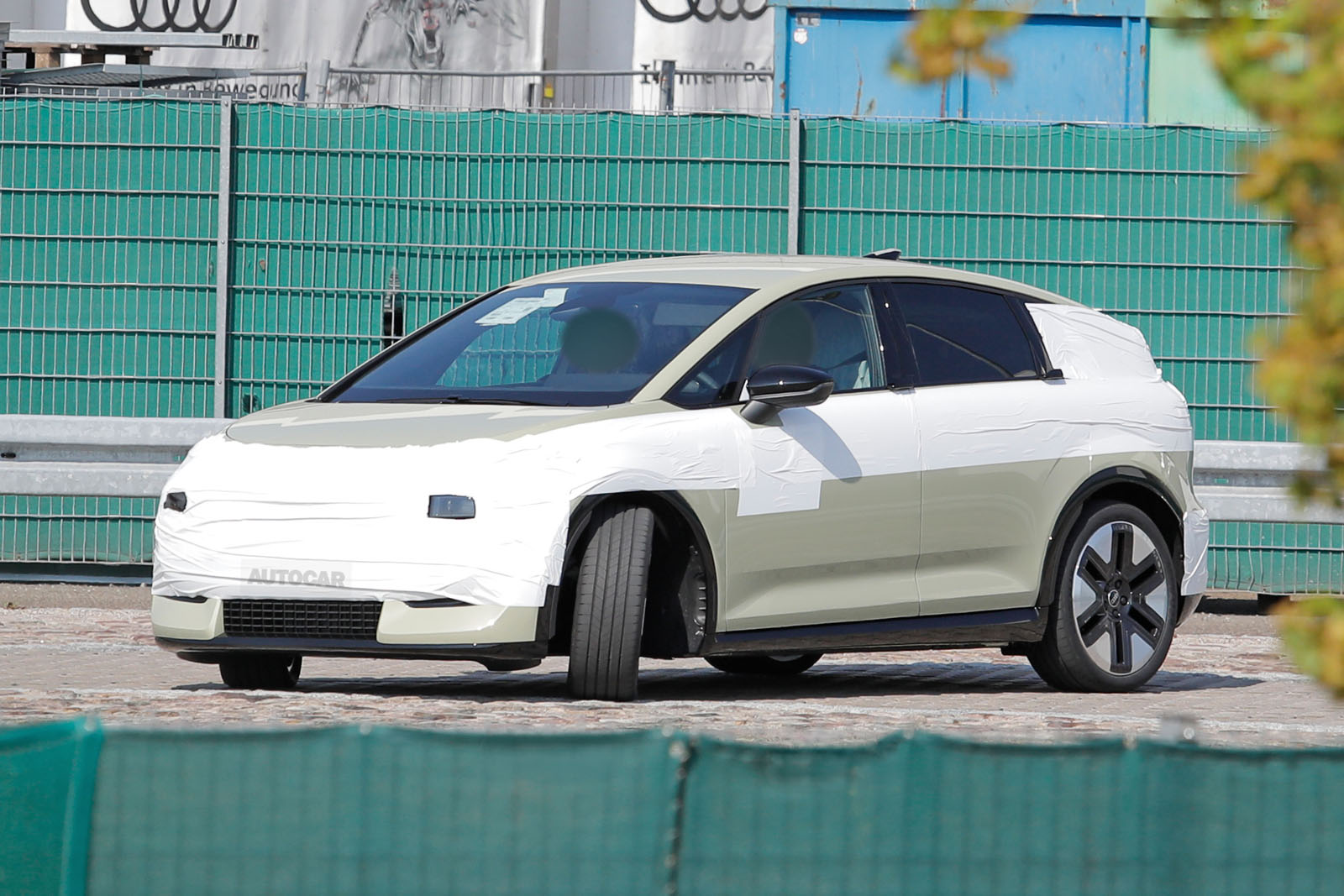
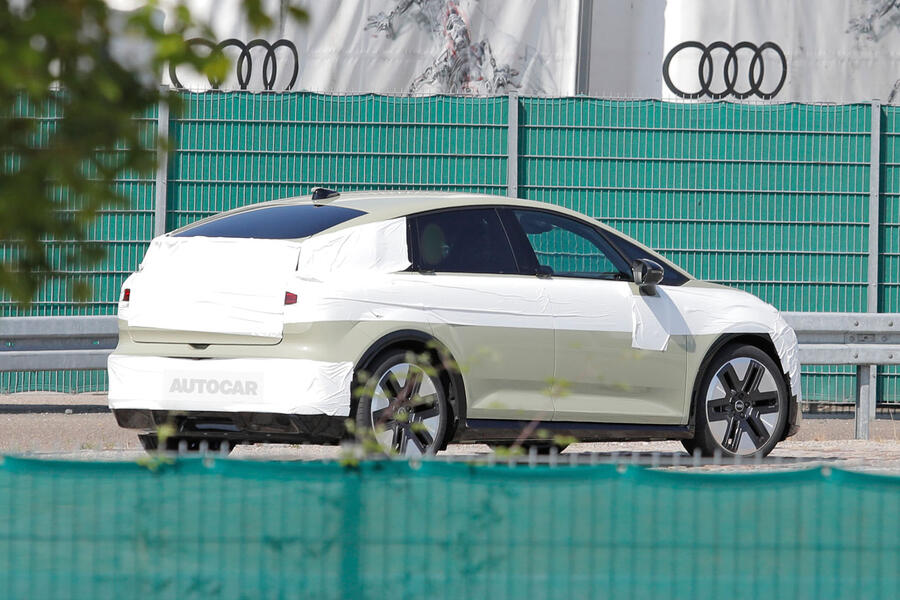
Audi is preparing to expand its electric vehicle portfolio with the resurrection of the A2 nameplate, a move that signals a strategic shift toward more accessible premium mobility. Recent sightings of a near-production prototype in Germany have revealed that the upcoming model, designated as the A2 e-tron, will bear a striking resemblance to its unconventional predecessor from the turn of the millennium. By shedding the majority of its camouflage, the prototype confirms that Audi is opting for a "form follows function" design philosophy, utilizing a lozenge-like roofline and a tapered rear to maximize aerodynamic efficiency—a hallmark of the original A2. This revival comes after a two-decade hiatus for the nameplate, positioning the new electric crossover as a critical entry point into the Audi brand as the company prepares to phase out its internal combustion engine (ICE) entry-level models, the A1 hatchback and the Q2 compact SUV.
The Strategic Significance of the A2 e-tron
The decision to revive the A2 moniker was officially confirmed by Audi CEO Gernot Döllner during the company’s annual media conference in March. The move is part of a broader corporate strategy to democratize electric mobility within the premium segment while maintaining the brand’s reputation for technical innovation. As the automotive industry faces increasing pressure to provide affordable electric vehicles (EVs) in the face of rising costs and aggressive competition from Chinese manufacturers, the A2 e-tron represents Audi’s tactical response.
The new model will be manufactured at Audi’s headquarters in Ingolstadt, Germany. This location is significant, as it underscores the brand’s commitment to domestic production for its core electric models. The A2 e-tron is expected to serve as an indirect replacement for the A1 and Q2, effectively becoming the new "gateway" to the Audi brand. With a projected starting price of under £30,000 (approximately €35,000), the vehicle is intended to attract a younger demographic and urban commuters who require the prestige of a premium badge without the footprint or price tag of larger electric SUVs like the Q4 e-tron or the Q6 e-tron.
Technical Foundation: The MEB Platform and Performance Expectations
Underpinning the new Audi A2 e-tron is the Volkswagen Group’s modular electric drive matrix, known as the MEB platform. This architecture already serves as the foundation for several high-volume electric vehicles, including the Volkswagen ID.3, the Cupra Born, and Audi’s own Q4 e-tron. By utilizing a proven, shared platform, Audi can achieve the economies of scale necessary to keep the A2’s entry price competitive.
While official technical specifications remain under wraps until the autumn reveal, the use of the MEB platform provides a clear indication of the vehicle’s capabilities. In terms of dimensions, the A2 e-tron is expected to sit within the "A-segment"—a term Audi uses to describe its compact offerings like the A3—despite its small external footprint. The MEB platform’s "wheels-at-the-corners" layout allows for a significantly longer wheelbase relative to the car’s total length, resulting in interior space that rivals vehicles in the class above.
Potential powertrain configurations are likely to mirror those found in the updated Volkswagen ID.3. This could include:
- Battery Capacities: A base 52 kWh (net) battery for urban use and a larger 77 kWh battery for long-range variants.
- Range: Estimated WLTP ranges varying from 220 miles (350 km) to over 330 miles (530 km) depending on the battery and wheel configuration.
- Charging: Support for DC fast charging at rates up to 125 kW or 175 kW, enabling a 10% to 80% charge in approximately 28 to 30 minutes.
- Drive Layout: A rear-mounted electric motor producing between 170 hp and 204 hp, staying true to the MEB platform’s standard rear-wheel-drive setup, though a dual-motor quattro variant remains a possibility for higher-trim levels.
Design Heritage: Evoking the Spirit of 1999
The original Audi A2, produced between 1999 and 2005, was a vehicle ahead of its time. Constructed using the Audi Space Frame (ASF) all-aluminum technology, it was remarkably light, weighing less than 900 kg in certain specifications. Its aerodynamic profile achieved a drag coefficient (Cd) as low as 0.25, making it one of the most fuel-efficient production cars in the world. However, its high production costs and unconventional styling led to modest sales figures compared to the more traditional A3.
The 2025 A2 e-tron seeks to capture the "spirit" of the original without the prohibitive costs of an all-aluminum frame. The prototype’s design highlights a high roofline that tapers sharply toward the rear, creating a silhouette that prioritizes cabin volume and aerodynamic slipperiness. Modern Audi design cues are also evident, including slim LED matrix headlights, a closed-off "Singleframe" grille structure optimized for sensors, and flush-fitting door handles to further reduce drag. Inside, the cabin is expected to follow the minimalist, tech-forward approach seen in the new Q6 e-tron, featuring a curved panoramic display and a heavy emphasis on sustainable materials.
Executive Vision and Market Positioning
CEO Gernot Döllner has been vocal about the need for Audi to return to its roots of efficient, clever packaging. Speaking at the media conference, Döllner emphasized that the A2 e-tron is a direct response to consumer feedback. "We’ve listened," Döllner stated. "Our customers want electric mobility that impresses in everyday life. The A2 e-tron is our promise to deliver exactly that: efficient, compact, and confident. We’re making entry into the electric Audi world easier and more relevant than ever."
Döllner’s description of the car as being "within the core of the A-segment" is a strategic nuance. While the original A2 was a supermini, the new version will occupy a space between a traditional hatchback and a crossover. This "tall-hatch" or "urban crossover" format is currently seeing a resurgence in Europe, as it offers the command driving position of an SUV with the efficiency and parking ease of a compact car.
Industry analysts suggest that the A2 e-tron’s positioning is vital for Audi’s volume targets. With the A1 and Q2 reaching the end of their lifecycles, Audi risked leaving a vacuum at the bottom of its lineup. The A2 e-tron fills this gap, ensuring that brand loyalty begins at a lower price point. Furthermore, by positioning it as a "highly efficient entry-level car," Audi is leaning into its "Vorsprung durch Technik" (Progress through Technology) motto, focusing on energy efficiency rather than just raw performance.
Chronology of the Audi A2 Legacy
To understand the weight of the A2 nameplate, one must look at its historical timeline:
- 1997: Audi unveils the Al2 concept car at the Frankfurt Motor Show, showcasing a lightweight aluminum concept.
- 1999: The production Audi A2 is launched, featuring the Audi Space Frame and revolutionary 3-cylinder TDI engines.
- 2001: The A2 1.2 TDI "3L" is released, becoming the first five-door car with a fuel consumption of just 3 liters per 100 km.
- 2005: Production ends after approximately 176,000 units. The car is deemed a "cult classic" but a commercial underperformer due to its high price.
- 2011: Audi reveals an A2 concept at the Frankfurt Motor Show as an electric hatchback, but it never reaches production.
- March 2024: CEO Gernot Döllner officially confirms the revival of the A2 as an entry-level EV.
- Autumn 2024: Anticipated global debut of the A2 e-tron.
Broader Market Implications and Competition
The arrival of the Audi A2 e-tron comes at a pivotal moment for the European automotive market. The "premium compact" EV segment is becoming increasingly crowded. Audi will face stiff competition from several directions:
- Volvo EX30: Currently a market leader in the compact premium EV space, the EX30 offers high performance and a minimalist Scandinavian interior at a similar price point.
- Mini Aceman: The newly launched electric-only crossover from Mini targets the same urban-focused, design-conscious demographic.
- BMW i1/i2: While not yet released, BMW is rumored to be developing its own entry-level electric models to replace the 1 Series and 2 Series Gran Coupe.
- Tesla Model 2 (Project Redwood): If Tesla successfully launches its long-rumored $25,000 model, it will pose a significant threat to all European premium manufacturers.
Audi’s advantage lies in its perceived build quality and its established dealer network in Europe. By using the MEB platform, Audi also benefits from a mature software ecosystem, which has seen significant improvements in its latest "Software 1.2" iteration, addressing previous criticisms of the Group’s infotainment systems.
Conclusion: A Pivot Toward Efficiency
The Audi A2 e-tron is more than just a nostalgic revival; it is a calculated effort to redefine what a premium entry-level car looks like in the age of electrification. By prioritizing aerodynamics and interior packaging over the aggressive, heavy styling of traditional SUVs, Audi is returning to the intellectual honesty that defined the original A2.
As the autumn reveal approaches, the automotive world will be watching to see if Audi can balance the high costs of EV development with the price sensitivity of the compact segment. If successful, the A2 e-tron could not only replace the volume lost by the discontinuation of the A1 and Q2 but also set a new benchmark for efficiency in the premium electric market. The prototype’s lack of camouflage suggests that the final design is locked in, and if the "lozenge" shape is any indication, Audi is once again ready to embrace the unconventional in the pursuit of progress.