


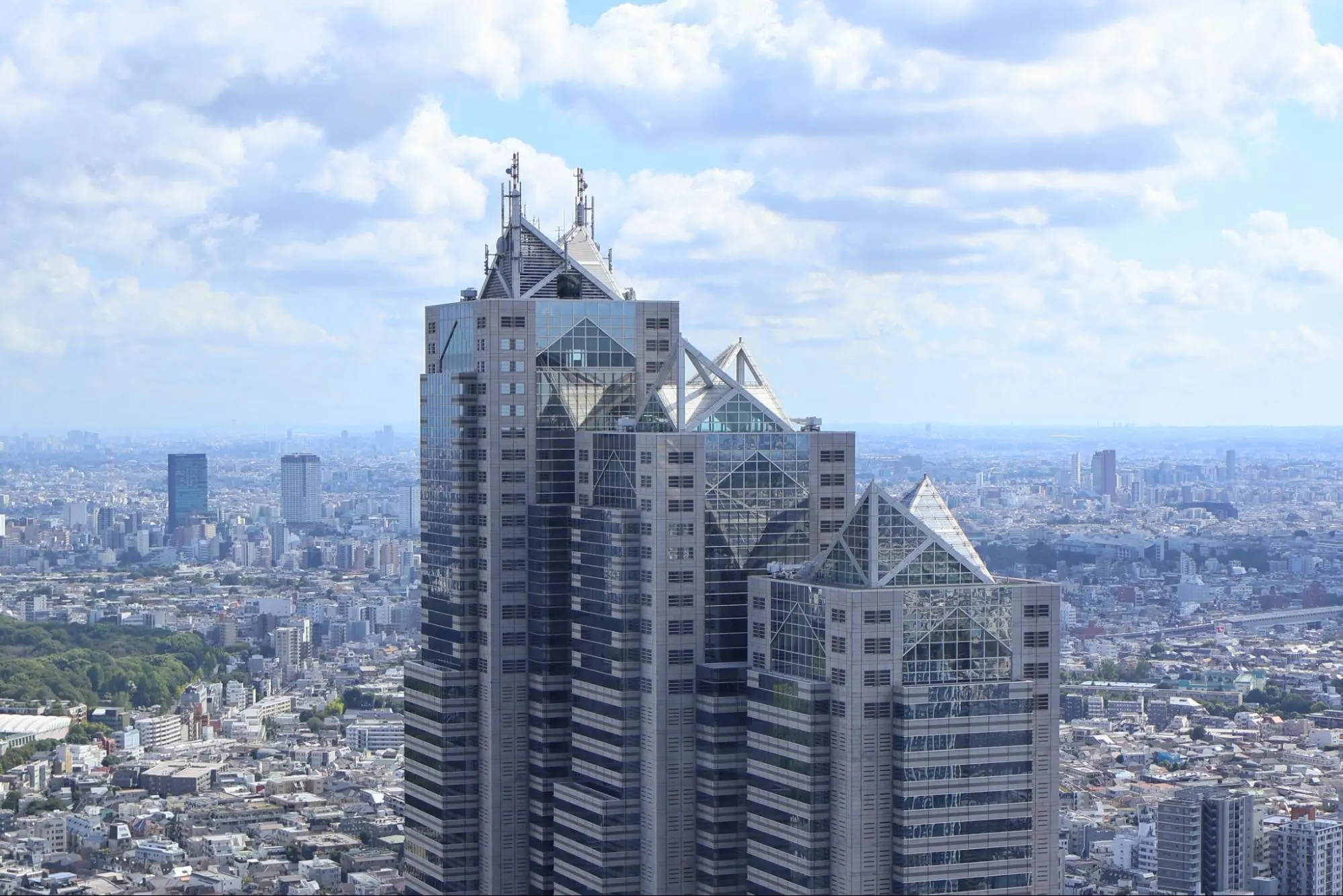
The Park Hyatt Tokyo, an architectural landmark that has defined the skyline of Shinjuku and the standards of global luxury hospitality for three decades, has officially entered a period of comprehensive renovation. This strategic hiatus, which commenced in May 2024, marks the first time the property has closed its doors for an extended duration since its opening in 1994. The decision to overhaul the interior of the hotel reflects a broader trend within the Japanese hospitality industry to modernize legacy properties in the face of intensifying competition from new international luxury brands and evolving traveler expectations. For thirty years, the hotel has served as a cultural touchstone, gaining international fame not only for its service standards but also for its starring role in cinematic history and its unique architectural identity.
The Architectural and Cultural Legacy of an Icon
When the Park Hyatt Tokyo opened on July 9, 1994, it challenged the traditional concepts of luxury hotels in Japan. Occupying the top 14 floors of the 52-story Shinjuku Park Tower, designed by the Pritzker Prize-winning architect Kenzo Tange, the hotel was envisioned as a "private residence in the sky." Unlike the grand, cavernous lobbies typical of the "Big Three" Japanese hotels of that era—the Imperial, the Okura, and the New Otani—the Park Hyatt opted for an intimate, understated approach.
The interior design, executed by the late John Morford, focused on a narrative journey. Guests are whisked from the ground floor to the 41st-floor Peak Lounge, where a glass-roofed atrium provides a transition from the urban density of Tokyo to a serene, light-filled sanctuary. The use of green granite, Hokkaido elm, and original artwork created an atmosphere that was described by critics as both timeless and avant-garde.
The hotel’s global profile was exponentially heightened by the 2003 film Lost in Translation, directed by Sofia Coppola. The film utilized the hotel’s New York Grill, the 47th-floor swimming pool, and its distinctive rooms to convey a sense of beautiful isolation. This cultural association transformed the property into a pilgrimage site for international travelers, contributing to a consistently high occupancy rate among Western tourists and business executives for over twenty years.
Chronology of Development and the Path to Renovation
The timeline of the Park Hyatt Tokyo reflects the broader economic shifts within Japan’s "Lost Decades" and its eventual resurgence as a premier global tourism destination.
- 1994: Park Hyatt Tokyo opens as the first Hyatt-branded luxury hotel in Japan, setting a new benchmark for room size (minimum 45 square meters) and personalized service.
- 2003: The release of Lost in Translation secures the hotel’s place in pop culture, leading to a surge in international demand.
- 2011: Despite the Great East Japan Earthquake, the hotel remains a steady performer, though the aging of its technical infrastructure begins to be noted by frequent guests.
- 2019: Amidst a pre-Olympic tourism boom in Tokyo, Hyatt announces that it is considering updates to its flagship properties to compete with new entrants like Aman Tokyo and the Four Seasons Otemachi.
- 2023: Hyatt officially announces the temporary closure of the Park Hyatt Tokyo for its 30th anniversary to undergo a "top-to-bottom" renovation.
- May 7, 2024: The hotel officially suspends operations, including all food and beverage outlets and the "Club on the Park" spa.
- 2026 (Planned): The hotel is scheduled to reopen with modernized facilities while promising to maintain the "spirit" of Morford’s original design.
Technical Specifications and the Scope of Work
The renovation is not merely aesthetic but involves a complex overhaul of the building’s core systems. Situated at the top of a skyscraper, the logistics of a full-scale renovation are significant. The project includes the replacement of HVAC systems, electrical wiring, and plumbing, much of which has been in continuous operation since the mid-1990s.
The 177 guest rooms, including 23 suites, will undergo a complete transformation. While Hyatt has been careful to state that the renovation will honor the original aesthetic, industry analysts expect significant upgrades to in-room technology, which had become a point of contention for modern business travelers. The integration of high-speed digital infrastructure, modernized lighting controls, and updated bathroom fixtures is a priority.
The New York Grill and Bar, located on the 52nd floor, is also slated for a refresh. As one of Tokyo’s most famous dining destinations, the challenge for the design team is to update the space without alienating the loyal local clientele who have frequented the venue for decades. The "Club on the Park" spa, known for its 20-meter pool under a pyramid-shaped glass roof, will also see substantial upgrades to its wellness facilities to compete with the increasingly sophisticated spa offerings in the Tokyo market.
Market Data and Competitive Analysis
The decision to renovate comes at a time when the Tokyo luxury hotel market is experiencing unprecedented growth and competition. According to data from STR, a hospitality analytics firm, the Average Daily Rate (ADR) for luxury hotels in Tokyo has seen a significant increase post-pandemic, driven by a weak yen and a surge in high-net-worth travelers from North America and Southeast Asia.
In 1994, Park Hyatt Tokyo had few direct international competitors. Today, the landscape has shifted:
- Aman Tokyo (Opened 2014): Introduced a new level of "minimalist luxury" that challenged Park Hyatt’s dominance.
- Bulgari Hotel Tokyo (Opened 2023): Targets the ultra-luxury fashion-conscious demographic.
- Janu Tokyo (Opened 2024): A sister brand to Aman, focusing on social wellness and located in the new Azabudai Hills development.
- The Toranomon Edition (Opened 2020): Offers a lifestyle-oriented luxury experience.
In this context, the Park Hyatt Tokyo’s renovation is a defensive and offensive necessity. By 2023, the hotel’s ADR remained competitive, often exceeding 120,000 JPY (approximately $800 USD) per night, but the physical product was beginning to show signs of wear compared to the newer, "tech-forward" properties in Otemachi and Toranomon.
Statements from Management and Industry Reactions
Hyatt Hotels Corporation has emphasized that the renovation is a "restoration of an icon." In a statement released prior to the closure, a spokesperson for the hotel noted, "Our goal is to ensure that Park Hyatt Tokyo remains a leader in the luxury market for the next 30 years. We are committed to preserving the soul of the hotel while providing the modern comforts and sustainable technologies that our guests expect."
The renovation is being overseen by the design firm Jouin Manku, which has been tasked with the delicate balance of modernization and preservation. Patrick Jouin and Sanjit Manku have stated that their approach involves "listening to the building" and respecting the legacy of John Morford.
Industry analysts suggest that the closure of such a high-revenue property for two years is a bold move. "Taking 177 of the city’s most prestigious rooms off the market during a tourism boom is a significant financial commitment," says Hiroshi Motoyama, a Tokyo-based hospitality consultant. "However, it demonstrates Hyatt’s long-term view of the Tokyo market. They would rather lose two years of revenue than allow their flagship to become a second-tier property."
Broader Implications for Tokyo’s Tourism Strategy
The temporary loss of the Park Hyatt Tokyo coincides with Japan’s broader strategy to attract high-spending international tourists. The Japan Tourism Agency has set ambitious goals to increase the average spend per visitor, moving away from "mass tourism" toward "value-added tourism." The renovation of legacy icons like the Park Hyatt is central to this narrative, ensuring that the city’s infrastructure can support the demands of the global elite.
Furthermore, the renovation reflects a shift in luxury preferences. Modern luxury travelers are increasingly focused on "wellness" and "local immersion." The updated Park Hyatt is expected to incorporate more sustainable practices and locally sourced materials, aligning with global ESG (Environmental, Social, and Governance) trends that were not a priority when the hotel first opened in the 1990s.
The environmental impact of the renovation is also under scrutiny. The Shinjuku Park Tower is a massive structure, and the logistical challenge of disposing of old materials while bringing in new ones in a crowded urban center like Shinjuku is substantial. Hyatt has committed to minimizing the carbon footprint of the construction process, reflecting a growing industry-wide mandate for sustainable renovation.
Conclusion and Future Outlook
As the Park Hyatt Tokyo remains behind scaffolding and closed doors, the hospitality industry watches closely. The success of the reopening in 2026 will serve as a bellwether for other aging luxury properties in Asia. Can a hotel that was so perfectly a product of the 1990s reinvent itself for the 2020s and beyond without losing the "magic" that made it a global destination?
The characteristics that defined the original experience—the wind whistling through the high-altitude elevators, the view of Mount Fuji from the western-facing suites, and the cawing of crows over the Shinjuku Central Park—remain constants of the location. The challenge for the renovation is to ensure that the "hardware" of the hotel finally catches up to the legendary "software" of its service. When the doors reopen, the Park Hyatt Tokyo will not just be competing with its neighbors in Shinjuku, but with its own storied past, attempting to reclaim its title as the definitive luxury experience in the world’s most populous metropolitan area.