


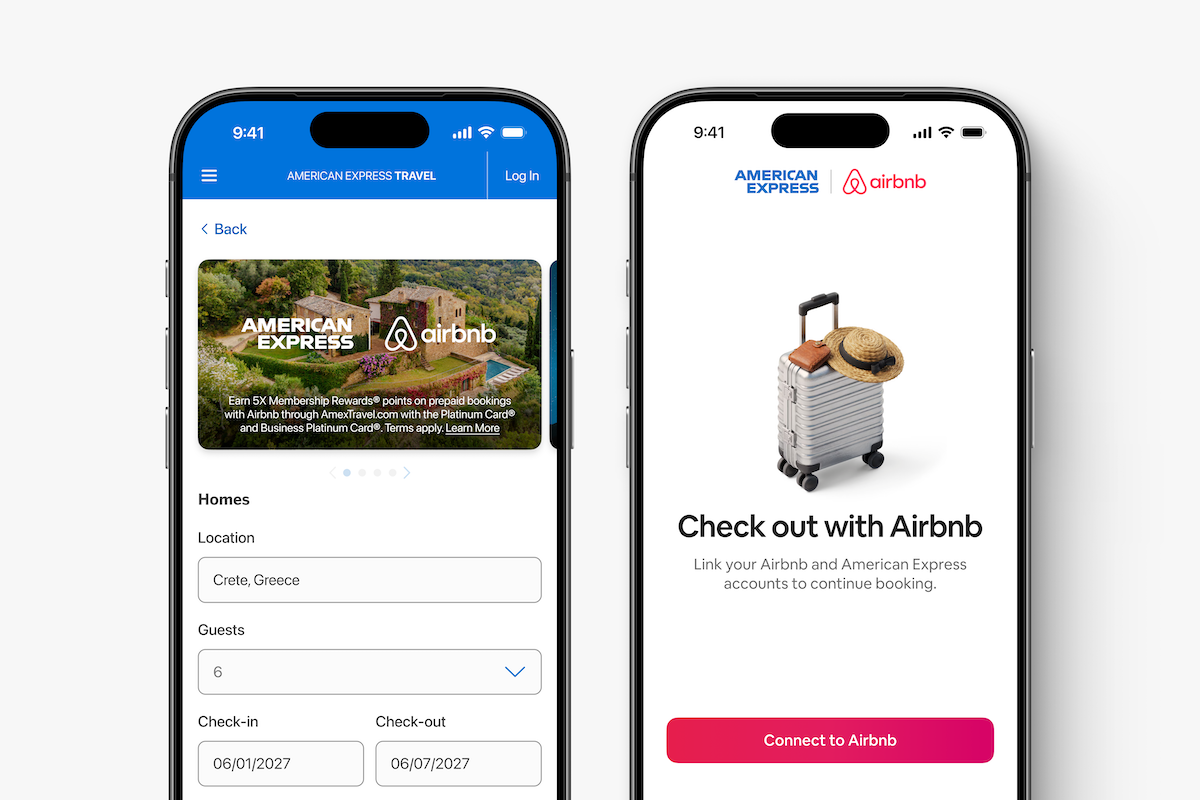
The landscape of premium travel booking has undergone a significant shift as American Express Travel and Airbnb officially launched a strategic partnership, positioning the short-term rental giant as the exclusive vacation rental provider for the financial services titan. This collaboration integrates more than one million Airbnb listings directly into a newly established "Homes" tab on the AmexTravel.com portal and the American Express Travel mobile application. The move marks a definitive step by American Express to broaden its inventory beyond traditional hospitality, catering to an evolving demographic of cardmembers who increasingly prioritize the privacy, space, and local immersion offered by short-term rentals.
While the inclusion of Airbnb represents a milestone for the platform, it creates a complex ecosystem within the American Express Travel infrastructure. For nearly a decade, Expedia Group has served as a cornerstone business-to-business (B2B) partner for American Express, providing the underlying technology, flight inventory, and hotel supply that powers much of the Amex booking engine. This relationship traces back to 2015, following Expedia’s acquisition of Travelocity, which had previously managed the Amex consumer travel site. Despite the introduction of Airbnb as a primary competitor in the lodging space, American Express has clarified that its long-standing agreement with Expedia remains intact, emphasizing that the Airbnb partnership is a complementary expansion rather than a replacement of existing services.
The Evolution of American Express Travel and the Shift Toward Alternative Lodging
To understand the significance of this partnership, one must look at the trajectory of American Express Travel. Historically, the division functioned as a high-touch service for affluent cardmembers, focusing heavily on the "Fine Hotels + Resorts" (FHR) program and the "The Hotel Collection." These programs offered curated stays at luxury properties with exclusive perks such as room upgrades, late check-outs, and breakfast credits. However, the rise of the alternative lodging sector, spearheaded by Airbnb, began to change the expectations of even the most affluent travelers.
The timeline of this digital transformation reflects a broader industry trend:
- 2015: Expedia Group acquires Travelocity and assumes the role of the primary technology and inventory provider for American Express Travel’s consumer-facing portal.
- 2018–2019: The "bleisure" trend (combining business and leisure travel) begins to take hold. Premium travelers start seeking multi-bedroom units for family trips or extended stays.
- 2020–2022: The global pandemic accelerates the demand for short-term rentals. Travelers prioritize private entrances, kitchens, and social distancing, leading to a surge in bookings for platforms like Airbnb and Vrbo.
- 2023: American Express observes a record-breaking volume of travel spending among its cardmembers, noting a particular interest in "experiential" travel and non-traditional stays.
- Present Day: The official integration of Airbnb into the Amex Travel ecosystem, providing a seamless booking experience for "Homes" alongside flights and traditional hotels.
By incorporating Airbnb, American Express is responding to data suggesting that a significant portion of its cardmember base was already booking short-term rentals, but doing so outside of the Amex ecosystem. This integration allows American Express to capture more of that "wallet share" while offering cardmembers the convenience of managing their entire itinerary—from airfare to high-end villas—within a single interface.
Analyzing the Multi-Partner Strategy: Balancing Expedia and Airbnb
The decision to retain Expedia while onboarding Airbnb is a calculated move in the high-stakes world of travel B2B services. Expedia Partner Solutions (EPS), the B2B arm of Expedia Group, is a massive revenue driver for the company, providing inventory to thousands of travel agencies, airlines, and financial institutions worldwide. For American Express, Expedia provides the "plumbing" of the travel site—the complex APIs that handle millions of hotel rooms and flight connections.
However, Expedia’s own short-term rental brand, Vrbo, was notably absent from the "exclusive" spot now occupied by Airbnb. Industry analysts suggest that Airbnb’s global brand recognition and its specific focus on "Airbnb Luxe" and "Airbnb Plus" inventory align more closely with the American Express brand identity than the broader Vrbo catalog. By naming Airbnb as the "exclusive vacation rental partner," American Express is leveraging the prestige of the Airbnb brand to appeal to Gen Z and Millennial cardmembers, who are currently the fastest-growing segments of the Amex customer base.
An American Express spokesperson addressed the dual-partnership structure, stating that there is no change to the existing business with Expedia. The spokesperson noted that the Airbnb partnership is specifically focused on expanding the short-term rental offering, providing cardmembers with a curated selection of homes that meet the quality standards expected by the Amex brand.
Market Data and the Financial Impact of the Short-Term Rental Sector
The integration comes at a time when the short-term rental market is projected to reach unprecedented heights. According to market research data, the global vacation rental market is expected to exceed $100 billion in annual revenue by the end of the decade. Airbnb’s financial performance reinforces this trend; the company reported a 14% year-over-year increase in nights and experiences booked in its most recent fiscal quarters, with a particular strength in high-end, luxury listings.
For American Express, the move is rooted in spending data. In its recent earnings reports, American Express highlighted that travel and entertainment (T&E) spending remains a primary driver of its growth. Cardmember spending on travel increased by double digits in the last fiscal year, with "Millennial and Gen Z" customers contributing significantly to this volume. These younger, affluent consumers are statistically more likely to book a high-end Airbnb for a group trip than a traditional suite at a luxury hotel.
Furthermore, the partnership allows for a deeper integration of the American Express Membership Rewards program. While specific details on redemption rates may vary by region and card type, the long-term goal of such partnerships is often to allow cardmembers to use points to book rentals, a feature that has been a significant "pain point" for users who previously had to pay out-of-pocket for Airbnb stays while using points for flights and hotels.
Official Responses and Industry Reactions
The announcement has garnered attention from across the travel technology sector. While Airbnb and American Express have focused their messaging on "seamlessness" and "choice," competitors are watching closely.
Airbnb leadership has historically been selective about third-party integrations, preferring to keep users within its own ecosystem to maintain control over the user experience and service fees. However, the partnership with American Express provides Airbnb with direct access to a highly desirable, high-spending customer base without the high cost of traditional customer acquisition.
Industry analysts suggest that this deal may signal a shift in how travel portals are constructed. "We are seeing a move away from the ‘one-size-fits-all’ inventory model," says Marcus Thorne, a senior analyst at Global Travel Insights. "Amex is essentially building a ‘best-of-breed’ portal where they use Expedia for the core hotel and flight infrastructure, but bring in a specialist like Airbnb to handle the high-growth home rental segment. It’s a strategy that prioritizes the user experience over a simplified back-end."
From the perspective of Expedia, the maintenance of the Amex relationship is a "win," even with the entry of a rival. The volume of hotel and flight bookings generated through American Express is substantial enough that the presence of a "Homes" tab is viewed as a necessary evolution of the platform rather than a direct threat to Expedia’s hotel business.
Broader Implications for the Travel and Credit Card Industries
The Airbnb-Amex partnership is likely to trigger a "loyalty arms race" among major credit card issuers. Competitors such as Chase and Capital One have also been investing heavily in their travel portals. Chase acquired the travel booking technology firm cxLoyalty in 2021 to gain more control over its inventory, while Capital One has partnered with Hopper to power its travel platform and has invested in luxury rental services.
The implications of the Amex-Airbnb deal include:
- Standardization of Quality: By bringing Airbnb into a curated "Homes" tab, American Express is implicitly vetting the listings. This could lead to a "Gold Standard" for rentals that are deemed "Amex-quality," potentially forcing hosts to maintain higher service standards to remain visible on the portal.
- Consolidation of Travel Management: High-net-worth individuals often employ travel assistants or use concierge services. Integrating homes into the Amex portal allows these services to book entire trips in one place, streamlining the administrative side of luxury travel.
- Data Synergy: American Express will gain invaluable data on how its members interact with the short-term rental market. This data can be used to refine future marketing efforts, create targeted offers, and potentially develop new card benefits specifically for "home" travelers.
- Pressure on Traditional Hotels: While hotels still offer services that rentals cannot (such as daily housekeeping and on-site dining), the ease of booking a million-plus homes through a trusted financial platform like Amex adds a new layer of competition for the luxury hotel market.
Conclusion and Future Outlook
The launch of the "Homes" tab on American Express Travel, powered exclusively by Airbnb, represents a strategic alignment of two of the most powerful brands in travel and finance. By navigating the complexities of maintaining a legacy partnership with Expedia while embracing the disruptive force of Airbnb, American Express has positioned itself as a versatile intermediary for the modern traveler.
As the partnership matures, the industry will look for further integrations, such as the ability to earn 5x Membership Rewards points on Airbnb bookings—a benefit currently reserved for flights and prepaid hotels booked through Amex Travel. For now, the move confirms that the vacation rental sector has moved beyond its "alternative" roots to become a core pillar of the premium travel experience. For American Express cardmembers, the world of luxury travel just became significantly larger, and for the travel industry at large, the boundaries between traditional hospitality and the sharing economy continue to blur.