


The global hospitality industry is currently navigating a transformative shift in risk management as wildfires become more frequent, severe, and geographically diverse. Traditionally, insurance providers assessed property risk based primarily on geographic location—proximity to known fire zones or forested areas. However, a new paradigm is emerging: insurers are now underwriting based on the specific resilience of a property. This shift is compelling hotel operators to invest heavily in structural reinforcements and landscape management to secure coverage, even as the broader industry grapples with the economic fallout of successive heatwaves and smoke-clogged skies.
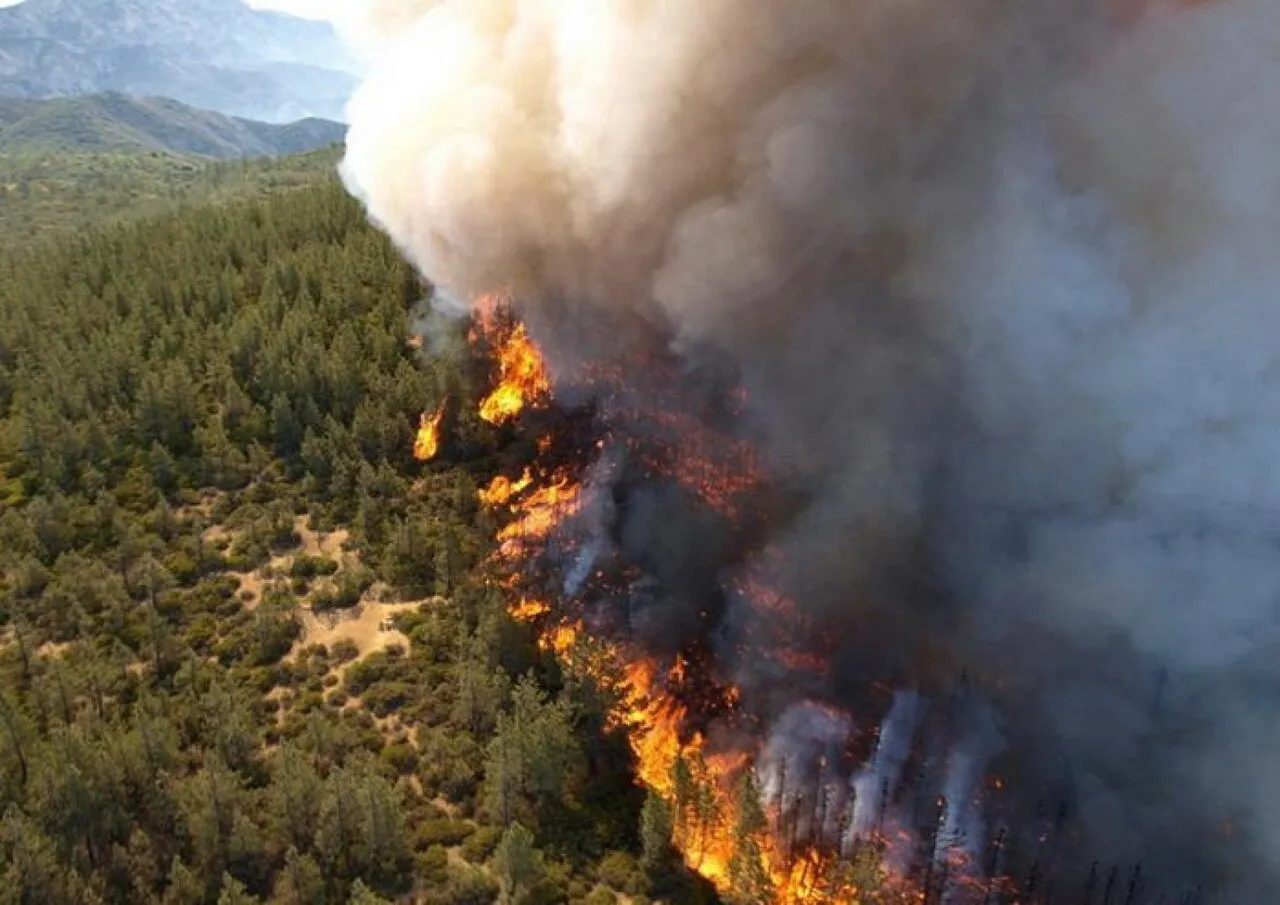
From the Mediterranean coast to the remote lodges of the American West, the threat of wildfire is no longer a seasonal concern for a handful of regions; it has become a systemic risk to the global tourism economy. As climate patterns shift, the "tinder-box" conditions once reserved for the height of summer are appearing earlier and lasting longer, forcing a total re-evaluation of how leisure and business travel assets are protected and operated.
The Evolution of the Wildfire Crisis: A Recent Chronology
The urgency of this shift is underscored by a series of catastrophic events over the past 24 months that have redefined the scale of wildfire impact.
In early 2023, Canada experienced its most devastating wildfire season on record. While the flames consumed millions of hectares of wilderness, the economic impact was felt thousands of miles away. In June 2023, smoke from these blazes drifted south, plunging major metropolitan hubs including New York City, Chicago, and Toronto into a thick, orange haze. For the hotel industry, this meant a sudden drop in foot traffic and the cancellation of outdoor events and rooftop dining—key revenue drivers for urban luxury hotels.
By July 2023, the focus shifted to Southern Europe. A series of successive heatwaves, colloquially named Cerberus and Charon, pushed temperatures across Italy, Spain, and Greece to record highs. In Greece, the island of Rhodes became the epicenter of a tourism crisis when wildfires forced the evacuation of approximately 19,000 people, many of them tourists. Images of travelers fleeing resorts with luggage in hand circulated globally, dealing a significant blow to the region’s reputation as a safe summer destination.
In August 2023, the world witnessed the deadliest U.S. wildfire in over a century in Maui, Hawaii. The Lahaina fire did more than destroy a historic town; it crippled the local tourism economy. In the immediate aftermath, tourism spending in Maui plummeted by 61% year-on-year. The recovery process has been slow, as the industry struggles to balance the need for economic revival with the sensitivities of a grieving community and the physical rebuilding of destroyed infrastructure.
As of mid-2024, the trend continues. Southwestern France has seen the evacuation of over 10,000 residents and tourists in response to forest fires fueled by parched terrain. Meanwhile, in the United States, the 2024 fire season began with high-intensity blazes in Texas and California, signaling that the window for "safe" travel seasons is narrowing.
Data Analysis: The Economic Toll on Hospitality
The financial implications of wildfires on the hotel sector are three-fold: immediate revenue loss, long-term insurance premium increases, and the capital expenditure required for property hardening.
According to industry data, regions affected by smoke or fire see an immediate drop in occupancy rates that can linger for months. In the case of the 2023 Maui fires, the 61% drop in spending translated to hundreds of millions of dollars in lost revenue for hotels, restaurants, and tour operators. Even in areas not directly touched by flames, "smoke taint" in the air can lead to cancellation rates exceeding 30% as travelers prioritize their health and air quality.
The insurance market has responded with significant volatility. In high-risk zones such as California, parts of Colorado, and the Mediterranean coast, some major insurers have stopped issuing new policies altogether. For those that remain, premiums have surged. Industry analysts report that property insurance for resorts in wildfire-prone areas has increased by 25% to 50% annually in recent years.
Furthermore, the "Skift Take" on the situation highlights a critical pivot: insurers are moving away from broad "brushfire zones" toward "individualized risk assessment." A hotel located in a high-risk forest may still be insurable at a reasonable rate if it can prove it has invested in non-combustible roofing, indoor air filtration systems, and a 100-foot "defensible space" clear of flammable vegetation.
From Location to Resilience: The New Underwriting Standard
The shift toward resilience-based underwriting is changing the architectural and operational priorities of hotel brands. Insurers are now utilizing high-resolution satellite imagery and AI-driven climate models to inspect individual properties. They look for specific features that mitigate fire spread and smoke damage.
- Structural Hardening: New developments and renovations are increasingly incorporating "hardened" materials. This includes the use of fiber-cement siding, tempered glass windows that can withstand high heat without shattering, and specialized gutter guards that prevent embers from igniting accumulated debris.
- Defensible Space and Landscaping: The aesthetic of the "resort in the woods" is being modified. Hoteliers are being forced to remove "ladder fuels"—low-hanging branches and shrubs that allow fire to climb into the canopy. This creates a tension between the desire for a secluded, nature-immersed guest experience and the cold reality of fire safety.
- Air Quality Infrastructure: Smoke is now recognized as a primary threat to urban and rural hotels alike. Properties are upgrading HVAC systems with MERV 13 or HEPA filtration to ensure guest rooms remain "safe havens" even when outdoor air quality reaches hazardous levels. For insurers, these upgrades reduce the likelihood of business interruption claims related to smoke damage.
Industry Reactions and Official Responses
The hospitality industry’s leadership has been vocal about the need for a coordinated response. The American Hotel & Lodging Association (AHLA) and various European tourism boards have called for increased government investment in forest management and early-warning systems.
In a statement following the Rhodes evacuations, Greek tourism officials emphasized that "the safety of our guests is the absolute priority," while simultaneously working to launch "Rhodes Week," an initiative offering free stays to those whose vacations were cut short by the fires. This highlights the industry’s desperate need to maintain consumer confidence in the face of climate instability.
On the insurance side, industry leaders like Swiss Re and Munich Re have noted that "unmodeled" risks—wildfires were once considered secondary perils compared to hurricanes—are now becoming primary drivers of loss. "The industry can no longer rely on historical data alone," noted one senior underwriting executive. "We must look at the forward-looking trajectory of climate change and the specific mitigation steps taken by property owners."
The Broader Impact: Long-term Implications for Tourism
The long-term implications of this "new normal" are profound. There is a growing risk of "climate gentrification" in the travel sector, where only large, well-capitalized hotel chains can afford the insurance premiums and the cost of hardening their properties. Small, independent lodges and summer camps may find themselves priced out of the market or unable to secure the financing required for operation without proof of insurance.
Additionally, the geography of tourism may shift. As traditional summer hotspots become dangerously hot and prone to fire, "cool-cationing"—traveling to northern latitudes or higher altitudes—is gaining traction. Scandinavia, Alaska, and the Canadian Maritimes are seeing increased interest as travelers seek to avoid the heatwaves of the Mediterranean and the smoke of the American West.
Furthermore, the "wildfire effect" extends to the labor market. When a resort is forced to close due to fire or smoke, the local workforce—often dependent on seasonal tips and hourly wages—suffers disproportionately. This creates a secondary economic crisis for tourism-dependent communities, as seen in the struggle to retain staff in Maui post-disaster.
Conclusion: A Proactive Path Forward
The hotel industry stands at a crossroads. The era of treating wildfires as "Acts of God" that occur once in a generation is over. Today, they are predictable, if not precisely timed, operational hurdles.
To survive, operators must embrace a strategy of radical transparency and physical resilience. This involves not only "hardening" the physical asset but also developing robust evacuation protocols and flexible cancellation policies that protect the brand’s reputation. As insurers continue to tighten their requirements, the hotels that thrive will be those that view resilience not as a regulatory burden, but as a core component of their value proposition to the modern, climate-conscious traveler. The heat is rising, and the industry’s ability to adapt will determine which destinations remain on the map in the decades to come.