


Delhi, India – India’s Education Minister, Dharmendra Pradhan, has resigned from his post, bringing an end to a tumultuous five-week-long protest spearheaded by the unconventional yet highly influential ‘Cockroach Janta Party’ (CJP). The CJP, a satirical online campaign that rapidly transformed into a formidable platform for youth grievances, declared the resignation a resounding victory for democracy. Thousands of jubilant supporters continued their celebrations late into the night at Jantar Mantar, the iconic protest site in the heart of Delhi, underscoring the profound impact of this movement.
The protests, which began as a digital campaign, evolved into the most visible expression of public discontent against Prime Minister Narendra Modi’s government in recent years. The movement gained significant traction and international attention, particularly after a police crackdown on a march to parliament earlier this week left dozens injured, further galvanizing public support.
The Genesis of Discontent: India’s Education Crisis
The catalyst for the CJP’s emergence and the subsequent nationwide agitation lies deep within India’s highly competitive and often beleaguered education system. For years, students and parents have grappled with endemic issues such as widespread exam paper leaks, allegations of corruption in recruitment processes, and a perceived lack of accountability from educational authorities. These systemic failures have profound consequences, impacting millions of young Indians vying for limited opportunities in higher education and the job market.
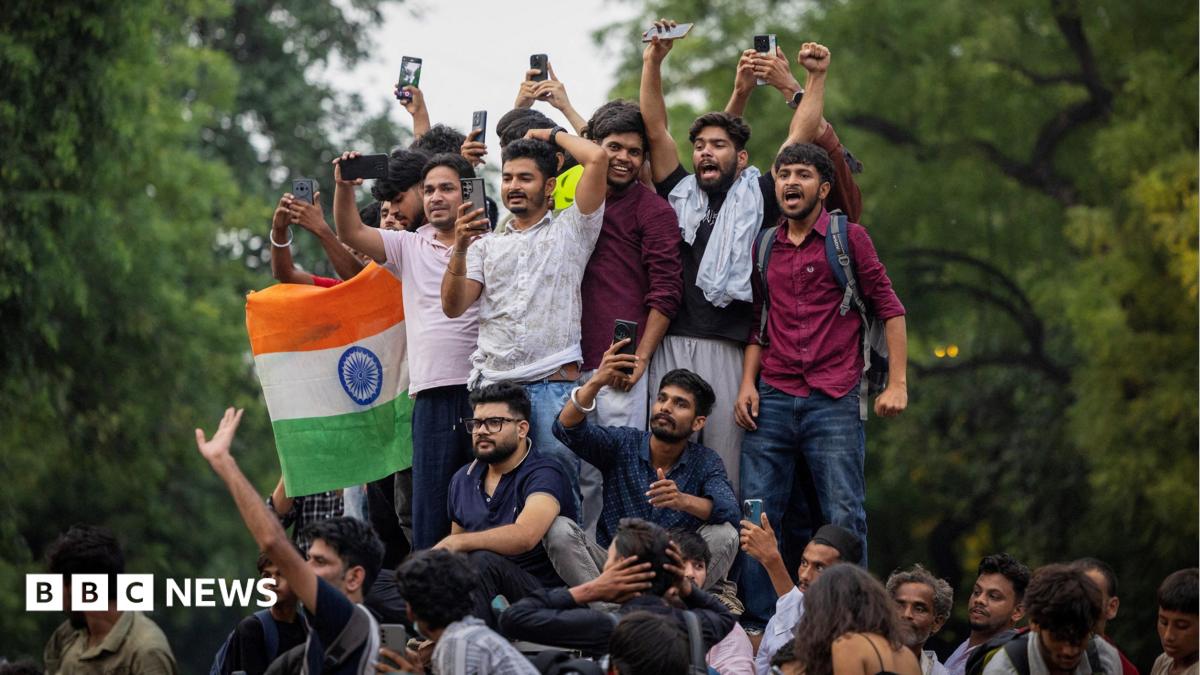
The stakes are incredibly high in India, where securing a government job or a place in a prestigious educational institution often determines one’s socio-economic trajectory. The recurring instances of paper leaks—which can lead to the cancellation of exams, wasted time, financial strain, and psychological distress for aspirants—have fueled a deep sense of betrayal and frustration among the youth. This simmering resentment found its voice in the CJP, an organization born out of defiance against a dismissive judicial remark.
The Rise of the ‘Cockroach Janta Party’: From Insult to Icon
The name "Cockroach Janta Party" itself is a potent symbol of resilience and dissent. It originated from a controversial statement made by India’s Chief Justice, who, in a moment of exasperation, reportedly referred to some unemployed young people turning to journalism and activism as "cockroaches." While he later clarified that his remarks were directed specifically at individuals with "fake and bogus degrees," the term had already been appropriated by a disillusioned youth. They embraced the pejorative, transforming the widely reviled insect into a powerful emblem of their struggle: tenacious, ubiquitous, and difficult to eradicate.
At the helm of this unconventional movement is Abhijeet Dipke, a 30-year-old political communications strategist and an alumnus of Boston University. Under his leadership, the CJP quickly harnessed the power of digital media, amassing an astounding 26 million followers on Instagram. Utilizing an AI-generated cockroach as its mascot, the CJP masterfully leveraged satire, memes, and viral content to articulate complex grievances in an accessible and engaging manner. This innovative approach allowed the movement to transcend traditional political boundaries, resonating deeply with a diverse cross-section of Indian youth who felt unheard and disenfranchised. The CJP’s primary demands were clear: comprehensive reforms to India’s education system, greater accountability for exam paper leaks, and, crucially, the resignation of Education Minister Dharmendra Pradhan.
A Chronology of Escalation: Five Weeks of Unyielding Protest
The five-week protest was a dynamic and evolving saga of public resistance:
- Early July: The Cockroach Janta Party officially launches its nationwide campaign, primarily through online platforms, advocating for educational reforms and accountability. The digital momentum quickly translates into calls for physical gatherings.
- Mid-July: Small-scale demonstrations begin to emerge across various cities, with students and activists expressing solidarity with the CJP’s demands. The movement gains a foothold in Delhi, particularly at Jantar Mantar.
- June 28: Renowned activist and educationist Sonam Wangchuk joins the protest at Jantar Mantar, initiating an indefinite hunger strike in support of the CJP’s core demands. Wangchuk’s participation significantly amplifies the protest’s visibility and moral authority, drawing national and international media attention.
- Early August: As Wangchuk’s health deteriorates due to his prolonged fast, the crowds at Jantar Mantar swell dramatically. The presence of a respected public figure undergoing a hunger strike intensifies pressure on the government.
- Saturday, August X (previous week): Sonam Wangchuk is forcibly removed from the protest site by police and hospitalized due to his critical condition. Despite his removal, he vows to continue his fast from the hospital, further fueling public anger.
- Monday, August Y (this week): A pivotal and violent confrontation erupts as thousands of protesters attempt to march to Parliament. Police and paramilitary forces respond with force, using batons, wooden sticks, and tear gas, leaving dozens injured. This heavy-handed response draws widespread condemnation and significantly boosts public sympathy for the protesters.
- Thursday, August Z: Amid mounting pressure and widespread criticism, Prime Minister Narendra Modi breaks his silence. He announces the government’s decision to establish fast-track courts to ensure "swift and stringent punishment for those involved in paper leaks." Later that night, Modi releases a video message, pledging a tough new law against examination paper leaks, indicating a shift in the government’s stance.
- Friday, August A (early morning): Sonam Wangchuk, from his hospital bed, calls off his hunger strike following assurances from the government that his demands would be seriously considered and addressed.
- Friday, August A (later in the day): Hours after Wangchuk’s announcement, Education Minister Dharmendra Pradhan tenders his resignation. The CJP immediately calls off its protest, declaring a monumental victory.
Minister Pradhan’s Resignation and Its Implications
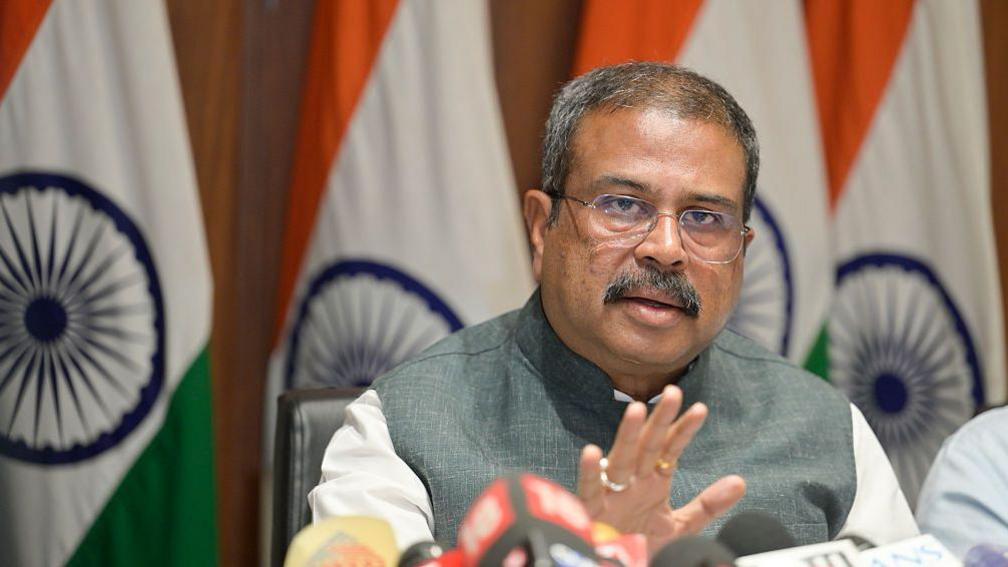
Dharmendra Pradhan announced his resignation on X (formerly Twitter) in a post written in Hindi. His statement, carefully worded, acknowledged the "aspirations, dreams, and expectations of the youth" and expressed being "pained by the events" of the preceding days.
Pradhan’s post elaborated on his rationale: "Considering the situation at Jantar Mantar and across the country – with the aim of preventing anti-national forces from exploiting it, preserving national unity, ensuring that not a single Indian student’s future gets entangled in legal complexities, and allowing our children to devote their time to studies and focus on building their careers – I have submitted my resignation to the prime minister."
This framing suggests an attempt to portray the resignation not as an admission of culpability but as a selfless act to de-escalate tensions and protect national interests, particularly from "anti-national forces" – a common government rhetoric when facing dissent. However, for the protesters and opposition, it was unequivocally seen as a direct consequence of their sustained pressure and a concession from a government typically reluctant to yield.
Jubilation at Jantar Mantar: A Carnival of Victory
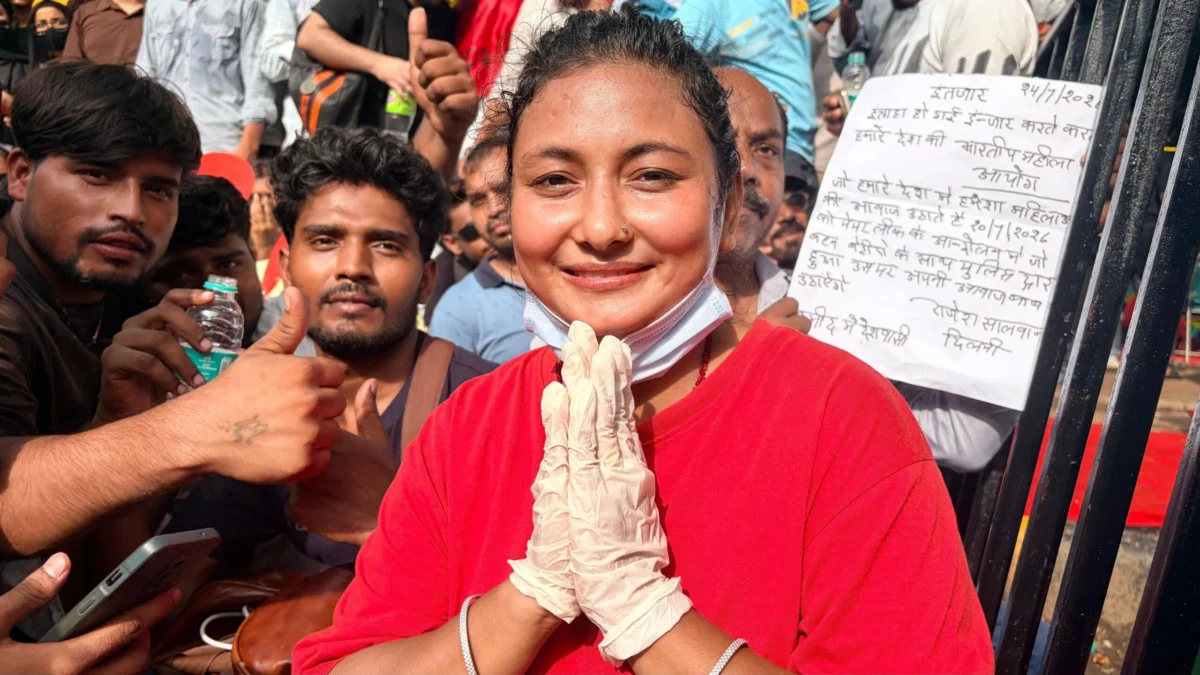
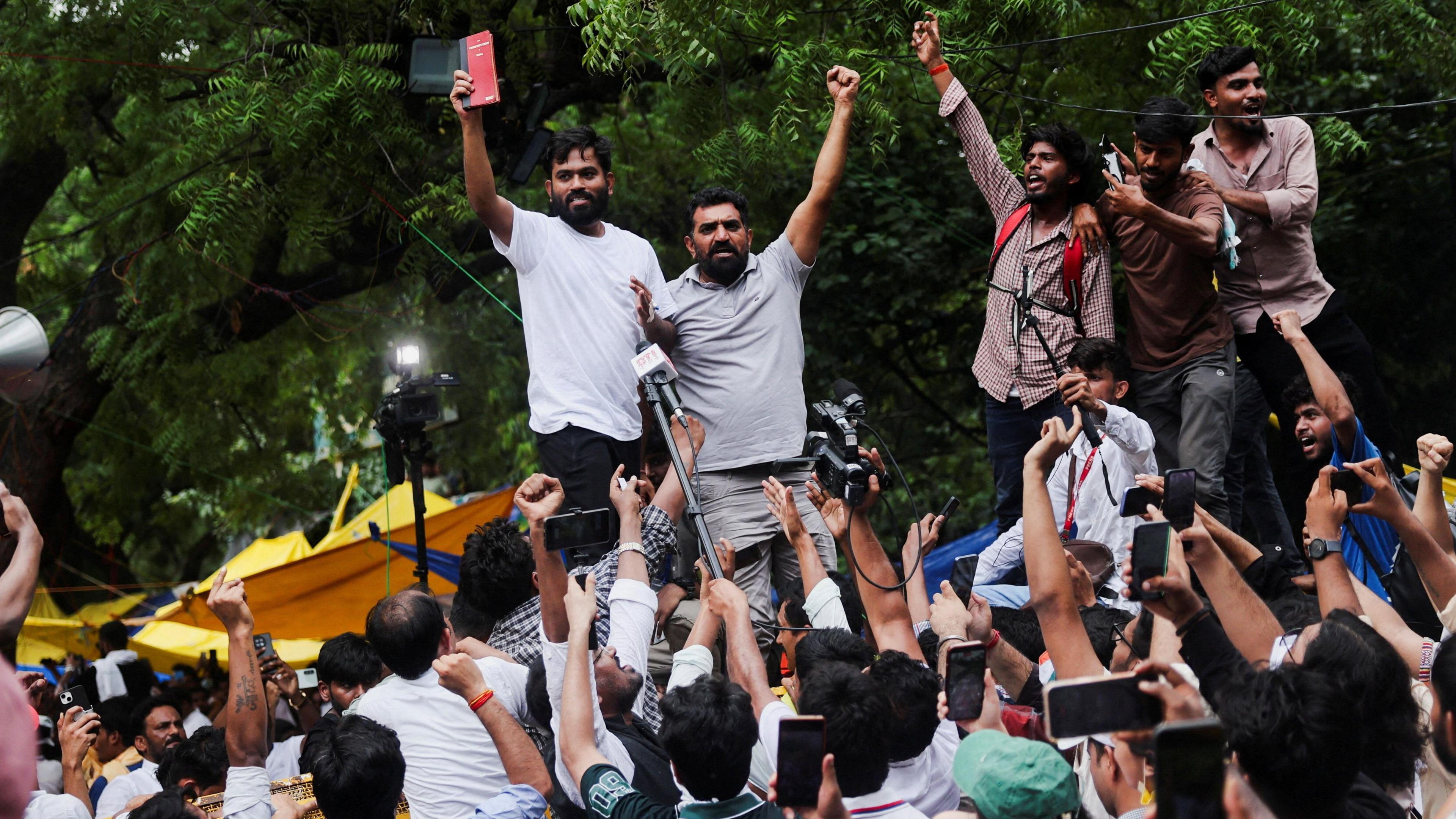
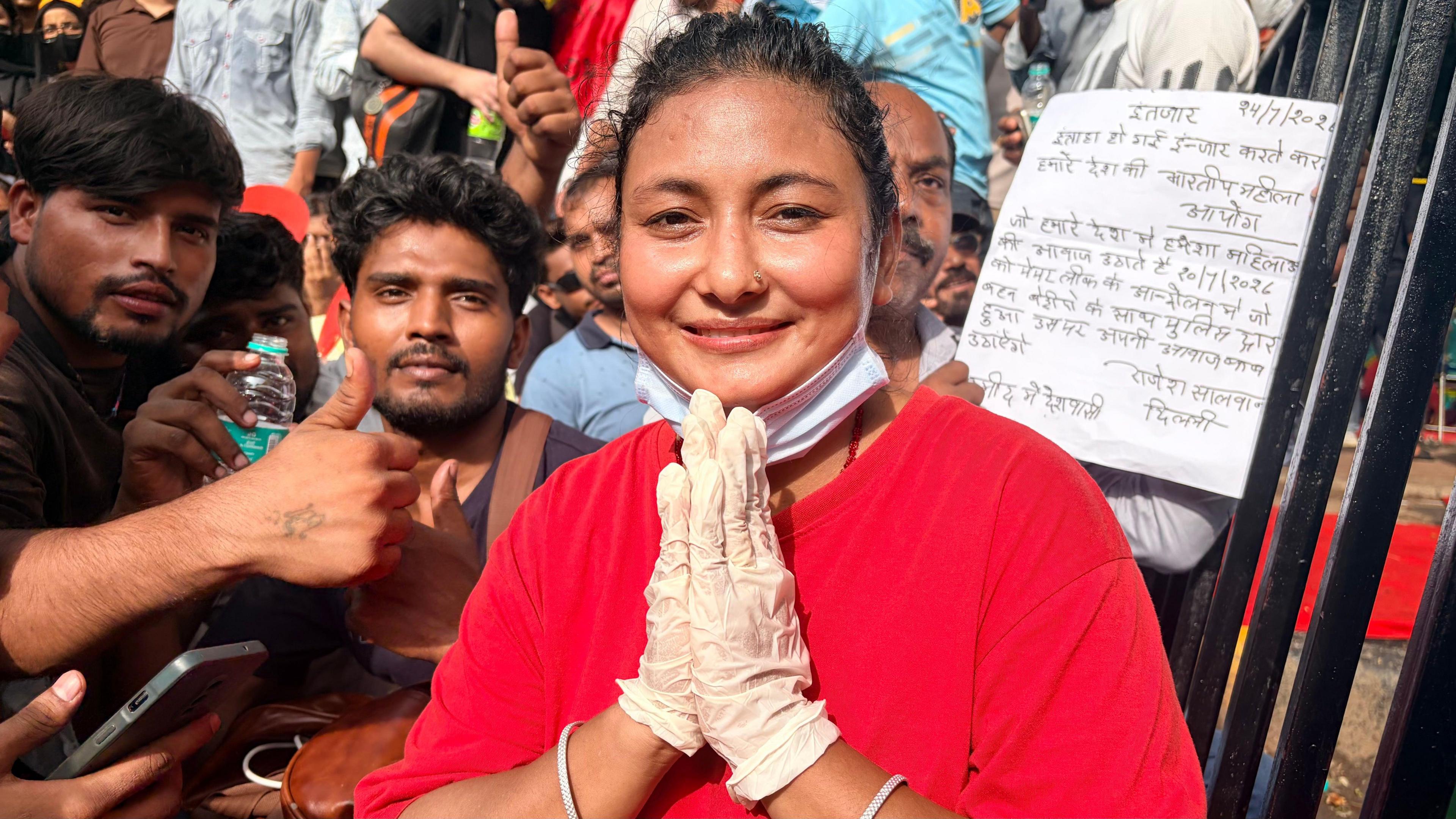
The moment news of Pradhan’s resignation broke, Jantar Mantar erupted in a cacophony of joy. Abhijeet Dipke, visibly emotional, screamed "We have done it!" from the makeshift stage. A thunderous cheer enveloped the venue as thousands of protesters burst into song, dance, and jubilant slogans, distributing sweets in celebration.
Even hours after the CJP leadership officially announced the conclusion of their protest and departed the site, significant crowds remained, soaking in the atmosphere of triumph. Many interviewed by the BBC expressed that they had waited weeks for this moment and were in no mood to leave without fully celebrating their collective achievement. The protest site transformed into a spontaneous party, with volunteers managing the ecstatic crowds. A substantial police presence remained, but officers indicated they would only intervene if laws were breached, allowing the celebrations to continue.
Political Repercussions and Modi’s Challenged Aura
Pradhan’s resignation is more than just a personnel change; it represents a significant political setback for Prime Minister Narendra Modi and his government. Since assuming power in 2014, Modi has cultivated an image of invincibility, and his administration has been widely perceived as intolerant of dissent, often responding with firm crackdowns on protests. This makes Pradhan’s resignation, forced by public pressure, a particularly notable event in Indian politics.
Opposition leaders swiftly welcomed the resignation, unanimously hailing it as a victory for the youth-led movement. The Congress party, Aam Aadmi Party, and others emphasized that the government was compelled to listen to the voice of the people, particularly the frustrated youth. This narrative serves to undermine the ruling party’s authority and bolster the opposition’s claims of democratic backsliding.
While the immediate demand was for the Education Minister’s departure, the protests clearly dealt a severe blow to the Prime Minister’s personal brand. The proliferation of memes and satirical posts mocking Modi’s attempts to quell anger with late-night video messages further illustrated the erosion of his perceived impregnability.
This is not the first time Modi’s government has faced large-scale protests and been forced into a policy reversal. In 2021, after a year-long, tenacious agitation by farmers, the government controversially repealed three contentious agriculture laws. This precedent suggests that sustained, organized public pressure, even against a powerful government, can still achieve significant concessions in India’s vibrant democracy.
The Youth Voice: A Shifting Political Landscape
The students’ protest resonated powerfully with a broad segment of middle-class India, cutting across traditional divides of religion, caste, and professional sectors. The anger stemmed not just from immediate concerns about exam leaks but also from deeper anxieties about the broader lack of educational opportunities and adequate employment avenues in a rapidly growing, yet economically challenged, nation. India boasts one of the world’s largest youth populations, and their collective frustration over job scarcity and systemic inequities poses a formidable challenge to any ruling dispensation.
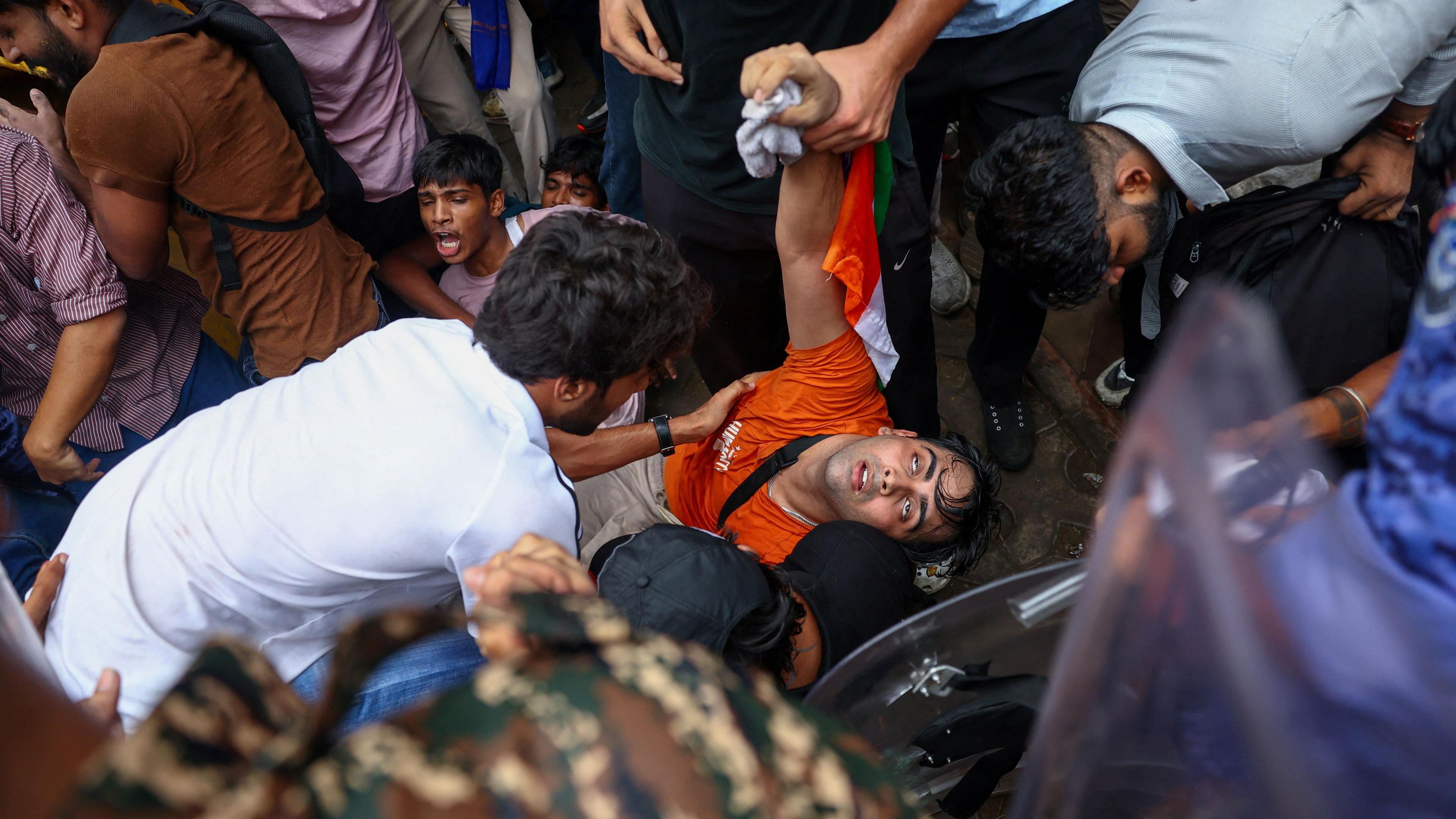
The brutal police crackdown on Monday, where young men and women were beaten with batons and tear gas canisters were fired, proved to be a critical turning point. The images of injured students, including those requiring hospitalization (estimated at around 300, with police also reporting injuries to security personnel), shocked many, transforming a localized protest into a national cause. This incident highlighted the state’s readiness to use force against its own citizens and galvanized further public support for the CJP’s cause.
Looking Ahead: CJP’s Continued Demands
Following Pradhan’s resignation and the successful conclusion of the five-week protest, CJP founder Abhijeet Dipke issued a statement on X, making it clear that the fight was far from over. He emphasized that the CJP would continue to advocate for several outstanding demands:
- Compensation for Student Suicides: The CJP will press for compensation for the families of students who tragically died by suicide following the cancellation of a key medical exam, highlighting the severe mental health toll of educational uncertainty.
- Accountability for Police Brutality: Dipke renewed his calls for action against police officers accused of using excessive force against CJP supporters during the July 20 march to Parliament, seeking justice for those injured.
Concluding his statement with a defiant rallying cry, Dipke asserted, "Remember, do not mess with [the] cockroach." This powerful message underscores the CJP’s continued commitment to holding power accountable and its belief in the enduring strength of collective action.
The resignation of Dharmendra Pradhan marks a significant chapter in India’s political landscape. It not only signifies a victory for the burgeoning power of youth activism and online mobilization but also serves as a stark reminder to the government of the potent force of an engaged and unified citizenry. The ‘Cockroach Janta Party,’ initially a satirical response to a judicial slight, has etched its place in history as a testament to how creative dissent can challenge established power structures and effect real change in the world’s largest democracy. The broader implications for governance, accountability, and the political future of India remain to be fully seen, but one thing is clear: the voice of the youth, once dismissed, now resonates louder than ever.