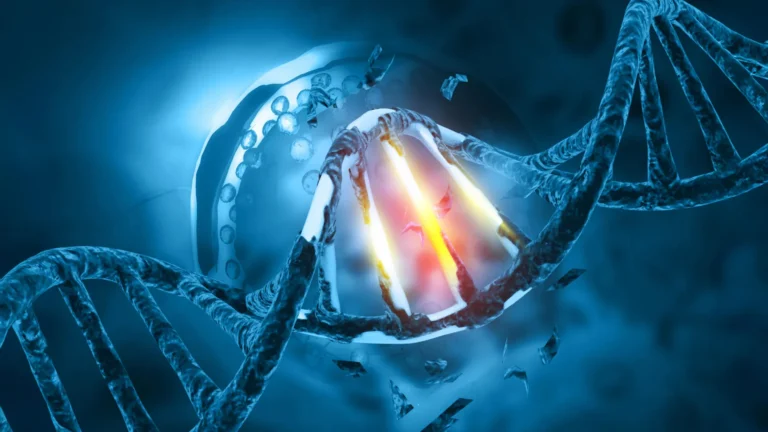


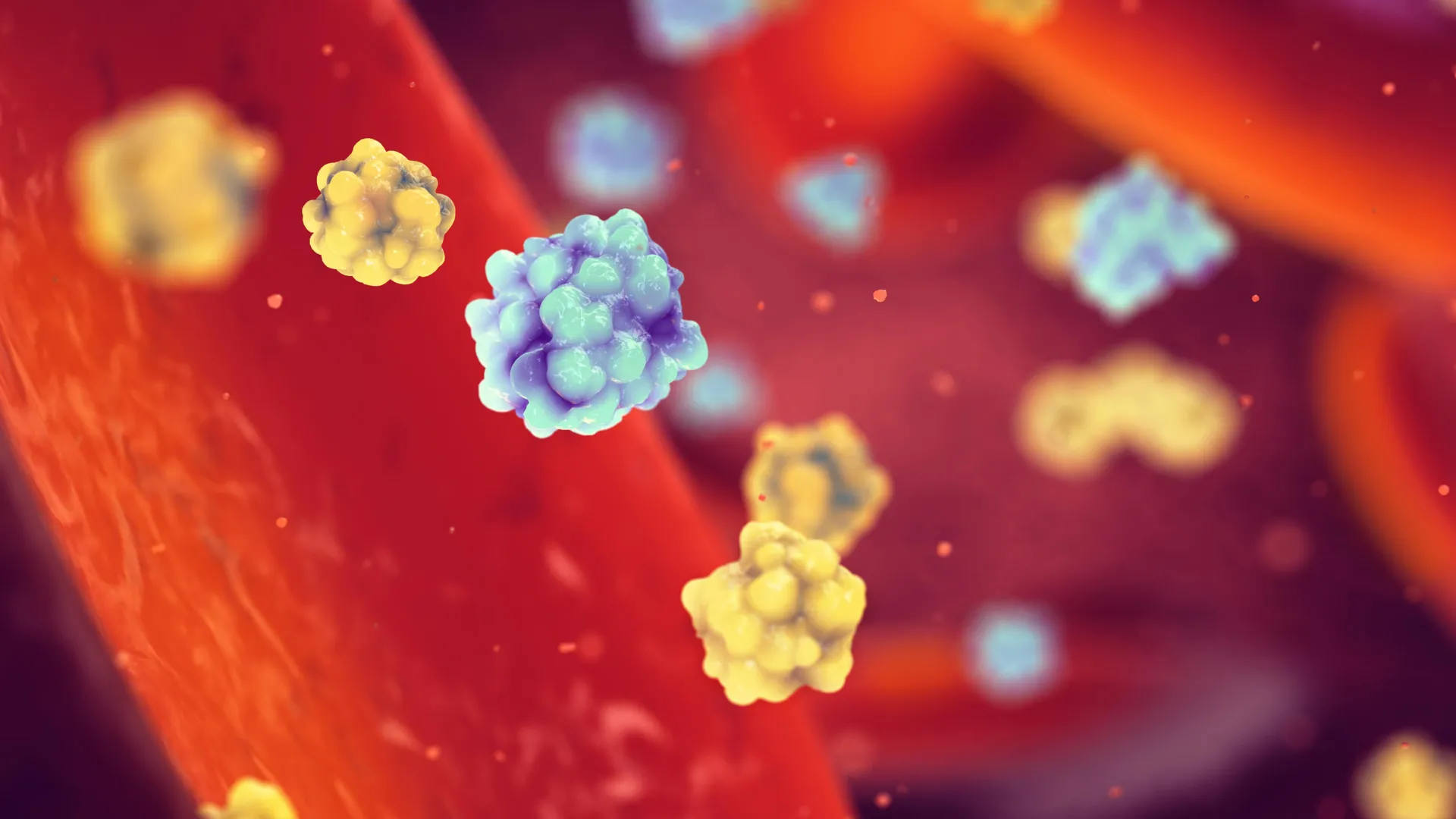
Much like paper must be folded into the correct shape to create an origami sculpture, proteins inside cells must form precise three-dimensional structures before they can function properly. This fundamental biological process, known as protein folding, is essential for virtually all cellular activities. However, when this delicate mechanism falters, particularly within the insulin-producing beta cells of the pancreas, it can precipitate a cascade of events leading to the devastating metabolic disorder known as diabetes. Researchers have now illuminated critical aspects of this process, revealing new insights into why these vital cells become overwhelmed and offering potential avenues for novel therapeutic interventions.
The Escalating Crisis of Prediabetes and Diabetes: A Cellular Perspective
As prediabetes advances toward type 2 diabetes, the finely tuned cellular machinery responsible for protein folding begins to break down. This disruption leads to the accumulation of misfolded and defective proteins within cells, creating a state of cellular stress. This persistent stress can ultimately damage the pancreatic beta cells, the sole producers of insulin, compromising their ability to regulate blood glucose levels effectively.
A groundbreaking study, published on June 1, 2026, in the prestigious journal Proceedings of the National Academy of Sciences, by a collaborative team from the Sanford Burnham Prebys Medical Discovery Institute and the University of Michigan, has shed new light on this critical cellular process. The findings delve into how insulin-producing cells meticulously coordinate protein folding and, crucially, what transpires when this intricate system is thrown out of balance. This research not only deepens our understanding of diabetes pathogenesis but also suggests that reinforcing the cellular machinery responsible for protein folding could serve as a powerful strategy to protect these indispensable cells from damage.
The Overburdened Beta Cell: Why Insulin Production Falters
Pancreatic beta cells are the linchpins of glucose homeostasis, constantly monitoring blood sugar levels. In response to elevated glucose, they dutifully ramp up insulin production, a vital hormone that facilitates glucose uptake by tissues, thereby returning blood sugar to a healthy range. This dynamic responsiveness is essential for maintaining metabolic equilibrium.
However, as diabetes progresses, the demands placed upon beta cells become unsustainable. They find themselves increasingly struggling to meet the body’s escalating need for insulin. This decline in beta cell function has long been a central enigma in diabetes research.
Previous investigations had already established a strong correlation between the progression of diabetes and the misfolding of proinsulin, the inactive precursor protein that beta cells process into mature insulin. It was known that improperly folded proinsulin accumulates within beta cells during the diabetic state, imposing significant stress and contributing to cellular dysfunction. Yet, a critical piece of the puzzle remained elusive: which additional proteins played a role in controlling this process, and how did they orchestrate their efforts to maintain cellular integrity?
Unveiling the Protein Folding Network: The Role of Chaperones and Cochaperones
"We were aware that the intricate system designed to prevent proinsulin misfolding relied heavily on a key chaperone protein, known as binding immunoglobulin protein (BiP), and a cohort of associated cochaperone proteins," stated Randal J. Kaufman, PhD, a distinguished professor in the Center for Metabolic and Liver Diseases at Sanford Burnham Prebys and the senior and corresponding author of the study. Chaperone proteins are essential cellular workers that assist other proteins in achieving their correct three-dimensional structures, preventing aggregation and misfolding.
"Our primary objective was to meticulously examine the cooperative mechanisms by which these partner proteins coordinate the precise folding of proinsulin and efficiently clear away any misfolded errors," Dr. Kaufman elaborated. "These steps are absolutely fundamental to preserving the health and functionality of insulin-producing cells, which are the very foundation of effective glucose regulation."
A Molecular Beacon: Tracking BiP’s Crucial Role in Beta Cells
To unravel the complex interactions involving BiP, the research team employed a sophisticated genetic engineering approach in mice. They modified the beta cells of these animals to express BiP with an appended peptide chain, a molecular tag known as a 3xFLAG-tag. This tag, comprising three copies of an eight-amino-acid sequence, served as a highly sensitive molecular beacon. Its presence allowed scientists to more readily detect and isolate BiP during their experimental analyses, providing unprecedented visibility into its cellular localization and interactions.
The initial findings from these experiments pointed unequivocally to a particularly pivotal role for p58IPK, identified as one of BiP’s critical cochaperone proteins.
The Indispensable Partnership: p58IPK and BiP in Proinsulin Folding
When researchers experimentally removed p58IPK from two distinct cell lines known for their insulin-producing capacity, they observed a marked increase in the accumulation of misfolded proinsulin. This phenomenon was further corroborated by studies conducted in mice engineered to be deficient in p58IPK production. These genetically modified mice exhibited a similar pattern, with their beta cells producing significantly reduced quantities of both proinsulin and, consequently, mature insulin. This demonstrated a direct link between the presence of p58IPK and efficient insulin synthesis.
The research team then proceeded to investigate the impact of reintroducing p58IPK into one of the modified cell lines that had been rendered deficient. The results were striking: the restoration of p58IPK significantly improved the cells’ capacity to correctly fold proinsulin and facilitate its transport through cellular pathways. Crucially, this restoration also led to a substantial reduction in the buildup of improperly folded proinsulin molecules.
However, the study also revealed a critical caveat: p58IPK, while vital, could not independently substitute for BiP’s central and indispensable role in the folding process. The observed improvements in proinsulin folding and transport were contingent upon the concurrent presence of BiP.
Further experiments explored whether augmenting BiP levels could compensate for the absence of p58IPK. When cells were engineered to produce excess BiP but lacked p58IPK, they showed only modest improvements in proinsulin folding and its subsequent cellular exit. In contrast, when both proteins were present at their normal, physiological levels, the improvements in proinsulin processing were substantially more pronounced.
"It became evident that, much like a single tennis player attempting to compete in a doubles match, BiP simply cannot shoulder the entire burden of maintaining the proper folding of proinsulin on its own," explained Insook Jang, PhD, a dedicated staff scientist in the Kaufman lab and the lead author of the manuscript. "This underscores the necessity of a collaborative effort between BiP and its partner proteins to ensure cellular health."
Beyond BiP and p58IPK, the investigators also identified a suite of additional partner proteins involved in the intricate processes of folding, transporting, and managing misfolded versions of proinsulin. While these findings represent a significant leap forward, the researchers acknowledge that further in-depth investigations are required to precisely elucidate how these newly identified proteins influence insulin production and the broader trajectory of diabetes progression.
"Our studies compellingly highlight that the critical process of proinsulin folding is susceptible to many of the same cellular stresses that ultimately lead to beta cell failure in type 2 diabetes," Dr. Kaufman emphasized. This observation provides a unifying mechanistic link between various cellular stressors and the onset of diabetes.
A New Horizon for Diabetes Treatment: Targeting Protein Folding Pathways
The current landscape of diabetes management primarily focuses on strategies that either enhance glucose uptake by peripheral tissues or stimulate the pancreas to release more insulin. While effective in managing blood glucose levels, these approaches do not directly address the underlying protein-folding defects that may contribute to the progressive demise of beta cells.
Significantly, there are currently no approved therapies specifically designed to improve proinsulin folding with the explicit goal of preserving the health and long-term function of beta cells. This represents a substantial unmet need in the clinical management of diabetes.
The findings from the Sanford Burnham Prebys and University of Michigan study open a promising new avenue for therapeutic development. "If we can successfully decipher the mechanisms by which to influence the coordinated activity of BiP, acting as a key regulator of proinsulin folding, we may unlock a promising treatment strategy," Dr. Kaufman posited. Such a strategy could potentially intervene early in the disease process to prevent or significantly mitigate the damage inflicted upon insulin-producing cells.
The implications of this research extend beyond type 2 diabetes, as protein misfolding is implicated in a wide array of neurodegenerative diseases and other chronic conditions. Understanding these fundamental cellular processes offers a broader perspective on cellular health and disease.
The study was made possible through the dedicated efforts of additional researchers, including Alec Duffey and Pamela Itkin-Ansari at Sanford Burnham Prebys, and Peter Arvan at the University of Michigan. Funding for this vital research was generously provided by the National Institutes of Health, specifically through grants from the National Institute of Diabetes and Digestive and Kidney Diseases, the National Cancer Institute, and Breakthrough T1D (formerly known as JDRF), underscoring the broad scientific and philanthropic commitment to unraveling the complexities of diabetes.
Broader Impact and Future Directions
The identification of specific protein partnerships, such as that between BiP and p58IPK, in regulating proinsulin folding offers concrete targets for future therapeutic development. The ability to modulate these interactions could lead to interventions that enhance beta cell resilience and function, potentially delaying or even preventing the onset of diabetes in at-risk individuals.
The research also underscores the interconnectedness of cellular processes. The failure of protein folding is not an isolated event but rather a symptom of broader cellular stress that can be triggered by various factors, including metabolic overload, inflammation, and genetic predispositions. A holistic approach to understanding and treating diabetes, one that considers these interconnected pathways, is likely to yield the most significant advancements.
Looking ahead, researchers plan to investigate the precise molecular mechanisms by which p58IPK interacts with BiP and proinsulin. They also aim to explore whether similar protein folding regulatory pathways are involved in other cell types and diseases characterized by protein misfolding. This foundational work sets the stage for a new era of diabetes research, one that moves beyond symptom management to address the root causes of beta cell dysfunction. The potential to protect and preserve these vital cells offers a beacon of hope for millions affected by diabetes worldwide.