


A groundbreaking clinical trial conducted by researchers at the University of Nottingham has revealed that a daily supplement of inulin, a common prebiotic fiber, may offer a significant and accessible avenue for managing knee osteoarthritis (OA). The study, published in the esteemed journal Nutrients, found that participants who incorporated inulin into their daily routines experienced notable reductions in pain, enhanced physical function, and improved pain sensitivity, alongside a remarkable decrease in study dropouts compared to those undertaking a digital physiotherapy program. This research opens a compelling new perspective on addressing a debilitating condition that affects hundreds of millions globally, suggesting that a simple dietary adjustment could yield substantial health benefits.
Unveiling a Novel Approach to Osteoarthritis Management
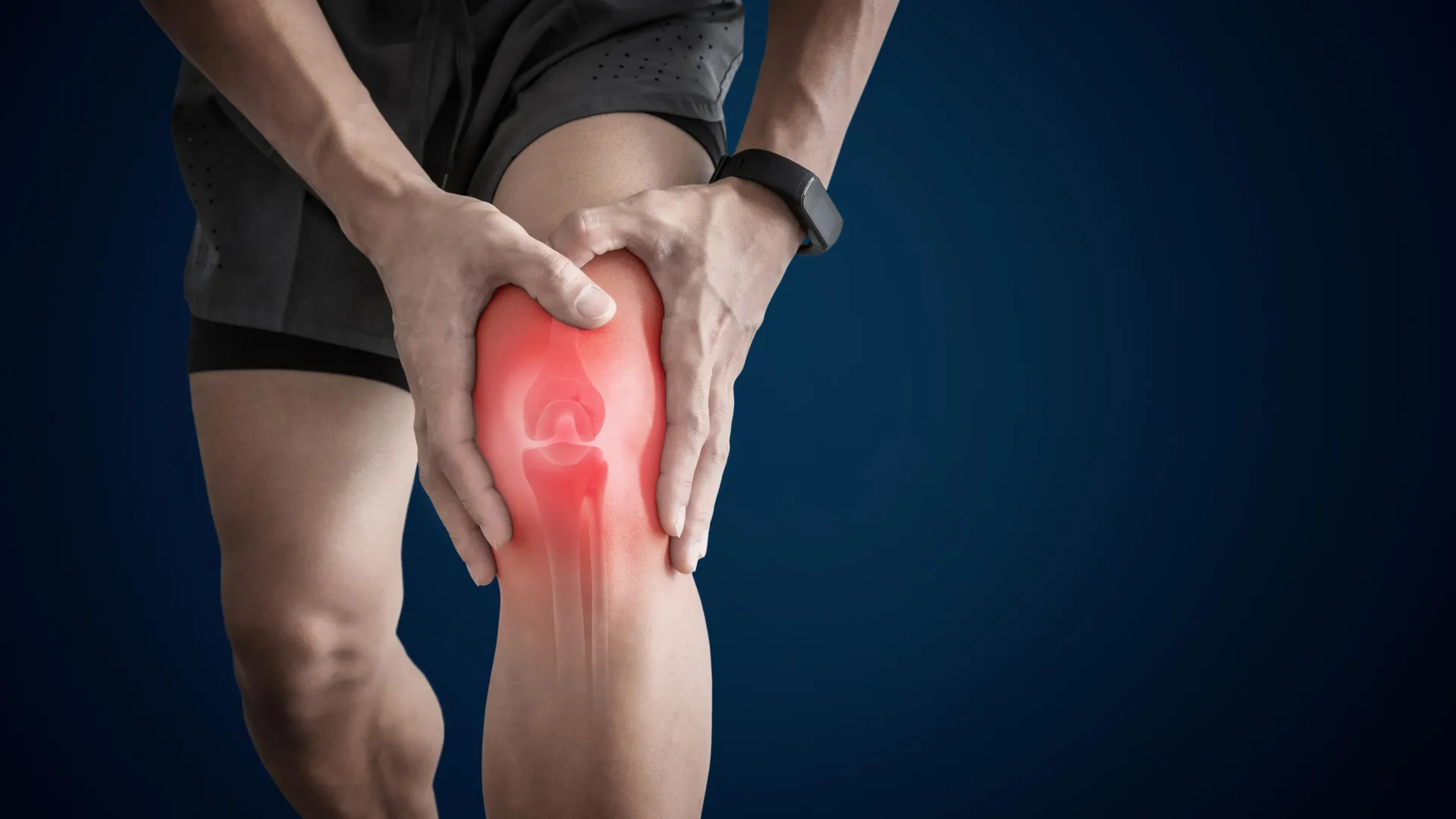
Knee osteoarthritis represents a pervasive and increasingly widespread cause of chronic pain and disability, particularly impacting the aging population. The condition, characterized by the breakdown of cartilage in the knee joint, leads to inflammation, stiffness, and pain, significantly diminishing an individual’s quality of life and independence. Traditional management strategies often revolve around pain medications, which can carry the burden of adverse side effects, and exercise-based physiotherapy programs. While effective for many, adherence to these exercise regimens can prove challenging for a substantial number of patients over the long term, leading to a considerable dropout rate in clinical studies and real-world applications.
The INSPIRE clinical trial, a six-week randomized controlled investigation, sought to explore an alternative and potentially more sustainable intervention. Led by Dr. Afroditi Kouraki from the University of Nottingham’s School of Medicine, the study specifically examined the effects of inulin, a natural dietary fiber derived from sources such as chicory root and Jerusalem artichokes. The findings suggest a paradigm shift in how knee OA might be approached, moving beyond solely focusing on the joint itself to considering the intricate role of the gut microbiome in systemic health and pain perception.
The Gut-Brain-Pain Axis: How Prebiotic Fiber Works
The human gut microbiome, a complex ecosystem of trillions of microorganisms, is increasingly recognized for its profound influence on various physiological processes, including immune function, metabolism, and importantly, the perception of pain. Prebiotics, like inulin, act as selective food sources for beneficial gut bacteria, stimulating their growth and activity. When these beneficial bacteria metabolize inulin, they produce short-chain fatty acids (SCFAs), a group of compounds with significant health implications.
Among the most critical SCFAs is butyrate, a potent anti-inflammatory agent that plays a crucial role in maintaining the integrity of the gut lining and can influence pain pathways throughout the body. The INSPIRE trial observed that participants who consumed inulin exhibited elevated levels of both butyrate and glucagon-like peptide-1 (GLP-1). GLP-1 is a gut hormone with multifaceted roles, including the regulation of blood sugar, appetite, and notably, pain modulation. Furthermore, the study identified a compelling correlation between higher GLP-1 levels and improved grip strength, hinting at a potential gut-muscle-pain axis that warrants further in-depth investigation. This connection suggests that nurturing gut health through prebiotic intake might not only alleviate pain but also contribute to better muscle function and overall physical resilience.
Trial Design and Key Findings: A Comparative Analysis
The INSPIRE trial enrolled 117 adults diagnosed with knee osteoarthritis and employed a rigorous randomized controlled design. Participants were allocated to one of four treatment groups: inulin supplementation alone, digital physiotherapy-supported exercise (PSE) alone, a combination of inulin and PSE, or a placebo. The trial’s six-week duration allowed for a comprehensive assessment of the immediate effects of these interventions.
The results unequivocally demonstrated that both inulin and physiotherapy independently contributed to a reduction in knee pain. However, the inulin group distinguished itself by exhibiting significant improvements in grip strength and a reduced sensitivity to pain – markers that can reflect altered processing of painful signals by the nervous system. This dual benefit of pain reduction and enhanced physical capability underscores the comprehensive impact of the prebiotic intervention.
Perhaps one of the most striking outcomes of the study was the disparity in participant retention rates. The group receiving inulin experienced a remarkably low dropout rate of just 3.6%, contrasting sharply with the 21% dropout rate observed in the digital physiotherapy group. This significant difference highlights the potential for prebiotic supplementation to offer a more accessible and sustainable management strategy for individuals living with chronic pain conditions. As Dr. Kouraki noted, "The very low dropout rate compared to the exercise group is also encouraging from a public health perspective — people were able to fit this supplement easily into their daily lives." This suggests that integrating a simple dietary addition into an existing daily routine may be a far more manageable endeavor for many patients than adhering to a structured exercise program, particularly for those experiencing significant pain that can impede physical activity.
Expert Perspectives and Broader Implications
The findings of the INSPIRE trial have been met with considerable enthusiasm from the scientific and medical communities. Dr. Afroditi Kouraki, the lead author, emphasized the potential for a straightforward dietary intervention to make a tangible difference in the lives of those suffering from knee OA. "This study raises the exciting possibility that a simple dietary change — adding a fiber supplement to your breakfast or yogurt — could meaningfully reduce pain and improve physical function," she stated.
Professor Ana Valdes, a senior author on the study, underscored the intriguing link between gut health and muscle function. "The link we observed between GLP-1 and grip strength is particularly intriguing and points to a broader gut-muscle-pain axis that warrants further investigation. This could have implications not just for osteoarthritis, but for understanding how gut health influences ageing and physical resilience more broadly," she commented. This perspective broadens the scope of the research, suggesting that the benefits of modulating the gut microbiome might extend beyond OA to encompass broader aspects of healthy aging and physical robustness.
Arthritis UK, a leading charity supporting individuals with arthritis, has also acknowledged the significance of this preliminary research. Professor Lucy Donaldson, Director of Research at Arthritis UK, stated, "The pain of arthritis can severely impact quality of life. Our recent lived experience survey showed that six in ten people are living in pain most or all of the time due to their arthritis." She further elaborated on the evolving understanding of pain mechanisms, noting, "Researchers are starting to explore the role of the gut microbiome in our experience of pain. This exciting preliminary research highlights how diet and physiotherapy can act in different ways to have benefits for people with arthritis. We know a variety and balance of healthy foods, including fiber, and regular physical activity matter, and we’re glad to be supporting research that explores how they work to help people with arthritis." This endorsement from a major patient advocacy group underscores the potential real-world impact of such findings.
Future Directions and the Path Forward
The INSPIRE trial represents a crucial step in understanding the intricate relationship between gut health, pain, and physical function in knee osteoarthritis. The observed benefits of inulin, coupled with its high tolerability and ease of integration into daily life, position it as a promising adjunctive therapy or even a primary intervention for some individuals. However, researchers acknowledge the need for further investigation to fully elucidate the mechanisms at play and to explore the long-term efficacy and optimal dosage of inulin for OA management.
Future research may delve deeper into the specific bacterial species that respond to inulin and how their metabolic byproducts influence pain signaling pathways. Longitudinal studies are also essential to confirm the sustained benefits of inulin supplementation over extended periods and to compare its effectiveness against other established OA treatments. Furthermore, exploring the gut-muscle-pain axis in greater detail could unlock novel therapeutic targets for a range of age-related musculoskeletal conditions.
The findings also have significant implications for public health initiatives aimed at managing the growing burden of osteoarthritis. By offering a simple, safe, and well-tolerated intervention, prebiotic fiber supplementation could empower individuals to take a more active role in their own health management, potentially reducing reliance on medication and improving overall quality of life. The research provides a compelling rationale for further exploration of dietary interventions as a cornerstone of chronic pain management strategies, emphasizing the holistic approach that increasingly characterizes modern healthcare. The journey from laboratory discovery to widespread clinical application is often a long one, but the results of the INSPIRE trial offer a beacon of hope for millions living with the daily challenge of knee osteoarthritis.