

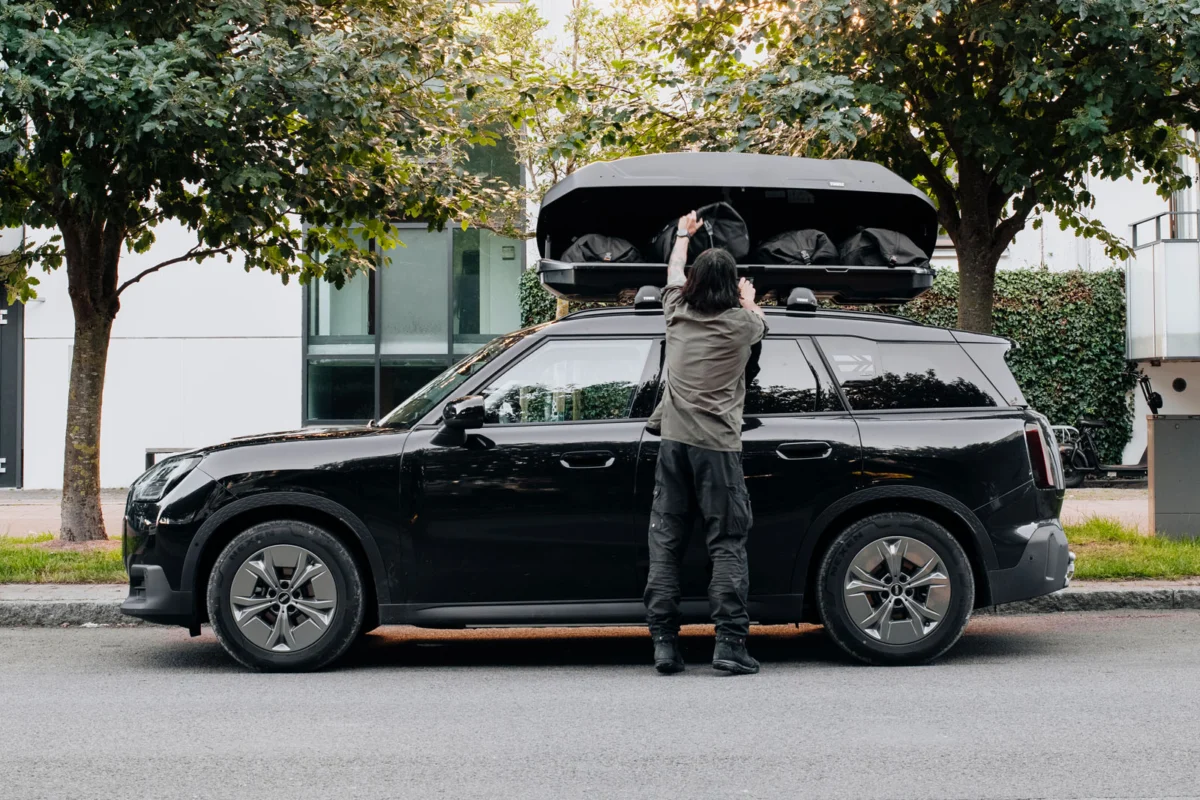
While the global automotive landscape is currently navigating a period of significant volatility, particularly within the crucial Chinese market, a parallel sector is demonstrating remarkable resilience: the premium car accessory market. As traditional European original equipment manufacturers (OEMs) grapple with cooling demand and intensifying competition from domestic Chinese electric vehicle (EV) brands, companies specializing in leisure and transport accessories, such as roof boxes and bike racks, are reporting a surge in consumer interest and financial stability. This divergence highlights a shift in consumer spending habits, where the appetite for "active lifestyle" equipment is outpacing the desire for new vehicle upgrades in several key demographics.
The Automotive Divergence: OEM Struggles vs. Accessory Success
The second-quarter financial disclosures for 2024 have begun to paint a sobering picture for the world’s leading car manufacturers. Major European brands, which have historically relied on the Chinese market for a significant portion of their global profits, are now facing what some analysts describe as a "structural crisis." Data from the first half of the year indicates a double-digit decline in sales volumes for several premium German marques in the Asia-Pacific region. The primary drivers of this downturn include a fierce price war initiated by local Chinese manufacturers and a rapid consumer pivot toward high-tech, domestically produced EVs that offer features tailored specifically to the local market.
In stark contrast, the automotive accessory market—specifically the segment focused on outdoor adventure and utility—is thriving. While the manufacturers of the vehicles themselves are forced to issue profit warnings, the manufacturers of the equipment that sits on top of those vehicles are seeing a different trajectory. For these companies, the narrative is not one of geopolitical friction or supply chain woes in the East, but rather of a robust "outdoor economy" in the West. Investors have noted that while OEM calls are dominated by discussions of Chinese market share and EV transition costs, accessory specialists are focusing on inventory normalization and the high demand for premium leisure products.
Chronology of the Shift: From Utility to Lifestyle
The evolution of the car accessory market from a niche utility sector to a lifestyle powerhouse has occurred over several distinct phases:
- The Pre-Pandemic Baseline (2015–2019): During this period, roof boxes and racks were largely viewed as utilitarian tools for winter sports or occasional family camping trips. Growth was steady, aligned with general automotive sales.
- The Pandemic Pivot (2020–2022): The COVID-19 pandemic served as a massive catalyst for the "staycation" trend. With international air travel restricted, consumers invested heavily in their own vehicles to facilitate local road trips. This led to an unprecedented spike in demand for roof boxes, bike carriers, and rooftop tents.
- The Post-Pandemic Normalization (2023): As travel reopened, the industry expected a sharp correction. While there was a slight cooling as retailers worked through excess inventory, the consumer habit of "active travel" remained.
- The 2024 Resurgence: Current data suggests that the "active lifestyle" is no longer a temporary trend but a permanent shift in consumer behavior. Despite high interest rates and inflation, the "premiumization" of the accessory market has allowed it to weather the economic storm better than the capital-intensive vehicle manufacturing sector.
Supporting Data: Analyzing the Numbers
The strength of the accessory market is evidenced by the financial performance of industry leaders like the Thule Group. In their most recent quarterly reports, the company highlighted a significant increase in net sales, driven by a recovery in the North American and European markets. While the broader automotive sector saw stagnant growth, the "Sport&Cargo" segment—which includes roof boxes—showed high single-digit growth in specific regions.
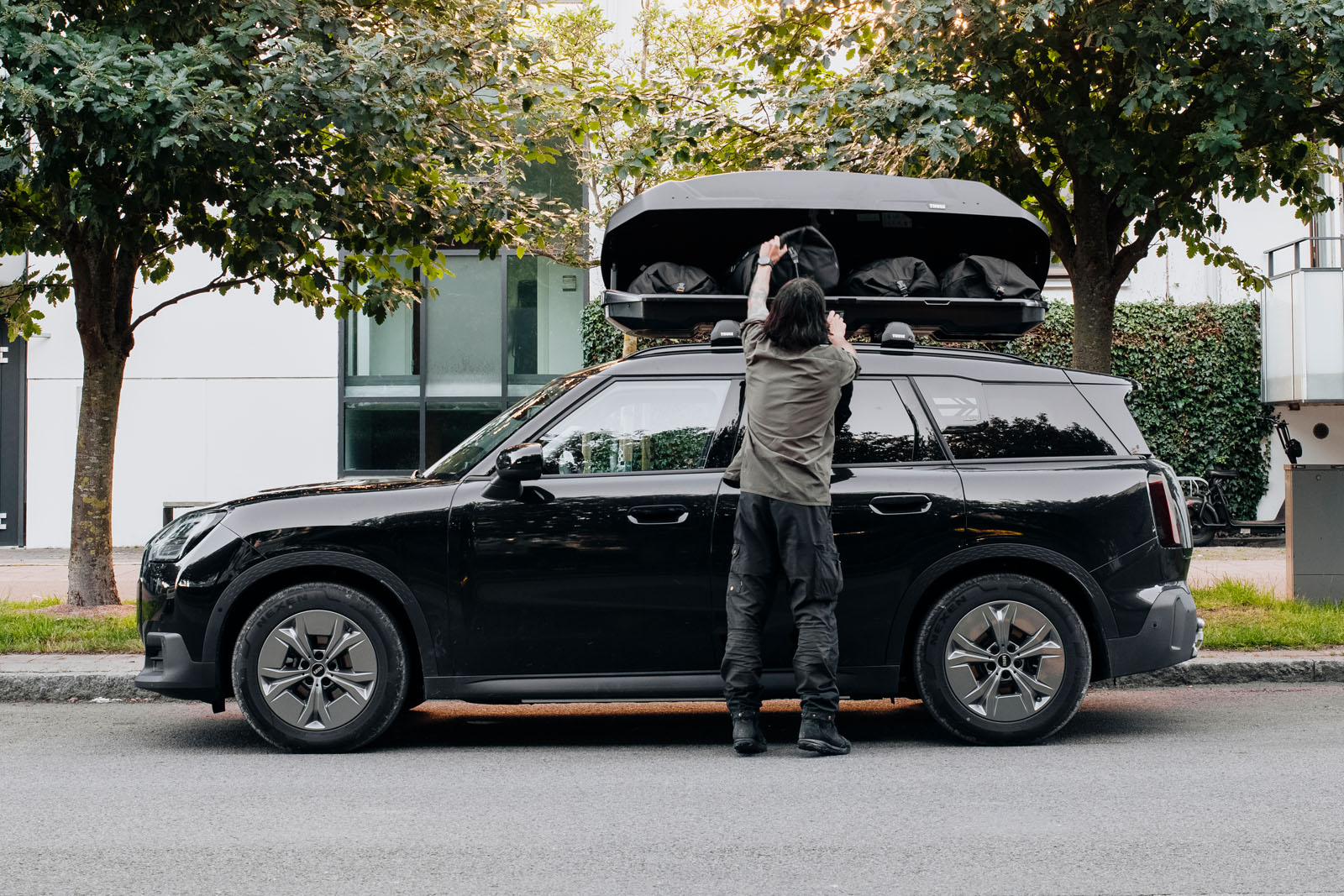
Furthermore, market research estimates suggest the global roof rack and box market was valued at approximately $1.5 billion in 2023 and is projected to grow at a compound annual growth rate (CAGR) of 6.5% through 2030. This growth is being fueled by:
- The Rise of SUVs and Crossovers: These vehicles now account for over 50% of new car sales in Europe and North America. Their design inherently encourages the addition of roof-mounted accessories.
- Increased Leisure Spending: Despite a squeeze on disposable income, consumers are prioritizing "experiences" over "goods." However, the equipment required for these experiences (hiking, biking, skiing) is seeing sustained investment.
- E-bike Adoption: The weight of electric bicycles requires specialized, heavy-duty tow-bar carriers, which command higher price points and better margins for manufacturers.
The China Factor: A Tale of Two Industries
The most striking aspect of the current market report is the absence of China as a negative variable for accessory makers. For European car makers, China is an existential challenge. Volkswagen, BMW, and Mercedes-Benz are currently seeing their dominant positions eroded by brands like BYD, Li Auto, and Xiaomi. The loss of market share in China is not just a volume issue; it is a technology and brand perception issue.
Conversely, for the major players in the car accessory market, China is not yet a make-or-break territory. Their primary revenue streams are rooted in the "adventure culture" of Europe and North America. While they are expanding into Asian markets, their lack of over-exposure to the current Chinese economic slowdown has shielded them from the volatility affecting the OEMs. During recent investor calls, executives from leading accessory firms didn’t feel the need to mention Chinese sales collapses, focusing instead on the successful launch of new product categories like dog transport solutions and premium strollers.
Official Responses and Industry Sentiment
Industry analysts suggest that the "resilience of the roof box" is a psychological indicator of the current consumer. "People may be delaying the purchase of a £60,000 new electric SUV because of economic uncertainty or rapidly changing technology," says Marcus Thorne, a senior automotive retail analyst. "However, they are willing to spend £800 on a high-quality roof box that makes their current vehicle more versatile for a summer holiday. It’s a form of ‘upcycling’ their existing car to meet new lifestyle needs."
Spokespeople from major accessory brands have echoed this sentiment, noting that their product development cycles are faster and more responsive than those of car manufacturers. They are able to introduce aerodynamic improvements and aesthetic updates that appeal to the modern consumer’s desire for both form and function.
Technological Implications: The EV Challenge
While the accessory market is currently outperforming the vehicle market, it is not without its own set of technological challenges. The transition to electric vehicles presents a unique hurdle for roof box manufacturers: aerodynamics.
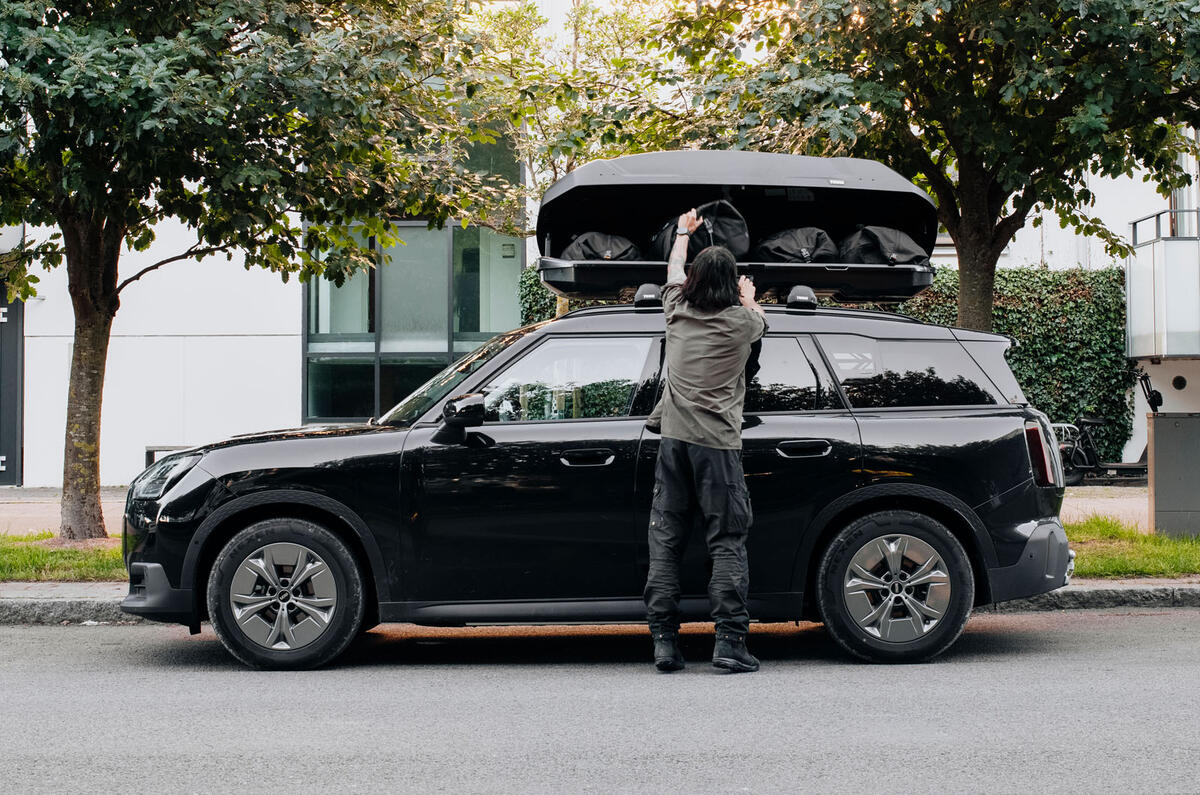
On a traditional internal combustion engine (ICE) vehicle, the fuel efficiency penalty of a roof box is often overlooked by the consumer. However, on an EV, the impact on range is immediate and measurable. This has led to a new wave of innovation:
- Rear-Mounted Cargo Solutions: Companies are increasingly pushing "hitch-mounted" boxes. These sit in the aerodynamic wake of the car, significantly reducing drag compared to roof-mounted options and preserving EV range.
- Advanced Aerodynamics: Modern roof boxes are being designed in wind tunnels with "teardrop" profiles to minimize turbulence.
- Lightweight Materials: The use of carbon fiber and advanced polymers is increasing to keep the total vehicle weight down, further protecting the range of electric cars.
Broader Impact and Future Outlook
The success of the accessory market is beginning to influence the strategies of the OEMs themselves. Seeing the high margins and brand loyalty associated with lifestyle gear, many car manufacturers are attempting to bring these services in-house. Land Rover, Jeep, and Ford (with the Bronco) have integrated accessory catalogs into the initial vehicle purchase process more aggressively than ever before.
However, independent accessory makers maintain a competitive edge through "universality." A Thule or Yakima box can be transferred from an Audi to a Volvo, providing a level of long-term value that brand-specific accessories cannot match.
As we look toward the remainder of 2024 and into 2025, the automotive industry appears to be bifurcating. On one side, the "Big Auto" players are facing a grueling transition period, characterized by high R&D costs, a difficult shift to electrification, and a loss of dominance in the world’s largest car market. On the other side, the "Leisure Auto" sector is capitalizing on a cultural shift toward the outdoors, proving that even when people aren’t buying new cars, they are still very much invested in the journeys those cars enable.
The "grim" outlook for European car makers in China serves as a cautionary tale about global market dependence. Meanwhile, the success of the roof box market serves as a reminder that in the automotive world, utility and lifestyle often trump the prestige of the badge when economic winds begin to shift. For now, the accessory market remains "on top," defying the gravity of a broader industry downturn.