

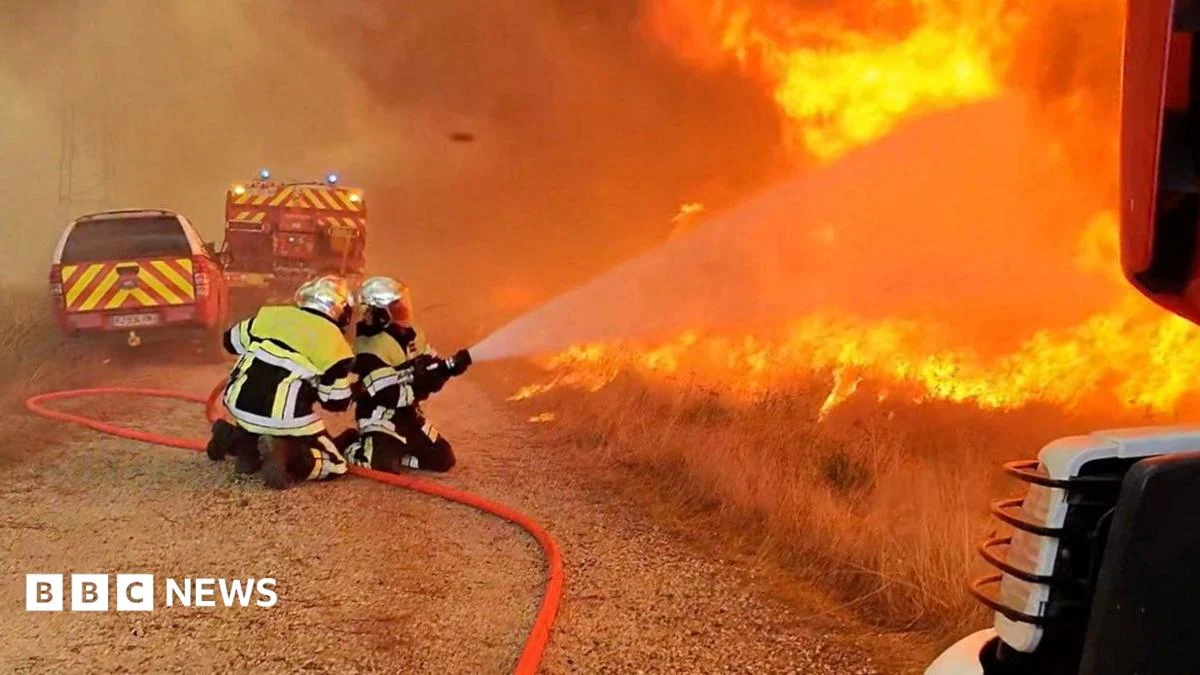
Southern Europe is once again preparing for another punishing heatwave, the fourth of the summer, with temperatures projected to soar to 40C in affected areas by Wednesday. This impending thermal surge exacerbates an already dire situation across Spain, Portugal, and France, where vast swathes of land have been ravaged by wildfires, displacing tens of thousands and pushing emergency services to their limits. The relentless cycle of extreme heat and devastating blazes has drawn sharp focus on the escalating impacts of climate change on the continent, transforming what were once considered exceptional events into a worrying new reality.
The Looming Heatwave: A Summer of Extremes
The arrival of the fourth significant heatwave underscores a summer defined by unprecedented meteorological intensity across Europe. While specific regions will feel the brunt of the 40C forecast, the broader implication is a sustained period of high temperatures that further dries out vegetation, intensifies drought conditions, and creates a volatile environment highly susceptible to fire ignition and rapid spread. This pattern follows a series of earlier heatwaves in June and July, some of which shattered temperature records across France, Spain, and the UK, and contributed to significant melting events in Alpine glaciers. The scientific consensus points towards a direct correlation between these increasingly frequent and intense heat events and anthropogenic climate change, making such forecasts a harbinger of continued environmental and societal challenges.
Spain: Battling Blazes and Beginning the Return Home
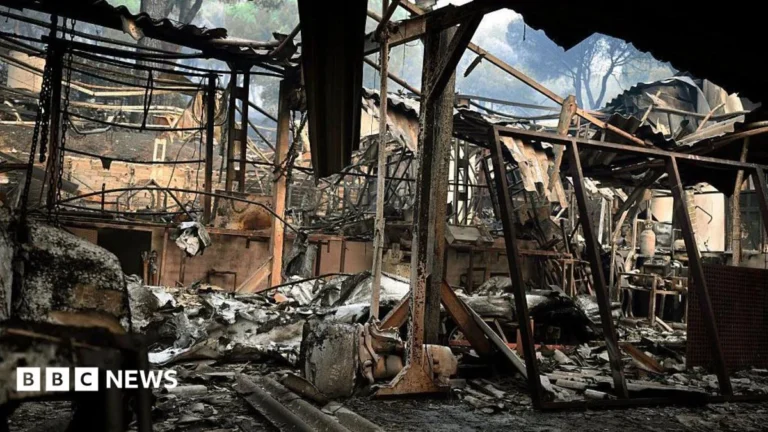
Spain has been at the epicentre of the wildfire crisis, enduring some of the most extensive destruction and mass evacuations seen in decades. Over the past week, more than 70,000 residents were forced to abandon their homes as infernos tore through rural communities and threatened urban peripheries. Provinces like Zamora, Ávila, and Guadalajara have witnessed scenes of apocalyptic devastation, with forests reduced to ash and livelihoods shattered. The sheer scale of the fires, often driven by strong winds and exacerbated by tinder-dry conditions, overwhelmed local firefighting capabilities, necessitating significant national and international assistance.
Amidst the ongoing battle, a glimmer of hope has emerged in some areas. Spanish authorities have begun to lift certain evacuation orders, allowing approximately 44,000 people to return to their homes or leave temporary confinement. This gradual return signifies a critical phase of recovery and assessment, though the emotional and material toll on these communities remains immense. The Madrid region, while not directly threatened by the most extensive fires, has experienced the secondary impacts of smoke plumes and air quality degradation. Prime Minister Pedro Sánchez acknowledged the "highly challenging hours and days ahead" but expressed cautious optimism, stating that "light was beginning to appear at the end of the tunnel." His sentiment, however, is tempered by the understanding that the long-term recovery and adaptation will be a protracted and complex process.
Portugal: The Relentless Fight in Guarda
Neighbouring Portugal has also been grappling with significant wildfires, notably in the eastern Guarda area. Here, a force of 400 firefighters has been tirelessly working to contain a large fire spread across three active fronts. The rugged terrain and dense vegetation in regions like the Serra da Estrela Natural Park present formidable challenges to fire suppression efforts, often requiring aerial support to reach inaccessible areas. Portugal has a painful history with devastating wildfires, particularly the catastrophic events of 2017, which claimed over 100 lives. This institutional memory has led to enhanced preparedness and response mechanisms, but the intensity and scale of the current fires continue to test these systems. The continuous deployment of resources and personnel highlights the immense strain on emergency services, who have been operating under extreme conditions for weeks.
France: Bordeaux Under a Pall of Smoke and Concern
Across the border in France, the Gironde region has become a focal point of the crisis, with two massive wildfires burning since mid-July. While the iconic city of Bordeaux is not currently under immediate threat of direct incineration, the psychological and environmental impacts are profound. One of the wildfires burning on Monday came perilously close, just 15 kilometres (9 miles) from the city’s periphery, casting a long shadow of apprehension over the urban area.
Commander Rémi Lassoureille, who is leading the firefighting response in the Gironde region, articulated the prevailing anxiety. "We are frightened about the impact on Bordeaux and the metropolitan area," he stated, reflecting the broader concern for the economic and cultural heart of the Nouvelle-Aquitaine region. The most immediate and tangible effect on Bordeaux has been a dramatic deterioration in air quality. A thick pall of smoke has frequently enveloped the city, carrying ash and a pervasive smell of burning wood.
Eyewitness accounts paint a vivid picture of life under these conditions. A holidaymaker from Essex described the eerie atmosphere by Sunday evening: "everything had really begun to empty out," with the air "really smoky" and bits of ash falling. "People were staying indoors, so it was eerie, and very sad." She added that the majority of residents and tourists were seen wearing masks, and the smell of smoke clung to clothes for days, a constant reminder of the nearby inferno. The appreciation for the arduous work of firefighters was also evident, with one receiving "a round of applause" as he walked through the Marché des Chartrons, a popular district where restaurants were forced to close due to the ash in the air.
Graham White, president of the Bordeaux British Community and a long-time resident, echoed these observations. "The city has been very quiet," he noted, with shops, restaurants, and cafes "fairly empty." He acknowledged the gravity of the situation, stating that this sort of event was "something significant," far beyond typical summer heat. However, he also sought to temper some more sensationalist news reports that had suggested the situation in Bordeaux was "akin to being the next Great Fire of London," clarifying that this was not the case, despite the severity.
Chronology of Escalation: A Summer of Fire and Fury
The current crisis did not emerge in a vacuum but is the culmination of a summer marked by escalating environmental challenges.
- Early Summer (June): The first significant heatwave sweeps across Europe, bringing record temperatures to parts of France, Spain, and the UK. Initial, smaller wildfires begin to appear, particularly in Portugal and Spain, often quickly suppressed.
- Mid-July: A second, more intense heatwave grips the continent. This period sees the ignition of the major wildfires in Gironde, France, near La Teste-de-Buch and Landiras, and a significant escalation of fires across Spain and Portugal. Thousands are evacuated.
- Late July: Fires continue to rage, particularly in Spain where the number of evacuees surpasses 70,000. Portugal mobilises extensive resources for fires in Guarda. Air quality in cities like Bordeaux deteriorates sharply.
- Early August (Present): While some evacuation orders are lifted in Spain, allowing returns, the threat remains high. The fourth heatwave is forecast, threatening to reignite or intensify existing blazes and create new ignition points. Emergency services remain on high alert across all affected nations.
Broader Impact and Implications: Health, Economy, and Environment
The ramifications of these successive heatwaves and wildfires extend far beyond the immediate destruction, touching upon public health, regional economies, and long-term environmental stability.
Public Health Concerns: Health Minister Stéphanie Rist in France urged people in affected areas to stay indoors, highlighting the government’s vigilance regarding air pollution. Smoke from wildfires contains particulate matter and toxic gases that can exacerbate respiratory conditions like asthma, cause eye and throat irritation, and pose significant risks to vulnerable populations, including the elderly, children, and individuals with pre-existing health issues. The need for face masks, even indoors, underscores the severity of the air quality crisis in areas like Bordeaux.
Economic Devastation: The hospitality and tourism sectors, crucial to the economies of Southern Europe, are experiencing significant disruption. Peggy Plouhinec, general director of Château Picque Caillou, one of the few wine estates on the west side of Bordeaux, recounted her business’s decision to close at the weekend due to the smoke. While her vineyards were not directly at risk, she noted that tourists had "deserted" the region. "The hospitality sector will be impacted this summer, that’s for sure," she lamented. "What is happening is unprecedented. We’re lucky that we haven’t been too affected yet, but the business will still suffer from the lower numbers of tourists." This sentiment is echoed across hotels, restaurants, and local businesses dependent on the summer influx, portending substantial financial losses for the season. The agricultural sector, including the renowned wine industry of Bordeaux, also faces threats from ash contamination, smoke taint, and long-term changes to microclimates.
Environmental Catastrophe: The ecological toll of the fires is immense. Vast tracts of forests, including ancient pine forests in Gironde, have been incinerated. This destruction leads to significant biodiversity loss, soil erosion, and the release of vast amounts of carbon dioxide, contributing further to global warming in a dangerous feedback loop. The Cap Ferret resident’s poignant observation, "Everyone talks about saving Bordeaux, but in Bordeaux there’s nothing but concrete. Have you ever seen concrete burn? Here, there are only trees… and when you see all that has burned, it’s a catastrophe," encapsulates the profound sense of loss for natural ecosystems. These fires not only destroy existing habitats but also alter landscapes, making them more vulnerable to future fires and desertification.
Official Responses and Preparedness: A Continent on Alert
European governments and the European Union have mobilised substantial resources to combat the crisis. The EU Civil Protection Mechanism has been activated, facilitating the deployment of firefighters, aerial assets, and expert teams from member states to assist those most affected. Copernicus, the EU’s Earth observation programme, provides crucial satellite data for monitoring fire spread and assessing damage, aiding in strategic response planning. However, the sheer scale and synchronicity of the fires across multiple nations test the limits of even well-coordinated international efforts. The discussions within national parliaments and at the EU level are increasingly focused on not just reactive firefighting but also proactive prevention strategies, including forest management, early warning systems, and long-term climate adaptation plans.
The "New Normal": Adapting to a Warming World
The recurring pattern of intense heatwaves and devastating wildfires is increasingly being referred to as the "new normal" for Southern Europe, and indeed, for many parts of the globe. Scientists from the Intergovernmental Panel on Climate Change (IPCC) have consistently warned that such extreme weather events will become more frequent and severe with ongoing global warming. This reality necessitates a dual approach: robust immediate response mechanisms to tackle current crises, and comprehensive long-term strategies for climate change mitigation and adaptation.
As the continent braces for its fourth heatwave, the urgency of this challenge has never been clearer. While Prime Minister Sánchez speaks of "light at the end of the tunnel," the path forward involves not just extinguishing the current flames but fundamentally re-evaluating how European societies live with and respond to a rapidly changing climate. The exhaustion of firefighters, the desolation of burned landscapes, and the economic anxieties of communities serve as stark reminders of the profound and multifaceted impact of this ongoing environmental crisis. The summer of 2022 will undoubtedly be remembered as a pivotal moment, forcing Europe to confront the accelerating realities of a warming world and the imperative for decisive action.