


The Vauxhall Grandland has long been positioned as a pragmatic choice within the competitive C-segment SUV market, yet recent long-term testing and track evaluations have revealed a vehicle grappling with a distinct identity crisis. While the "VXR" performance moniker has been retired in favor of the new "GSe" (Grand Sport electric) branding, the flagship Grandland AWD PHEV exhibits chassis characteristics more aligned with a dedicated sports saloon than a traditional family-oriented crossover. This unexpected rigidity raises significant questions regarding the engineering priorities of modern SUVs, where the pursuit of "sporting" dynamics often comes at the direct expense of daily usability and ride quality.
Engineering Dynamics and the Weight of Electrification
The primary factor influencing the Grandland’s uncompromising ride is its substantial curb weight. Tipping the scales at approximately 2,215kg including the driver, the plug-in hybrid (PHEV) variant is significantly heavier than its internal combustion engine (ICE) counterparts. This mass is a byproduct of the dual-motor all-wheel-drive system and the 14.2kWh lithium-ion battery pack integrated into the EMP2 platform. To manage this weight and prevent excessive body roll in corners, Vauxhall’s engineers have implemented a suspension setup that is notably stiffer than many of its rivals.
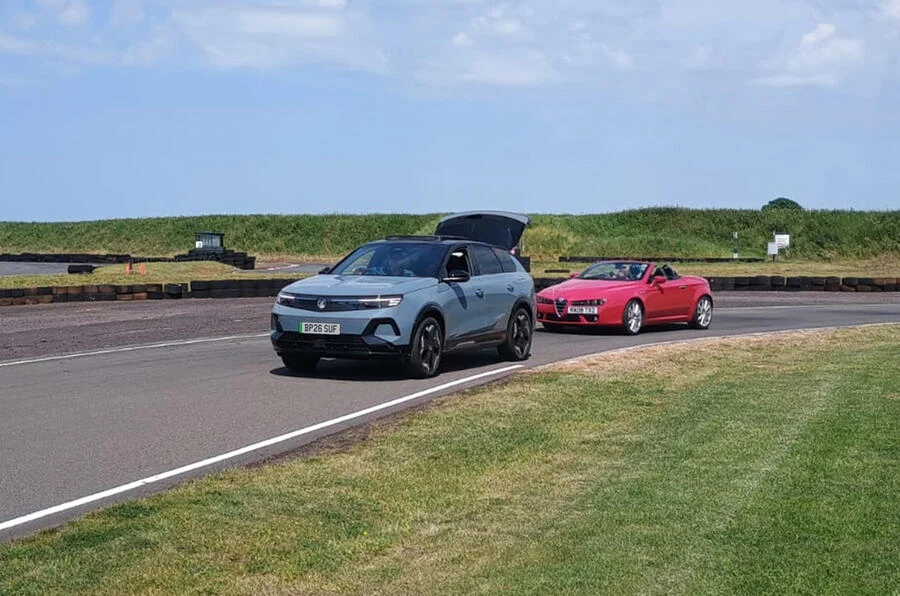
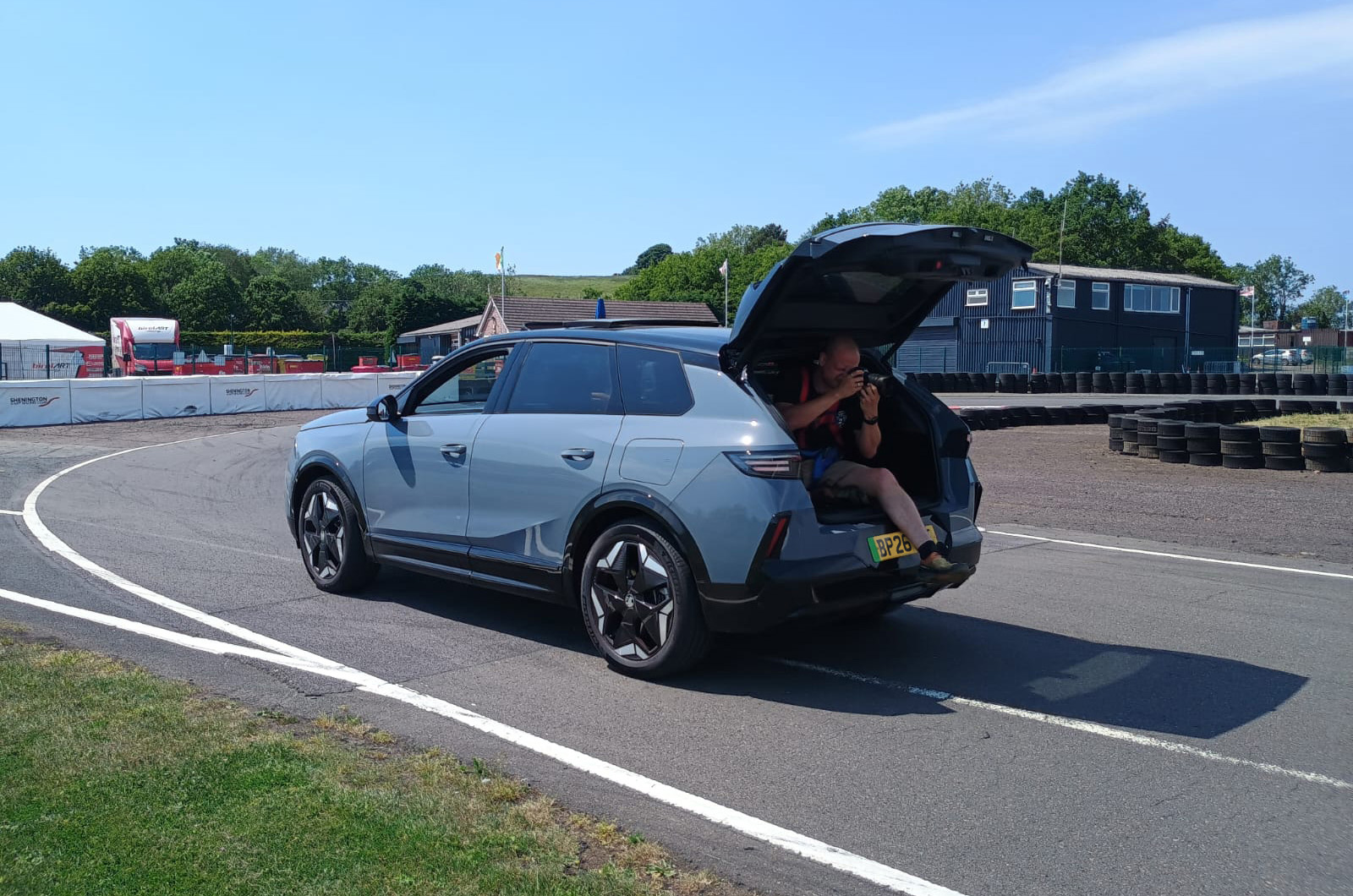
In practice, the vehicle demonstrates a level of composure and poise that is atypical for its height. During high-speed maneuvers and track-based excursions, the Grandland resists the wallowing sensation common in the SUV class. The steering, while lacking in tactile feedback and remaining somewhat over-assisted, is remarkably precise. This allows for a level of agility that belies the vehicle’s 2.2-tonne stature. However, the compromise required to achieve this stability is a suspension system that struggles to isolate the cabin from road imperfections.
Chronology of the Grandland’s Evolution
The current state of the Grandland is the result of a multi-year evolution within the Stellantis portfolio. Understanding its current tuning requires a look back at its development timeline:
- 2017: The Vauxhall Grandland X is launched as a successor to the Antara, sharing its platform with the Peugeot 3008. At this stage, the focus is primarily on comfort and family utility.
- 2019: Vauxhall introduces the Hybrid4 variant, the brand’s first plug-in hybrid SUV, introducing the 300hp all-wheel-drive powertrain and the associated weight increase.
- 2021: A major mid-cycle refresh sees the "X" suffix dropped. The vehicle receives the "Vauxhall Vizor" front-end treatment and a revamped interior featuring the "Pure Panel" digital interface.
- 2022: Vauxhall announces the GSe sub-brand, signaling a shift toward performance-oriented electrification. The Grandland GSe is introduced with specific chassis tuning, including KONI Frequency Selective Damping (FSD) technology.
- 2023-2024: Long-term testing of the flagship AWD models highlights the stark contrast between the vehicle’s "sporty" aspirations and the realities of UK road infrastructure.
Technical Data and Performance Specifications
The Grandland’s performance is anchored by a sophisticated, albeit heavy, powertrain. The flagship AWD model utilizes a 1.6-liter turbocharged four-cylinder petrol engine paired with two electric motors—one integrated into the eight-speed automatic transmission and another mounted on the rear axle.
| Specification | Data |
|---|---|
| Powertrain | 1.6L Turbo + Dual Electric Motors (PHEV) |
| Total Power Output | 296 bhp (300 PS) |
| Total Torque | 384 lb-ft (520 Nm) |
| Curb Weight (inc. driver) | 2,215 kg |
| 0-62 mph (0-100 km/h) | 6.1 seconds |
| Top Speed | 146 mph (84 mph in EV mode) |
| Wheel Size (AWD models) | 20-inch Alloys |
| Suspension Tech | KONI Frequency Selective Damping (FSD) |
The inclusion of 20-inch alloy wheels as standard on high-trim AWD models further exacerbates the ride issues. With a lower profile of rubber between the rim and the road, there is less natural cushioning, leaving the stiffened dampers to handle the entirety of the kinetic energy generated by potholes and expansion joints.
The Impact of Stellantis Brand Differentiation
A critical aspect of the Grandland’s stiff ride is the strategic positioning of Vauxhall within the Stellantis group. With brands like Peugeot, Citroën, and DS sharing the same platforms and engines, Stellantis must differentiate each through design and driving dynamics.
Citroën has been designated as the "comfort" brand, utilizing Progressive Hydraulic Cushions to provide a "magic carpet" ride. Peugeot occupies the "tech-forward" and "driver-centric" space with its i-Cockpit and balanced handling. Vauxhall, particularly in the UK and under its German sibling Opel, has increasingly leaned toward a "firm and planted" Germanic feel.
The "stiffness" observed in the Grandland is a deliberate engineering choice meant to provide a sense of "Autobahn stability." While this serves the vehicle well on smooth continental highways, it often translates to a choppy and restless experience on the degraded surfaces of British B-roads. This "Identity Crisis" stems from trying to make a tall, heavy SUV behave like a sports sedan—a feat of engineering that, while impressive in a laboratory or on a track, presents daily challenges for the average consumer.
Official Responses and Industry Context
While Vauxhall has not issued a direct rebuttal to critiques regarding the Grandland’s ride stiffness, company representatives have frequently pointed to the GSe sub-brand’s mission. The goal, according to official marketing literature, is to offer "performance with a conscience," blending electric efficiency with a more engaging chassis. The use of KONI FSD dampers was specifically intended to bridge the gap between handling and comfort, as these components are designed to change their damping characteristics based on the frequency of the road input.
Industry analysts suggest that this trend toward stiffer SUVs is a response to consumer data. "There is a perceived value in ‘sportiness’ among SUV buyers," notes automotive analyst Marcus Thorne. "Even if the customer never intends to drive their vehicle on a track, the marketing of ‘flat cornering’ and ‘precise steering’ sells cars. The trade-off is that we are seeing a generation of family cars that are arguably over-sprung for their primary purpose."
Broader Implications for the SUV Market
The Grandland’s uncompromising setup reflects a broader shift in the automotive industry. As manufacturers transition to electric and plug-in hybrid powertrains, they are forced to deal with significantly higher vehicle masses. To maintain safety standards and prevent rollover risks in high-center-of-gravity vehicles, stiffer suspension is often a necessity rather than a choice.
Furthermore, the disappearance of the VXR badge in favor of GSe highlights the rebranding of "performance." In the internal combustion era, performance was defined by engine note and raw acceleration. In the electric era, it is being redefined through chassis control and torque vectoring. However, the Grandland serves as a case study in the limits of this approach. When an SUV "thinks it’s a sports car," it risks alienating the core demographic that prioritizes the "Utility" in Sport Utility Vehicle.
For the Vauxhall Grandland, the result is a vehicle that excels in specific, high-load scenarios—demonstrating surprising poise and agility—but requires the driver to accept a level of physical feedback from the road that may be unwelcome in a family car. As Vauxhall moves toward becoming a fully electric brand by 2028, the lessons learned from the Grandland’s stiff chassis will likely inform the development of the next generation of EVs, where the balance between battery-induced weight and passenger comfort remains the most significant engineering hurdle.
Conclusion
The Vauxhall Grandland AWD stands as a testament to modern engineering’s ability to defy physics, managing a 2.2-tonne mass with the composure of a much lighter vehicle. Yet, the absence of the VXR badge does not mean the absence of a performance-oriented trade-off. By prioritizing stiffness and roll-resistance, Vauxhall has created an SUV that is surprisingly capable on a track but perhaps too focused for the daily commute. For prospective buyers, the choice remains between the allure of "sporting" dynamics and the traditional requirement for SUV-level comfort—a tension that the Grandland embodies more than almost any other vehicle in its class.