


The travel industry stands at a pivotal juncture as the integration of artificial intelligence, shifting geopolitical landscapes, and evolving consumer behaviors converge to redefine the global tourism economy. This September, the Skift Global Forum in New York City will serve as the primary stage for these critical discussions, offering a comprehensive program designed to address what organizers term "Travel’s Great Recalibration." Far from being a traditional three-day conference, the event has been structured as a multi-phased professional development and business cycle that begins two weeks prior to the opening remarks and extends through the end of the fiscal year. By utilizing a six-window engagement model, attendees are positioned to move beyond passive observation, transforming insights into actionable corporate strategies and long-term partnerships.
The Strategic Context of Travel’s Great Recalibration
The theme of this year’s forum, "Travel’s Great Recalibration," reflects a broader industry sentiment that the post-pandemic "revenge travel" phase has concluded, giving way to a more complex operational environment. Industry data suggests that while global tourism spending is projected to reach record highs in the coming year, the cost of customer acquisition is rising alongside the rapid deployment of generative AI. According to recent sector research, nearly 60% of travel executives are currently prioritizing AI-driven personalization, yet a significant gap remains in determining who "owns" the customer relationship when an autonomous AI agent facilitates a booking.

The forum aims to bridge this gap by gathering the world’s most influential travel leaders in a single venue. The confirmed lineup for the New York event includes chief executives from industry giants such as Hilton, Expedia, Booking Holdings, Accor, and Virgin Atlantic. These leaders are expected to provide clarity on how their respective sectors are adjusting to the "Great Recalibration," specifically focusing on the intersection of loyalty economics and distribution technology.
Phase One: The Two-Week Lead and the Digital Handshake
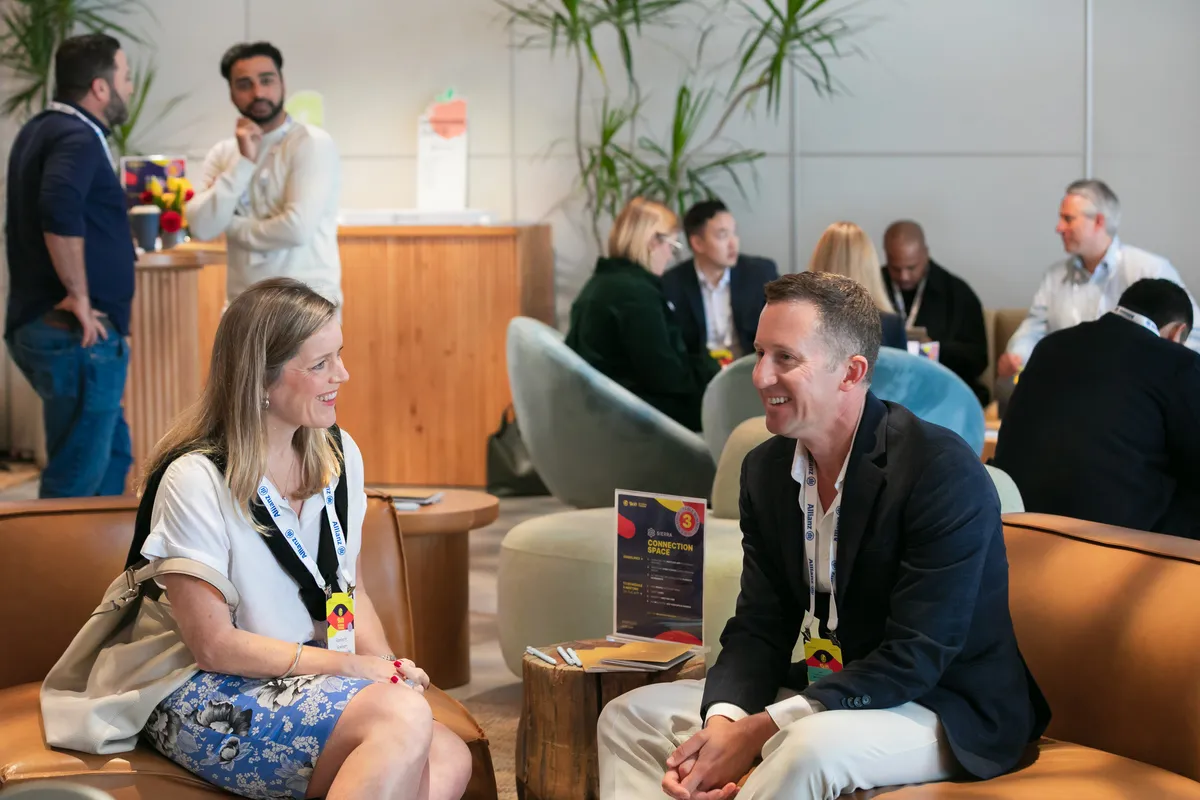
The professional utility of the Skift Global Forum begins exactly fourteen days before the physical event commences with the activation of the Skift Live mobile application. In the modern B2B environment, the efficiency of a conference is often measured by the density of high-value meetings conducted on the sidelines of the main stage. The Skift Live app serves as a high-leverage networking tool, allowing attendees to browse comprehensive profiles of fellow delegates, which include sector specialties and corporate roles.
By opening the digital doors two weeks early, the forum enables a "first-mover advantage" for well-connected professionals. This period is dedicated to calendar management, ensuring that onsite meetings are confirmed before attendees arrive in New York. Historically, attendees who utilize this pre-event window report a significantly higher return on investment (ROI) than those who attempt to network spontaneously. For corporate teams, this two-week period is also critical for tactical planning, allowing organizations to divide their representatives across different sessions and roundtables to maximize topical coverage.

Phase Two: One Week Out – Establishing the Intellectual Foundation
Seven days prior to the event, the focus shifts from networking to intelligence gathering. Attendees receive the Skift Intelligence Briefing, a specialized research report delivered directly to their inboxes. This document is designed to map the current state of the industry, specifically focusing on how AI is reshaping the economics of distribution and loyalty.
In a professional landscape where "catching up" during a session can lead to missed opportunities, this briefing ensures that every attendee walks into the room with a shared baseline of context. The briefing allows participants to skip foundational questions and move directly to high-level inquiries regarding budget allocation, technological integration, and competitive positioning. This preparatory phase is essential for sharpening the quality of the live Q&A sessions that follow each main-stage presentation.
Phase Three: The Event – A Three-Day Nexus of Strategy and Execution
The core of the Skift Global Forum is the three-day live event, which serves as the "spine" of the entire engagement framework. The programming is designed to highlight the friction points within the industry, keeping the "disagreements in" to foster honest debate.

The main stage sessions are complemented by several specialized sub-events, including:
- Skift Meetings Forum: Focused on the evolving business of events and corporate gatherings.
- Creator Summit: Addressing the role of influencers and content creators in the modern travel marketing funnel.
- Live Tourism Summit: Examining destination management and the impact of over-tourism.
- Women Leading Travel Leadership Exchange: A dedicated space for leadership development and gender parity discussions in the executive suite.
Beyond the main stage, the forum utilizes expert-guided roundtables. These sessions operate under off-the-record protocols, encouraging participants to speak candidly about operational challenges. Because seating is limited, the forum prioritizes early registrants, creating a premium on early commitment to the event. The evening receptions and networking breaks serve as the final layer of the live experience, providing the informal environment necessary to finalize the "handshake deals" initiated in the Skift Live app two weeks prior.
Phase Four: Same-Day Synthesis and the Skift Takeaway
To solve the perennial problem of attendee fatigue and the difficulty of note-taking during high-speed presentations, the forum introduces "The Skift Takeaway." Published at the conclusion of every session, these one-scroll summaries provide a factual distillation of what was argued and how it impacts specific industry verticals.

This real-time reporting allows attendees to remain fully present in the room, engaging with the speakers and the audience rather than being distracted by the need to document every data point. The Skift Takeaway acts as a preliminary record of the "Great Recalibration," ensuring that the core arguments of the day are immediately accessible for internal corporate reporting.
Phase Five: 48 to 72 Hours Post-Event – The Verdict
As attendees return to their respective headquarters, the forum enters its fifth window: The Skift Verdict. Published a few days after the event concludes, this editorial synthesis pulls the common threads from across all sessions, roundtables, and hallway conversations.
The Verdict is designed to provide a macro-view of the industry’s trajectory. It identifies where the global travel sector has reached a consensus and where it remains divided. For executives, this document is a tool for internal validation; it helps determine which corporate assumptions were confirmed by the week’s events and which strategies may require a pivot in light of new evidence presented by industry peers.

Phase Six: Long-Term Utility and On-Demand Integration
The final window of the Skift Global Forum ticket extends into the months following the event. Full video recordings of every session are made available on-demand, transforming the conference into a permanent resource library. This is particularly valuable for organizations that sent multiple representatives, as it allows the entire team to cross-reference sessions they were unable to attend in person.
The on-demand phase also serves as a catalyst for final follow-ups. Industry analysts suggest that a meeting booked in the immediate wake of a conference—while the "room still remembers you"—has a significantly higher conversion rate than cold outreach performed months later. The six-window model concludes with a focus on turning introductions into "next quarter’s deals," ensuring that the business card collected in September does not become a forgotten relic by March.
Implications for the Future of Corporate Events
The structured approach of the Skift Global Forum represents a broader shift in how high-level industry events are being conceived and executed. In an era where information is ubiquitous, the value of a conference is no longer just the content on the stage, but the curated environment and the structured timeline of engagement.

By spreading the experience across six windows, Skift addresses the modern executive’s need for efficiency, depth, and actionable outcomes. As the travel industry navigates the complexities of the "Great Recalibration," this model provides a blueprint for how professional communities can gather not just to talk, but to decide the future of global commerce. The New York forum in September will be the ultimate test of this framework, as the leaders of the $11 trillion travel economy attempt to chart a course through a landscape of technological disruption and shifting global norms.