


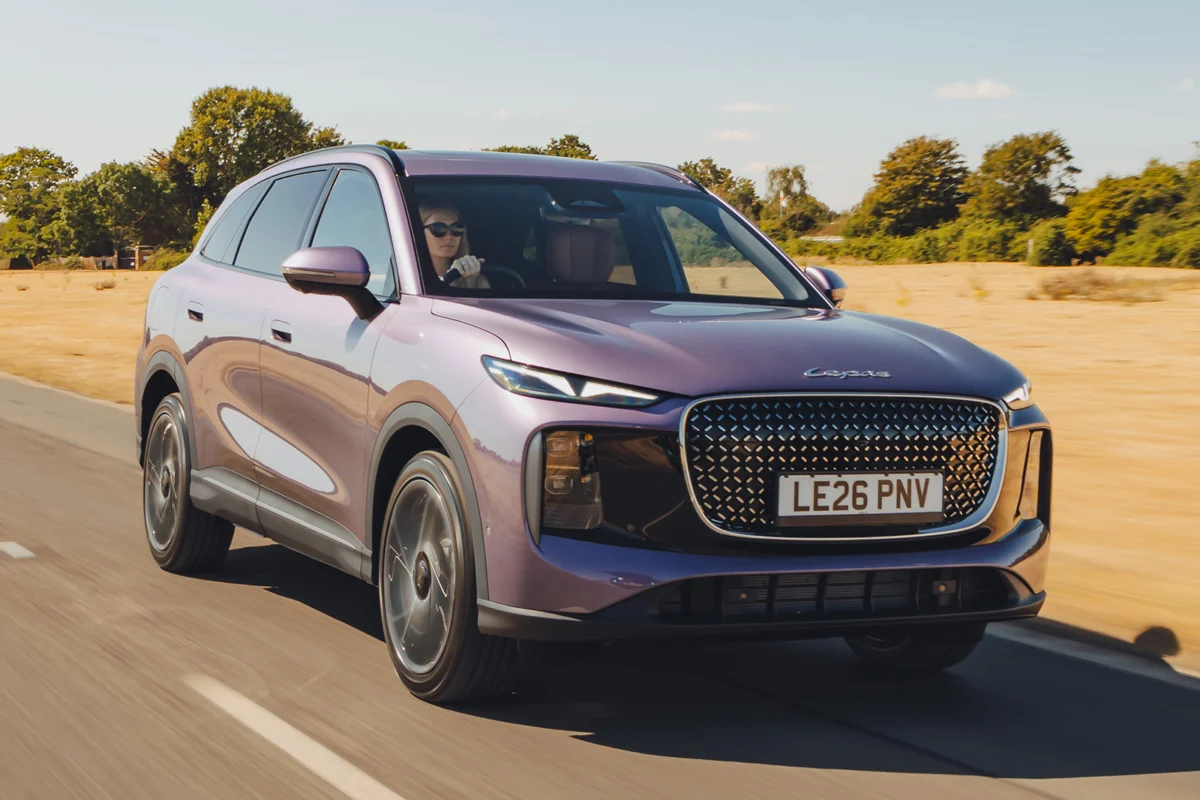
The automotive industry is currently witnessing a significant shift in interior design philosophy, driven largely by the rapid expansion of Chinese manufacturers into global markets. Among these players, Chery has positioned itself as a formidable contender, utilizing its sub-brands to challenge established European and Japanese incumbents. The Lepas L8, a plug-in hybrid (PHEV) SUV, serves as a primary example of this strategic direction. By prioritizing a minimalist aesthetic, high-capacity cargo solutions, and a technology-forward cabin, the L8 seeks to capture a segment of the market that values both modern luxury and practical utility. This analysis explores the interior architecture, technological integration, and competitive positioning of the Lepas L8 within the broader context of the modern SUV landscape.
Interior Architecture and Design Philosophy
The interior of the Lepas L8 is a stark departure from traditional automotive cockpits, leaning heavily into the minimalist design language that has become a hallmark of Chery’s premium-leaning portfolio. The cabin is defined by clean lines and a notable reduction in physical switchgear, a move intended to create a serene and uncluttered environment for both the driver and passengers.
Central to this design is a 13.2-inch portrait-oriented touchscreen that dominates the center console. This display serves as the primary interface for the majority of the vehicle’s functions, from infotainment to climate adjustments. The visual influence of European luxury brands, particularly Mercedes-Benz, is evident in the execution of the dashboard. The central screen "swoops" down into the center console in a manner reminiscent of the MBUX systems found in German luxury sedans. This aesthetic is further reinforced by the inclusion of bright, metallic-finished speaker grilles and a sophisticated color palette. In the test models, a tan and black color combination was utilized to lift the cabin’s atmosphere, providing a sense of warmth and perceived quality that contrasts with the sterile, all-black interiors often found in entry-level SUVs.
Material quality in the L8 suggests a concerted effort to move upmarket. The dashboard features soft-touch materials and faux-leather wrapping, which are designed to withstand the rigors of daily use while maintaining a premium feel. Storage solutions are integrated throughout the cabin, ensuring that the minimalist design does not come at the expense of everyday functionality.
Technological Interface and User Experience
While the Lepas L8 excels in visual presentation, the execution of its digital interface presents a more complex narrative. The 13.2-inch central touchscreen is the nerve center of the vehicle, but early evaluations indicate a steep learning curve for users accustomed to more intuitive systems.
Software Hurdles and Menu Navigation
The L8’s infotainment system has been noted for being somewhat unintuitive. Adjusting secondary functions often requires "menu hopping," a process exacerbated by the use of small icons that can be difficult to target while the vehicle is in motion. This reliance on digital sub-menus for basic operations is a common critique of modern minimalist interiors, as it can lead to increased driver distraction.
ADAS Integration and Future Updates
A specific point of friction involves the Advanced Driver Assistance Systems (ADAS). Currently, the L8 lacks a dedicated physical shortcut or a high-level digital button to quickly deactivate certain ADAS features, which some drivers find intrusive in specific road conditions. However, Lepas has officially acknowledged this feedback. The company has stated that a shortcut for ADAS deactivation will be integrated into the touchscreen’s swipe-down menu via a future over-the-air (OTA) software update. This commitment highlights the growing importance of software-defined vehicle (SDV) architecture, allowing manufacturers to refine the user experience post-purchase.
Retention of Physical Controls
In a nod to ergonomic practicality, Chery designers have retained a strip of physical buttons for temperature and fan speed control located directly below the touchscreen. This inclusion serves as a vital bridge between the digital-first approach and traditional usability, allowing drivers to make high-frequency adjustments without diverting their gaze from the road to navigate a screen.
Passenger Accommodation and Ergonomics
The development of the Lepas L8 appears to have prioritized rear-seat comfort, a critical factor for the family-oriented SUV market. Engineering the cabin for maximum internal volume has resulted in rear accommodation that is competitive with, and in some cases superior to, its direct rivals.
Rear Space and Comfort
Legroom in the rear is described as more than generous. A key ergonomic success is the clearance provided under the front seats, allowing rear passengers to tuck their feet forward, which significantly enhances comfort during long-distance travel. Despite the inclusion of a large panoramic sunroof—a feature that often compromises vertical space—the L8 maintains sufficient headroom for taller adults. The integration of the sunroof adds to the sense of openness within the cabin without the typical engineering trade-offs.
Cargo Capacity and Practicality Benchmarking
Practicality is a cornerstone of the Lepas L8’s value proposition, particularly in the PHEV segment where battery packaging often encroaches on boot space. The L8 manages to outperform several of its high-profile competitors in this regard.
Comparative Boot Space
With a boot capacity of 507 liters, the Lepas L8 offers a significant volume advantage over established PHEV rivals. For comparison:
- Lepas L8: 507 liters
- Volkswagen Tiguan PHEV: 490 liters
- Toyota RAV4 PHEV: 446 liters
This extra volume is particularly impressive given the complexities of housing a hybrid powertrain. Furthermore, the L8 includes dedicated underfloor storage. This feature is specifically designed to house charging cables, ensuring they do not clutter the primary cargo area or interfere with the loading of groceries and luggage.
Chronology of Chery’s Global Integration
The arrival of the Lepas L8 is part of a broader, multi-year strategy by Chery Automobile to establish a permanent footprint in international markets.
- 2020-2021: Chery begins a heavy push into R&D for its "New Energy" platforms, focusing on modular architectures that can support ICE, PHEV, and BEV powertrains.
- 2022: The company introduces the Omoda and Jaecoo sub-brands to target different consumer demographics—Omoda focusing on "lifestyle" and design, and Jaecoo/Lepas focusing on "rugged luxury" and technology.
- 2023: Chery records record-breaking export numbers, becoming one of China’s leading automotive exporters. The Lepas (or Leopard/Shanyue variants) begins appearing in international testing circuits.
- 2024: The Lepas L8 is positioned as a flagship PHEV, designed to meet European safety and environmental standards while offering a technology suite that rivals premium marques.
Official Responses and Market Positioning
Representatives from Lepas have emphasized that the L8 is designed for a "new generation of families" who demand technological sophistication without sacrificing the utility of a traditional SUV. Regarding the criticisms of the user interface, brand spokespeople have reiterated their "user-centric" development cycle. By utilizing OTA updates, the company intends to treat the vehicle’s software more like a smartphone operating system, with regular patches based on real-world driver feedback.
Industry analysts suggest that Chery’s aggressive pricing and high feature-density are intended to undercut European manufacturers who are currently struggling with high production costs and supply chain transitions to electrification. By offering a larger boot and more standard technology than the Tiguan or RAV4 at a potentially lower price point, the L8 represents a significant threat to the status quo.
Broader Impact and Implications for the SUV Market
The Lepas L8 reflects a broader trend in the automotive world: the democratization of luxury features. Technologies and interior materials that were once the exclusive domain of brands like Mercedes-Benz or BMW are now being integrated into mass-market vehicles from China.
However, the L8 also highlights the "growing pains" of the digital transition. As physical buttons disappear, the pressure on software stability and UI design increases. The success of the L8 in the long term will likely depend on how effectively Lepas can bridge the gap between its ambitious minimalist design and the practical, distraction-free operation required by drivers.
Furthermore, the L8’s superior cargo capacity despite its PHEV powertrain suggests that Chinese manufacturers are achieving high levels of packaging efficiency. This could force Western and Japanese automakers to rethink their platform designs to remain competitive in terms of sheer utility.
In conclusion, the Lepas L8 is a meticulously designed SUV that offers a compelling blend of aesthetic appeal, spaciousness, and class-leading cargo capacity. While its digital interface currently requires refinement, the foundational hardware and the manufacturer’s commitment to OTA improvements suggest that it will remain a significant player in the evolving PHEV landscape. As Chery continues to expand its global reach, the L8 stands as a testament to the brand’s ability to challenge established norms and set new benchmarks for what consumers can expect from a modern family vehicle.